
AI Boom, GPU Leaks, and Memory Price Surges Reshape the PC Industry
AI demand, supply constraints, and corporate strategies continue to influence hardware availability and pricing trends.
Hardware by Shinji Okazaki on Dec 25, 2025
The PC hardware and gaming sectors have changed a lot recently, and things will stay unpredictable because of GPUs, RAM pricing, storage costs, and AI's growing strength.
People's expectations for the next few years are still being shaped by a mix of leaks, company strategies, and market pressure.
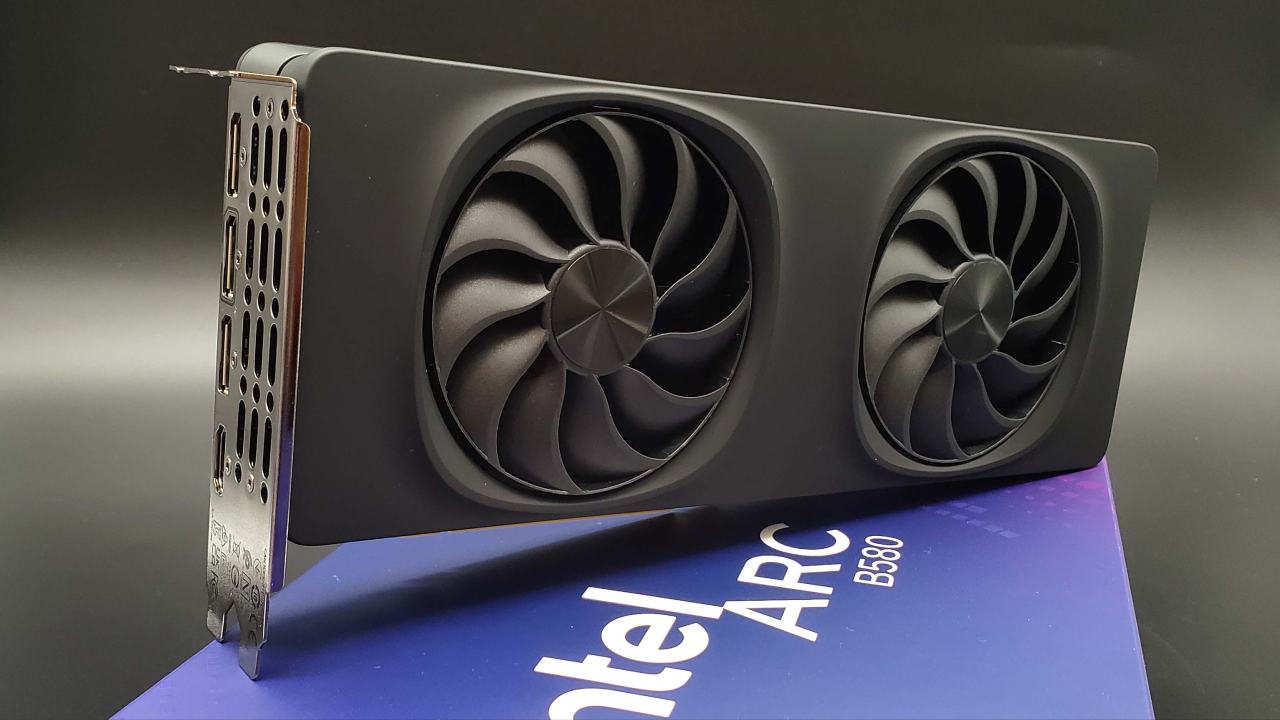
Intel B770 GPU Leak and What People Think Will Happen at CES
A tweet that has since been taken down from Intel's official Intel Gaming Twitter account may have accidentally revealed the B770 GPU's existence. The answer includes the B770, Panther Lake, and Nova Lake, which drew people's attention immediately away because B770 hasn't been released yet. It is more likely that the product is real and not simply a guess if the post is taken down.
There are a number of leaks, like shipment documents that show a GPU with a board power of roughly 300W, that support the idea that Intel is making a better card than B580. If Intel wants to show it off soon, CES2026 is still the ideal venue to do it. A bigger version of B580-class design might work for Intel right now, but the high cost of VRAM is still a huge concern for price. Still, greater competition in the mid-range GPU market would be good for PC builders right now, when costs for other parts keep going up.
Not enough DRAM and excessive costs What to expect: According to notes from internal SK Hynix meetings, there may not be enough DRAM until 2028. We can't be sure that these notes are legitimate, but the general trend matches with how the market is functioning right now. Supplier stocks are still low, production is growing slowly, and demand is still higher than supply.
Demand for AI and data centers is increasing DRAM allocation, which limits consumer markets. Prices for DDR4 and DDR5 memory have gone up a lot, which means that basic kits are now worth a lot more than they used to be. Prices for memory are unlikely to go down until AI investment slows down or production capacity grows a lot.
Nvidia PhysX 32bit Support Is Here Again
Nvidia has mostly fixed the 32bit PhysX functionality on RTX50-series GPUs, which was a major bug that made older games perform poorly. Right now, Assassin's Creed IV: Black Flag, Borderlands 2, Metro games, and Mirror's Edge are all supported. In 2026, Batman: Arkham Asylum will be out.
Tests from the past showed that newer GPUs were slower than cards that were ten years old because they didn't have PhysX acceleration. Nvidia's decision comes after the community spoke out against it and at the same time the company makes PhysX GPU simulation kernels available to the public. The workaround only works for a few games, but it highlights how risky it is to have features that only work with certain hardware and software that evolves over time.
The AI GPU Race and the Huawei Ascend 950
Pictures that got out of Huawei's Ascend 950 AI accelerator showed a sophisticated multi-die package with 128GB of memory on it. The design is for data centers and AI activities, not games, but it can be used for other things as well.
People say that the Ascend 950 can do FP16 tasks that are around 75% as fast as Nvidia's H200 while taking up less space. This shows that there is more competition in the US in markets that aren't very big. CUDA is still Nvidia's main strength, but if there are constraints on exports, companies might consider adopting other platforms. This could help non-Nvidia ecosystems grow faster over time.
Motherboards and Prices That Are Very High-End
MSI X870E Godlike X Edition motherboard costs $1300, which makes it one of the most expensive motherboards on the market. The board contains a 24+2+1 VRM with 110A stages, seven USB-C connectors, two 10Gb and 5Gb LAN connections, WiFi7, and a bunch of M.2 expansion slots.
The design focuses on making the product collectible by creating it in tiny amounts, adding accessories, and giving it features that make it look nice on display. Even while it's technically impressive, it fits into a larger pattern of flagship parts growing more expensive without matching most people's needs.
AMD Tests for creating Avatar Redstone Frame Fans have already updated AMD's Avatar Redstone upgrade. Early versions of OptiScaler let users force frame generation overrides in games that didn't work with it. It seems like there is less ghosting when you compare Redstone's ML-based frame creation to older techniques of analysis.
Ongoing analysis shows that the quality of graphics and the time it takes for them to load has gotten improved, but there is still not much official game support. How many people utilize it will determine how useful it is in the long run.
Problems for the Right to Repair
Reports claim that conversations with defense officials ended efforts to make restrictions about the right to repair military equipment stricter. After lobbying pressure, ideas that would have required contractors to provide manuals and parts were dropped.
The impacts are more than simply on defense gear. Before, medical and diagnostic equipment didn't work as well because of strict repair procedures. This makes us think about bigger questions regarding how much control manufacturers have over vital systems.
Prices for Memory and Storage Keep Going Up
Reports say that Samsung is raising the prices of DRAM contracts for B2B customers by as much as 100%. This would definitely have an effect on both partners and customers. Prices for DDR4 and DDR5 keep going up, while older variants are being made less and less.
The price of storage is also rising higher. Prices for high-capacity hard drives at retail stores went up a lot, and prices for hard drives in contracts went up 4% from one quarter to the next. The spike is due to limited production capacity and rising demand from data centers, which goes against years of relative stability.
Anniversary Watches for the PlayStation
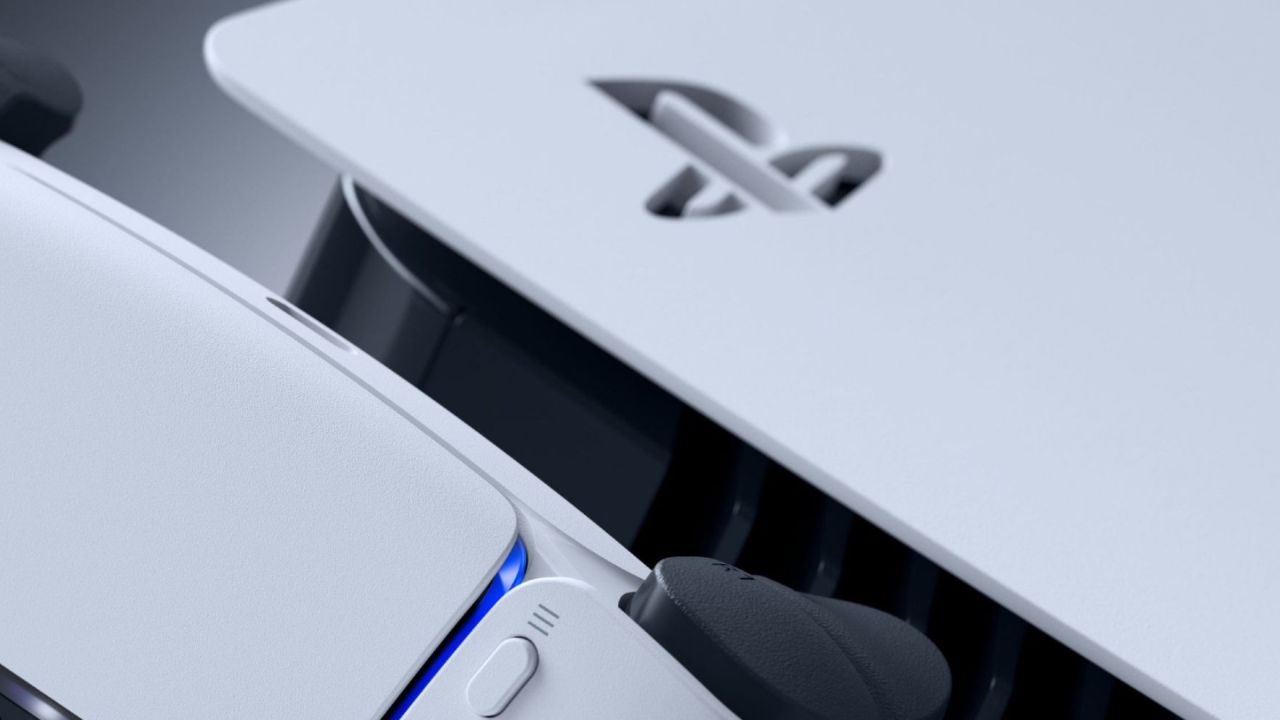
Sony has shown off a range of mechanical watches to celebrate the 30th anniversary of the PlayStation. The clocks will cost as much as $780, and just a few hundred will be built. The designs are based on how the first PlayStation looked, with patterns of buttons on the face and moving parts that can be seen.
There are also simpler variants with floating symbols and oil-injection screens. The watches are part of Sony's anniversary selling plan, but they are luxury items instead of useful gaming gadgets.
Final Thoughts
The market is still going toward greater prices and lower supply for GPUs, memory, storage, and other peripherals. AI demand is still the most important thing that determines availability and prices. On the other hand, innovation that focuses on consumers goes against what businesses require. Next year will indicate if increased competition and new products will make these difficulties go away or if we just have to deal with them.
Also, check our other Intel chips Articles below:
- Intel Core Ultra 9 285K Review And Performance Breakdown (2025)
- Intel Core Ultra 9 285K vs AMD Ryzen 7 9800X3D: In-Depth Gaming Performance and Benchmark Comparison
- Intel Core i5-13400F Gaming Performance: Still Worth It in 2025?
- Intel Core i9‑14900K vs. AMD Ryzen 7 7800X3D: Power Profiles & Gaming Benchmarks
- Intel Core i9 14900K: Specs, Benchmarks, and Competitor Comparison
- Intel Core Ultra 5 245K Review: Gaming, Productivity & Power Efficiency Tested
- Intel Core Ultra 9 285 K's iGPU Gaming: In-Depth Benchmarks & Analysis
- Intel vs. AMD Gaming Laptop: Performance, Thermals & Battery Life Compared
- AMD Ryzen 7 9800X3D vs.7800X3D vs. Intel Core Ultra 7 265K: Gaming, Thermals & Price Analysis
Editor, NoobFeed
Gaming Hardware Updates
No Data.