
AMD FSR 4.1 Confirmed for Steam Machine and Steam Deck
Rising gaming hardware prices increase demand for optimized performance solutions like FSR4.1 and SteamOS enhancements.
Hardware by Nahe Yan on May 16, 2026
Recently, AMD announced the new version of FSR, FSR 4.1, which will be available on more GPUs, including the Steam Deck and Steam Machine. The update is another step toward handheld and living room game development, particularly from a hardware optimization and upscale technology perspective rather than simply raw hardware power.
FSR 4.1 is AMD's newest upscaling technology, designed to deliver higher frame rates and image quality on lower-power systems. Upscaling means the same thing, except that it processes games at a lower resolution, such as 720p or 1080p, and then upscales the image to a higher resolution, such as 1440p or 4K. This helps minimize system load and ensures a more balanced gaming experience and visual fidelity.
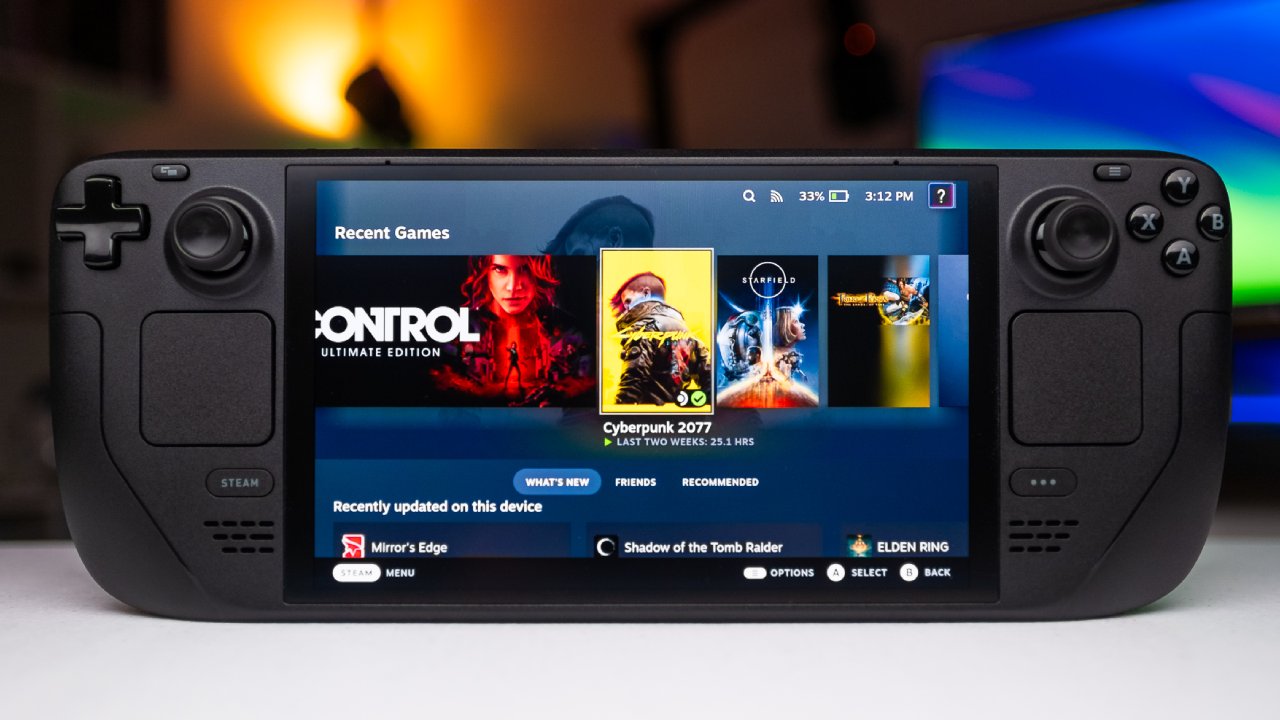
Advanced Upscaling to Enhance Performance
Steam Deck already has great FSR support, so the new Steam Machine will likely be equally as dependent on FSR. Valve reportedly has a 4K 60 fps objective for the Steam Machine, but even with current-generation consoles, it's hard to do. To meet those performance targets, upscaling technologies such as FSR4.1 are likely to make it easier to do so.
FSR 4.1 is one of the upscaling technologies that can help reach those performance targets, making the rendering process more efficient. Steam Machine Performance Keeps Improving As More Software Optimizations Are Implemented. Steam Machine Performance continues to improve with software optimizations.
We have already seen the significance of upscaling throughout PC gaming. Like NVIDIA's DLSS for games, AMD is continually refining FSR with each iteration. FSR4.1 will further benefit from better image reconstruction, visual sharpness, and frame stability in many of the games, while FSR 3 already provides good results in the same.
Technologies such as FSR are useful for gaming enthusiasts who play AAA titles on lower-tier systems, allowing them to avoid sacrificing performance for quality. There are rumors that the Steam Machine will feature tech similar to the PlayStation 5.
It won't make the system work as well as a PlayStation 5 Pro right away, but FSR4.1 will definitely make it more efficient and improve the gaming experience. As work with AMD and SteamOS continues, software changes and performance improvements may yield even greater gains.
As Hardware Costs Rise, the Need to Optimize Also Increases
With the prices of gaming hardware still climbing, optimizing performance is crucial for gamers who wish to continue playing with their existing setups for as long as possible. More players are seeking to squeeze the most power from the gear they already have rather than upgrading generation by generation.
It's one of the reasons why game developers are devoting more time to optimizing their games for Steam hardware with lower specs, including the Steam Deck and future Steam Machine devices. Now, game developers are making a greater effort to support lower-end hardware. The companies are already concentrating on optimization and compatibility.
Capcom is another developer that's excelling at optimizing its titles, such as Resident Evil. They often feature highly optimized engines and are designed to run at various resolutions and on handheld consoles, making them highly playable on these devices.
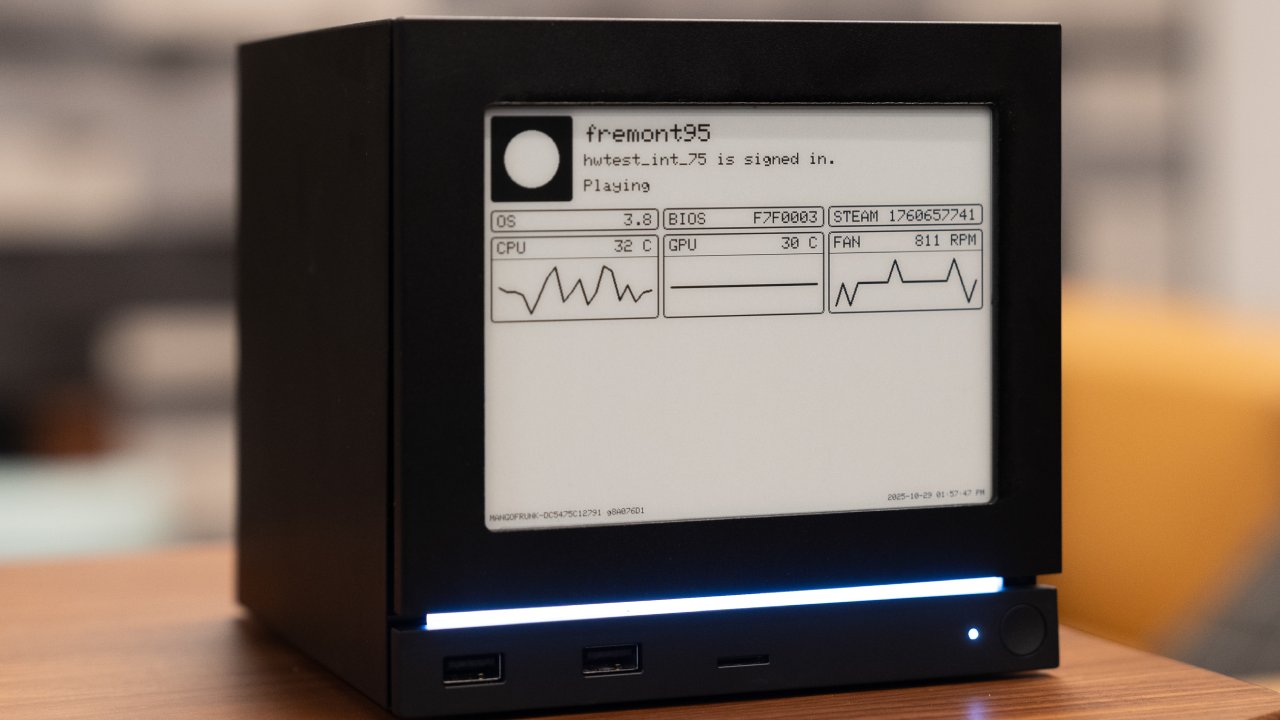
With Steam Deck verification growing in importance for developers seeking to reach a wide range of hardware configurations.
As the cost of developing games and technology continues to rise, optimization tools like FSR 4.1 become increasingly important. Accessibility is becoming increasingly important in games, so more companies are developing technologies to improve performance on low-end systems. Players can enjoy the newest games without having to keep upgrading their hardware if upscaling works well.
Another great development in the Steam ecosystem, with the release of FSR4.1 on Steam Deck and Steam Machine, is that it now supports both the Steam 360 and Steam VR virtual reality platforms. With SteamOS optimization, AMD upscaling technology, and increased developer support, it may be a better option for those who want a living room gaming system with access to the full Steam library.
Editor, NoobFeed
Gaming Hardware Updates
No Data.