
AMD vs. Intel Heats Up as DLSS5 Sparks Developer Confusion and Criticism
Intel introduces cloud-based shader delivery reducing load times significantly across multiple supported modern game titles.
Hardware by Shinji Okazaki on Mar 20, 2026
Not just gamers were shocked by Nvidia's DLSS5. Reports say that developers at more than one firm also didn't know about the technology being demonstrated. It has been said that developers at Capcom and Ubisoft learned of the issue at the same time as the public, which caused internal problems. Capcom developers, in particular, were against the decision because the business had previously said it would not allow AI to use its intellectual property.
As additional information came to light, it seemed that higher-ups, not the engineers themselves, made the decision to showcase DLSS5. Many people at these companies didn't know their projects would be used in demos. At the same time, industry professionals still don't agree. Some developers were upset by the criticism, saying reviewers don't grasp the technology or how it looks, especially in lighting and character presentation.
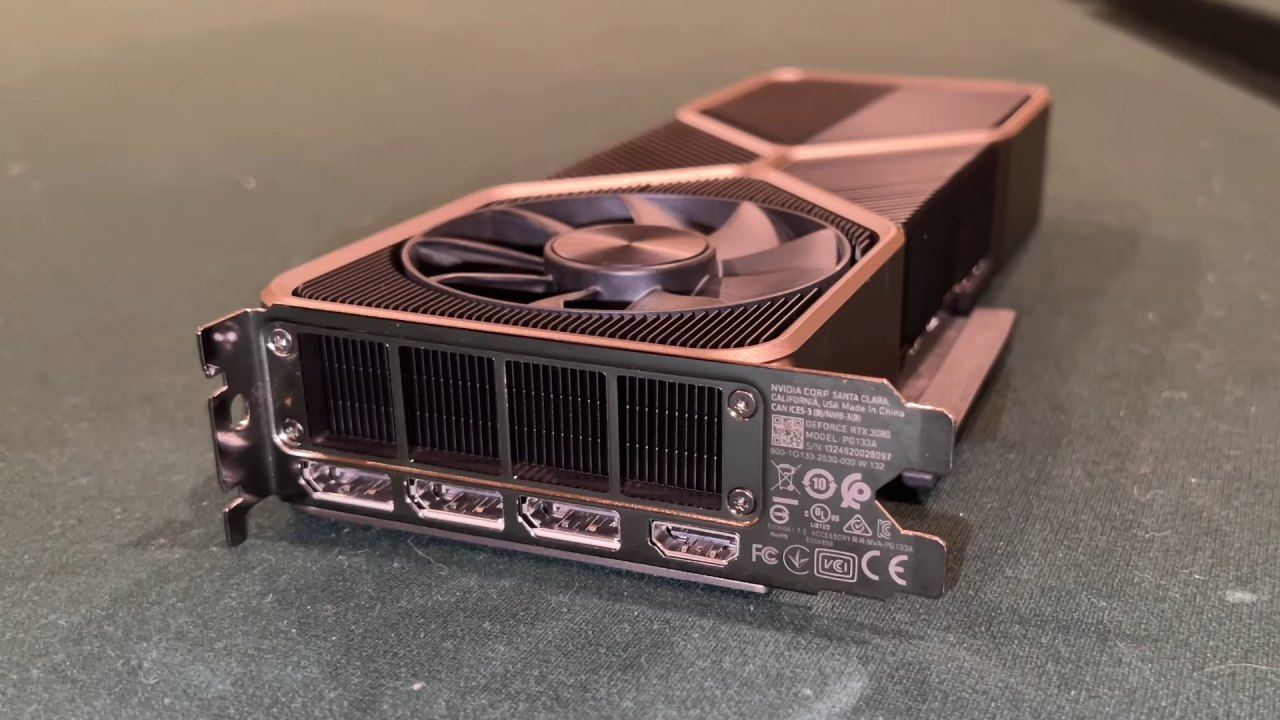
Digital Foundry later discussed the controversy and admitted that the technology was not presented in the best light. They made it clear that DLSS5 is more than just changing the lighting. One thing that was always true was that temporal consistency improved, which earlier versions of DLSS struggled with. There are still questions about how the technical pipeline will be used, especially in contexts where visual fidelity is crucial for understanding.
NVIDIA has stuck to its guns in public, with its executives and PR teams responding to positive input while ignoring negative feedback. It's still unclear whether there will be changes within the company.
Crimson Desert Performance and CPU Scaling
Crimson Desert has received mixed reviews since its release. It excels at open-world exploration but not so well in other areas. Performance testing shows disparities in how CPUs scale, especially when they are used with high-end GPUs.
9850X3D is the fastest, followed by the 7800X3D and Intel's 14th-generation Raptor Lake processors. 5090 Founders Edition is the fastest. Older hardware, such as the Ryzen 7 2700X, can still get 47 fps. This shows that performance is not just about new GPUs.
When it comes to frames per watt, the 7800X3D is the most efficient CPU, according to efficiency measurements. 13100F is the second most efficient, and the 9850X3D is the third. These results show that older Intel CPUs don't completely hinder consumers when they play games, especially when they have robust GPU support.
Better shader compilation from Intel
Intel has added pre-compiled shader delivery to speed up loading times. The technology supports 13 games and can load them up to 3 times faster by streaming shaders from the cloud directly through the Arc program.
Sometimes, the changes are very big. For instance, God of War Ragnarok's load times are 21 times faster, which could be due to problems with the previous version. Intel is still working on software improvements to enhance the user experience and anticipates supporting more games in the future.
The 16TB M.2 SSD is now available
The arrival of a 16TB M.2 SSD has increased storage capacity. The drive costs $16,000, which is $1,000 per TB. It supports PCIe 4.0 speeds and offers a lot of storage in a small package.
The price makes it too expensive for most people to use, but it is a stride forward in SSD capacity for high-performance PCs.
Deals on Notable Hardware
There are a lot of hardware deals going on right now. Gigabyte H10M Gaming WiFi 6 mini ATX motherboard costs $86.99, $58 less than its original price. Sennheiser HD599 SE open-back headphones are only $99.95, $140 off the regular price. The Ryzen 5 7600X3D is also available for $246, which means it can be bought online as well as in stores.
Tensions Between Microsoft and OpenAI
Reports say that Microsoft is reconsidering its partnership with OpenAI after OpenAI and Amazon made a new $50 billion deal. The deal includes a new Frontier model that runs on Amazon Web Services instead of Microsoft Azure.
Microsoft wants OpenAI's API-based services to run on Azure infrastructure, as stated in the current contract. The move to AWS makes some worry that the contract might be broken. Microsoft is thinking about taking legal action, but nothing has been done yet.
AMD reacts to Intel's new CPUs
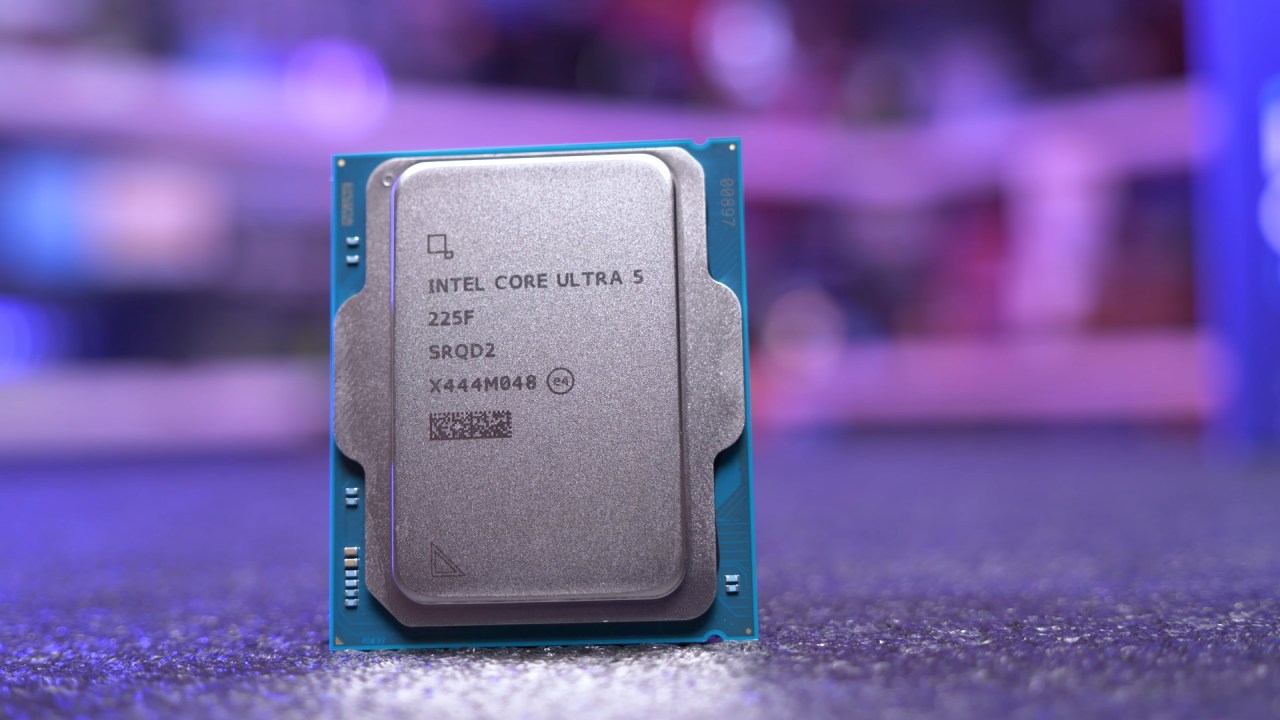
AMD is building new CPUs as Intel updates its Arrow Lake line. Intel has released new versions of its Core Ultra 200 series CPUs, saying they boost gaming performance by 10% and cost less.
Ryzen 5 9650X and Ryzen 7 9750X are part of AMD's answer. These chips have higher clock speeds, about 100 MHz faster. More importantly, the TDP has increased from 65W to 120W, putting them in line with higher-end products.
Prices are still not certain. Intel's new portfolio is very competitive, with the Core Ultra 7 costing about $300 and the Core Ultra 5 costing about $200. AMD's present prices are higher, and how competitive they are will depend on the final prices and performance comparisons.
What people in the community think about DLSS5
People in the community still have mixed feelings about DLSS5. Some people don't like how much more AI is being used, saying that earlier versions of DLSS focused on improving performance without changing the look too much. People are increasingly worried about the lower frame rates and higher computing power needed for neural rendering.
Some people defend the technology by highlighting its technical advances and potential benefits. The conversation continues as both developers and users consider how it affects the real world.
Final Thoughts
Ongoing advancements in GPUs, CPUs, storage, and AI alliances show how quickly the business is changing. As organizations keep pushing new technologies, developers and users still have different opinions about them, which affects how these ideas evolve.
Also, check our other hardware articles:
- AMD Ryzen 9 9950X3D Review: Setting The Standard For 2025 Gaming CPU
- Amazon Luna 2025 Review: Is Prime Gaming's Cloud Service Your Go-To For Casual Fun?
- AMD RX 9070 XT Review: AMD's RDNA 4 Champion for 1440p Gaming
- GeForce Now Ultimate: Ditching Your Gaming PC For Cloud RTX 4080 Power?
- NVIDIA GeForce RTX 5080 Review (2025): Still A 4K Gaming Powerhouse?
- Intel Core Ultra 9 285K Review And Performance Breakdown (2025)
- AMD Ryzen 7 9800X3D Review: 3D V-Cache Goes God Mode with Stunning Gaming Performance
- Intel Core Ultra 9 285K vs AMD Ryzen 7 9800X3D: In-Depth Gaming Performance and Benchmark Comparison
- NVIDIA GeForce RTX 5080 Super Performance In Cyberpunk 2077: Path Tracing & DLSS 4.0 Tested
- AMD Radeon RX 9070 XT In Cyberpunk 2077: Ray Tracing & FSR 4.0 Tested
- Intel Arc B580 Review: The $250 GPU Revolutionizing 1440p Gaming
- Intel Arc B570 Vs. B580: Value, Specs, And Real-World Gaming Performance
- RTX 5090 Laptop Vs. M4 Max MacBook Pro: Ultimate Raw Performance Vs. Battery Endurance
- Intel Arc b580 Vs. RTX 4060: Game Performance And Value Analysis
- RTX5090 Hell Is Us Demo 4K Ultra Benchmark: DLSS Vs. Native Performance Guide
- NVIDIA RTX 5070 Review: Mid-Range Muscle or Marketing Hype?
- Nintendo Switch 2 Review: Handheld Performance, Features & Value Breakdown
- RTX 5070 Ti Review: Performance, Thermals & Power Efficiency Tested
- Samsung Odyssey OLED G81SF Review 2025: Ultimate 32-Inch QD-OLED Gaming Monitor
- AMD RX 9070 Performance Review: Thermals, Clocks, and Real-World FPS
- AMD Ryzen 5 7600 Review: Best Budget Gaming CPU of 2025?
- AMD Radeon RX 7800 XT Review: RDNA 3 Power For Midrange Gaming
- Asus ROG RTX 5090 Astral OC Vs. Founders Edition: The 4K Gaming Benchmark
Editor, NoobFeed
Gaming Hardware Updates
No Data.