
AMD Zen6 Architecture Explained With Core Count, Cache, Scheduler, and Performance Expectations
Zen6 introduces major architectural revisions focused on core scaling, cache expansion, latency reduction, and scheduler redesign
Hardware by Shinji Okazaki on Dec 19, 2025
AMD's Zen 6 processors are among the most significant changes to the company's architecture in a long time. The platform alters aspects such as manufacturing, core design, cache layout, latency, memory behavior, and scheduling logic.
Intel's next Nova Lake S series, along with Zen6, will have its own architectural orientation, especially in massive last-level cache configurations and very high core counts. These designs show how both firms are marketing their future desktop and mobile processors.
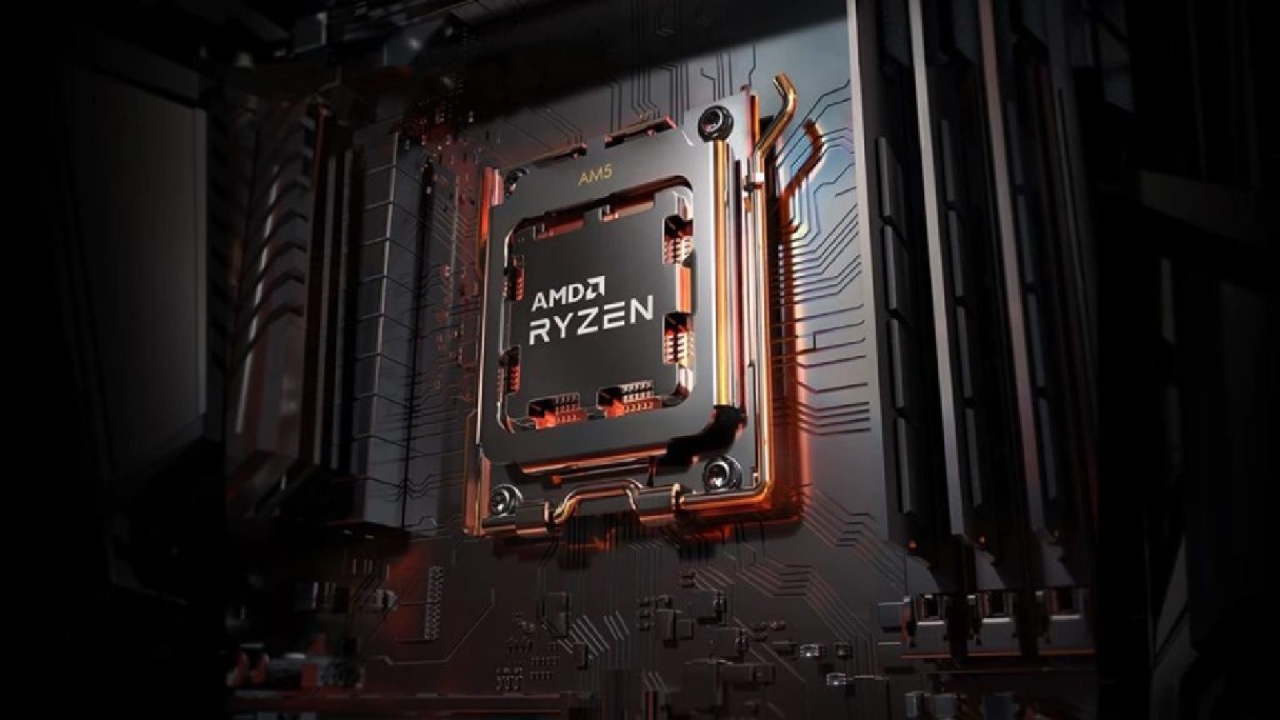
Core Configuration and Zen6 Manufacturing
Zen6 is the first step toward a 2nm process node, enabling higher clock speeds and more cores. The number of cores in desktop and laptop processors is likely to increase to 24, up from the previous limit of 16. In addition to this increase, the L3 cache capacity is predicted to improve by about 50%. This will help reduce latency between cores and memory. The chip's bandwidth is also expected to increase, making data movement more efficient overall.
Reducing latency is a significant goal, and the improvements are intended to speed up memory access and improve responsiveness under stress. Even as cache sizes increase, system memory access remains quite essential. Zen6 introduces several enhancements to make it easier to retrieve data when it can't be provided from cache.
Changes to the Scheduler and Integer Pipeline
The integer scheduler is one of the most critical changes in Zen6. Schedulers split work across execution units, such as ALUs, which perform the bulk of the math. Zen5 introduced a centralized integer scheduler, replacing the older, dispersed methods. Zen6 builds on this by adding more ALUs and AGUs. It will have six ALUs.
Separate schedulers can make things more complicated, for example, by reducing flexibility when particular instruction mixes are used. Still, the design offers benefits in power efficiency and job allocation. We don't expect this modification to increase the clock frequency directly. Still, it should help reduce power consumption and improve performance over time.
Effects on Workload and Gaming
A lot of games need more floating-point operations than integer math, especially for simulating physics and NPC behavior.
Zen6 is still on the AM5 platform, so it's useful for people who already have it and are considering upgrading. If you're on Zen4 and skipping Zen5, Zen6 might be a bigger generational jump.
Things to Think About When it Comes to Memory Scaling
Even though inter-core latency has decreased and cache has increased, memory speed remains essential for overall performance. The cache can only hold so much data; therefore, system memory must still be used to fetch data. Memory frequency scaling should still be a significant factor in Zen6 performance, especially for workloads that require low latency.
Architecture of the Intel Nova Lake S
Nova Lake S is meant to replace Intel's current desktop line, moving away from designs that are reliant on updates. Leaks show that there are several configurations with big last-level cache versions. Reports say that the best configuration has 16 performance cores, 32 efficiency cores, and four low-power efficiency cores, for a total of 52 cores.
There are also 14P24E4LP and lower-core-count versions, such as 8P16E and 8P12E, which are better for gaming. These designs aim to strike a good balance between cache size and core count so they can handle both high-frame-rate games and workloads with many threads.
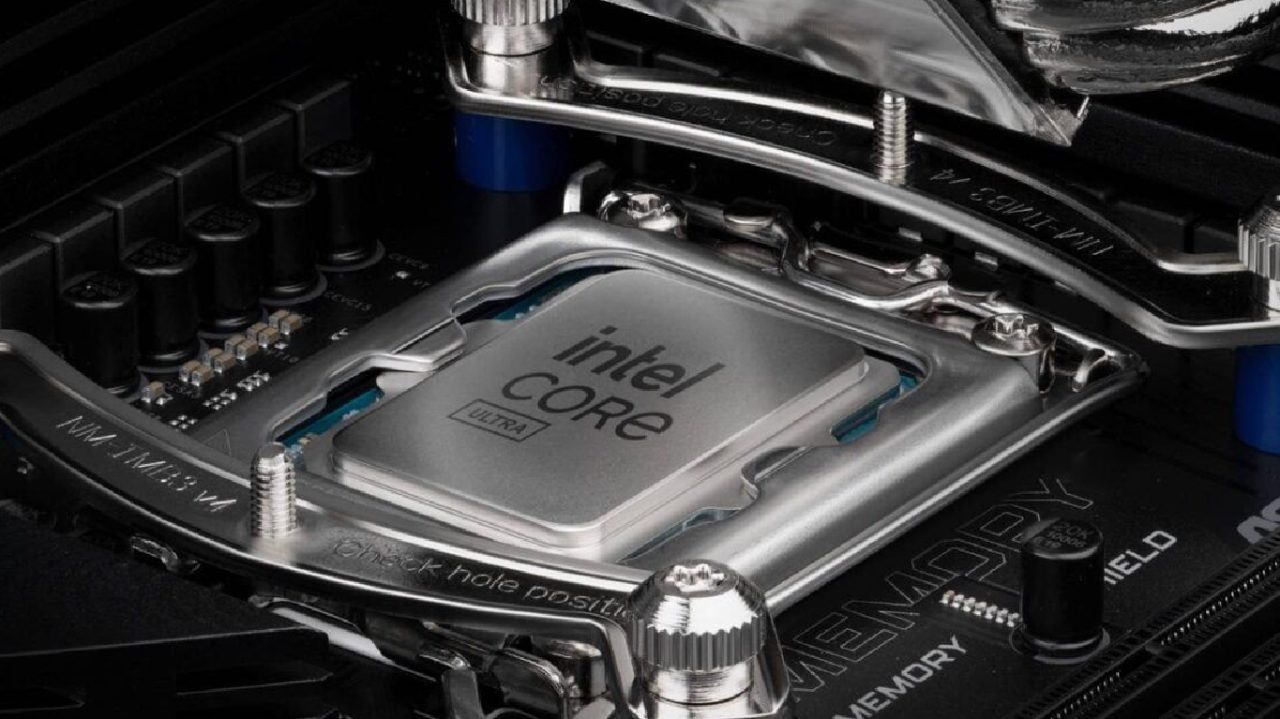
Trade-Offs Between Price and Platform
Nova Lake S processors with big cache setups are likely to cost more than regular desktop CPUs. They are more expensive than most enthusiast models, but not quite as expensive as workstations. These chips have many cores and cache, but they don't include the extra I/O features that workstation platforms have, such as more memory channels or more PCIe lanes.
If you don't need much I/O but do need excellent multi-threaded performance, Nova Lake S is a good choice. Intel will likely emphasize the benefits of multi-threading, whereas AMD will likely underline the performance of single-threading.
Final Thoughts
The early view is that Intel may be better at multi-threaded workloads, while AMD may still be better at single-threaded workloads. Final results depend heavily on clock speeds, memory behavior, and power constraints, which have not yet been proven. When retail silicon and final specifications are available, you should be able to make more precise comparisons.
Zen6 and Nova Lake are both significant architectural changes, not just minor tweaks. The next generation of desktop and mobile computing will depend on how well these designs work together.
Also, check our other AMD articles below:
- AMD Ryzen 9 9950X3D Review: Setting The Standard For 2025 Gaming CPU
- AMD Ryzen 7 9800X3D Review: 3D V-Cache Goes God Mode with Stunning Gaming Performance
- AMD RX 9070 Performance Review: Thermals, Clocks, and Real-World FPS
- AMD Ryzen 5 7600 Review: Best Budget Gaming CPU of 2025?
- AMD Radeon RX 7800 XT Review: RDNA 3 Power For Midrange Gaming
- Sapphire NITRO+ AMD Radeon RX 9070 XT Review: The Ultimate 4K Gaming GPU
- AMD Ryzen 7 7800X3D: Delivers Gaming Performance Far Beyond Expectations
- AMD Ryzen 9 7900X Review: Powering the AM5 Era with DDR5 & PCIe 5.0
- Intel Core i9‑14900K vs. AMD Ryzen 7 7800X3D: Power Profiles & Gaming Benchmarks
Editor, NoobFeed
Gaming Hardware Updates
No Data.