
Ultimate Guide to Choosing the Best Handheld Gaming PC in 2026
Comparing resolution, chip architecture, memory capacity, and software optimization to determine the strongest portable gaming device available.
Hardware by Tanvir Kabbo on Feb 15, 2026
Over the past few years, handheld gaming PCs have come a long way. They give gamers a portable option without losing performance.
Three of the devices on the market stand out for their amazing power and features. You need to think about a lot of things, such the hardware specs and the user experience, before you can choose the perfect one.
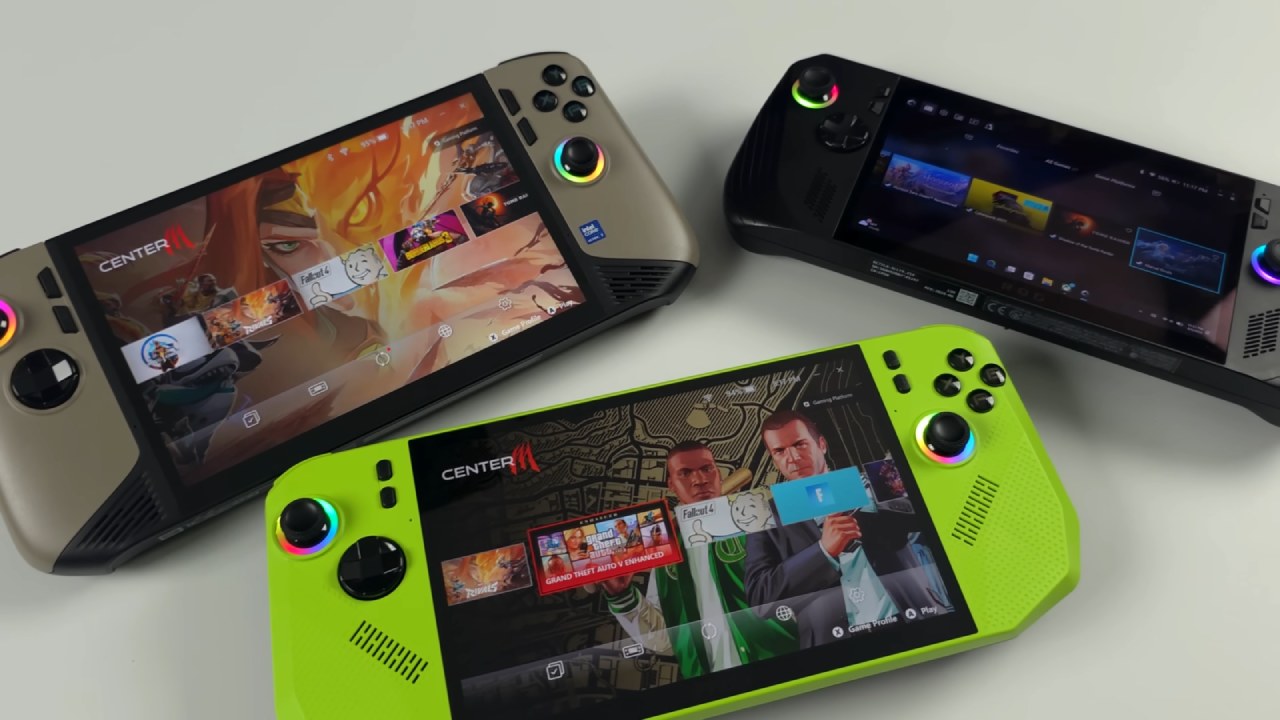
Essential Factors to Consider
Over the years, we've spent hundreds of hours evaluating and using several handhelds, from well-known ones to less well-known ones. We learned five important things to think about when choosing a mobile gaming PC: resolution, chip, memory, pricing, and software. We prefer to remember these things with the abbreviation RCMPS.
Resolution is the quality of the screen and how well it works with the hardware in the device. The chip decides if the gadget is strong enough to meet your gaming needs. Memory, or RAM, is very important for smooth performance because the CPU and GPU use the same resources.
Price lets you decide how valuable something is compared to other things on the market. Lastly, software and operating systems can make the user experience better or worse. These things can help you decide if a handheld is worth your money.
Price Range and Market Options
The prices of handheld gaming PCs might be very different. The MSI Claw 8 Plus AI, the Asus ROG Ally X, and the Lenovo Legion Go Gen2 are some of the most expensive devices, starting at over $1,100. Some models can cost as much as $1,350 because they have more RAM and storage.
On the other hand, you can get entry-level choices like the basic Steam Deck for as little as $400. Making a budget early will help you cut down your choices and create reasonable expectations for how well things will work and what features they will have.
Understanding Chips and Performance
Most handhelds employ proprietary SoCs (System on Chip), which combine the CPU and GPU into one chip to save space and power. AMD's Ryzen Z2 Extreme, Ryzen AI Z2 Extreme, and Intel's Core Ultra 7 258V are some of the best CPUs on the market right now.
The AI Z2 Extreme has an NPU that can handle up to 50 AI TOPS of performance, which makes some games better. All three chips are competitive, although the Asus ROG Ally X gets the best results in some games, such as Civilization 6, Cyberpunk 2077, Doom: The Dark Ages, Far Cry, and Forza Horizon 5.
.jpg)
Role of Memory
The CPU and GPU both use RAM as a shared pantry. Handhelds that don't have enough memory can not work right or even not be able to run some games. The Legion Go 32GB variant and other devices with at least 24GB of RAM are best.
This lets you change how much CPU and GPU power you need depending on the task, which makes sure that all games run smoothly. Lower memory models, like the 16GB Legion Go edition, could have trouble with games that need a lot of memory.
Impact and Display Resolution
The resolution of a display impacts both how well it looks and how well it works. To keep the game running smoothly, higher resolution screens need more powerful hardware and memory. The Claw and Legion Go are two of the best handhelds, and they both have 1920x1200 displays.
The Xbox Ally X has a 1920x1080 display. The difference in pixel count is clear on paper, but it doesn't make a big difference in how well the games run. You can choose based on the size and shape of screen you like best.
User Experience and Software
The operating system and accompanying apps have a big effect on how the handheld works. For smooth gameplay, it's important to be able to quickly go to games and updates. Windows handhelds sometimes have you switch between different software interfaces, but SteamOS makes things easier.
Xbox Ally X is one of the best Windows devices since it has a full-screen Xbox experience app that is easy to use, similar to SteamOS. On the other hand, the MSI Claw has problems with the MSI Center software, which causes it to freeze and make it hard to log in.
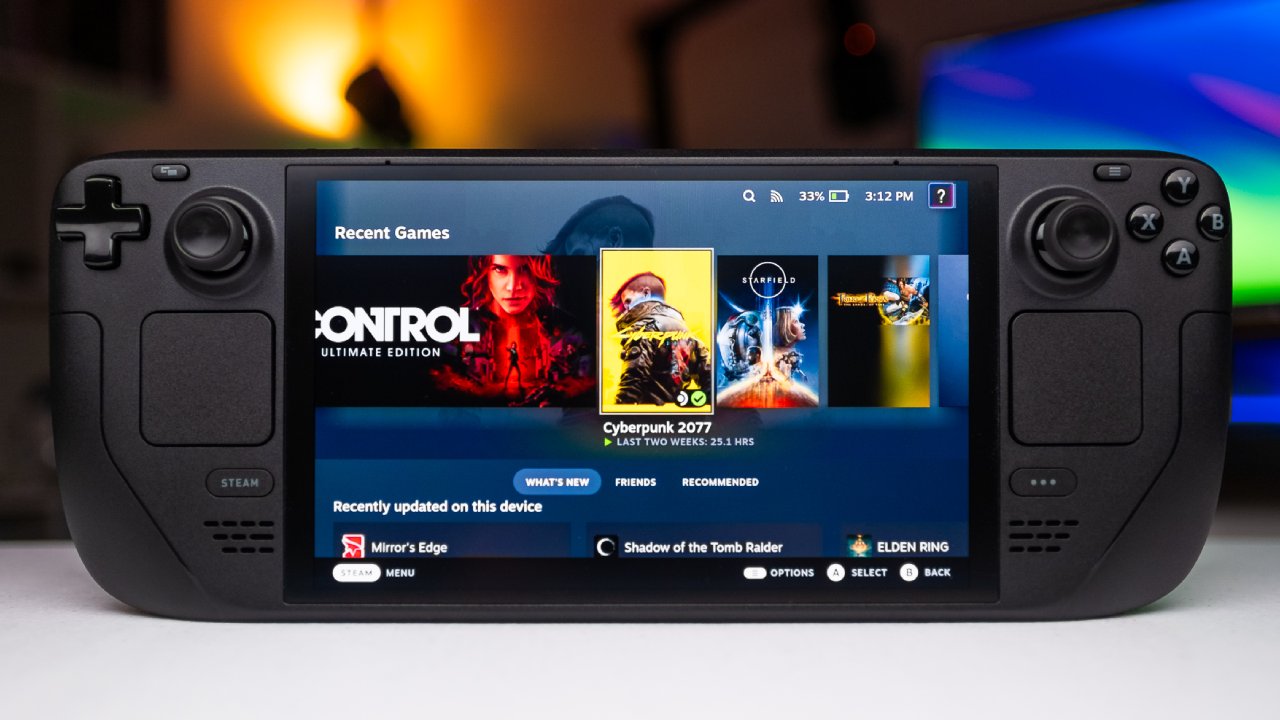
Choosing the Right Device
After a lot of testing, the Xbox Ally X is the portable we use the most. It has the best UI among Windows devices and strikes a good mix between power, storage space, and comfort. It has a lot of USB ports, which makes it more flexible because you can connect peripherals and AR gadgets to it. The Legion Go 2 has a great OLED screen, removable controllers, and a kickstand, but its UI and lack of dedicated navigation keys make it less useful for everyday usage.
The Steam Deck OLED is still a great alternative for people who want things to be simple and quick to get to. It offers fast updates, simple game administration, and a pricing that is easier to reach than that of many high-end handhelds. The ROG Ally might be a good choice for people who want a mid-range device that can access Xbox's library. It has the same power as a Steam Deck but costs less.
Personal Considerations
Think about what you like while choosing a handheld. Bigger or brighter screens, more USB connections, and quick zoom functions can make a big difference in how comfortable and easy to use a device is. If you read a lot of text in games, you need accessibility features like AR glasses support or the ability to zoom in.
In the end, you should buy a handheld game PC based on how well it works, how much it costs, how comfortable it is, and how good the software is. It's possible to find a device that works well for both games and traveling if you carefully think about RCMPS, resolution, chip, memory, price, and software.
The handheld gaming world is changing, and there are now powerful solutions that let you play PC games on the go without losing any quality.
Also, check our other articles below :
- ASUS ROG Ally X Handheld Review: Double the Battery, Double the Comfort
- Nintendo Switch 2 Vs. Original Switch 1: A Full Comparison
- How To Connect A Camera And Join Voice Chat With Nintendo Switch 2
- Nintendo Switch 2 Review: Handheld Performance, Features & Value Breakdown
- ROG Xbox Ally X Vs. ROG Ally X: Display, Battery & Controls
- ASUS ROG Ally X vs. Steam Deck OLED: Display, Battery & Gaming Benchmarks
- MSI Claw 8 AI+ Review: Display, Controls & Gaming
- Nintendo Switch 2 vs. Steam Deck OLED: Gaming, Performance, Battery, Display and Value
- PlayStation Portal Review: Remote Play, Cloud Streaming & Travel Gaming
- PlayStation Portal vs. Lenovo Legion Go: Best Portable Gameplay
- Cyberpunk 2077 Patch 2.3 FPS Test on MSI Claw 8 AI+
Senior Editor, NoobFeed
Gaming Hardware Updates
No Data.