
How Component Shortages are Changing PC Builds and Consoles
Memory supply constraints and premium hardware strategies continue to impact gaming systems and upgrade paths.
Hardware by Shinji Okazaki on Jan 23, 2026
Recent changes in the PC hardware market show that major manufacturers are having trouble sourcing parts, prices are rising, and their priorities are shifting.
The market is evolving in ways that directly affect how consumers buy, build, and update PCs. For example, there are empty store shelves, long-term memory shortages, leaked Steam Machine prices, and strange DIY solutions.
Shortages of Retail Hardware and the Secondhand Market
Retailers are now aggressively pushing customers to sell back old computers since there are so many of them. Stores are having a hard time keeping their shelves full because new desktop PC orders are taking longer to arrive due to supply constraints on memory. To keep their stock up, they are accepting used gaming PCs, business systems, and even non-gaming gear.
We are seeing a pattern similar to past hardware crises, but this time it extends beyond GPUs. All types of memory, SSDs, and whole systems are affected. As a result, the cost of used hardware has risen significantly. There are times when older CPUs sell for more than newer ones. This means that the market isn't fair for both buyers and sellers.
This means that technology that isn't being used may be worth more than you thought. It's also more expensive to play PC games or fix up an old computer, especially if you need new parts.
Memory Supply Problems and Priorities of Manufacturers
Memory makers have said that the existing shortages won't be fixed anytime soon. New fabrication plants are being built, but they won't be able to produce many more products until 2028. Right now, just around half to two-thirds of the world's memory needs are being addressed.
There has been a big change in how memory is distributed. Most of the production goes to big clients and prebuilt systems, which means there are fewer possibilities for items that go straight to consumers. Manufacturers say they are helping consumers through laptops and enterprise channels. Still, the decline in consumer-focused memory and SSD lines has made it harder for independent builders to find what they need.
For anyone who wants to upgrade, this means a longer wait or more money. Timing has become increasingly important if you are considering major modifications to your system.
Mini PCs with a Retro Look as an Option
Because there aren't enough supplies, some manufacturers are focused on niche designs. There are now mini PCs that look like old-school game systems. They have both familiar shapes and new hardware. Small but powerful enough for games, emulation, and everyday use, these computers are made to fit anything.
Configurations include current CPUs with built-in graphics, support for up to 64GB of RAM, and several M.2 storage slots that can hold up to 4TB of data per drive. The prices and release dates of these systems are still unknown. Still, they are being marketed as options for anyone who wants a compact form-factor PC but doesn't want to build one themselves.
These designs can strike a good compromise between usefulness and ease of use for you, especially if it's still hard to find typical desktop parts.
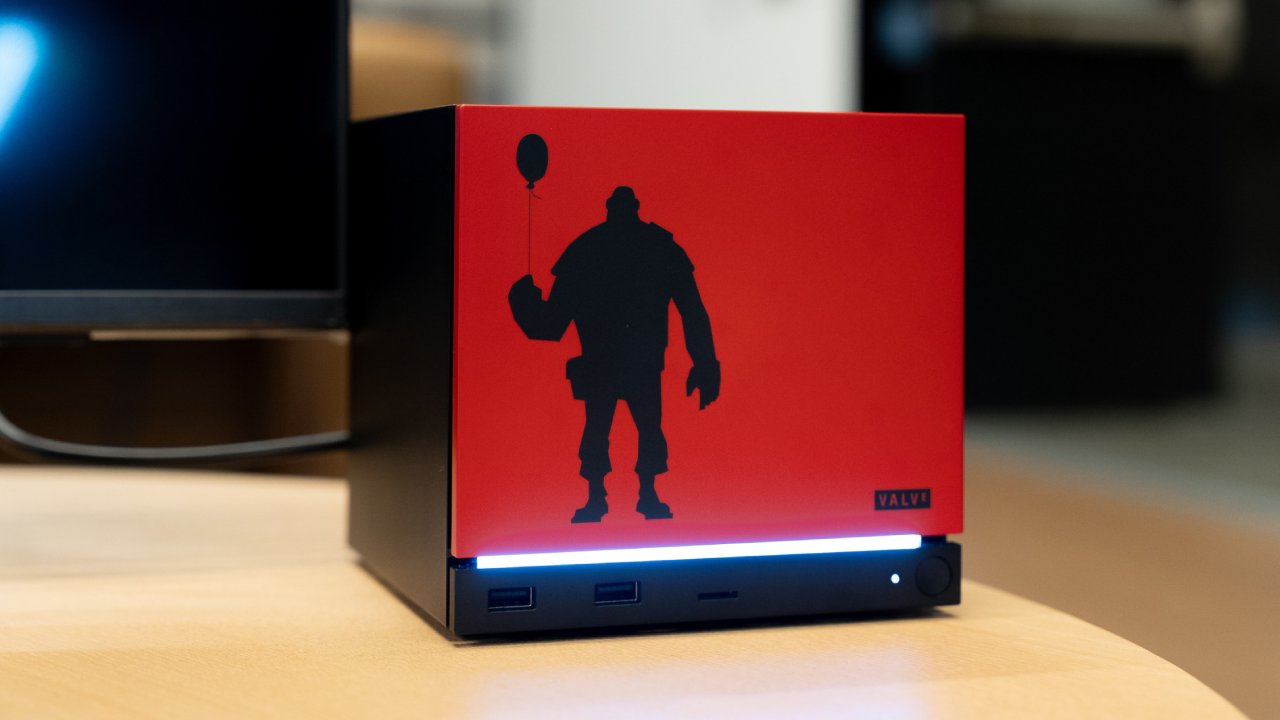
Steam Machine Price Leaks and Market Positioning
Leaked store listings show that the next Steam Machine might cost more than $1000. The exact price would depend on the storage choices picked. These numbers haven't been proven, and it's possible that stores are just raising prices. They do, however, show that system prices are going up even without help from the government.
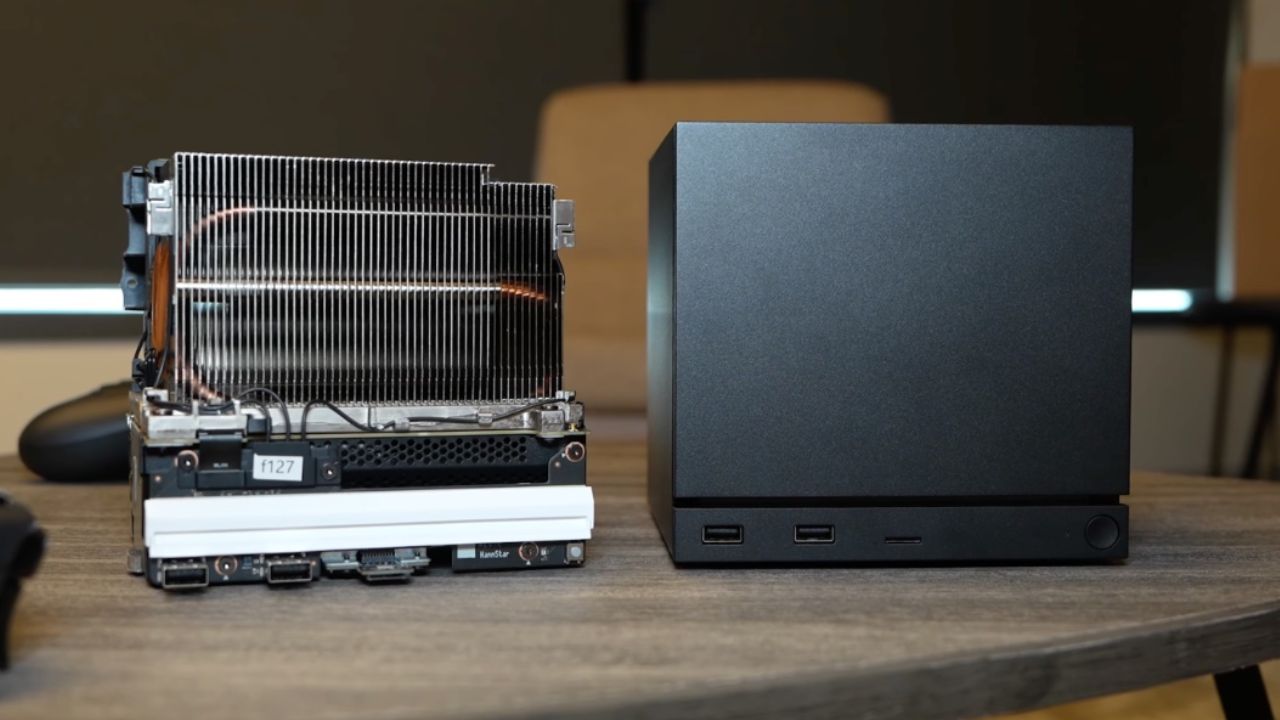
Steam Machine looks more like a PC than a standard console, and it isn't aimed at a large audience. Prices represent the costs of the parts, such as memory and storage, which are already under pressure, without hardware subsidies.
At this price point, the Steam Machine is more in direct competition with tiny-form-factor PCs than with consoles. It's up to you to decide whether the ease of use of a preconfigured SteamOS system is worth more than the option of building or buying a regular PC for the same price.
DIY Solutions and More Creative Thinking
As prices rise, some people are looking for strange ways to save money. It cost a lot less than what it would have cost in a store for the same amount of room.
People are reusing and changing things more and more these days to deal with shortages. Most people shouldn't do this, but it shows how people are trying new things because they can't get what they want.
If you like working with technology, repair and reuse may become more appealing as part prices remain high.
High-End GPUs and Their Power Needs
New flagship GPUs at the high end of the market are pushing power consumption to levels never seen before. Some models have power objectives of up to 1000W or more, while others are designed just for serious overclocking. These cards require high-capacity power supplies, and they are only made in small batches.
Prices haven't been set yet, but there won't be many of these things available, so most people won't be able to get them. For you, this widens the gap between enthusiast gear and practical gaming systems.
Final Thoughts
The current state of hardware suggests that problems will last longer than they are short-term. There will be memory shortages for a few more years, component prices will remain high, and new products will focus on small groups rather than a wide range of users.
If you want to update, you have three options: pay the current market price, wait to buy, or consider alternatives such as older gear or smaller systems. How much freedom you have and how important an upgrade is to you will determine the best course of action.
Also, check our other articles below:
- AMD Ryzen 9 9950X3D Review: Setting The Standard For 2025 Gaming CPU
- AMD Ryzen 7 9800X3D Review: 3D V-Cache Goes God Mode with Stunning Gaming Performance
- AMD RX 9070 Performance Review: Thermals, Clocks, and Real-World FPS
- AMD Ryzen 5 7600 Review: Best Budget Gaming CPU of 2025?
- AMD Radeon RX 7800 XT Review: RDNA 3 Power For Midrange Gaming
- Sapphire NITRO+ AMD Radeon RX 9070 XT Review: The Ultimate 4K Gaming GPU
- AMD Ryzen 7 7800X3D: Delivers Gaming Performance Far Beyond Expectations
- AMD Ryzen 9 7900X Review: Powering the AM5 Era with DDR5 & PCIe 5.0
- Intel Core i9‑14900K vs. AMD Ryzen 7 7800X3D: Power Profiles & Gaming Benchmarks
Editor, NoobFeed
Gaming Hardware Updates
No Data.