
DDR4 Prices Could Surge Again as Nova Lake and Zen 7 Emerge
Memory costs continue climbing while Intel Nova Lake leaks and AMD Zen 7 preparations reveal the next hardware generation.
Hardware by Nahe Yan on Aug 20, 2026
Memory prices keep rising as companies shift to HBM, DDR5, and higher-layer NAND. At the same time, leaks show that Intel's Nova Lake desktop CPUs are coming out, and AMD's Zen 7 architecture is already getting early software support. Together, they point to major changes in memory, desktop CPUs, and server hardware.
Things are getting worse and worse, starting with a new report from Morgan Stanley warning that DDR4 prices are expected to rise by 50% in Q3 of this year and another 10% in Q4. SLC NAND is also predicted to rise more than 50% in both quarters. If you're considering a new system with DDR4 to save on memory costs compared with DDR5, you'll likely want to do it soon.
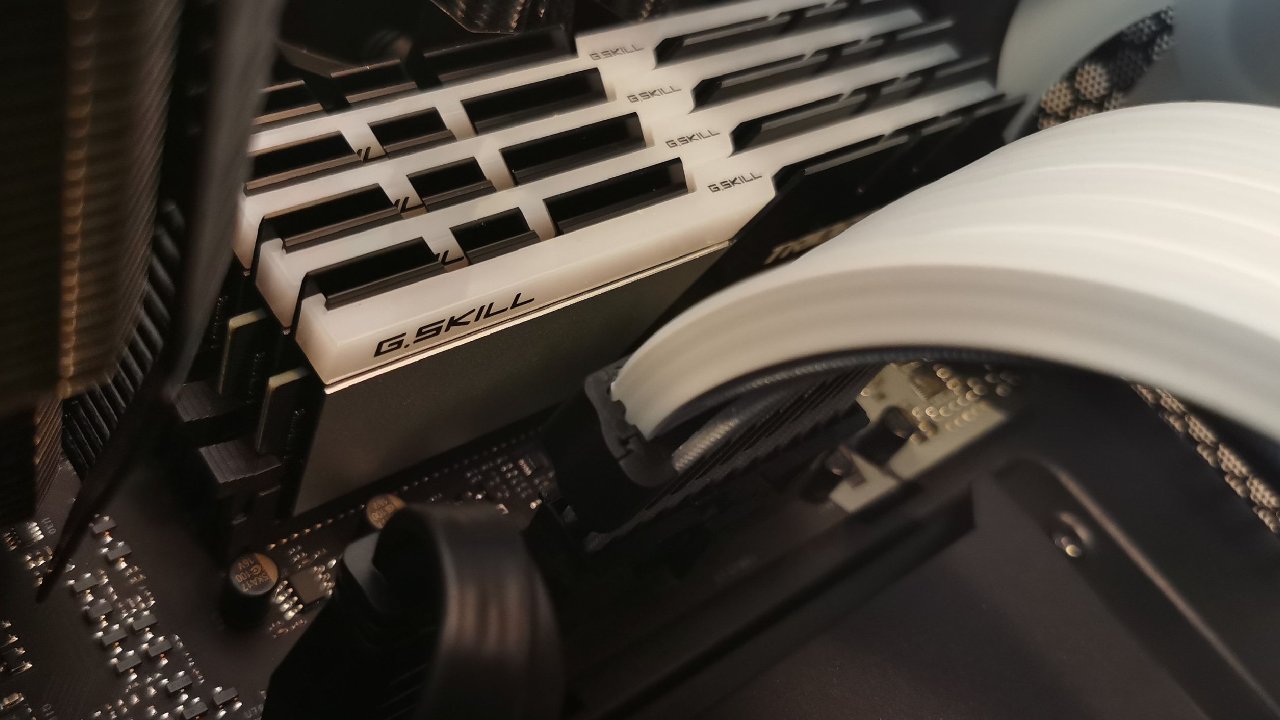
DDR4 and NAND Prices are Expected to Rise Further
According to the report, memory makers are driving the squeeze by shifting capacity toward HBM, DDR5, and higher-layer NAND. It is good that they're at least shifting some of it toward DDR5, but I highly doubt it'll be enough to change the pricing much. A move like this from older memory to newer standards is normal, but that's usually when the newer standards aren't five times the price of what they were just last year.
You might think five times is just an exaggeration to make a point, but no. Tom's Hardware analyzed PC Part Picker pricing data comparing August of last year to August of this year, and some of these numbers are insane. A 64GB DDR5-5600 kit averaged around $191 last August. Today, it's around $1,118. DDR5-6000 is even worse, going from roughly $222 to $1,272.
That's a 485% increase and a 473% increase in just 1 year. If you want to see just how far things have fallen, Tom's Hardware's current price tracker has a 128GB DDR5-6400 kit at $3,399. The lowest price they've ever tracked for that capacity and speed was $329. That particular kit is now more than 10 times its historical low.
This is what makes the Morgan Stanley report so concerning because those are the prices before the additional squeeze they're warning about fully plays out. Things are getting so bad that they're affecting major industries. According to new data from Counterpoint Research, sales of smartphones costing less than $100 in the US collapsed 64% year over year in Q2.
One of the biggest reasons is rising memory and storage costs. Some manufacturers have apparently stopped shipping these ultra-cheap phones altogether, while others have been forced to raise prices enough that they simply aren't $100 phones anymore.
Intel Nova Lake Starts to Look Interesting
Luckily, there is some good news because Intel's next-generation desktop CPUs are starting to look interesting. A brand new leak claims Intel is currently testing a Core Ultra 9 4950K, which should be part of the upcoming Nova Lake-S family. Intel's next-generation CPUs could come with a completely different naming scheme, suggesting how big a deal these chips might be.
Don't forget that just a few days ago, Intel's Robert Howlett claimed that Nova Lake would be one of the most significant desktop CPU launches the company has ever had. A name change definitely points to that possibility. The news doesn't stop with the name because the leaked chip reportedly has 28 cores split between 8 performance cores and 20 efficiency cores. According to the source, this engineering sample is already scoring close to 1,000 points in CPU-Z single-thread and 20,000 in multi-thread.
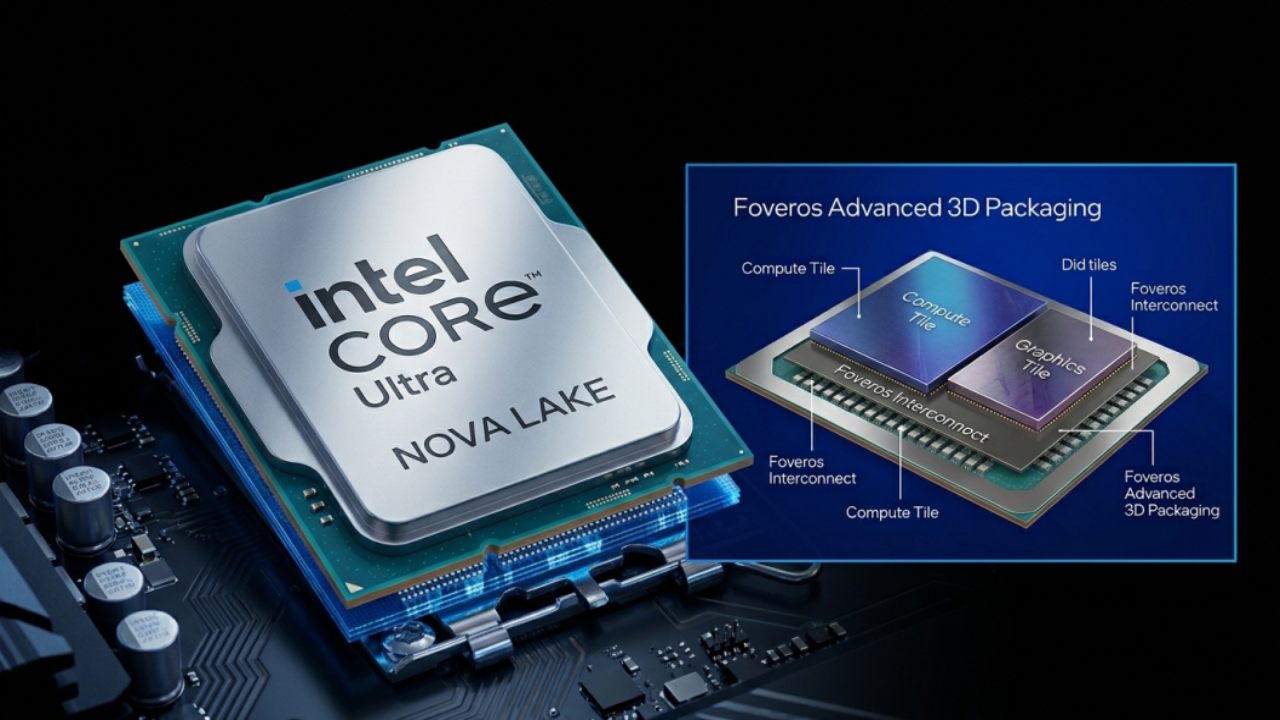
For context, a Core Ultra 9 285K sits around 890 single-thread and roughly 18,400 in multi-threaded performance in the same benchmark. If this leak is right, we could be looking at roughly a 12% jump in single-threaded performance and nearly 9% in multi-threaded performance before we're even talking about a final retail chip.
Remember, according to leaks, this isn't even the biggest Nova Lake configuration Intel is working on. Multiple leaks point toward much larger dual-tile designs further up the stack, along with special versions carrying absolutely massive amounts of cache. This 28-core chip could actually sit below Intel's true monster CPUs.
While Intel is giving it their all, AMD isn't slowing down either because somehow Zen 7 is already starting to show up in software, and we're still roughly 2 years away from the first chips launching. The newest beta version of AIDA64 just added what it calls preliminary support for AMD's Zen 7 server processors, according to AIDA64's official release notes. So, this part isn't a rumor.
To put that into perspective, AMD's Zen 6 EPYC chips already top out at 256 cores.
Preliminary support is likely just basic identification and platform groundwork, so the software is ready long before hardware reaches customers. The timing is pretty crazy because AMD only just publicly detailed its Zen 7 server roadmap last month, and apparently AMD has a lot planned. The company officially confirmed three Zen 7 EPYC families for 2028: Florence, Ferrara, and Fedenza.
AMD hasn't given us core counts or detailed architectural changes yet, but according to one leak from Moore's Law Is Dead, at least one Zen 7 series is set to come with an estimated 15% to 25% IPC uplift built on TSMC's A14 node and comes with chiplets that each have 48 cores for a total of 384.
If that leak is right, Zen 7 could add another 128 cores, or 50% more in just one generation. Obviously, we're talking about hardware that's still 2 years away. So, 384 cores and that IPC jump are absolutely not confirmed yet. AMD has confirmed Zen 7 EPYC for 2028, and AIDA64 is already preparing for it.
Editor, NoobFeed
Gaming Hardware Updates
No Data.