
DDR5 Prices Fall Fast While NVIDIA N1X and Intel Arc Shake Up PC Hardware
Intel's discrete gaming GPU roadmap faces uncertainty as Celestial reportedly disappears from future plans.
Hardware by Shinji Okazaki on Apr 28, 2026
The PC hardware ecosystem is rapidly evolving, with memory prices coming down, growing concerns about secondhand GPU scams, and big questions about Intel's gaming GPU plans. At the same time, NVIDIA is set to launch consumer CPUs, although reports so far indicate the release could be pushed back. A lot is happening now for PC enthusiasts.
If you're in the market for a new GPU in the near future, you need to watch out for scams that are increasingly difficult to detect. One recent example showed just how sophisticated these fakes are. Northwest Repair recently repaired a secondhand ASUS ROG Strix RTX 4090, bought on eBay It was allegedly from an Amazon pallet, but the card didn't work. At first, all seemed well. The PCB looked fine,, with no signs of damage.
RTX 4090 Scams Become More Advanced
But when examined with a microscope, it was a different story. The memory chips were fake. The GPU die itself was fake. Almost all of the components had been modified. The memory modules and the GPU package were both shaved and laser-engraved to mimic the real thing (GDDR6X memory and an RTX 4090).
The fakes were well done. It had the correct logos and part numbers, with no flux residue. The protective layer around the core had been reproduced, though the color was slightly off. Under a microscope, the PCB had small streak marks, indicating ultrasonic cleaning. Other signs indicated that the components had been altered before reassembly. As for what's under the hood, that's anyone's guess.
Northwest Repair notes this type of work would have almost certainly been done in a factory rather than a one-man shop. So you need to be very careful when purchasing used GPUs, particularly high-end ones.
The Future of Intel's Desktop Gaming GPUs Is in Doubt
It seems likely that Intel will be abandoning desktop gaming GPUs. Just weeks after Intel launched its first-generation Arc Alchemist GPUs, speculation emerged that Intel could scale back its discrete gaming GPU strategy. Battle Mage was likely to be given limited attention, with Celestial's desktop graphics capabilities uncertain.
Then, Intel's director of graphics, Raja Koduri, responded to these reports, but in a manner that emphasized the company's current plans rather than ruling out future product cancellations. That raised concerns. Subsequently, Raja Koduri resigned from Intel. Then, one of Intel's vocal graphics champions, Ryan Shrout, left.
The latest leak adds more to the speculation. A recently leaked roadmap of future Intel products reportedly did not include next-gen discrete gaming GPUs. In response, the leaker claimed that the desktop gaming version of Celestial (XE3P) was canceled some time ago. The next-gen Druid architecture is still unknown. If true, this will reduce Intel's share of the gaming GPU market. Everyone wins with more competition, and you can see why gamers are worried.
NVIDIA's First Consumer CPU Is Almost Here
NVIDIA's much-anticipated NVIDIA CPU is finally coming together. Moore's Law Is Dead has cited multiple sources claiming NVIDIA will announce its N1X at Computex this June and launch it in October 2026. But initial reports indicate that October may only be a "launch" on paper.
According to multiple sources, the project has been challenging, beset by bugs, software issues, and delays. NVIDIA and Microsoft are working to improve Windows on ARM compatibility. The hardware, on the other hand, looks impressive. N1X is rumored to be based on the full DGX Spark chip, built on TSMC's 3nm process. It potentially has up to 20 CPU cores and 6,144 Blackwell-based CUDA cores.
The same number of GPU cores as the desktop RTX 5070. It could have up to 128GB of LPDDR5X memory and 273GB/s memory bandwidth, making it somewhere between an RTX 5060 and RTX 5060 Ti. TDP is likely to be between 65W and 120W. Initially slated for Q1 2026, the release has been delayed. There's plenty of time for NVIDIA to iron out any issues, but expect some teething problems.
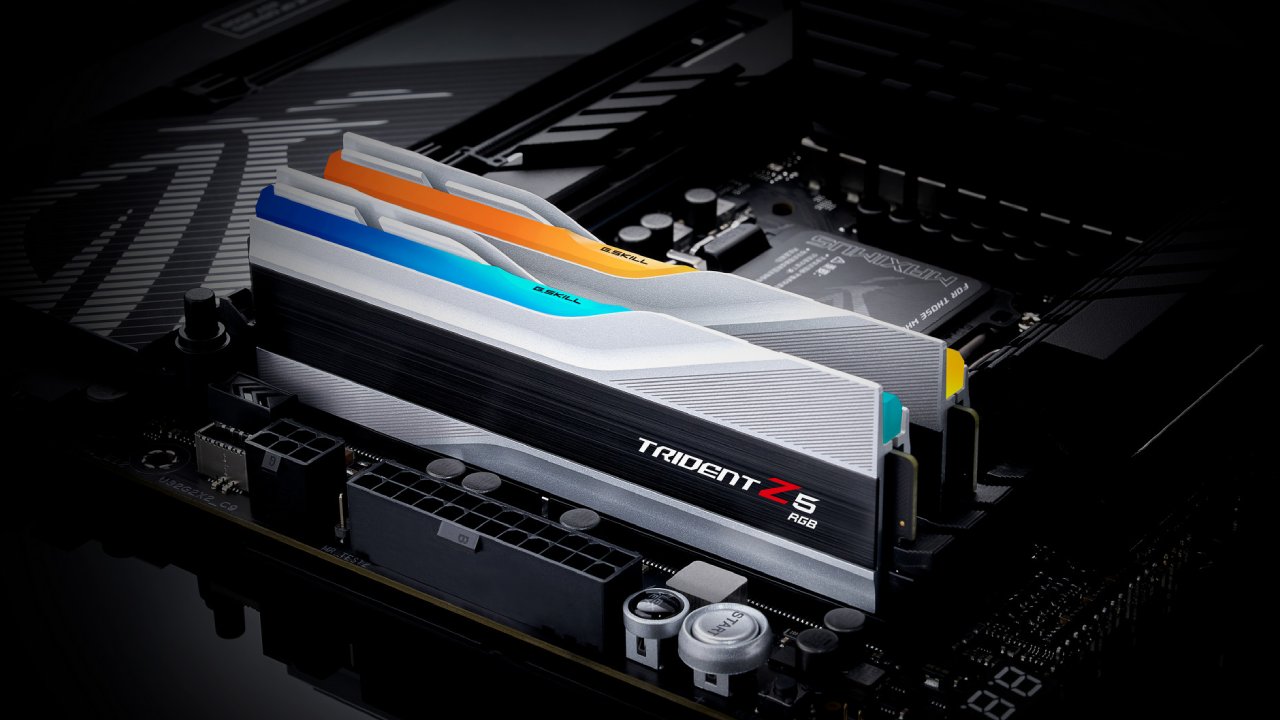
Memory prices are coming down.
With early price drops in some areas, it was easy to assume prices would soon rise again. But prices have continued to drop. In its latest survey, Akiba PC has found a range of DDR5 kits at their lowest prices for four months. The biggest decline was in 64GB DDR5-4800 kits. The drop was 21,800 yen (21.8%), which brought the average price down to $489.
While this is still well above the level people would prefer to pay, it is a significant drop from where prices have been. We all wish we could see high-capacity DDR5 kits for closer to $200, but beggars can't be choosers. If this continues, it might be worth waiting a bit longer for your next memory upgrade.
Editor, NoobFeed
Gaming Hardware Updates
No Data.