
Intel Raptor Lake NEXT Rumored for 2027 as DDR4 Demand Revives LGA 1700
Intel's rumored Raptor Lake NEXT lineup could extend DDR4 relevance and preserve LGA 1700's value proposition.
Hardware by Masaru Hoshino on Jun 16, 2026
The PC hardware industry has a habit of moving on quickly. New sockets replace old ones, memory standards evolve, and builders are often encouraged to abandon perfectly functional platforms in pursuit of the latest technology. Yet if recent reports are accurate, Intel may be preparing one of its most surprising platform extensions in years.
Intel is reportedly working on a new CPU lineup called Raptor Lake NEXT, a third refresh of the Raptor Lake architecture that could arrive in early 2027. On paper, the idea sounds almost unbelievable. Raptor Lake launched years ago, and Intel has already refreshed the architecture multiple times.
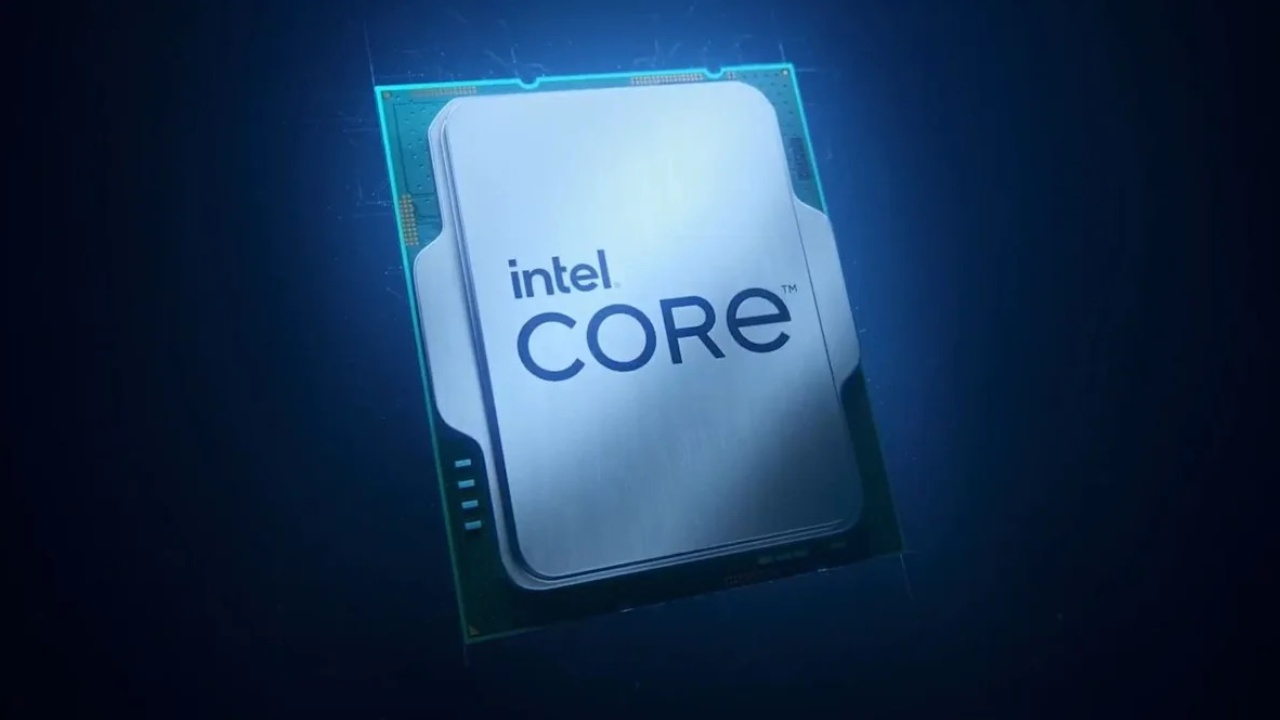
However, current market conditions have created an unusual opportunity. Older systems are looking considerably more appealing than many analysts anticipated, with DDR5 memory prices continuing to rise and budget-conscious consumers seeking economical ways to upgrade.
If the rumors are to be believed, perhaps Intel is cooking up a strategic response that has less to do with technology innovation and more to do with market economics.
Raptor Lake NEXT: Intel's Most Practical CPU Launch in Years
Industry rumors say Intel is working on a new family of CPUs under the Raptor Lake NEXT name, with an eye toward the first half of 2027. Rather than launching a new architecture, the portfolio would apparently prolong the life of the existing LGA 1700 socket, allowing users another generation of CPUs that work with mature motherboards and low-cost DDR4 memory.
Keep expectations realistic, technically. It is unlikely that a third update will lead to any big architectural breakthroughs. Rather, Intel could boast of refined production, mild frequency gains, power optimization, and new product positioning for entry-level and mainstream buyers.
That may sound uninspiring compared to the excitement surrounding next-generation architectures, but it addresses a problem many builders face today. The biggest obstacle to affordable PC upgrades is no longer necessarily the processor itself. Increasingly, it is the platform cost attached to modern systems.
A new CPU is manageable. A new CPU, motherboard, and expensive memory kit purchased simultaneously is a very different financial calculation.
The Real Story is DDR5 Pricing
The most important part of the Raptor Lake NEXT rumor is not the processor architecture. It is memory. Industry sources indicate motherboard manufacturers have been increasing production of DDR4-based boards, including both LGA 1700 and AMD's AM4 ecosystem. That trend reflects growing demand among budget builders seeking alternatives amid rising DDR5 prices.
Memory pricing has always moved in cycles, but current market dynamics have created pressure across the entry-level PC segment. As DDR5 becomes more expensive, many consumers are finding that the promised performance gains are not always substantial enough to justify the additional platform costs.
For gamers focused on value rather than benchmark records, a mature DDR4 ecosystem remains surprisingly attractive. Reliable memory kits are widely available, motherboard options are plentiful, and years of BIOS refinement have produced stable, predictable systems.
Viewed through that lens, a new generation of processors designed specifically for DDR4-compatible platforms begins to make considerably more sense.
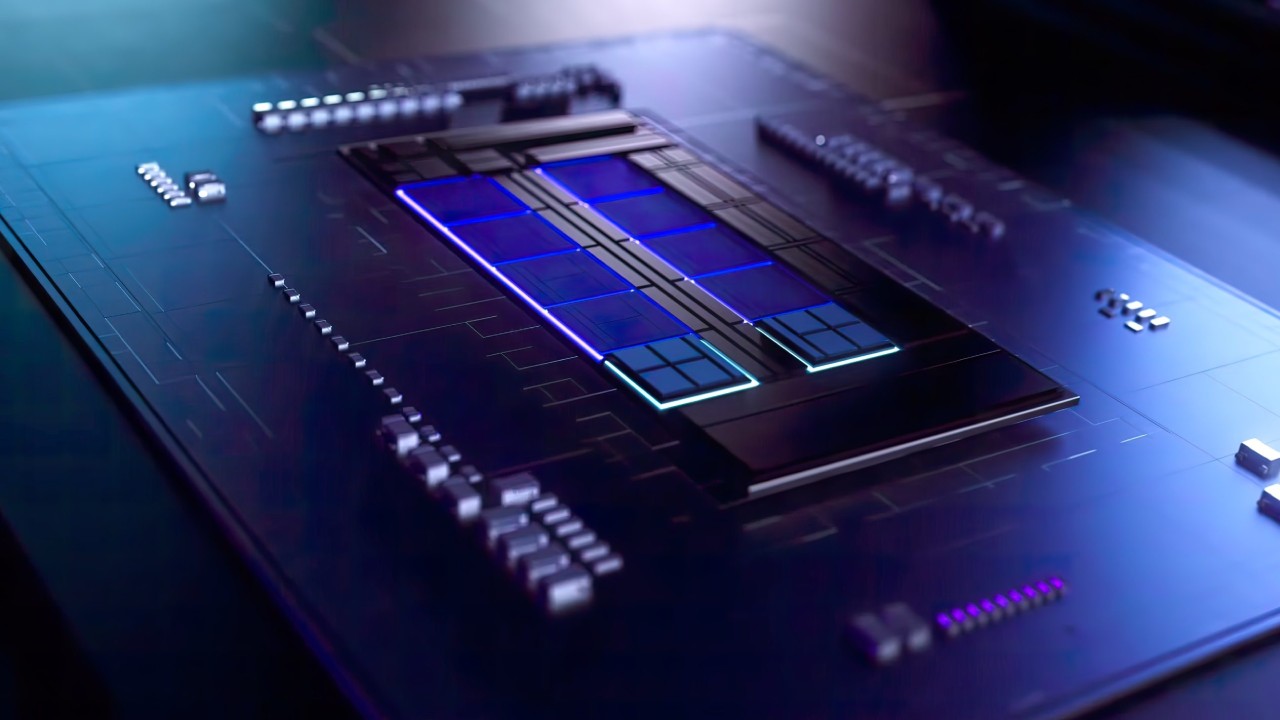
Intel is Borrowing a Page From AMD's Playbook
Perhaps the most fascinating aspect of this rumor is the strategic shift it represents. For years, AMD earned praise for extending the life of the AM4 platform. Consumers could often upgrade processors without replacing their motherboard, creating a level of long-term value that became one of AMD's strongest competitive advantages.
Intel traditionally followed a different philosophy. New generations frequently arrived alongside new platform requirements, creating shorter upgrade cycles and higher overall costs.
If Raptor Lake NEXT becomes a reality, Intel would effectively adopt the same philosophy that helped AMD maintain strong goodwill among budget-conscious enthusiasts.
The comparison is difficult to ignore. AMD demonstrated that platform longevity can become a powerful selling point. Intel now appears ready to test whether the same strategy can work for the aging but still highly capable LGA 1700 socket.
In many ways, this is less about copying a competitor and more about responding to market realities. As consumers become more concerned about affordability, prolonging the platform's lifespan is a better business move.
Competing With Nova Lake Coexisting With Nova Lake
The leaks also mention that Raptor Lake NEXT is expected to come alongside Intel's forthcoming Nova Lake chips. On the surface, launching two very dissimilar product lines at once seems counter-intuitive. In practice, it might lead to a highly fragmented strategy targeting numerous groups at once.
Enthusiasts, performance gamers, content makers, and early adopters ready to spend on the latest technology and platform features would certainly appreciate Nova Lake.
Meanwhile, Raptor Lake NEXT could be the ultimate economical choice. That would allow builders to use contemporary Intel processors without paying the entire price to hop to a new memory standard and motherboard ecosystem.
This is similar to what we see in the graphics card market, where older designs still serve value sectors while premium consumers transition to next-gen products. Remaining relevant at both ends of the market could be especially crucial for Intel in an era of unpredictable component pricing.
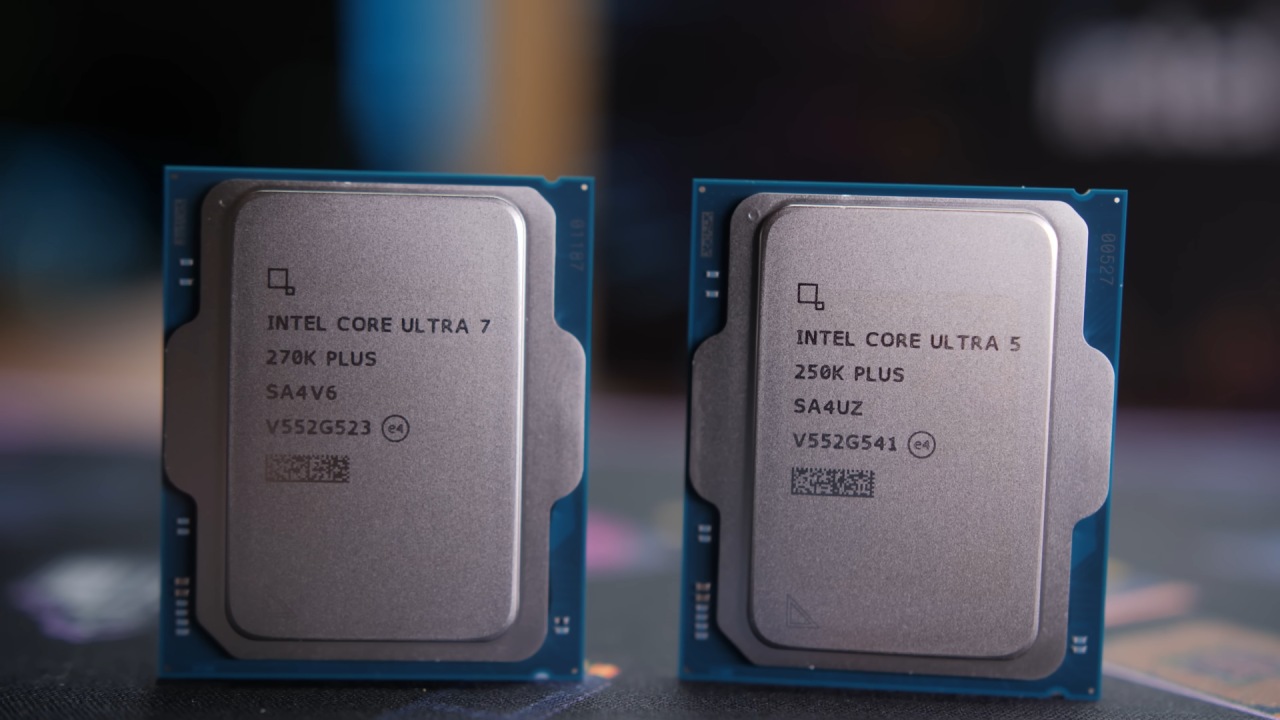
Why LGA 1700 Remains Relevant
The fact that LGA 1700 is still relevant says a lot about the PC business today. The socket already supports a wide range of processors spanning multiple generations. Motherboards are widely available, cooling compatibility is well understood, and system builders have years of accumulated experience working with the platform.
Most importantly, it represents one of the last mainstream pathways into affordable DDR4 gaming systems.
For consumers building machines focused on esports titles, productivity workloads, or mainstream gaming, the platform still delivers more than enough performance. The value proposition becomes even stronger if Intel introduces another CPU refresh that extends system life well into the latter half of the decade.
What once looked like an aging platform increasingly resembles a safe harbor for cost-conscious buyers.
Editor, NoobFeed
Gaming Hardware Updates
No Data.