
NVIDIA N1X Laptop APU Faces Major Delays and Stability Issues Before Launch
NVIDIA's delayed N1X APU faces persistent software instability, raising concerns about real-world performance and launch readiness.
Hardware by Tanvir Kabbo on Apr 27, 2026
The much-anticipated debut of Nvidia's high-performance laptop APUs has been fraught with setbacks, technical issues, and growing speculation. What started as a bold effort to disrupt the mobile computing industry has become a tale of delays, software bugs, and mixed industry sentiment.
Way back in 2024, it was exclusively reported that Nvidia was developing a Strix Halo-like mega laptop APU. The first leak didn't provide much detail, but it did suggest the chip would have a similar TDP, a powerful MPU, and involve Dell. This has proven to be accurate.
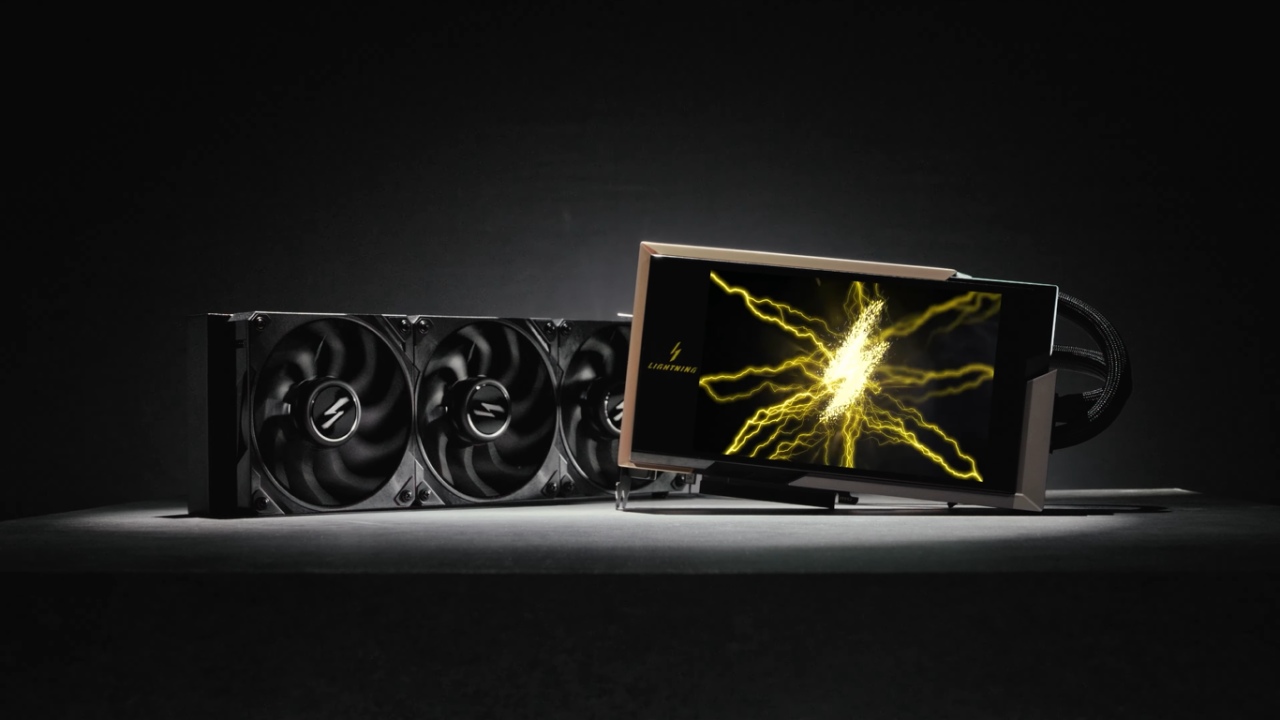
As time wore on, details were added. Silicon running at 65W was reported to have gaming performance on par with an RTX 4070 laptop GPU. The chip reportedly had 20 ARM cores (10P and 10E). It was also revealed that the silicon was used on Nvidia's Project DIGITS platform.
Images of prototypes leaked well before the expected launch date, suggesting that development had been underway for some time. The product was originally scheduled for early 2016, then pushed back to late 2016. Now the product is well behind schedule, and questions are being asked about its stability.
Software Instability and Strategic Shifts
Instability has been a major cause of many delays. According to sources, there are ongoing issues with silicon, software, and ARM on Windows. These issues appear to have spurred Nvidia's strategy shift.
It is strongly suggested that Project DIGITS and other AI systems were prioritized for deployment as they enabled Nvidia to deploy the silicon in niche markets. Such systems do not need to be as robust as consumer laptops, and thus are less risky to ship first.
The fact that the laptops have been tested, have been working for more than a year, and have not yet been released indicates that the problems that occurred during testing have been resolved. There were even concerns that it would never go to market.
New Release Date and OEM Perspectives
There have been recent reports from several sources that the project isn't dead and is nearing release. One Nvidia partner claimed that launch preparation should be wrapped up in 2-3 months, with the paper launch in Q4 2026. Mass shipments for gaming laptops are likely in Q1 2027.
A second source from a major OEM confirmed that Computex will see an announcement, possibly with an October launch. But there are doubts about a successful launch, with many believing the release will end up as "paper launches."
Still, it is said that Nvidia and Microsoft are "still ironing out bugs" and that development is "very difficult."
Specifications and Performance Expectations
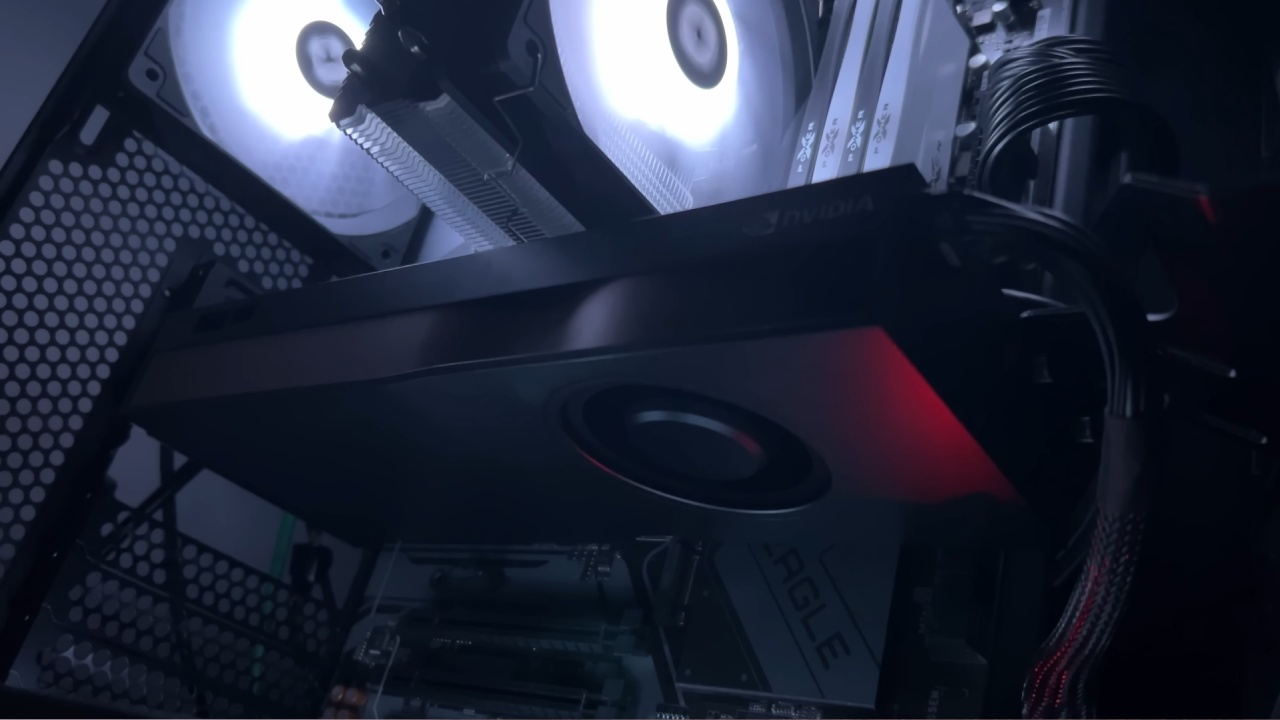
N1X APU is fabricated using TSMC's 3nm process. It also integrates ARM CPU cores with Nvidia's Blackwell GPUs. It has 20 CPU cores (10P+10E) and 6,144 CUDA cores, the same as an RTX 5070.
This seemingly positions it ahead of rival APUs such as Strix Halo, which has around 20% fewer GPU cores. But it is bandwidth-limited. The LPDDR5X memory bus is just 256 bits wide, which is much less than GDDR6 or GDDR7. It is more like RTX 4060 Ti.
This limit means that the performance is likely to be somewhere between that of a desktop RTX 5060 and RTX 5060 Ti. This estimate is based on the best-case scenario, which includes a working ARM driver for Windows. There are, however, speculations that the performance could be as low as half of what was expected.
Market Positioning and Competitive Outlook
Assuming no hiccups, the N1X could perform well on compute-intensive tasks such as rendering and content creation. It's well-suited for these workloads thanks to the combination of CUDA cores and the Blackwell architecture.
In gaming, results may vary. It may indeed outperform Strix Halo, but bandwidth and power distribution issues may not allow it to keep up consistently. Power consumption may also enable other designs, like Panther Lake, to keep up.
A bigger issue is time. By the time N1X becomes widely available in 2027, next-generation products from AMD (Zen 6-based APUs) and Intel (Nova Lake AX) will deliver substantial performance improvements. Even if N1X is successful, it may have a short lifespan.
The Laptop Industry's Sentiment
But behind the scenes, doubts remain. Some doubt it will even work properly in consumer laptops. Here, Public opinion is also mixed; there are complaints about other platforms, such as Nvidia's Spark mini computers.
History has seen both winners and losers. While some previous designs, like RDNA1, had exceeded expectations, others, such as Meteor Lake, missed even conservative estimates. N1X could be either.
The design of a new chiplet APU with ARM support for Windows is complex. Even rival designs such as Strix Halo have been delayed. But N1X seems to be encountering even more difficulties.
If NVIDIA can resolve its software and stability issues, N1X could be a success.
Especially for compute-oriented tasks. Gaming performance may be solid but not consistent. But the delays, bugs, and rapid innovation from rival companies indicate that any performance gains will be short-lived.
The true measure of N1X's success will not only be its raw performance, but also whether Nvidia can get a product to market quickly and bug-free to keep up with the competition.
Senior Editor, NoobFeed
Gaming Hardware Updates
No Data.