
PS5 Prices Stay Stable Amid a Global Memory Crisis—But For How Long?
Sony’s clever stockpile protects gamers for now, but DRAM shortages could make consoles a luxury soon.
Hardware by Zahra Morshed on Feb 15, 2026
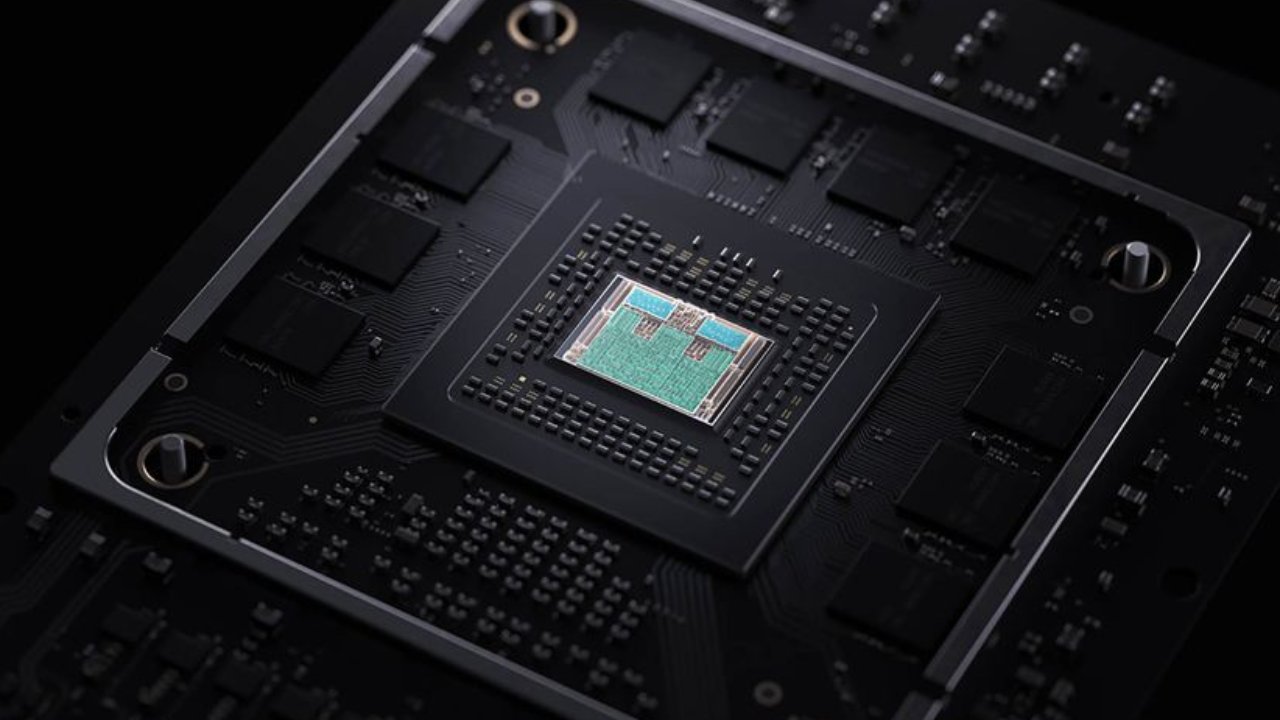
In 2026, the console market is in a unique crosscurrents state where hardware economics and strategic supply choices affect not only what gamers can get but also how much it will cost. At the heart of it all is a global memory crisis, which is a structural squeeze on DRAM and other memory chips that has sent prices through the roof even though demand from AI infrastructure keeps going up.
Prices for consumer memory have gone up a lot because big chipmakers are putting high-margin memory for AI and corporate servers first. This means that the gaming and PC markets have less memory and higher prices. Memory shortages and rising prices are not one-time events, according to experts.
.jpg)
They are part of a larger trend in the industry that is not likely to end quickly until late 2027 or even 2028.
Because of this, Sony has taken a practical approach to the PS5. The leaders of the company have stated that they have secured enough memory to keep making PS5s at least until the end of the 2026 holiday season. This includes busy times, like when GTA 6 comes out later this year.
This keeps the PS5 from having to deal with the instant effects of memory shortages and keeps prices from going up quickly, which happened in the market in the past. The chief financial officer of Sony said that the company "intends to minimize the impact" of the ongoing RAM crisis and keep the price of the console stable all year.
Sony is in a better strategic situation than some of its competitors because it has a large memory inventory. Most of the global DRAM market is controlled by three big memory companies: Samsung, SK Hynix, and Micron. As they move toward AI-focused goods, they have made it hard to get cheap memory for consumers.
Analysts say that this imbalance between supply and demand for memory will persist, with contract prices going up and output only slightly rising in 2026.
That trust in the production chain gives Sony options. The price of PS5 hardware has stayed the same this year, but the company is changing how it makes money so that it relies more on software sales, digital services, and payments instead of just hardware sales.
This is similar to a larger trend in the console market: software and service profits help make up for the cost of expensive parts. That is, the price gamers pay for hardware is likely to stay the same in 2026. This is a big change from the early fears that device prices would go up across the board because of the memory crisis.
That doesn't mean that the memory problem is fixed for good. Chip makers and people who predict the future of the industry both say that shortages are permanent and will last past 2026. The market for DRAM and high-bandwidth memory (HBM) is likely to stay tight for many years to come, according to recent comments from memory suppliers.
Prices of parts for PCs, smartphones, and game systems may keep going up because memory makes up a big part of their bills of materials.
Analysts expect price increases of 30 to 50 percent or more every three months in some areas because of high demand and limited production capacity. This year, Sony has pretty much locked in supply and kept prices stable until the busiest shopping times in 2026.
This is a smart move that helps both customers and stores. If gamers are looking at PS5 stock, especially before big holiday launches, they can be sure that it won't quickly run out because of a lack of memory.
This is different from worries in the industry as a whole. Reports say that analysts are keeping a close eye on next-generation systems like the PS6 and the next Xbox. Some have even said that their launches might happen later than usual because of ongoing memory problems and price pressures.
For the average gamer, what counts most is how much something costs right away and how much is in stock.
It looks like Sony's current plans are meant to keep PS5 system prices from going up again in 2026, even though memory costs are still high. This stability lasts through the holidays, which are usually the busiest time for system sales. This makes sure that both new and old PlayStation fans can still get their hands on PS5s without having to deal with sudden price increases.
Longer term, though, it's still smart to be careful. As long as memory is scarce and expensive, game markets may see smaller price changes in things like software, accessories, and digital subscriptions, even if the base price of consoles stays the same for now.
The stable price of the PS5 in 2026 is one of the more surprising events in a year marked by problems with the supply chain and big game releases. People have more time thanks to Sony's proactive inventory strategy, but the memory crisis in the business is still very much alive. Analysts, gamers, and stores will all be keeping an eye on how the memory market changes, especially as the next generation of hardware hits the market.
Contributor, NoobFeed
Gaming Hardware Updates
No Data.