
PS5 Pro Graphics Upgrade Could Finally Justify the $700 Price Tag
PS5 Pro receives PSSR 2.0 upgrade offering sharper visuals, individual hair rendering, and noticeable performance improvements across supported games.
Hardware by Tanvir Kabbo on Mar 02, 2026
The latest developments around PlayStation hardware and platform strategy have sparked major discussion across the gaming industry.
From a significant graphics boost for PS5 Pro to speculation about a future handheld, and ongoing uncertainty surrounding Xbox’s multiplatform direction, there is a lot unfolding at once.
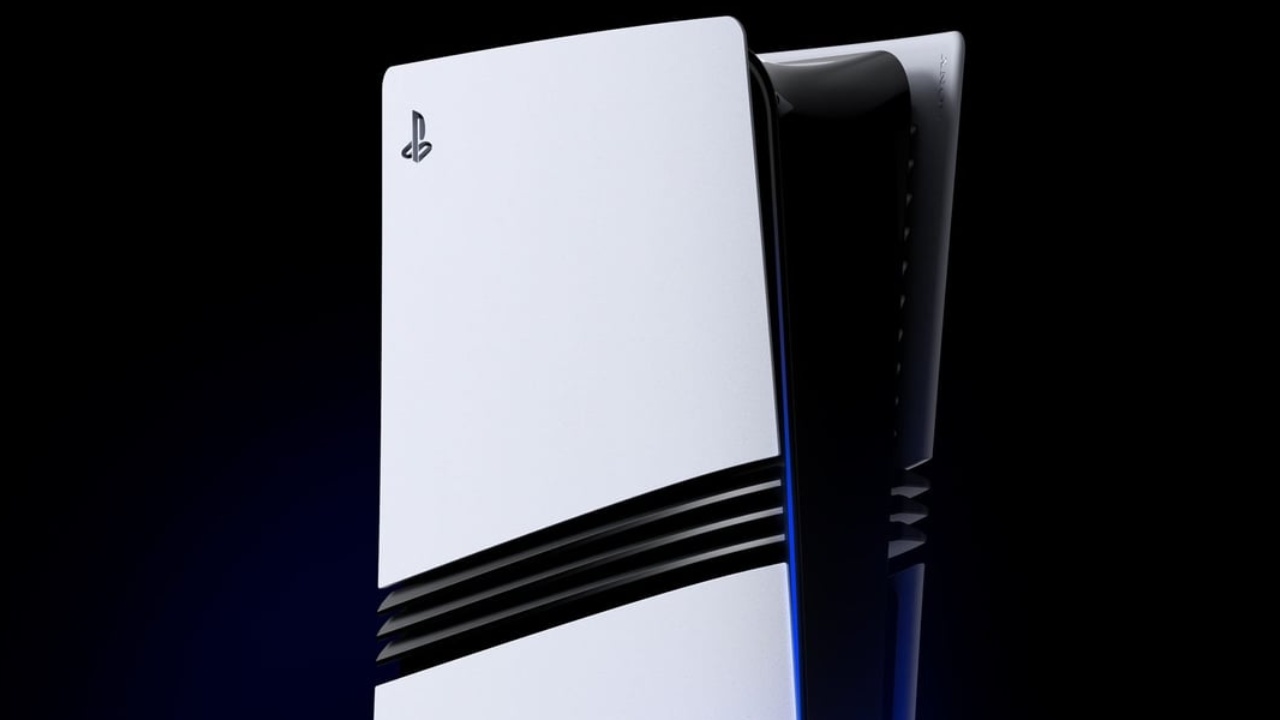
PS5 Pro Finally Delivers the Graphics Boost
Sony absolutely delivered with the graphics boost for PS5 Pro. We have been waiting for this moment, and it finally feels real. After staying up far later than expected playing Resident Evil Requiem, it became clear that the game is living up to and exceeding expectations.
Playing as Grace is awesome, playing as Leon is even better, and the camera perspective switching works beautifully. It defaults to first-person for Grace in a Resident Evil 7 style, then shifts to third-person for Leon, blending Resident Evil 4 Remake energy with the better elements of Resident Evil 6. It feels like a masterclass in Resident Evil design and, if it keeps up this pace, it is easily the best one since 4.
If you have a PS5 Pro, you should absolutely be playing it because it is the first game to use the upgraded version of PSSR. Only Resident Evil Requiem currently has the update, with the broader release coming in March.
Comparing PSSR1.0 and PSSR2.0 is immediately noticeable. The difference is not subtle. Hair rendering in particular shows the leap forward. With PSSR1.0, hair looks muddy, slightly shimmery, and blurry. With PSSR2.0, you can clearly see individual strands. It is a clean, sharp improvement.
Frame rate improvements are harder to judge because we cannot run PSSR1.0 and PSSR2.0 side by side on PS5 Pro for direct comparison. Resident Evil Requiem is already extremely well optimized across platforms, so it is not the ideal stress test. You would rather see something like Silent Hill 2 or Metal Gear Solid Delta: Snake Eater pushing the hardware.
The biggest surprise is that Sony removed the dependency on developers. If you want to use the new PSSR version, you simply toggle it in your PS5 settings under enhanced PSSR resolution. That means even if games never receive boutique patches, you can still benefit from the system-level upgrade. If results remain as strong as they are in Resident Evil Requiem, this could finally make PS5 Pro feel worth it.
In hindsight, Sony probably should have delayed the PS5 Pro launch until this update was ready. We are now a year into the console’s lifecycle, and only now does it feel like the hardware is being fully realized. Still, if you already own one, you are getting a massive upgrade.
Gran Turismo 7 on Switch 2 and the Handheld Theory
Reports suggest Sony got Gran Turismo 7 running on the Nintendo Switch 2. At first glance, that sounds like a potential port. However, it seems more like testing for something bigger.
If Sony is allegedly pulling back on single-player PC releases and focusing on PlayStation exclusivity, it makes little sense to port Gran Turismo 7 to Switch 2. From a racing sim perspective, PC is the ideal platform due to full sim rig setups and hardware flexibility. A handheld version of Gran Turismo feels even less logical.
Instead, it appears Sony may be testing feasibility for a future handheld. If they can get a demanding first-party title running on a Switch 2 dev unit, they can evaluate performance targets and optimization challenges before finalizing their own hardware. Handhelds are currently limited by x86 chips, which power PS5 and Xbox Series X. Meanwhile, ARM architecture, like what powers Switch 2, delivers strong performance at lower wattage and lower TDP, improving battery life and thermals.
Sony is rumored to be sticking with x86 for both their handheld and PS6, but testing on different hardware architectures could inform future decisions. Releasing a handheld first, followed by PS6 later, could be a smart strategy to challenge Nintendo’s dominance in portable gaming.
A handheld capable of playing native PS5 games would be transformative. Once you use a handheld like the Steam Deck, clearing a backlog becomes incredibly convenient. Being able to take PS5 games anywhere would reinvigorate the ecosystem and give players new flexibility without relying on separate handheld-specific titles.
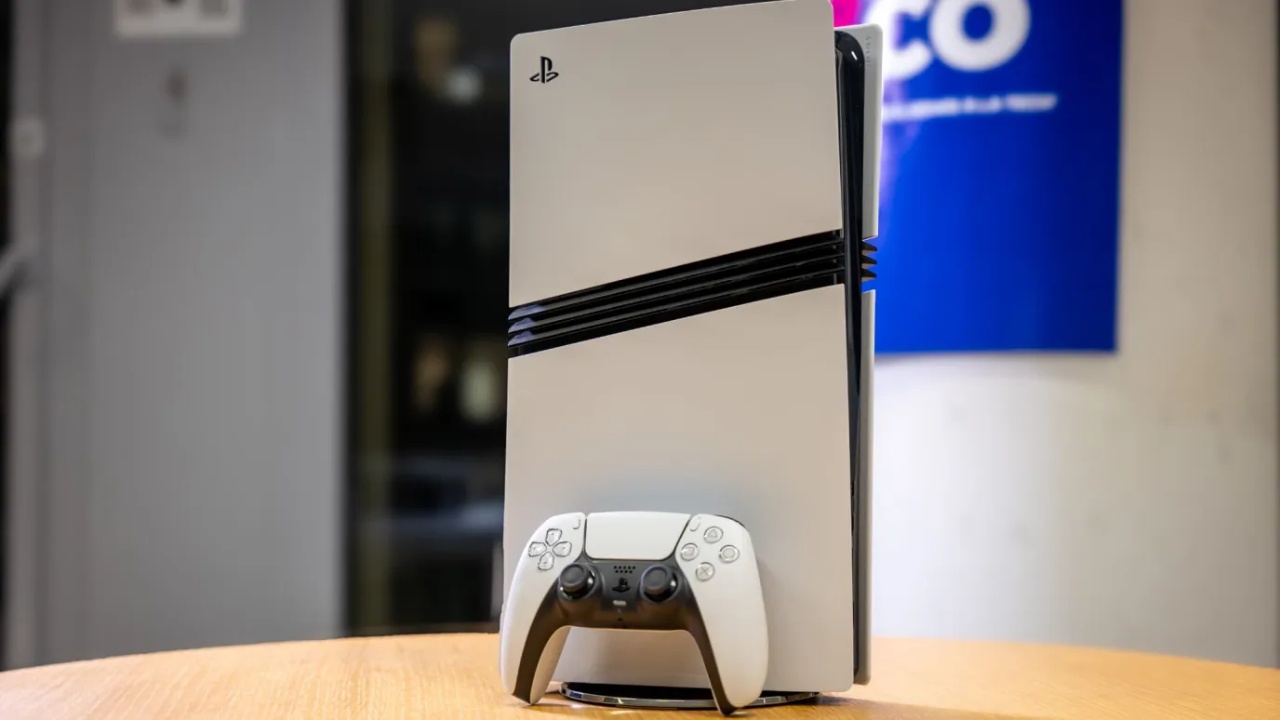
PSSR 2.0 Patent and the Future of Upscaling
Sony has patented PSSR 2.0, and the timing suggests the full rollout is imminent. The goal is clear: cleaner upscaling, reduced shimmering, fewer artifacts, and better shadow handling. Games like Silent Hill 2 have suffered from shimmering and blockiness under PSSR1.0, sometimes looking worse than their base PS5 versions.
A stronger upscaler allows lower internal resolutions while still outputting clean 4K or 1440p images. On PC, DLSS often produces better results than native anti-aliasing. If Sony can approach that level with PSSR2.0, it will significantly improve PS5 Pro’s value.
The main challenge remains convincing publishers to update older titles. Many third-party games shipped with PSSR1.0 and only performance modes, leading to compromises in both visuals and frame rates. Hopefully, future titles will standardize on PSSR2.0 and avoid those issues entirely.
The Decima engine, used in Death Stranding and Horizon Forbidden West, has consistently delivered strong upscaling and performance. If Sony spreads that technology across more studios, visual consistency could improve significantly across the platform.
For those who spent over $700 on a PS5 Pro, it should never feel like a regression compared to base PS5. It does not need to feel like a next-gen leap, but it must always be better. If PSSR2.0 delivers cleaner visuals and improved frame rates consistently, that expectation will finally be met.
Xbox’s Multiplatform Reality
The final major discussion revolves around Xbox’s leadership changes and multiplatform strategy. Recent comments from Xbox’s new CEO suggested that nothing is off the table regarding PlayStation ports. While the statement sounded open-ended, the financial reality suggests otherwise.
Xbox hardware sales have been declining quarter-over-quarter and year-over-year for multiple years. Game Pass offsets development costs, but massive titles like Doom, Elder Scrolls 6, Fallout 5, and Call of Duty require enormous revenue streams. Pulling those titles from PlayStation would mean losing access to one of the largest console ecosystems.
From a pure business standpoint, abandoning PS5 support in the next 5 years seems unrealistic. For Xbox to stay profitable on big launches, it needs money from PlayStation and PC platforms. Exclusivity might help a brand, but in the end, money is what drives strategy.
The field is changing swiftly. Sony is improving the performance of the PS5 Pro, possibly getting ready to make a handheld, and tightening its first-party approach. Xbox is dealing with the realities of multiple platforms. The next few years will likely redefine how hardware, software, and ecosystem strategies evolve across the gaming landscape.
Also, check our other hardware articles:
- AMD Ryzen 9 9950X3D Review: Setting The Standard For 2025 Gaming CPU
- Amazon Luna 2025 Review: Is Prime Gaming's Cloud Service Your Go-To For Casual Fun?
- AMD RX 9070 XT Review: AMD's RDNA 4 Champion for 1440p Gaming
- GeForce Now Ultimate: Ditching Your Gaming PC For Cloud RTX 4080 Power?
- NVIDIA GeForce RTX 5080 Review (2025): Still A 4K Gaming Powerhouse?
- Intel Core Ultra 9 285K Review And Performance Breakdown (2025)
- AMD Ryzen 7 9800X3D Review: 3D V-Cache Goes God Mode with Stunning Gaming Performance
- Intel Core Ultra 9 285K vs AMD Ryzen 7 9800X3D: In-Depth Gaming Performance and Benchmark Comparison
- NVIDIA GeForce RTX 5080 Super Performance In Cyberpunk 2077: Path Tracing & DLSS 4.0 Tested
- AMD Radeon RX 9070 XT In Cyberpunk 2077: Ray Tracing & FSR 4.0 Tested
- Intel Arc B580 Review: The $250 GPU Revolutionizing 1440p Gaming
- Intel Arc B570 Vs. B580: Value, Specs, And Real-World Gaming Performance
- RTX 5090 Laptop Vs. M4 Max MacBook Pro: Ultimate Raw Performance Vs. Battery Endurance
- Intel Arc b580 Vs. RTX 4060: Game Performance And Value Analysis
- RTX5090 Hell Is Us Demo 4K Ultra Benchmark: DLSS Vs. Native Performance Guide
- NVIDIA RTX 5070 Review: Mid-Range Muscle or Marketing Hype?
- Nintendo Switch 2 Review: Handheld Performance, Features & Value Breakdown
- RTX 5070 Ti Review: Performance, Thermals & Power Efficiency Tested
- Samsung Odyssey OLED G81SF Review 2025: Ultimate 32-Inch QD-OLED Gaming Monitor
- AMD RX 9070 Performance Review: Thermals, Clocks, and Real-World FPS
- AMD Ryzen 5 7600 Review: Best Budget Gaming CPU of 2025?
- AMD Radeon RX 7800 XT Review: RDNA 3 Power For Midrange Gaming
- Asus ROG RTX 5090 Astral OC Vs. Founders Edition: The 4K Gaming Benchmark
Senior Editor, NoobFeed
Gaming Hardware Updates
No Data.