
Sony PlayStation Handheld Revival Signals Major Shift Ahead of PlayStation 6 Era
Sony appears to be repositioning its hardware strategy by reentering the handheld market alongside its next generation consoles.
Hardware by Tanvir Kabbo on Feb 05, 2026
New information has been circulating around Sony and a potential revival of its handheld ambitions. While the original PlayStation Vita did not perform as Sony had hoped, the market has changed significantly over the past decade and a half.
Modern handhelds are now far more capable, especially when it comes to running games comparable to their console counterparts. With this shift, Sony appears ready to re-enter the handheld space, and there may actually be two handheld-related products in development for the coming years.
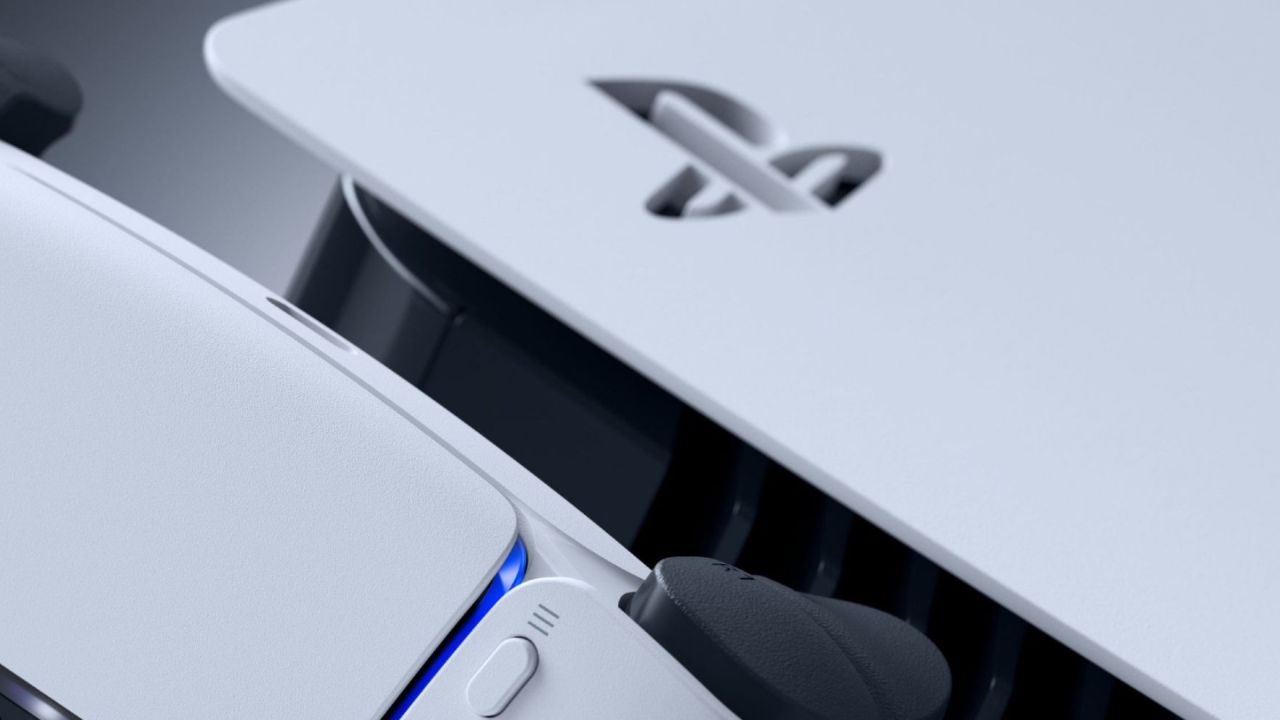
A Shifting Landscape for Handheld Gaming
The handheld market today is very different from what Sony previously exited. Devices are more powerful, more efficient, and increasingly capable of delivering console-like experiences. This has naturally drawn attention to how Sony might position itself in this space again.
There is growing curiosity about what Sony will call its next handheld system, with PlayStation 6 Portable a logical, though unconfirmed, possibility. A more creative naming approach would not be surprising. Still, regardless of branding, new information may already be hinting at both announcement timing and release windows.
A Possible PlayStation Portal Refresh in 2026
According to reports from TechPowerUp and NeoGAF forum posts by Kepler, Sony may also be preparing a refresh of the existing PlayStation Portal. The Portal, originally positioned as a streaming-focused device, appears to have performed better than Sony initially expected.
Stronger reception and higher attach rates may have encouraged Sony to explore ways to push the device into a more premium category.
One rumored upgrade is the inclusion of an OLED display. OLED panels immediately create a more premium perception and can justify a higher price point. A higher refresh rate has also been mentioned, though 60 Hz already works well for streaming-focused use.
That said, higher refresh rates combined with VRR could allow smoother performance at lower frame rates, such as 40 fps, similar to how some titles benefit on newer hybrid systems.
Wireless communication is another possible improvement. The current Portal uses Wi-Fi 5 and mostly runs on the busy 5 GHz channel. You could access the 6 GHz band by switching to Wi-Fi 6E. This could make streaming much more stable and less laggy.
With these changes, a more expensive version, maybe called PlayStation Portal Pro, might come out for roughly $299.
Real-World Use and Streaming Limitations
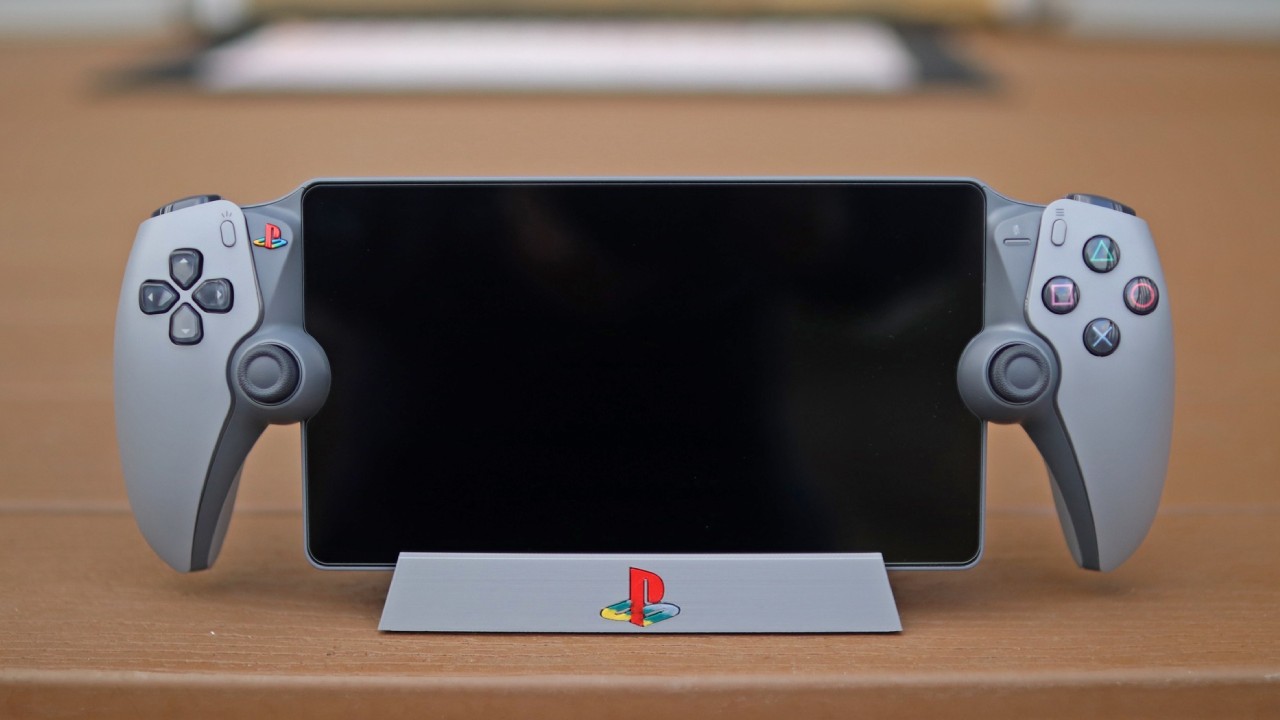
Playing vintage games on the PlayStation Portal shows off both its strengths and weaknesses. Most games in the PlayStation Plus classics catalog run OK; however, those that require precise timing may feel a little different when played on a PS5.
While still playable, the difference reinforces why many players continue to ask for a fully native handheld experience rather than a purely streaming-based solution.
Toward a Native PlayStation 6 Portable Experience
Beyond the Portal refresh, discussion is increasingly focused on a native PlayStation 6 portable system. The notion gaining ground is a hybrid device that can be played both on the go and docked, comparable to the Switch2.
People are currently guessing that Sony will release this hybrid system together with the regular PlayStation 6 console. This would provide users with the option of portability or the best performance.
Kepler's data shows that the portable would use RDNA5 graphics rather than RDNA4 or RDNA3.5. It also says that the 16CUs would have the same number of cores as the Xbox Ally X, but not the same architecture.
It's hard to predict RDNA5's performance because much of the information about it is still private. However, the architectural step alone predicts a big increase in efficiency and capability.
Things to consider for CPU, Memory, and Power Efficiency
Other rumors have said that the CPU will include four Zen6C cores and two less powerful cores for background duties. There are also rumors that the memory bandwidth for a handheld is powerful, though not as strong as the PS5's. Still, it's outstanding for a portable device. If these specifications hold, the system would rank among the most powerful handhelds ever released.
Efficiency will be the key factor. Battery life, thermals, and sustained clock speeds will ultimately define how successful the hardware is. RDNA5 efficiency in handheld form remains the biggest unknown. Sony's experience with closed systems could help here, allowing them to extract strong performance at lower power draw, much like what has been seen with recent hybrid consoles running demanding titles at reduced clocks.
Docked Performance and System Positioning
As a hybrid device, the handheld would likely improve performance when docked, lifting power and thermal constraints. It may be hard to match the PS5's performance exactly, but it's not impossible to get close in docked mode.
At the same time, Sony would still sell a separate PlayStation 6 console that doesn't have any handheld limits and focuses on raw power, powerful machine learning upscaling, and high-end visual targets like 120fps gameplay.
This approach would mirror Sony's past strategy of offering multiple SKUs, allowing users to choose between portability and maximum performance. The handheld could effectively take the role once occupied by the PS5 Digital Edition. At the same time, the main console remains the premium flagship.
Backward Compatibility and Software Strategy
Backward compatibility is likely to be a big reason why people will want to buy the handheld. The system would likely be able to play PlayStation 4, PlayStation 5, and PlayStation 6 games. The new power-saving settings on the PS5 suggest that Sony is internally testing lower-power profiles. This supports the idea that the company has been secretly preparing its software for handheld devices.
The handheld would almost probably have machine learning and upscaling, but not to the same level as the main console. Even smaller versions, though, could still make a big difference in how good the picture looks and how well it works on a portable screen.
Design Expectations and Market Timing
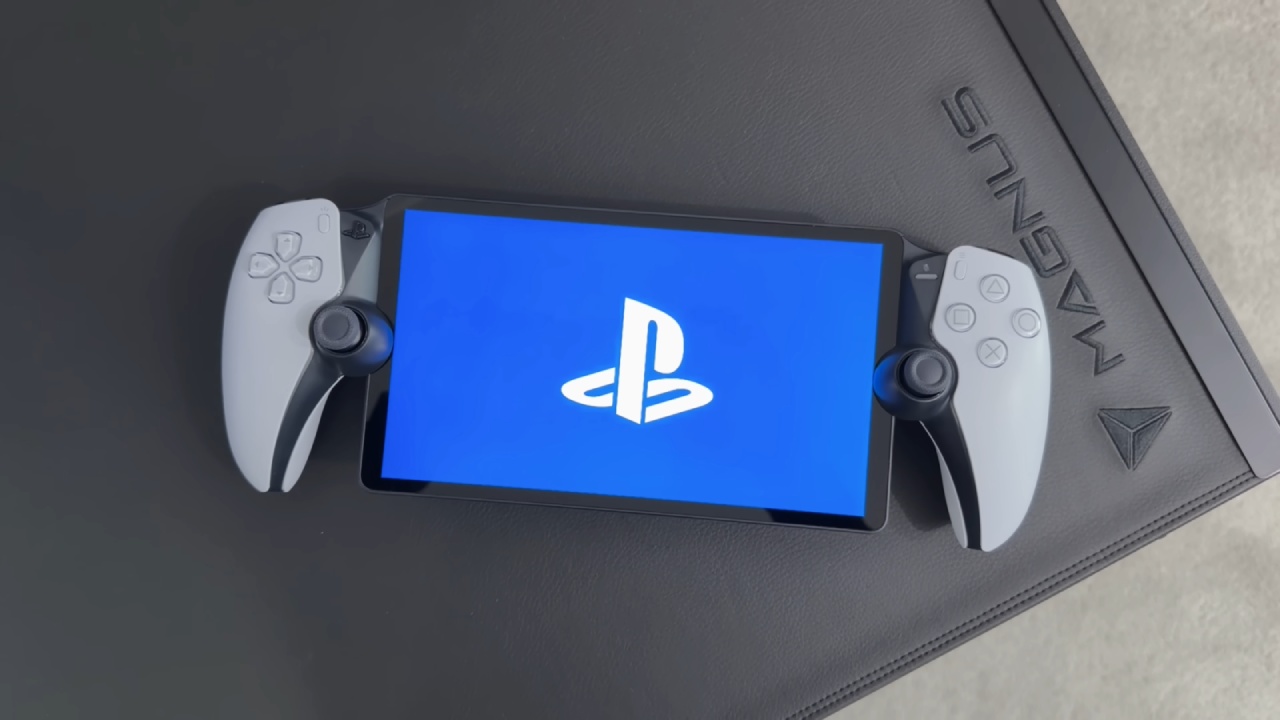
Sony has a long history of making good handhelds, and people expect a device that looks high-end, feels good, and sticks out visually. Most current handhelds are big, but Sony may want to make its look sleeker and more polished, even though it can't make them any smaller because they get so hot.
A holiday 2027 release seems to be the earliest probable time frame based on what we know now. However, 2028 is still possible depending on how RDNA5 development goes. It's still hard to predict costs, especially given the global economic uncertainty. However, if baseline prices across the board rise, these systems could end up in much higher tiers than in past generations.
Looking Ahead
One of the most interesting aspects of the next generation of consoles is that Sony is returning to mobile gaming. The PlayStation 6 system will definitely get a lot of attention. Still, the hybrid portable idea might turn out to be the more interesting device.
How Sony balances performance, efficiency, design, and pricing will determine whether this new chapter succeeds where previous attempts fell short.
Also, check our other PS5 Pro articles:
- PS5 Pro vs. PS5 Slim: Frame‑Rate, Graphics & Performance
- PS5 Pro vs. Radeon RX 9060 XT vs RTX 5060 Ti: Ultimate $700 Gaming Showdown
- ASUS ROG Ally PS5 Remote Play | How to do Remote play on PS5 Using Sony's Official Remote Play App
- Stream PS5 Games on Steam Deck OLED: Step-by-Step Installation and Configuration
- AI Upscaling on PS5 Pro: Can PSSR Finally Match DLSS?
- PS5 Pro vs. PS5 Slim vs. PS5 — Design, Storage, Specs, and Gaming
- PS5 Pro vs. Xbox Series X: Specs, Price, Storage, Customization, and Gaming
- PS5 Pro vs. PC Gaming: Comparison of Graphics, Frame Rates, and Price
Senior Editor, NoobFeed
Gaming Hardware Updates
No Data.