
Sony PS6 Strategy Revealed with Handheld Integration and Lower Production Costs
Power saver mode design signals hidden handheld optimization strategy shaping future PlayStation hardware and developer workflows.
Hardware by Shinji Okazaki on Apr 04, 2026
It is said that the next PlayStation is being built from the bottom up with cost-effectiveness in mind. To save money on manufacturing and shipping, every item, from the layout of the motherboard to the smallest internal bits, is being improved. The idea is not to make a big, powerful console like in the past, but to make something smaller and cheaper to make.
People think that the standard PS6 console might cost less than the PS5 Pro because of these allegations. If a budget version comes out with a portable APU in a home console format, it might launch for less than the current PS5 base model. The data show that production costs would allow prices to be more aggressive than they are now for consoles.
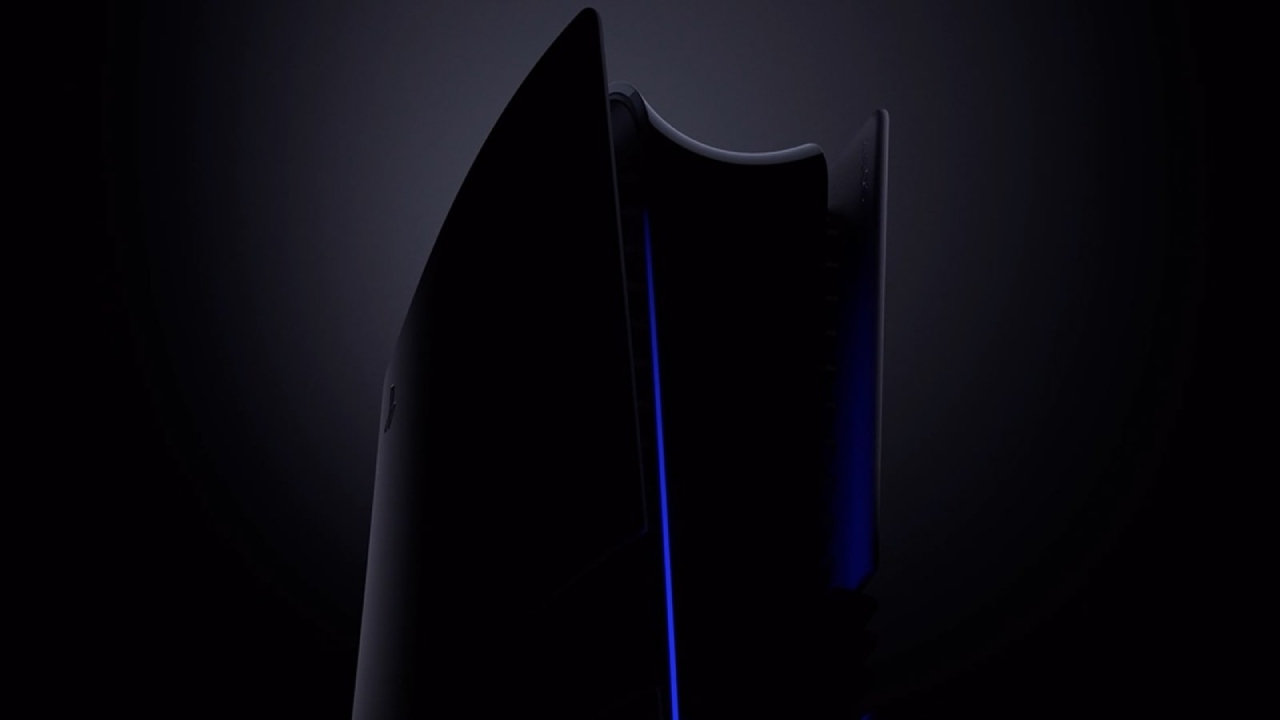
Power Saver Mode and Hidden Intentions
At first sight, power saver mode appears to be a normal feature that reduces energy use with only a small drop in performance. But there are uncertainties about how it will be implemented. The system limits the number of CPU cores games can use rather than lowering clock rates or improving voltage distribution.
This method is not in line with common ways to be efficient. When fewer cores handle more work, it can lead to problems and increased stress rather than balanced performance. This design makes it look like the feature isn't really about saving electricity.
It looks like it's simulating a hardware profile with lower power consumption, as you would expect from a mobile device. The way threads are split between gameplay and system activities is similar to how portable systems work, suggesting this was a conscious design choice rather than a simple toggle.
Power Saver Mode as a Goal for Development
It is no longer optional for developers to support and optimize for a limited mode when required. It turns into a baseline goal. What seems like a feature that limits performance starts to appear like a compatibility layer for future devices.
We can see this as getting ready. If developers are already making games that work within these boundaries, then future devices with similar limits will be able to play them. You aren't just seeing a feature; you're also seeing the foundation for future devices.
PlayGo and Integration at the Platform Level
PlayGo is shown to be an easy way to manage game assets across multiple systems. It lets developers package assets for specific hardware, reducing unnecessary downloads.
Power saver mode, on the other hand, is being considered as its own platform under this system. Developers can make special asset packages for it, just like they would for different versions of a console. This shows that the system is not merely a feature; it is being treated like a separate type of device.
We can see a pattern starting to take shape. It's no longer merely a mode; a system needs its own asset pipeline. It becomes a target platform, meaning a device that fits this profile is expected.
Transitioning to PS4 and Unified Infrastructure
Sony is slowly phasing out legacy PS4 network functionality and pushing developers to build a single system that works across generations. This doesn't remove PS4 support; it just updates the backend to work with future systems.
Keeping distinct infrastructures for each generation makes things less efficient. Setting the framework to a standard now makes it easier to switch to new hardware. Because the ecosystem has already been set up, you may expect fewer problems as new gadgets come out.
PSSR Growth and Flexibility
Some people thought development had slowed down due to a misunderstanding about PSSR. Instead, the effort has switched to making it easier to use across multiple versions of the SDK.
The system is being improved to better support new platforms, rather than limiting development. Developers have more control, especially since future changes may require direct optimization rather than automated toggles.
This method ensures that improvements in rendering technology work across all devices, which aligns with a multi-platform environment.
A PlayStation Ecosystem that can Grow
When we look at these changes together, a clear path becomes evident. Power conservation mode works like a handheld profile. PlayGo sees it as a separate platform. Backend systems are coming together, and rendering technology is becoming more adaptable.
All of these changes suggest that the PlayStation ecosystem will be bigger than just one console. It describes a system in which many devices, such as a main console and a portable, interact with one another and use the same games and technologies.
You're looking at preparation instead of just updates. The system is being made so that new hardware can be added without any problems.
Pricing Direction and Market Comparison
Two stories don't agree about next-generation consoles. One says that fees will go up and access will go down. The other suggests a move toward more efficient, maybe even cheaper, hardware.
If the design's main goal is to cut costs, the PS6 could run counter to the idea that prices will rise. If Sony could make its system smaller and more efficient, it could offer competitive prices while still maintaining performance.
Different Ideas: Xbox vs. PlayStation
It's not only about hardware specs for the next generation. It shows two distinct ways to play games.
Xbox's main goal is to grow its ecosystem. The console itself isn't as important because of services like Game Pass, cloud streaming, and cross-platform interoperability. The device becomes one of many ways to gain access to a larger network.
This model is flexible. You can play on different devices and keep your progress going. But it makes things more complicated for developers, who have to optimize for multiple environments instead of just one.
On the other side, it looks like PlayStation puts more focus on controlled optimization. Even with many devices, the goal is to keep the framework stable and predictable. This lets developers get more out of hardware and deliver better experiences to users.
You have to choose between flexibility and precision. One method stresses ease of access, while the other stresses consistent performance.
Changes to the PSN and the Backend
People are worried about the future of PSN, but the truth is different from what they think. The service will not be stopped. Instead, the branding is being phased out, and the technology that supports it is being updated.
PlayStation is no longer just one service. It now has digital stores, subscriptions, cloud functions, and the ability to work with other platforms. The original name no longer fully describes the ecology.
At the same time, older backend systems from the PS4 era are being replaced. These technologies weren't designed to handle the scale and adaptability that future platforms will require.
We can consider this as getting ready for a single system that works with many devices and services without splitting them off.
What Next-Generation Handhelds Could Do
The speculated handheld device isn't meant to be a companion product. People are calling it a standalone system that can fully integrate with the PlayStation environment.
Expectations for performance suggest that it might compete with entry-level home consoles in rasterized graphics while delivering better ray tracing capabilities. This shows that the focus is on new rendering methods instead of old-fashioned power scaling.
Performance Strategy and PSSR3
AI upscaling is the key to good portable performance. The system doesn't immediately match the console's capabilities; instead, it renders at lower resolutions and then uses complex algorithms to reassemble the image.
This method lets you get high-quality visuals without using as much power as native rendering. You get a result that seems like it came from a console, but it still works well.
This method works considerably better on a tiny screen. The focus shifts from raw resolution to how clear and stable the image appears as it moves.

Integration and a Shared Game Library
If the handheld device can play PlayStation 5 games with only a few changes, it becomes part of the main platform. You don't have to cope with different libraries or experiences.
The same games, progress, and ecology are available on all devices. This changes the handheld from an extra to a key part of the platform.
Final Thoughts
There are still many problems that need to be solved. Power efficiency, thermal management, battery life, and cost all affect the feasibility of making such a gadget.
It takes a lot of thought to make powerful hardware that fits in a small space. The idea can work, but how well it is carried out will decide how well it does.
Also, check our other hardware articles:
- AMD Ryzen 9 9950X3D Review: Setting The Standard For 2025 Gaming CPU
- Amazon Luna 2025 Review: Is Prime Gaming's Cloud Service Your Go-To For Casual Fun?
- AMD RX 9070 XT Review: AMD's RDNA 4 Champion for 1440p Gaming
- GeForce Now Ultimate: Ditching Your Gaming PC For Cloud RTX 4080 Power?
- NVIDIA GeForce RTX 5080 Review (2025): Still A 4K Gaming Powerhouse?
- Intel Core Ultra 9 285K Review And Performance Breakdown (2025)
- AMD Ryzen 7 9800X3D Review: 3D V-Cache Goes God Mode with Stunning Gaming Performance
- Intel Core Ultra 9 285K vs AMD Ryzen 7 9800X3D: In-Depth Gaming Performance and Benchmark Comparison
- NVIDIA GeForce RTX 5080 Super Performance In Cyberpunk 2077: Path Tracing & DLSS 4.0 Tested
- AMD Radeon RX 9070 XT In Cyberpunk 2077: Ray Tracing & FSR 4.0 Tested
- Intel Arc B580 Review: The $250 GPU Revolutionizing 1440p Gaming
- Intel Arc B570 Vs. B580: Value, Specs, And Real-World Gaming Performance
- RTX 5090 Laptop Vs. M4 Max MacBook Pro: Ultimate Raw Performance Vs. Battery Endurance
- Intel Arc b580 Vs. RTX 4060: Game Performance And Value Analysis
- RTX5090 Hell Is Us Demo 4K Ultra Benchmark: DLSS Vs. Native Performance Guide
- NVIDIA RTX 5070 Review: Mid-Range Muscle or Marketing Hype?
- Nintendo Switch 2 Review: Handheld Performance, Features & Value Breakdown
- RTX 5070 Ti Review: Performance, Thermals & Power Efficiency Tested
- Samsung Odyssey OLED G81SF Review 2025: Ultimate 32-Inch QD-OLED Gaming Monitor
- AMD RX 9070 Performance Review: Thermals, Clocks, and Real-World FPS
- AMD Ryzen 5 7600 Review: Best Budget Gaming CPU of 2025?
- AMD Radeon RX 7800 XT Review: RDNA 3 Power For Midrange Gaming
- Asus ROG RTX 5090 Astral OC Vs. Founders Edition: The 4K Gaming Benchmark
Editor, NoobFeed
Gaming Hardware Updates
No Data.