
SSD Prices vs. RAM Prices: Why You Should Wait on Storage?
Falling NAND flash prices could make waiting for next year's SSD deals a better option while DDR5 memory costs continue rising.
Hardware by Shinji Okazaki on Nov 29, 2026
The storage and memory markets are moving in different directions, with flash memory prices beginning to decline while PC RAM costs continue to rise. Although Black Friday deals offer several SSD options, falling NAND flash prices suggest waiting could mean better prices next year. However, the same situation does not apply to RAM, as memory manufacturers are still facing demand from AI infrastructure.
Start with the chips, because they're most of what you pay for in an SSD. An SSD is flash memory, and flash is made on big silicon wafers. Wafers aren't sold under contract week to week; they trade on what's called the spot market. In three weeks, from mid-October to early November, the spot price of a standard flash wafer fell about 23%. After a year of memory, that's not a dip.
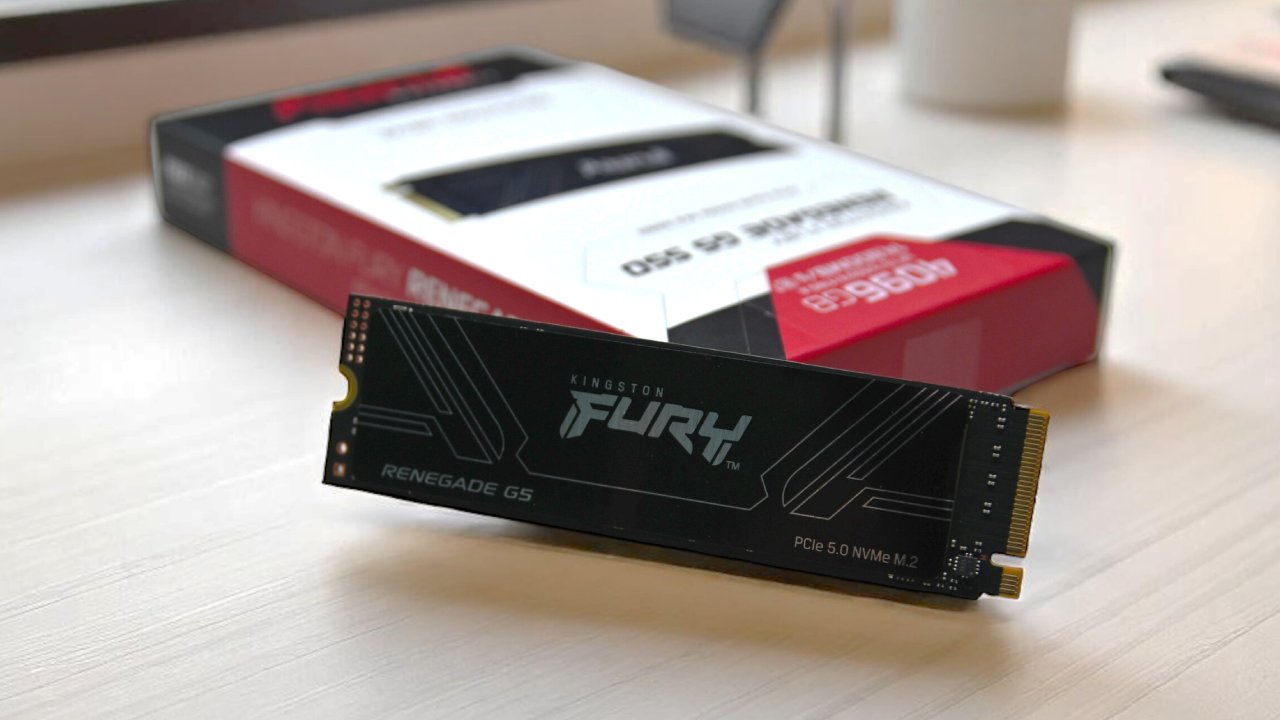
NAND Flash Prices Have Started Falling
That's a trapdoor. Then it stopped. The week after, the price barely moved. The forecast moved too. TrendForce, a firm that tracks memory prices, now expects the price big buyers pay for flash under contract to rise less this quarter than it said in September, and then to fall 0% to 5% in the first three months of next year. From April, it expects every kind of flash to get cheaper.
Zero to 5%. Zero is in that range. So this isn't a crash. It's a turn. So has the drive on the shelf gotten cheaper? Not yet. MaxMyBuild, a site that tracks the same drives every day at US stores other than Amazon, shows typical NVMe drives flat over the last month. Four-terabyte drives are up more than 20% in three months.
Even the news sites that reported the chip drop said so. OC3D wrote that it has not led to lower consumer SSD prices. The chips got the discount. The drives are still wearing the old price tag, which brings us back to that four-terabyte deal. It's a Team Group drive, $400 at Newegg, and PC Gamer points out it saw this price back in June. It did. But June's $400 price was for the T-Force G50. This week's drive is the G50 Evo, a different drive.
Both read at the same top speed. But the Evo uses a different kind of flash, called QLC, and Team Group rates it to handle 1,200TB of writing. The June drive was rated for 2,600TB. Same size. Same $400. Less than half the rating. So this isn't a Black Friday discount. It's June's price on a smaller promise.
AI Demand is Creating Two Different Flash Markets
So why did the chips fall at all, in the middle of an AI boom that's been eating memory all year? Because the answer tells you which drives get cheaper first. There are really two flash markets. The big SSDs that go into AI data centers are bought under contract, and TrendForce says most of the new flash coming out of the factories was already promised to those buyers. It still expects their prices to rise 15% to 20% this quarter.
Nobody's running a Black Friday sale on those. Drives for PCs are the other market. PC makers stocked up earlier in the year, and they've been putting smaller SSDs in their mainstream models to save money. So flash nobody ordered ends up on the spot market, and sellers are cutting prices to move it. Which means the price that fell is the price of the flash your kind of drive is made from.
The AI servers got the reservations. You got the clearance rack. And for once, the clearance rack is the place to be. And it's spreading. TrendForce says China's big cloud companies have cut next year's orders for those data-center drives by more than American cloud companies added. So when does any of this reach the drive you'd actually buy?
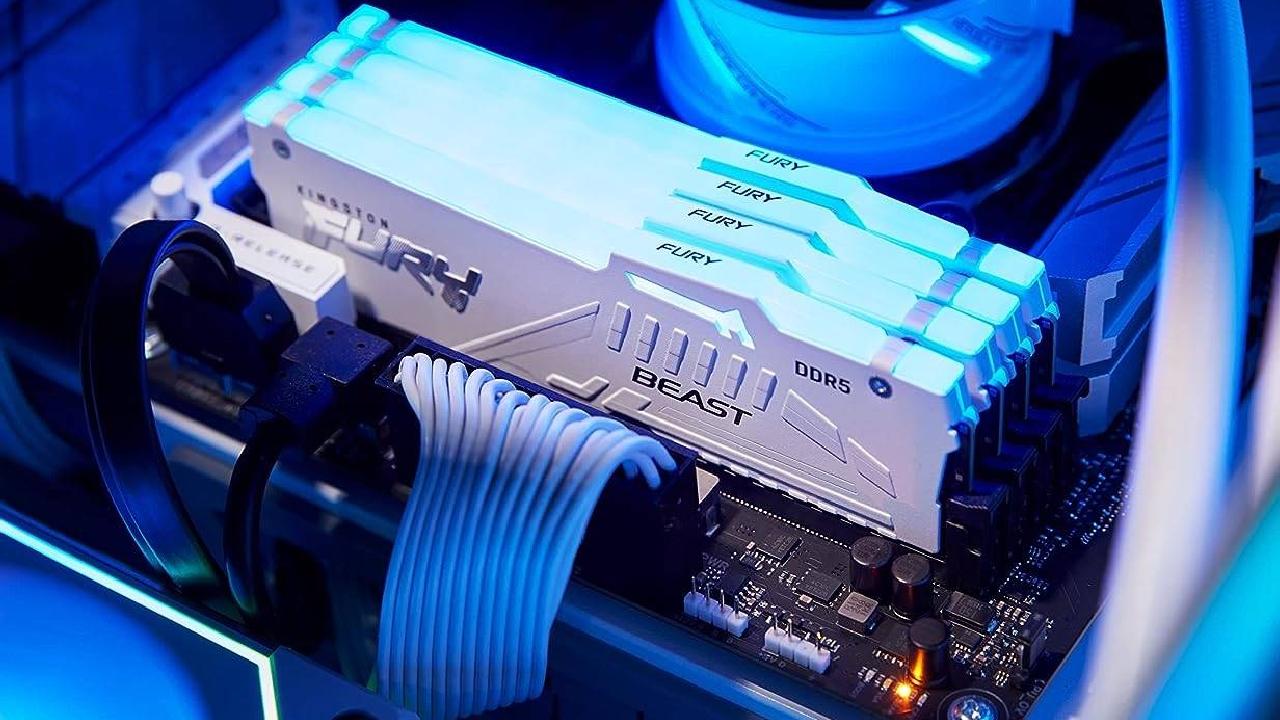
Contract prices aren't forecast to fall until the new year.
Add last time's lag, and the first real cuts on the shelf land around late spring at the earliest, with the bigger ones in the second half of next year. Could the fall be bigger than the forecast? Last time it was. In June 2022, TrendForce expected wafer prices to fall 5% to 10% over the next three months. They fell 30% to 35%.
RAM is made from different chips, and those prices are still rising. TrendForce expects PC makers' costs to rise another 13% to 18% this quarter. Memory makers are tentatively planning to make less PC RAM next year because AI wants the factories. On the shelf, a typical 32GB DDR5 kit costs nearly four times what it did a year ago, and it's down less than 1% in a month.
So flash has a fall in the forecast. RAM doesn't. If you need RAM, spring won't bring you a better price. Yes, this is the AI-made-your-RAM-expensive channel telling you to buy RAM. It's still expensive. It just isn't getting cheaper. If you can wait on the SSD, wait. The chip fall reaches shelves next year, at the earliest in late spring.
FAQ
Q. Will SSD prices become cheaper in 2027?
A. Yes. TrendForce expects flash prices to begin declining in the first three months of 2027, with broader price reductions expected from April. Consumer SSD prices could start falling as early as late spring.
Q. Why are SSD prices not falling despite cheaper NAND flash?
A. Retail SSD prices have not caught up with declining NAND flash costs. Manufacturers and retailers are still selling drives purchased or priced under earlier market conditions.
Q. Should you buy RAM or an SSD during Black Friday 2026?
A. If you need RAM, buying now makes more sense because DDR5 prices are expected to increase further. If you can wait for an SSD upgrade, waiting until 2027 could bring lower prices.
Q. How much have NAND flash prices declined?
A. The spot price of a standard flash wafer fell approximately 23% over three weeks, from mid-October to early November. However, this decline has not yet translated into lower consumer SSD prices.
Editor, NoobFeed
Gaming Hardware Updates
No Data.