
Steam Machine Weekly Sales Data Revealed as Valve Warns of Deepening Memory Shortage
Boiling Steam estimates weekly Steam Machine sales using Steam's revenue-based Top Sellers chart rather than official unit figures from Valve.
Hardware by Shinji Okazaki on Jul 23, 2026
Valve does not publish official hardware sales figures, so estimates for the Steam Machine have relied on outside analysis of Steam's own marketplace data. A recent breakdown from Boiling Steam has put a number on weekly sales. Around the same time, Valve engineers gave an update on the memory shortage that continues to shape pricing and availability across the PC hardware market.
SteamVR also received an update that points toward the arrival of the Steam Frame. Boiling Steam used a model previously applied to the Steam Deck to estimate how many Steam Machine units are moving each week. The model relies on Steam's Global Top Sellers chart, which ranks products by revenue rather than by units sold.
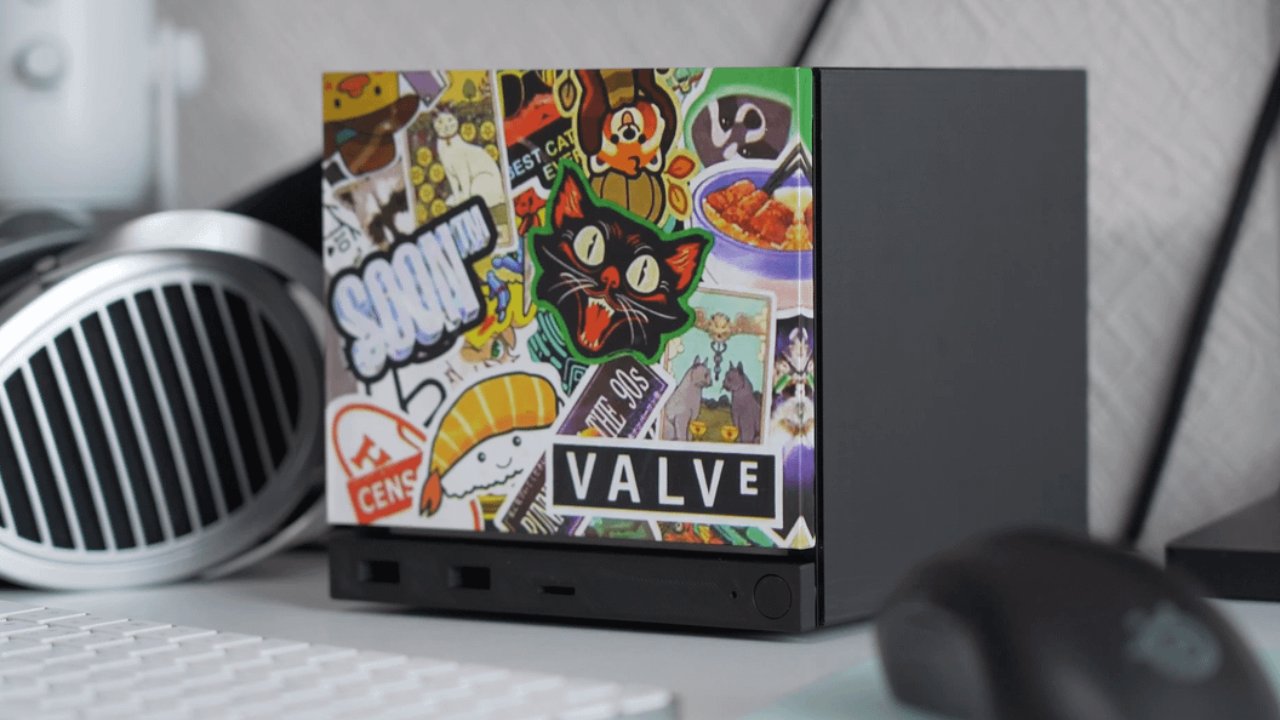
Weekly Sales Estimates Point to Strong Demand
Because of that, the Steam Machine tends to sit near the top of the chart right after a wave of order emails goes out, then falls as buyers wait for their next batch of confirmations before the cycle repeats. Steam Deck has followed a similar pattern recently, staying high on the chart partly because of a price increase.
The math behind the estimate is not precise, since Valve does not disclose how many units of each configuration it produces. There are four SKUs, two with a controller and two without, at different price points. Working from the chart position, Boiling Steam settled on a range of 12,000 to 15,000 units sold per week.
RAM manufacturers are prioritizing production lines for data center customers building out AI infrastructure. Even with money set aside to buy more memory, Valve is competing against buyers purchasing at a scale that dwarfs consumer hardware orders.
That leaves less room to build up inventory beyond what is strictly needed to keep current production running. Valve has said repeatedly that it is satisfied with how the Steam Machine is selling and with the feedback it has received so far. That feedback gets folded directly into SteamOS updates, the same approach Valve took with the Steam Deck.
The company has also indicated that future hardware revisions, including a possible higher-end model or a second generation, could arrive faster than the Steam Deck's update cycle did, since a modern chip is not required in the way the Steam Deck needed a specific low-power design.
Why Steam Retains Player Engagement
A distinction between Valve and companies like Sony or Microsoft is what happens after a purchase. Subscription services and even paid single-player titles on other platforms often see a sharp drop-off in completion, with trophy data showing that a large share of players stop shortly after a game's opening hours.
Steam's library spans games released decades ago alongside titles that came out days ago, and a copy purchased years back still runs on new hardware without requiring a repurchase. A modern PC running Steam Machine can run older titles such as God of War Ascension at 4 K 120 fps, a result not currently available on PlayStation hardware for a game from that era.
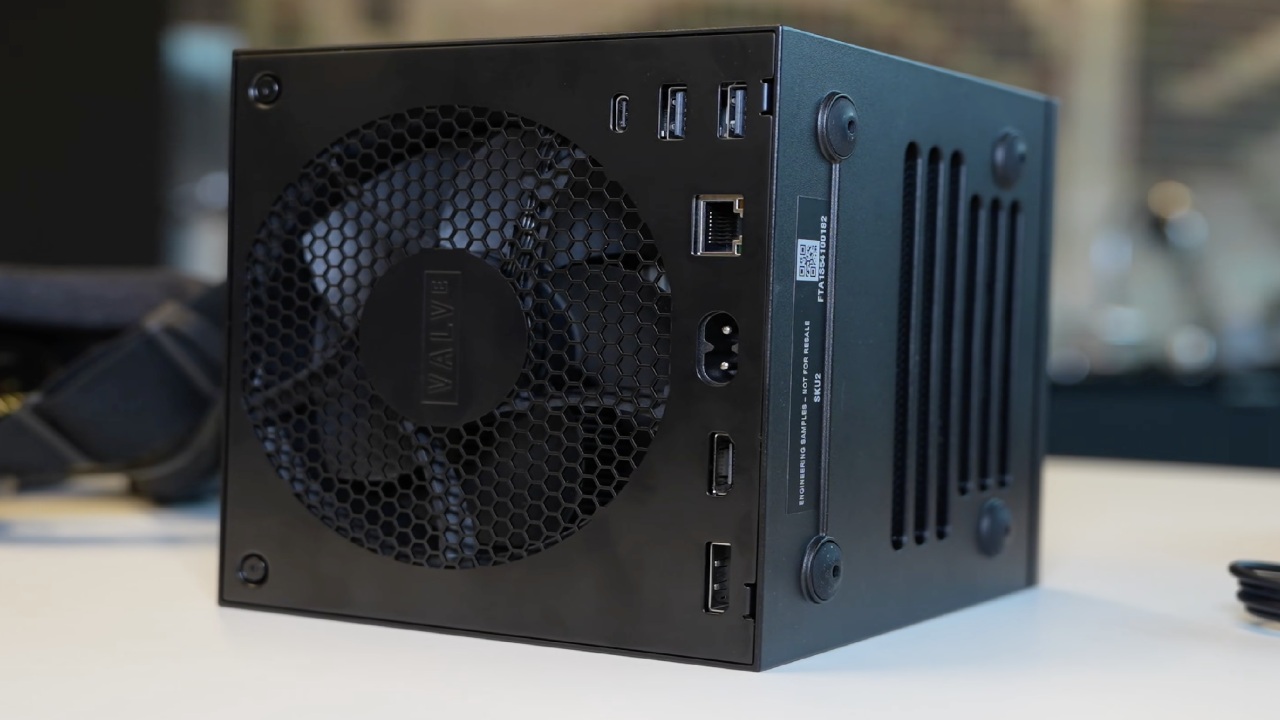
Valve engineers Yazan Aldehayyat and Pierre-Loup Griffais discussed the memory shortage in an interview with Bloomberg's Jason Schreier. Aldehayyat described the situation as still getting worse, and said retail shelves currently reflect bulk supply conditions from three to six months earlier.
Griffais added that Valve is building as much hardware as available components allow, with memory capacity as the limiting factor. Aldehayyat also said the scale of the sourcing problem went beyond what Valve had anticipated.
Future Pricing Pressure Across the Industry
For anyone holding onto aging hardware, current pricing across PCs, consoles, and handhelds is unlikely to be lower than it is today. Buying decisions should still account for affordability, since financing a purchase at high interest is not advisable regardless of how prices move.
For buyers who can pay comfortably and have an active need for new hardware, current conditions are unlikely to improve over the next six months. Rather than price drops in 2027 or 2028, a more likely scenario is industry-wide pricing rising to match the Steam Machine's current position.
That could mean the PS5 climbing past $1,000, a PS5 Pro reaching $1,500, and a PS6 launching between $1,300 and $1,400, with handheld pricing from other manufacturers increasing as well.
Under that scenario, the current Steam Deck pricing would look comparatively low, and July 2026 would eventually be viewed as an inexpensive point in the market, similar to how the PS5's original $500 price looks now compared to its current $650 price.
A shift toward game streaming as the default way to play raises concerns beyond convenience. A streaming-first model tends to favor multiplayer titles over single-player experiences, and local hardware ownership offers a level of control that a subscription cannot.
Game preservation is a separate concern, since a delisted title can disappear.
A physical disc containing a full, offline-playable game, or a purchase on Steam, is not equivalent to a rental in the same way a subscription service is, since Steam has not removed purchased titles from users' libraries.
The update also adds a gamepad mode, letting a standard controller replace motion controllers for flat, non-VR games. That mode supports the broader goal behind the Steam Frame, which lets a full Steam library run on a large virtual screen inside a headset rather than requiring dedicated VR titles.
Valve appears to be treating the Frame the way it treated the Steam Machine, as reference hardware meant to bring Steam OS to as many headsets as possible, including devices outside Valve's own lineup. Similar work translating PC titles for Android also benefits Android handhelds, since the underlying compatibility layer serves both platforms.
Editor, NoobFeed
Gaming Hardware Updates
No Data.