
Xbox Project Helix Developer Kits Arriving in 2027 With Major AMD Performance Upgrade
Project Helix introduces advanced AMD custom silicon with AI-powered neural rendering and next-generation graphics capabilities for immersive gameplay.
Hardware by Tanvir Kabbo on Mar 13, 2026
Jason Ronald, who is in charge of Xbox hardware, talked about Project Helix, the next generation of Xbox technology, during the 2026 Game Developers Conference. The presentation demonstrated a substantial improvement in performance, new ways to depict things, and capabilities that would change how games are developed and played on different platforms.
Powered by a custom AMD system-on-chip and supported by major advances in graphics technology, Project Helix aims to deliver one of the most ambitious generational upgrades in gaming history.
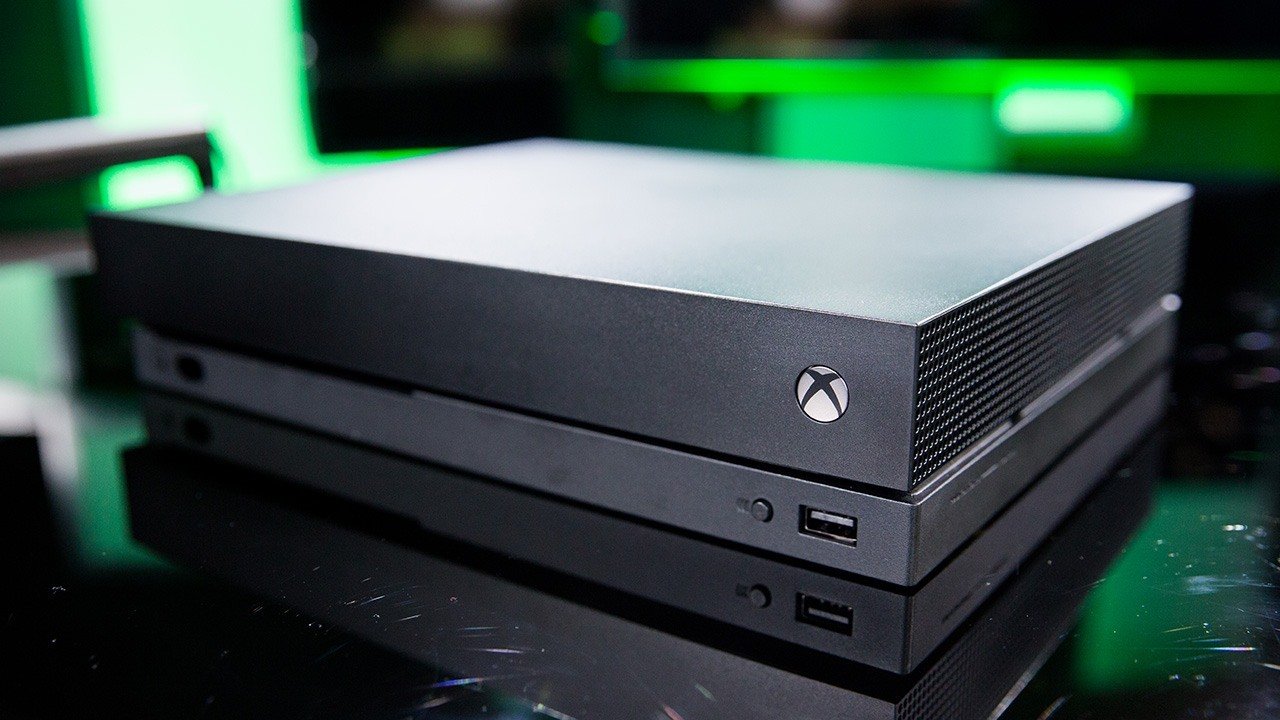
A Massive Performance Leap With Custom AMD Silicon
Xbox’s VP of next generation hardware, Jason Ronald, explained that the new Xbox Project Helix will be powered by a custom AMD system-on-chip created through a multi-year partnership. According to Xbox, the chip delivers an “order of magnitude” increase in performance and will help bring more games to the platform than any previous device in gaming history.
Xbox said that its cooperation with AMD is changing the way rendering and simulation will work in the future. Project Helix is being made for the next generation of DirectX and FSR technologies. This opens up new options for making games and improving their graphics.
A rumored hardware testing chip for Helix, internally called Magnus, reportedly features an extremely powerful and expensive chipset designed specifically for next-generation gaming workloads. Combined with the development of DirectX13, the platform is expected to introduce major graphics upgrades for the next Xbox console.
Xbox described the hardware capabilities by saying the system delivers an order-of-magnitude leap in ray tracing performance and capability while integrating intelligence directly into the graphics and compute pipeline. The result is significant gains in efficiency, scale, and visual ambition, creating more realistic, immersive, and dynamic worlds for players.
Developer Kits Expected in 2027
During the conference, Jason Ronald shared that alpha versions of the Xbox developer kit for Project Helix are expected to ship to developers at the beginning of 2027.
As games increasingly span multiple devices, Xbox is working to remove the traditional barriers between console and PC gaming. The goal is to create a seamless cross-platform experience and a consistent Xbox ecosystem across screens. For developers, this unified approach simplifies development and allows them to reach more players while reducing production costs.
AMD’s lead designer Jack Huynh described the partnership as a major moment for the future of gaming. He emphasized the deep co-engineering effort behind Project Helix, which focuses on next-generation performance, breakthrough graphics, and compatibility with existing Xbox game libraries.
Neural Rendering and AI-Powered Graphics
One of the most notable aspects of Project Helix is the integration of neural rendering technology directly into the system-on-chip. The console will reportedly feature a dedicated neural processing component designed to accelerate AI-based rendering and graphical enhancements.
AMD also revealed a new version of its upscaling technology called FSR Diamond. The technology is designed to be natively optimized for Project Helix and deeply integrated into the developer kit. It supports next-generation neural rendering, machine-learning-based upscaling, ML-powered multi-frame generation, and advanced ray regeneration for ray tracing and path tracing workloads.
While the Helix chip itself already delivers significant raw performance, the neural rendering processor allows AI-driven rendering, upscaling, and path tracing to run without major performance penalties.
The Console and PC Hybrid Vision
A major topic of discussion surrounding Project Helix is the idea of a console-PC hybrid platform and how its operating system will function. Jason Ronald explained that Xbox is bringing everything learned from building a console-focused gaming operating system directly into Windows.
An early version of this concept debuted with the ROG Xbox Ally handheld devices. Building on that experience, Xbox is now introducing similar innovations to Windows11 with a dedicated Xbox mode beginning to roll out in April 2026.
Xbox mode will allow players to switch seamlessly between productivity and gaming. The interface will feature a full-screen controller-optimized experience while still maintaining the openness and flexibility of Windows.
This initiative is part of a larger effort to unify Xbox and PC gaming ecosystems for the next generation.
A Unified Development Environment for Games
Developers will benefit from a new development environment designed to support both Windows and Xbox with a single build.
Jason Ronald explained that the vast majority of code running on Xbox will be the same code running on other platforms. This dramatically simplifies development and removes the need to create separate builds for different ecosystems.
The approach also reinforces how closely Xbox and Windows are being integrated. PC is becoming an increasingly important part of the Xbox ecosystem, and Xbox features are now being brought directly into Windows itself.
One example is the Xbox full-screen gaming experience, originally introduced on the Xbox ROG Ally handheld. The interface provides a controller-friendly dashboard designed specifically for gaming.
Shader Pre-Compilation and Faster Game Launches
Another new feature discussed during the presentation is Xbox shader delivery.
Instead of compiling shaders when a game launches, the new system allows shaders to be pre-compiled and downloaded alongside the game installation or update. This means games can launch faster without long compilation processes when starting them for the first time.
The engineering work behind this system is designed to maintain the familiar Xbox experience while giving players the flexibility of a PC environment.
Quick Resume Expanding to PC Gaming
Quick Resume has become one of the defining features of modern Xbox consoles, and it may soon expand beyond the console ecosystem.
Jason Ronald noted that players typically play three to five games at once on average. The goal is to allow players to jump between games instantly, whether they are playing on console, PC, or cloud platforms.
Rumors suggest that Quick Resume could eventually come to Windows11 PCs, allowing gamers to switch between multiple games in seconds without waiting for full boot sequences or consuming excessive background resources.
Game Preservation and Backward Compatibility
As part of Xbox’s long-term strategy, the company is also investing heavily in game preservation.
The Xbox game preservation team plans to re-release a number of older backward-compatible titles through its preservation program. Many of these classic games will benefit from the neural rendering capabilities of the Helix chip.
AI-based neural rendering could improve performance, resolution, and lighting systems in older games. In some cases, these improvements may make classic titles feel closer to a modern remake rather than a simple remaster.
Next-Generation Games and PC-Style Flexibility
Upcoming games designed for Project Helix will reportedly resemble PC versions more closely than traditional console releases.
Players will be able to change the graphics, settings, and performance controls in ways that are similar to how they work in PC games. But recent PC games can already find out what your hardware can do and establish the best settings for you, so most players won't have to change a lot of options by hand.
Xbox wants to make the experience smooth while also giving fans the freedom to tweak performance.
Backward Compatibility With Existing Xbox Libraries
People think that Project Helix will let you play current Xbox Series games with a lightweight emulation layer. This is like how Xbox One games became fully compatible with Xbox Series systems.
When launching games from platforms like Steam or other PC launchers, the system may run the required background services while launching the game itself. This ensures compatibility while maintaining the familiar Xbox ecosystem features such as achievements and certification systems.
Possible Release Window for Project Helix
There is still considerable discussion about when the next Xbox hardware will actually launch.
Since alpha developer kits are expected to reach developers in 2027, some analysts believe the console could launch in 2028. However, past hardware cycles suggest a faster timeline may be possible.
When Xbox Series consoles were introduced, developer kits were distributed roughly eight months before the global launch. If a similar pattern occurs again, a late-2027 release could still be possible.
The Future Direction of Xbox Gaming
Xbox appears to be moving toward a new ecosystem where console and PC experiences merge into a unified platform. The combination of Windows integration, neural rendering technology, AI-driven graphics, and cross-platform development tools suggests a major shift in how games are created and played.
The concept of console-style PC systems, hybrid gaming devices, and unified ecosystems could redefine the next generation of gaming hardware. Project Helix represents the early vision of that future, where players can access their entire gaming library across devices while developers build games for a single unified platform.
Also, check our other hardware articles:
- AMD Ryzen 9 9950X3D Review: Setting The Standard For 2025 Gaming CPU
- Amazon Luna 2025 Review: Is Prime Gaming's Cloud Service Your Go-To For Casual Fun?
- AMD RX 9070 XT Review: AMD's RDNA 4 Champion for 1440p Gaming
- GeForce Now Ultimate: Ditching Your Gaming PC For Cloud RTX 4080 Power?
- NVIDIA GeForce RTX 5080 Review (2025): Still A 4K Gaming Powerhouse?
- Intel Core Ultra 9 285K Review And Performance Breakdown (2025)
- AMD Ryzen 7 9800X3D Review: 3D V-Cache Goes God Mode with Stunning Gaming Performance
- Intel Core Ultra 9 285K vs AMD Ryzen 7 9800X3D: In-Depth Gaming Performance and Benchmark Comparison
- NVIDIA GeForce RTX 5080 Super Performance In Cyberpunk 2077: Path Tracing & DLSS 4.0 Tested
- AMD Radeon RX 9070 XT In Cyberpunk 2077: Ray Tracing & FSR 4.0 Tested
- Intel Arc B580 Review: The $250 GPU Revolutionizing 1440p Gaming
- Intel Arc B570 Vs. B580: Value, Specs, And Real-World Gaming Performance
- RTX 5090 Laptop Vs. M4 Max MacBook Pro: Ultimate Raw Performance Vs. Battery Endurance
- Intel Arc b580 Vs. RTX 4060: Game Performance And Value Analysis
- RTX5090 Hell Is Us Demo 4K Ultra Benchmark: DLSS Vs. Native Performance Guide
- NVIDIA RTX 5070 Review: Mid-Range Muscle or Marketing Hype?
- Nintendo Switch 2 Review: Handheld Performance, Features & Value Breakdown
- RTX 5070 Ti Review: Performance, Thermals & Power Efficiency Tested
- Samsung Odyssey OLED G81SF Review 2025: Ultimate 32-Inch QD-OLED Gaming Monitor
- AMD RX 9070 Performance Review: Thermals, Clocks, and Real-World FPS
- AMD Ryzen 5 7600 Review: Best Budget Gaming CPU of 2025?
- AMD Radeon RX 7800 XT Review: RDNA 3 Power For Midrange Gaming
- Asus ROG RTX 5090 Astral OC Vs. Founders Edition: The 4K Gaming Benchmark
Senior Editor, NoobFeed
Gaming Hardware Updates
No Data.