
AMD Confirms Zen6 Venice: 256 Core Monster and Massive Performance Leap
AMD officially confirms Zen6 Venice architecture, revealing extreme core counts, major IPC gains, and unprecedented scalability ambitions.
News by Tanisha Aria on Jan 10, 2026
Recent statements from AMD have given long-running Zen6 rumors much more weight, especially regarding the Venice lineup. During AMD's MI455X press event, important architectural details were revealed.
This confirmed earlier leaks and changed what people thought would happen with AMD's next big CPU generation. Much of the event was about speeding up AI, but the Zen 6 announcements were among the most important long-term news for both workers and fans.
AMD stated that Zen 6 Venice has a very ambitious die-level design.
Two IO dies, each about 375 mm², are part of the design. Eight 32-core CCDs are connected to these IO dies, giving each package an amazing 256 cores. This confirmation aligns with leaks circulating, confirming not only the number of cores but also the full layout inside.
From a technical standpoint, this setup represents a significant step forward in scalability. Compared to the previous generation, Turin, which had 192 cores, Zen 6 Venice has many more cores while retaining the same chiplet structure designed for high-throughput tasks.
According to AMD, Zen 6 Venice is about 70% faster overall than its predecessor, AMD Zen 5. The gains aren't just due to larger core counts; we see the same jump from 192 cores to 256 cores. By going back through these numbers, we can see that the per-core speed should have increased by about 30%.
That much of an improvement per core strongly points to real IPC gains rather than just brute-force growth. We see this as proof that Zen 6 is a real step forward in architecture compared to Zen 5, not just a small improvement. When it comes to heavily parallel workloads, Zen 6 Venice is a monster thanks to its higher core count and higher per-core performance.
In addition to servers and workstations, Zen 6 is likely to have a significant impact on PC users. It is said that the number of cores on the AM5 platform will go from 16 to 24. With that 50% increase and the expected rise in performance per core, multithreaded performance could be almost twice that of current high-end desktop parts.
In terms of games, the effects are just as important. Higher IPC, better cache behavior, and better single-threaded performance should all lead to much higher frame rates, especially when the CPU is limited. We think that Zen 6 will make games much faster than Zen 5 already does.
The confirmation of these architectural features gives earlier claims more weight, even though they seemed crazy at the time. Now that AMD's leaders are talking about configurations that align with the leaks, people are becoming more confident that Zen 6 will be one of the biggest technology steps forward AMD has ever taken. It looks like the design focuses on both scalability and efficiency, rather than making trade-offs in either way.
Zen 6 wasn't the only thing that came up. The Ryzen7 9850 X3D processor from AMD was also shown off. This processor is currently about what people expect it to be. There are early signs that it can work very well when paired with very fast memory. Still, right now, the main problem is that memory is not always available.
The improvement doesn't look like a small 1% gain. Still, the final decision will rest a lot on price and memory compatibility. We think it's a good step forward if the chip costs between $480 and $500 when it comes out. If the price goes up to $550–$600 without better memory support, people may lose interest quickly. No matter what, AMD is already the leader in games, and the 9850 X3D looks like it will make that even stronger.
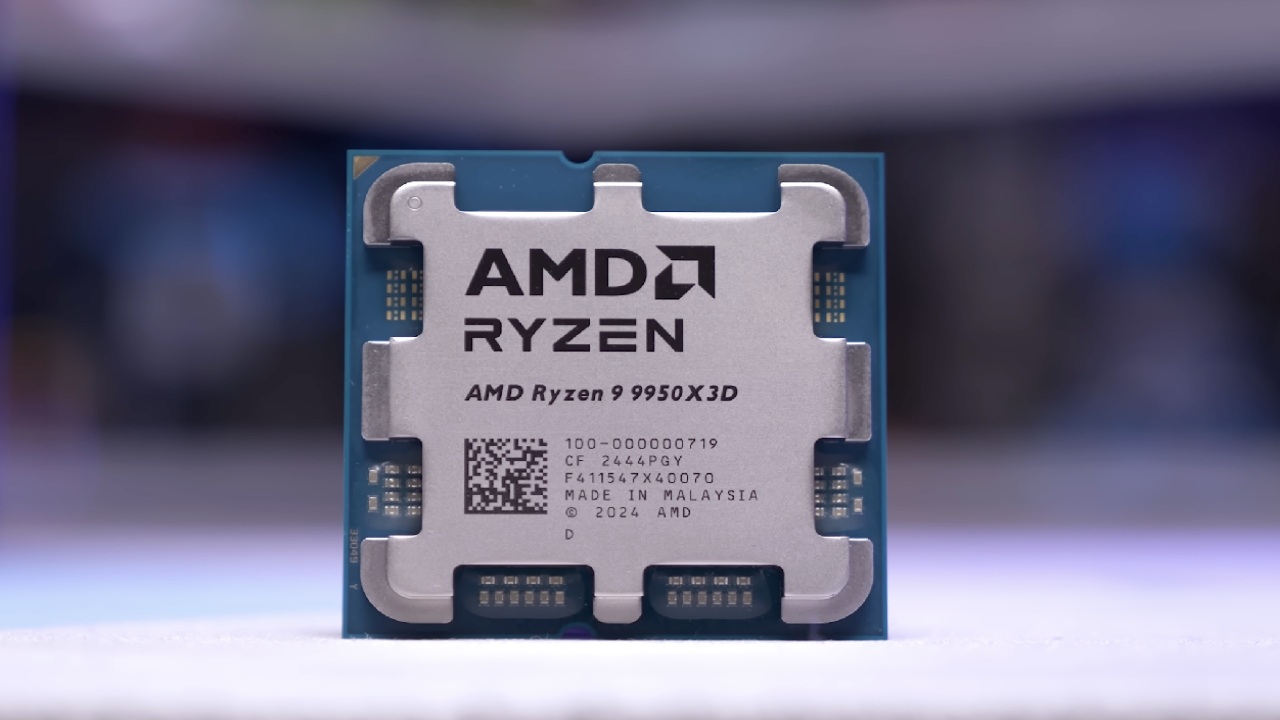
One of the most noticeable things missing was the Ryzen 9 9950 X3D2. Even though the displays were said to have happened behind the scenes, the chip did not appear publicly. There are strong signs that it may have been pushed back or canceled, but not necessarily completely.
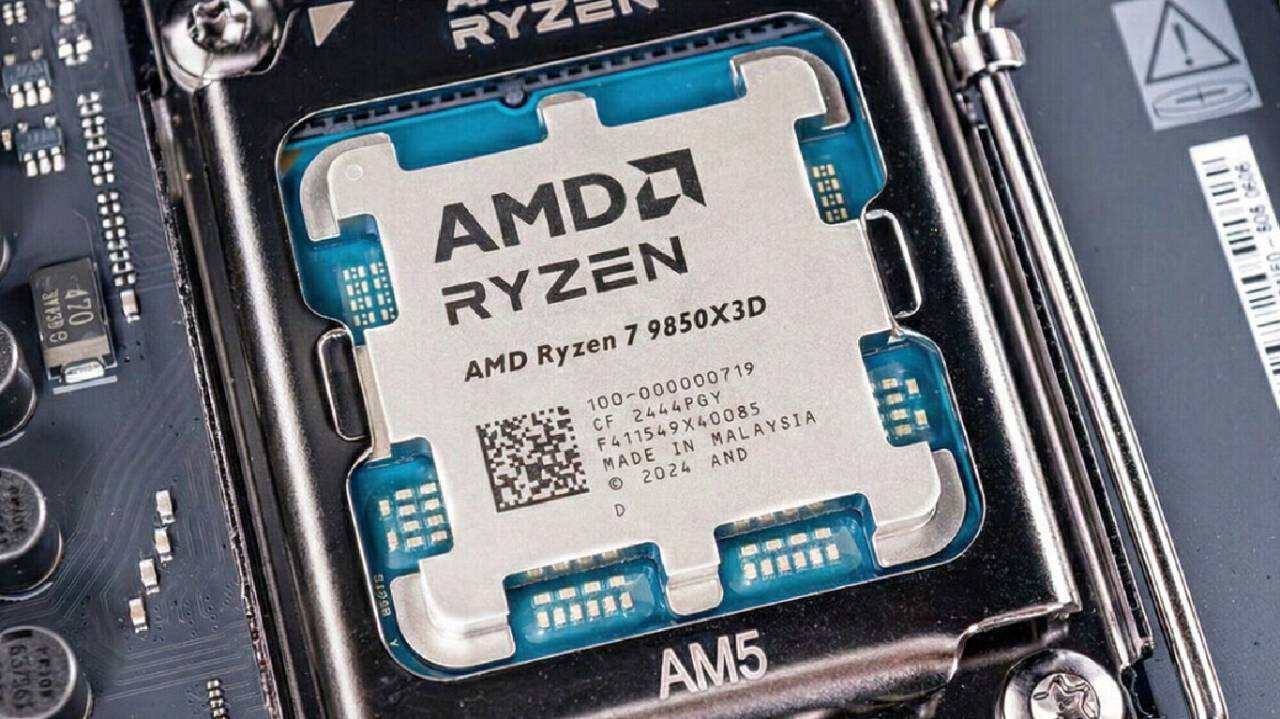
If AMD has really chosen to skip or delay this flagship, the reasons are pretty clear. The competition, now and in the future, doesn't look dangerous enough to warrant a dual-VCache 16-core leader. The 9850X3D is already so much better than what Intel has to offer now that it could compete with future products while costing much less.
We've seen AMD make choices like this before. In the Zen3 era, AMD didn't release a 5950 X3D. Instead, they relied on the 5800 X3D to keep the platform going strong. That plan worked, as most gamers chose the cheaper choice that worked very well in the real world.
According to sales data, most gamers still prefer 8-core CPUs, though they sometimes choose 6-core parts. Flagship models, on the other hand, are much less popular. So, adding more chiplets to a star product with low sales may not make sense, especially since AMD is putting a lot of effort into AI and data center products.
AMD has strong support from enthusiasts, especially in online shopping, where AM5 processors regularly outperform other platforms.
Intel's newest designs aren't selling very well, which supports the idea that AMD doesn't need a multi-core flagship right away to stay ahead.
In this light, the 9950 X3D2's disappearance seems less like a mistake and more like a smart choice. AMD seems confident that its current lineup, along with the upcoming Zen 6 generation, will be enough to keep things going strong.
These additions and deletions, when combined, give a clear picture of AMD's current plan. Zen 6 Venice is a huge step forward in architecture, both in terms of size and per-core performance. Desktop users can expect significant improvements, and gamers are likely to see speeds much better than what people are used to.
There are still some questions about when certain products will be released, but what we do know for sure is that Zen 6 will be one of the most important CPU versions in recent memory. At this point, it looks like AMD will continue to expand its lead in speed and efficiency.
Contributor, NoobFeed
Related News
No Data.