
Ubisoft's Hidden Paywall in Black Flag Resynced Day-One DLC
How a long-term revenue strategy shaped the monetization of Assassin's Creed Black Flag Resynced.
Opinion by Adeela Tas on Jul 17, 2026
If you've picked up Assassin's Creed Black Flag Resynced, you've probably noticed something sitting in the menus that feels a little out of place for a $60 single-player game. Ubisoft says the extra packs are optional, never something you need to finish or enjoy the game, but if none of it is necessary, it's worth asking why Ubisoft bothered making it at all.
On paper, Assassin's Creed Black Flag Resynced has done well. It sold two million copies at launch, critics have ranked it among the best entries the franchise has seen in years, and Steam player counts spiked past 100,000 over the opening weekend, the highest the series has ever recorded.
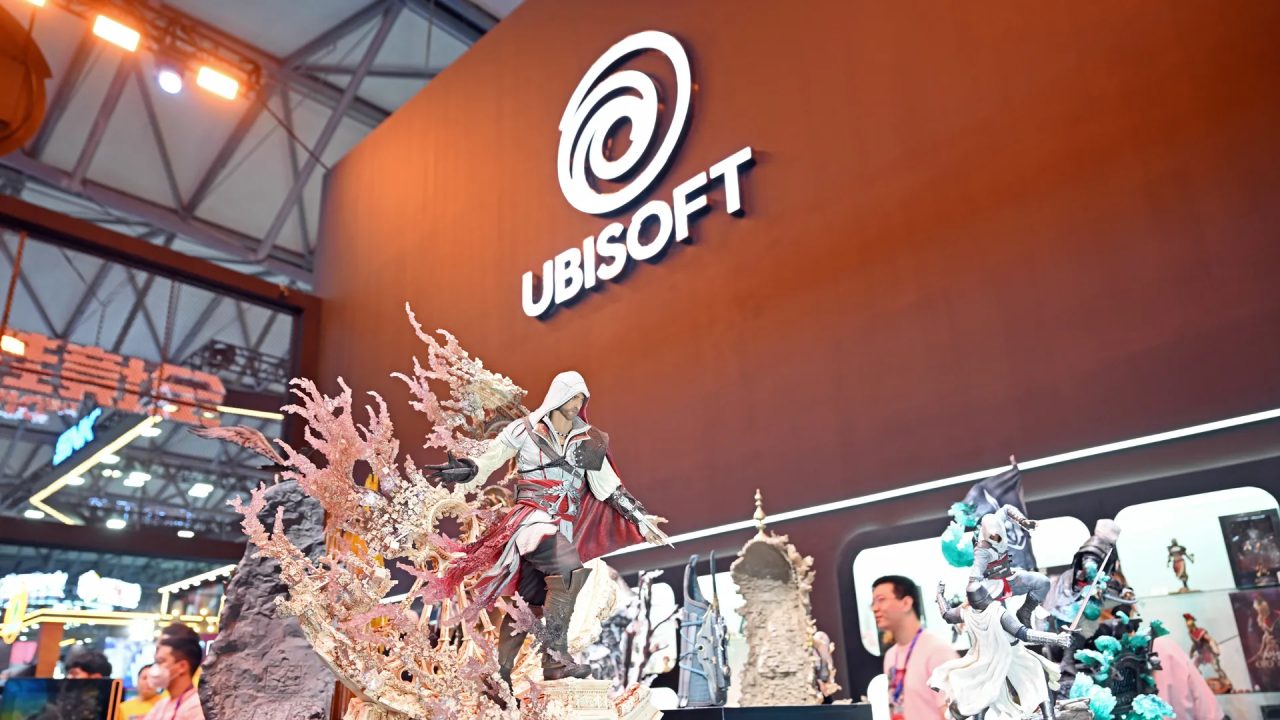
The team took a game people already loved and gave it real justice, even if some changes haven't landed with everyone.
That should make the numbers easy to explain; this was always going to be an easier win for Ubisoft, since it's a beloved game getting a modern version for an existing audience. What is less expected, if you scroll through the Steam reviews around launch, is how negative the early reaction actually was.
The reviews began at Mostly Negative, hovering below 40 percent positive, which was always a rough start for any title. From there, however, the numbers have gradually improved up to Mostly Positive above 70 percent, which represents a good turnaround. There was definitely something that got players upset from the start, and whatever it was, it was not a trivial matter.
The most constructive Steam review, excluding remarks about the bug that resulted in stuttering cutscenes, pointed straight to the problem: while the game is indeed an amazing, high-quality remaster, the studio has kept coming up with ways to sabotage its own creation through in-game stores and other ways of pressuring gamers to spend money.
On day one, Assassin's Creed Black Flag Resynced launched with roughly $85 worth of in-game packs, including cosmetic items, weapons, and even the pay-to-use item that helps highlight collectibles. That is a clear example of a company creating an inconvenience and then selling the solution. From a game-design perspective, it's hard to see why that incentive exists.
Ubisoft has also layered in weekly missions, an overarching metanarrative story, and continuous progress rewards.
For readers familiar only with the older games, that may seem strange; since Origins, though, Ubisoft's formula has been to keep players hooked and paying for new content. That wasn't there when the original Black Flag came out in 2013. It is now a feature of a new version of the game that also costs $60.
Ubisoft has taken steps to address complaints, even responding to specific reviews to assure gamers that the $60 price tag includes everything. As far as Ubisoft is concerned, the standard edition includes all missions, islands, stories, and worlds for the gamer to experience.
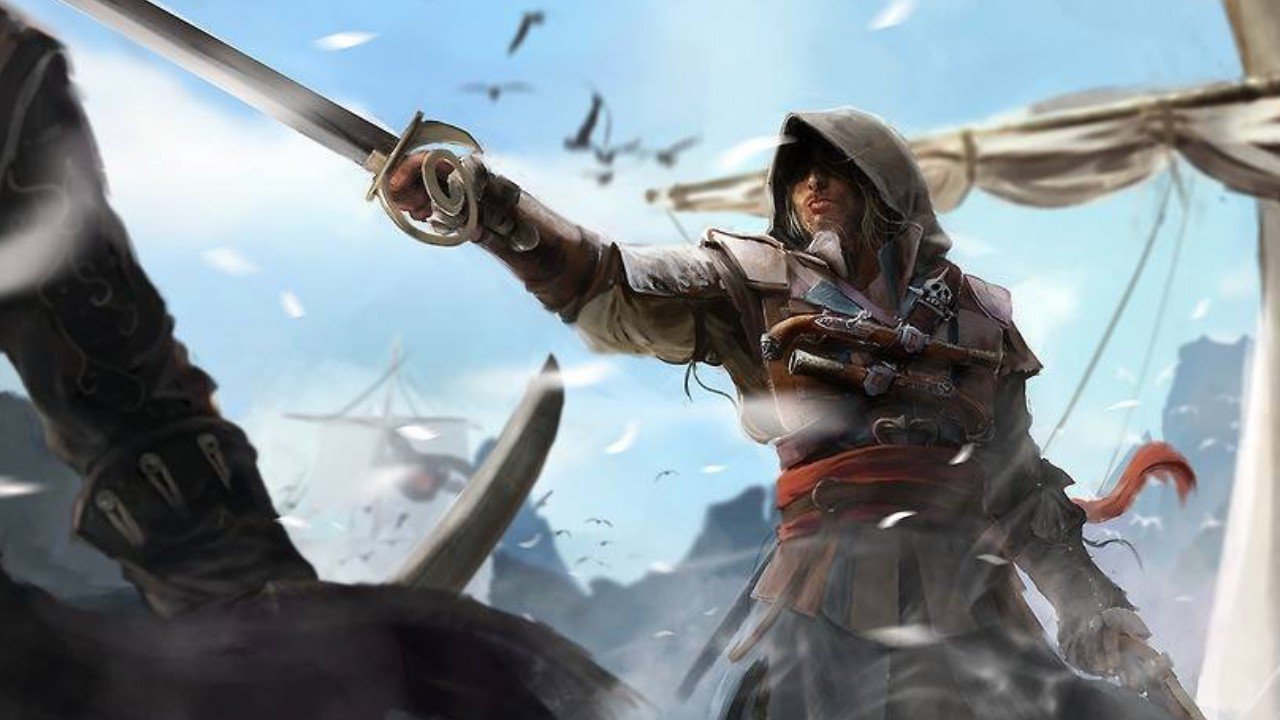
The other packs are optional for those who need them, but nobody is required to buy them to play and beat the game. And that's precisely the issue: the packs are there already, along with the weekly challenges. Right now, Assassin's Creed Black Flag Resynced costs $60, and Ubisoft is undoubtedly happy with two million copies sold, likely closer to three million by the time you're reading this.
The price won't stay at $60 forever, and Ubisoft knows that better than anyone.
When the company builds a single-player release these days, it's thinking well past launch week, planning around long-term engagement and long-term sales. Ubisoft's own financial reporting backs this up. Last year was rough for the company, with no major franchise releases on the calendar, and total bookings fell around 17 percent to €1.525 billion. Of that figure, €1.281 billion, roughly 84 percent, came from back-catalog sales.
Put another way, more than five out of every six euros Ubisoft earned last year came from games that had already shipped in previous years, games that almost certainly don't cost $60 anymore. That makes the long tail of sales central to the strategy. In past years, Siege has also drawn player frustration recently over changes to how event cosmetics are sold.
But a large chunk of that back-catalog income comes from single-player titles sold at a discount, and packs like the ones bundled into Assassin's Creed Black Flag Resynced exist specifically to boost that number. Someone buying this game a year from now at half price is still handing Ubisoft money, just less of it, and if in-game cosmetics close that gap, the model pays for itself.
The comparison between how other studios have handled DLC for their earlier games is quite telling. "Songs of the Past" for The Witcher 3 and the "Warlock" addition to Diablo II are great examples of substantial additions made after launch that cater to people who don't want to move on to something else. It is quite a reasonable and fair thing to do. However, it is definitely not what Ubisoft has done.
The most gameplay-relevant item in the entire DLC lineup is a tool that shows you where collectibles are hidden.
This is something a basic guide and a bit of cross-referencing get you for free anyway. What Ubisoft is really doing here is padding, not far removed from the kind of criticism Capcom regularly gets for stacking small, seemingly harmless microtransactions on top of full-price releases until they add up.
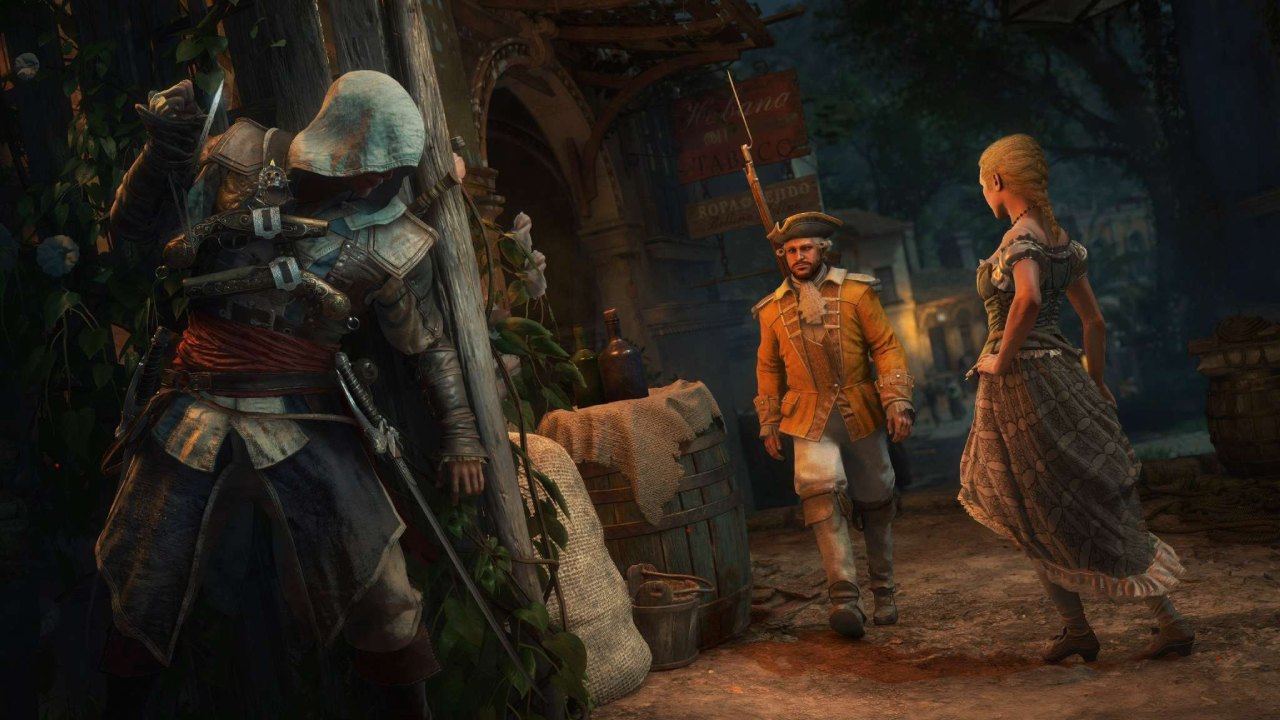
A large portion of players who buy Ubisoft games only buy one or two titles a year, which is why weekly missions and steady in-game rewards are built into a remake of a single-player RPG in the first place: the company needs people to keep playing.
Playtime is the strongest predictor of whether someone eventually spends money inside a game, so it's only after dozens of hours and weeks of completing weekly tasks that Ubisoft realistically expects any of these cosmetics to sell. That group, players treating a single-player game almost like a live-service MMO, appears to be the main target.
The other target is anyone picking the game up months or years down the line, once it's discounted. None of these costs Ubisoft much beyond the design and implementation of a few skins. That reliability matters because Ubisoft's broader corporate story hasn't been a good one lately.
Ubisoft has struggled so long to ship games on time that it's now warning investors it may miss the moment entirely.
The company has stopped describing microtransactions as being fun for players, likely because that framing kept generating bad headlines. In its place, the company added a new disclosed risk for investors, warning about releasing a game too late, after market anticipation has faded, and it no longer meets expectations in a competitive landscape.
It is obviously not an example of a latecomer. Compared to Ubisoft's standards, it is an extremely quick production. Development is said to have started way back in 2023, and it was scheduled for release in November 2025, but Ubisoft rescheduled it, and it seems the company's efforts have been rewarding. Notably, the project was led by Ubisoft Singapore, the same studio once associated with Skull and Bones.
This kind of fast, lower-risk development, backed heavily by Singapore government subsidies and built around a remake of an already-beloved game, is exactly the model Ubisoft wants to lean on going forward, especially while the rest of its portfolio remains in flux amid ongoing restructuring.
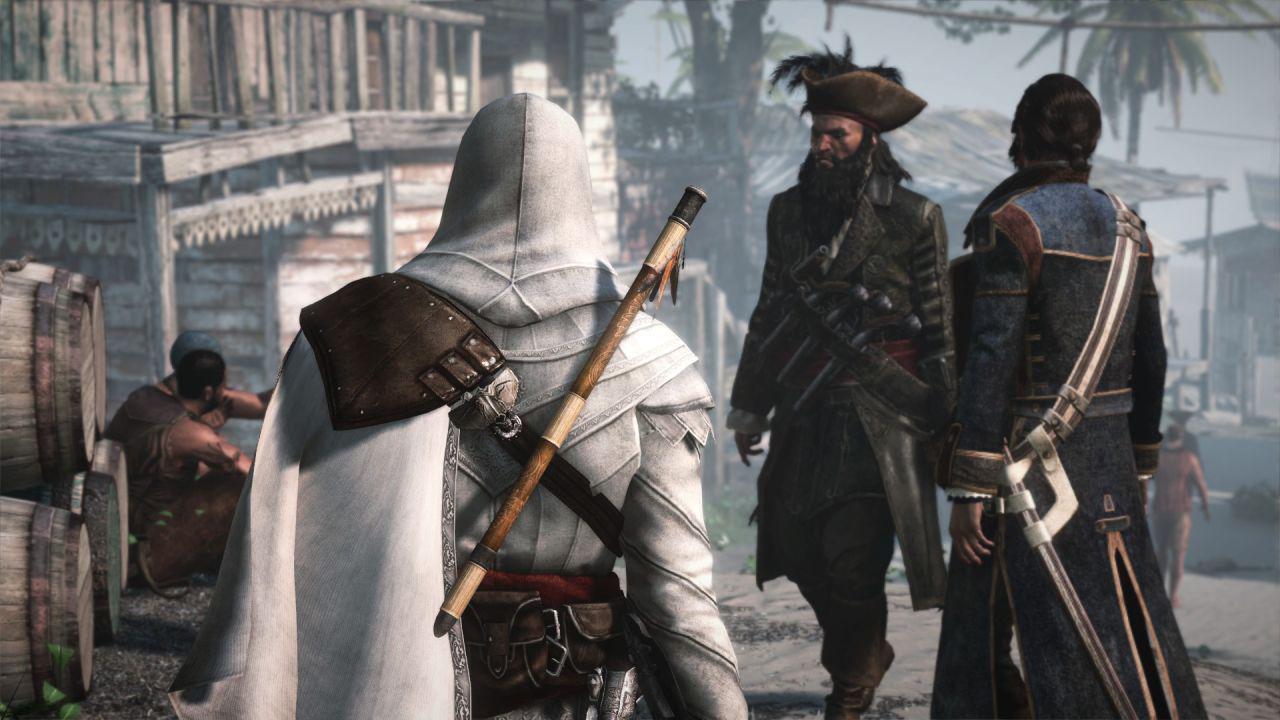
That instability is why the company risks repeating a year where the majority of its bookings come from older releases rather than anything new. Put it all together, and Ubisoft needs its games to earn steadily over a much longer period, all while being developed faster than before. That doesn't mean the extra content has to actually be worth the money.
The entire plan hinges on one specific promise; none of it is ever required to enjoy or finish the game.
So for single-player releases that aren't shipping full expansions, Ubisoft has to avoid any sense that content was stripped from the base game, because that kind of anger leads directly to bad press, and bad press can hurt sales enough that there's no long-term audience left to sell cosmetics to down the road.
This is precisely why, when Ubisoft claims that the packs are completely optional, it's not hype but rather a description of the packs' actual design. Everything about the pack revolves around skipping the packs worth $60 and then purchasing them later after the game becomes half-priced.
At the moment, it looks like everything is going according to plan for the company. Ubisoft's financial history shows there's a steady audience willing to spend on older titles long after launch, buying cosmetics for single-player games with no multiplayer component at all.
Maybe it's because a game like Assassin's Creed Odyssey can be picked up for five dollars and still deliver hundreds of hours of content, and that goodwill translates into a willingness to spend a little more. Whatever the reasoning, Ubisoft keeps building the opportunity into its games, and players keep taking it.
Seeing a release launch with a built-in storefront and menu after menu of mobile-game-style cosmetics might feel strange for a $60 single-player game, but this isn't new territory for Ubisoft. Assassin's Creed Black Flag Resynced is simply the latest example of a strategy the company has leaned on for years, one that appears to work well enough that there's little reason to expect it to change anytime soon.
Editor, NoobFeed
Latest Articles
No Data.