
Why a Beloved Co-Op Developer is Defending EA Despite Its Troubled Reputation
Split Fiction’s director challenges long-standing criticism by revealing how EA supported creative freedom without forcing monetization or interference.
News by Maisie Scott on Jan 21, 2026
Electronic Arts has been criticized so often in public that even a mild response can seem shocking. That response came up again after Split Fiction director Joseph Fares said that EA doesn't deserve all the hate it gets. The comment itself was strange, not because it came from a company representative, but because it came from a creator whose work has often gone against trends that players criticize.
It was obvious how people would respond. When someone says something good about EA, they are often met with doubt, ridicule, or outright rejection. People have learned to think the worst after years of debate. The image of EA wasn't built overnight.
The company became notorious for shutting down studios, using bold revenue-generating strategies, and treating single-player games as less important than live-service models for a long time. There is still an unresolved past in that case, and no one is trying to change it.
Who said these things is what makes them important.
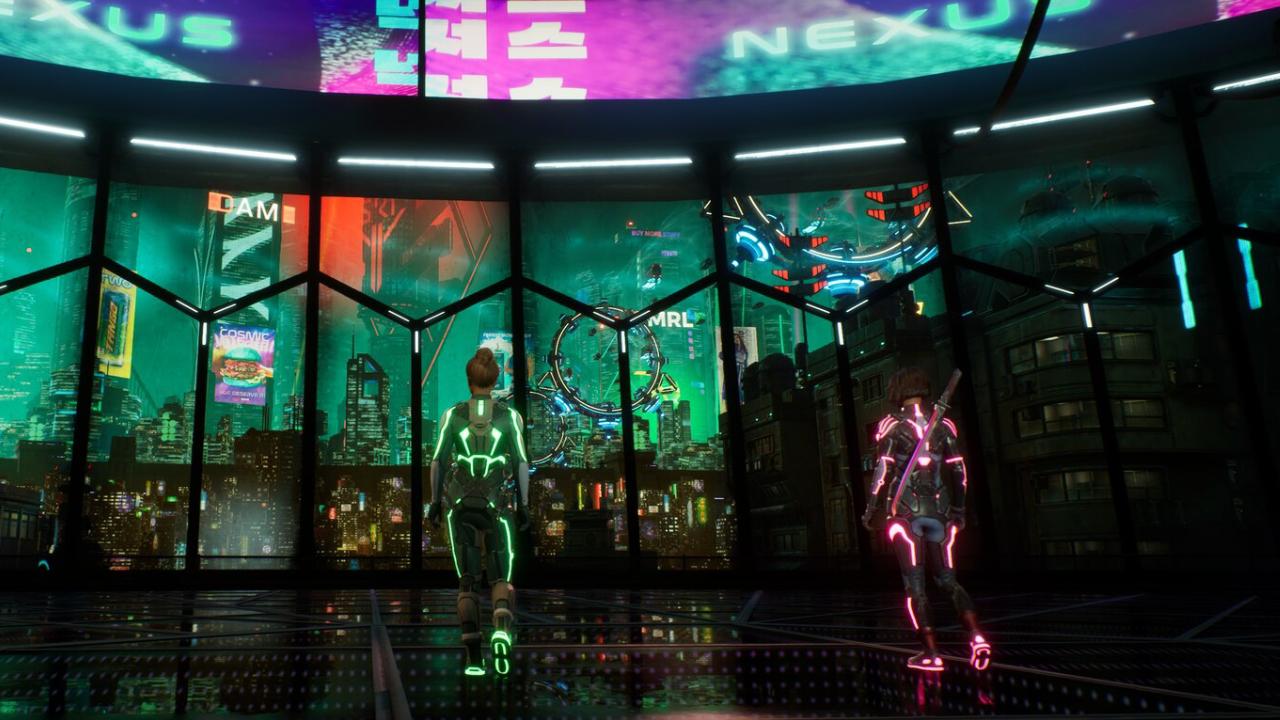
It's not true that Joseph Fares is an unimportant voice in the business. Because they care more about shared experiences than engagement metrics, his company has made co-op games that feel purposely human. People often talk about games like It Takes Two and Split Fiction as examples of what games can be like when imagination takes over, and making money doesn't matter. His point of view has more weight because of the situation, even if it goes against what most people think.
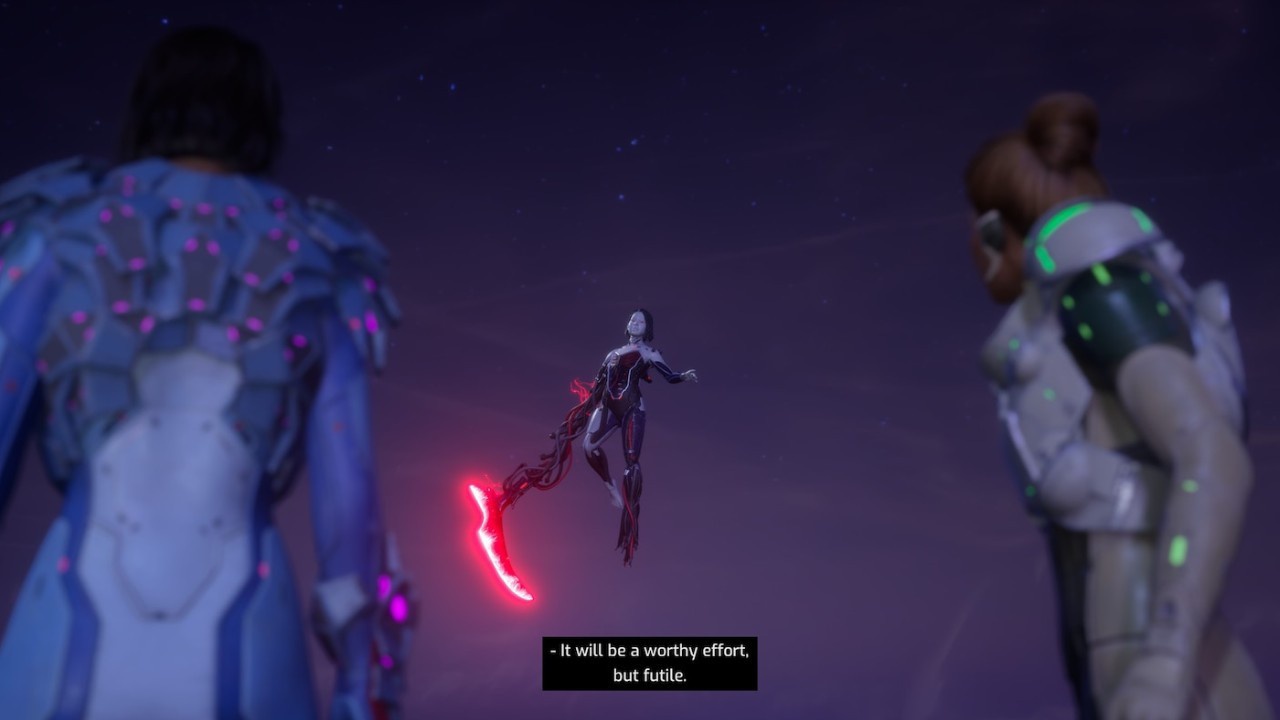
Many people have been told that the way Split Fiction is designed is no longer useful. The game didn't have any microtransactions or live-service features when it first came out, and you could play with other people without having to buy multiple copies. Playing with someone else doesn't require two copies. That choice directly contradicts the idea that being kind and making money can't go together.
The business world often says that friction leads to sales, but this game was both creative and profitable by removing hurdles rather than adding them. These choices were not missed by a publicist who wasn't paying attention. EA agreed with them. It was made easier for friends to play the game together by supporting and adding to the Friends Pass system.
Split Fiction went even further by letting players play on different platforms without any secret costs. These acts don't come from a publisher acting like a cartoon bad guy, only interested in making money. People often say that publishers will always get in the way and that creative freedom only happens when corporations don't watch out for it. Well, Fares says that wasn't the case here. He said the growth process was smooth and mostly free of interference.
No one asked for monetization hooks or fake engagement tools to be added.
The company could make any game it wanted, and that freedom had a direct effect on the game you played. Besides that, he brought up something that players don't often see: the internal dynamics that decide how much control a publisher really has. There is no hierarchy at Hazelight Studios, and the staff is small.
Concepts spread quickly. When someone has an idea, it is discussed and put into action right away, without going through multiple approval steps or groups. That setting will only work if the publication lets it. Watching all the time would break that flow, but that didn't happen here. Critics don't like EA's part when the game does well.
We usually appreciate stories that are easy to follow. It's easy and nice to think about a nasty publisher and a good developer. The truth isn't always clear. Fares said that publishers often make mistakes. There is an EA. He claimed the size is what makes them different. EA makes a lot of noise when it fails. Because of its magnitude, every error is easy to see, and people stop what they're doing to watch those moments. People will only talk about those faults in the end.
There is a problem with that selective remembering. It takes away the times when EA steps back, funds unusual projects, or decides not to get involved. There is Split Fiction because one of those lesser choices was made. It's still true that EA has done bad things in the past, but this makes it harder to say that the company can't back player-first design.
Here's where subtlety starts to feel weird. Keeping two thoughts in mind at once is harder than picking a side. EA has hurt trust in the industry by doing things that hurt both developers and fans. EA also made one of the best and most popular co-op games in recent years without adding any annoying monetization methods. You can have both things true at the same time.
As a player, this conflict is important to you. It breaks the habit of judging every project by the worst choices its publisher has made, instead of looking at the specifics of a game. When we think every result is already set, we miss opportunities to notice when something truly different happens. That doesn't mean past behavior is okay, but it does make people more responsible for their actions now, rather than forever being blamed for them.
It's also important to remember that companies like Hazelight don't succeed on their own. They need money to be made, copies to be sent out, and platform support. If a big publisher doesn't get involved, that choice of reserve is just as important as getting involved directly. Creative teams can try new things and take chances that they might not be able to handle if they were under more pressure from the company.
Fares's words bring up a part of the industry debate that doesn't get talked about very often. Public opinion is formed by news stories and anger cycles, not by what's really happening in the world every day. Behind the scenes, studios and publishers can have very different ties with each other depending on the project. Considering that all partnerships act the same makes things too easy in a field that already has trust issues.
This doesn't mean you have to like EA right away or forget about its past.
It's still reasonable to be skeptical. It shows that, in general, hate can prevent people from being honest in their evaluations. If a publisher backs a game that goes against unethical trends and still does well, that should be noticed, even if it makes people question long-held beliefs.
We quickly praise developers who listen to players, but we take longer to praise publishers when they let developers listen. There is a reason why Split Fiction exists. It happens because they are free to be creative, have the money, and are ready to stand up to industry pressure. Those things came together in a way that made something that many people really liked.
Despite everything else, this moment stops us. It asks whether the industry is better off with permanent bad guys or with holding companies responsible one at a time. You do not have to forget past mistakes to achieve present control. You just have to agree that the whole story is less organized than the part that fits in the comments.
The main point of the conversation these comments have started is not to support EA, but to question automatic anger. It asks us if we are ready to accept change when it happens, even if it comes from people we don't trust. This question is important because the future of games that focus on the player may rest on how often publishers are encouraged and allowed to take a back seat and let developers make games without any worries.
Editor, NoobFeed
Related News
No Data.