
Console Wars Heat Up as XBOX Brings Back Exclusives and Sony Doubles Down on PS5 Power
New exclusives, shifting PC strategy, and a return to platform identity are reshaping what you play and where you play it.
News by Mahi Araf on Jun 14, 2026
The console wars are officially back on, and you are watching both XBOX and Sony draw clearer lines again around what belongs where, especially when it comes to PlayStation and PS5 strategy. At a recent XBOX showcase, the energy in the room reportedly shifted the moment Asha Sharma announced that XBOX is bringing back console exclusives more intentionally.
You saw the reaction build immediately when Gears of War: E-Day and Clockwork Revolution were confirmed as part of that direction. These are not small announcements either, since they clearly laid out the timing: one game is targeting 2026, and the other is expected in 2027.
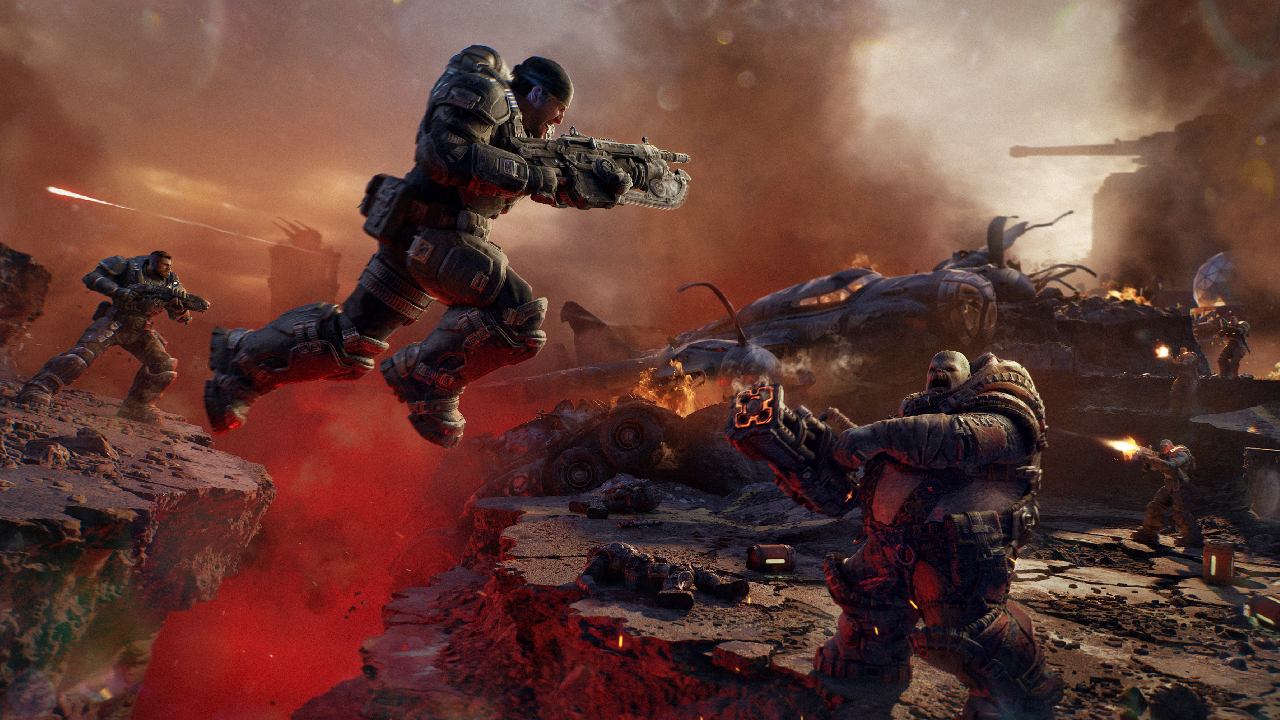
What makes this move stand out is how these titles came together in the first place.
They were not locked into strict contractual obligations early on, which allowed XBOX to shape them into console exclusives for the XBOX Series X and XBOX Series S. In that moment, the crowd's reaction was strong because it marked a shift many XBOX players have been asking for after a long stretch in which exclusives felt less central.
At the same time, you are also seeing Sony continue its own strategy, but in a more defined direction. Sony is leaning into true PlayStation exclusives again, especially with PS5-first single-player experiences. That means when new Sony first-party games arrive, they are expected to stay on PS5 and later PlayStation hardware, including the next-generation PlayStation 6.
But things are not as locked down as they used to be for XBOX games on PC. Even though Gears of War: E-Day is being treated as an XBOX console exclusive, you are still going to see it released on PC. More specifically, it will be available through the Xbox app on Windows and through Steam, which continues to dominate PC gaming.
That detail came directly from XBOX leadership during conversations around the showcase, where Matt Booty confirmed that these games will still release on Steam.
That matters because, for most people playing on PC, Steam is still the main place you go without much competition. It also shows that XBOX is not trying to cut off its PC audience, even as it tightens its console identity.
From your perspective, that means XBOX exclusivity is becoming more about consoles specifically, rather than the entire ecosystem. You can still play on PC, but the idea is to make the XBOX Series X and XBOX Series S feel more essential again.
Meanwhile, Sony has been showing that its own PlayStation ecosystem still has strong pull, especially when you look at titles like Forza Horizon 5 making their way across platforms and performing well in certain cases. At the same time, other releases like South of Midnight and Indiana Jones have not exactly met major sales expectations on PlayStation, which supports the idea that each platform still has its own strengths and limitations.
This is where things start to feel like a return to older console identity lines.
You are moving away from a period where PlayStation felt like the "default" console simply because it had the widest access to games. Now, PlayStation is being shaped again as the place for Sony's core first-party experiences, especially cinematic single-player games built around PS5 performance.
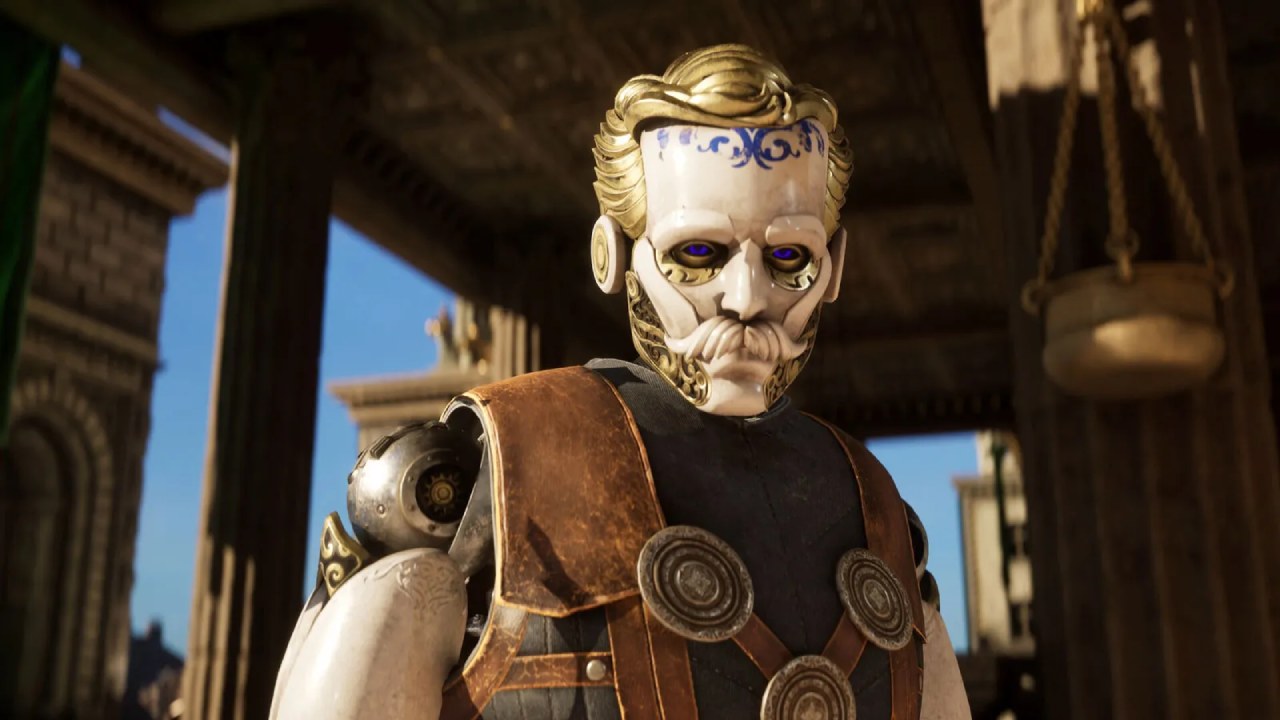
On the other side, XBOX is leaning into its own identity with franchises like Gears of War: E-Day and Clockwork Revolution, while also sitting on long-running series like Halo, Elder Scrolls, Fallout, and even Call of Duty, in the broader ecosystem. Even if some of those games are not exclusive, they still reinforce the idea of XBOX as a platform with a specific flavor of games.
At the same time, Steam is becoming even more clearly the default storefront for PC gaming. That creates a split where PC stays open, PlayStation stays curated around its ecosystem, and XBOX positions itself as a hybrid between console identity and PC accessibility.
There is also a bigger hardware reality affecting all of this.
Demand for the XBOX Series X is reportedly outpacing supply, even as overall demand for the console remains relatively low compared to previous generations. The issue is being linked in part to RAM and storage constraints that affect production, making it harder for XBOX to scale hardware availability even when interest spikes.
Also, the price point of modern consoles remains a factor. Even with strong-looking games like Gears of War: E-Day and Clockwork Revolution, you are still looking at a situation where software alone is not enough to carry a platform fully. Especially when you consider that upcoming releases like Halo Campaign Evolved and Fable are also in the mix, with Fable being pushed further into next year and not necessarily reinforcing short-term momentum.
There is also uncertainty around how exclusivity will actually apply in the long term.
Some titles that might traditionally feel like XBOX exclusives, such as newer entries in established franchises, are still showing up on PlayStation 5 at launch. That means things like Senua's next Hellblade being announced as a PS5 game right off the bat, which suggests that contractual obligations and platform agreements are still influencing where things land.
From your point of view as someone observing the ecosystem, this creates a bit of a transition phase in which the future of exclusives is not yet fully settled. XBOX may be moving toward tighter console exclusivity again, but some of the pipeline still carries older agreements that span platforms.
There is also some frustration on the PlayStation side when you look at players who picked up games like Gears Reloaded on PS5 and expected continuity that may not fully carry over. That kind of confusion stems from the shifting boundaries between platforms, especially when franchises change direction mid-generation.
At the same time, you are also seeing the broader history of gaming return to a familiar pattern.
For most of your gaming life, XBOX meant Halo, PlayStation meant Uncharted, and Nintendo was the separate space for more family-focused titles. That structure has always shaped how you chose consoles based on the games you wanted to play.
But things have not been that clean over the past several years. With so many games releasing across platforms, the need to own multiple consoles has become less about exclusives and more about convenience or preference. If you owned everything, you effectively had access to almost everything, but that also meant an overwhelming number of games competing for your time.
.jpg)
Now, with both Sony and XBOX pulling back toward more defined identities, you are seeing a shift back toward platform-based decision-making. Sony is reinforcing PS5 as the home of cinematic, third-person, story-driven exclusives. XBOX is embracing its identity with Gears, Halo, and other darker or more action-heavy titles that make up its ecosystem.
And even though there is still debate about whether exclusives are good or bad for players, the reality is that they continue to shape how platforms compete.
Without exclusives, it becomes harder for any console to stand out. That is part of why both Sony and XBOX are tightening their strategies again instead of fully leaning into universal releases.
There is also a noticeable divide in how people feel about this shift. Some like that it's all available everywhere, but others still want the identity exclusives that a platform brings. From a competitive standpoint, exclusives also push both Sony and XBOX to invest more heavily in defining what makes their ecosystems different.
In the end, you are seeing XBOX reintroduce console-focused exclusivity while keeping PC open, Sony doubling down on PS5-first experiences, and Steam continuing to dominate PC gaming as the default destination. It creates a clearer split between platforms again, even if the lines are not as rigid as they once were.
And for you as a player, that means the console you choose starts to matter a bit more again, especially as both Sony and XBOX continue shaping their identities around the games they want you to associate with their hardware.
Senior Editor, NoobFeed
Related News
No Data.