
Highguard’s Bold Launch Dream Collides With Market Reality
People who played the game dropped off a lot after it debuted at the Game Awards. Now, the words of a former developer have brought up the problems of hype, criticism, and the risks of live service games again.
News by M. Hasan on Feb 14, 2026
That looked like it would be a big step forward. Highguard was the last act at The Game Awards 2025. The stage was big, and the lights were bright. For a short time, it felt like the start of something big. But after a few weeks, the fun stopped and was replaced by tough questions about how to talk, what to expect, and what makes a shared game last. Highguard is a free-to-play PvP raid gun game developed by the small company Wildlight.
Those who worked on it had also worked on Titanfall and Apex Legends. People looked twice at that link alone. The question of whether this would become the next big thing in the game was asked by many. Almost 97,000 people joined right away on Steam alone, according to sources. On paper, that looked like a good start.
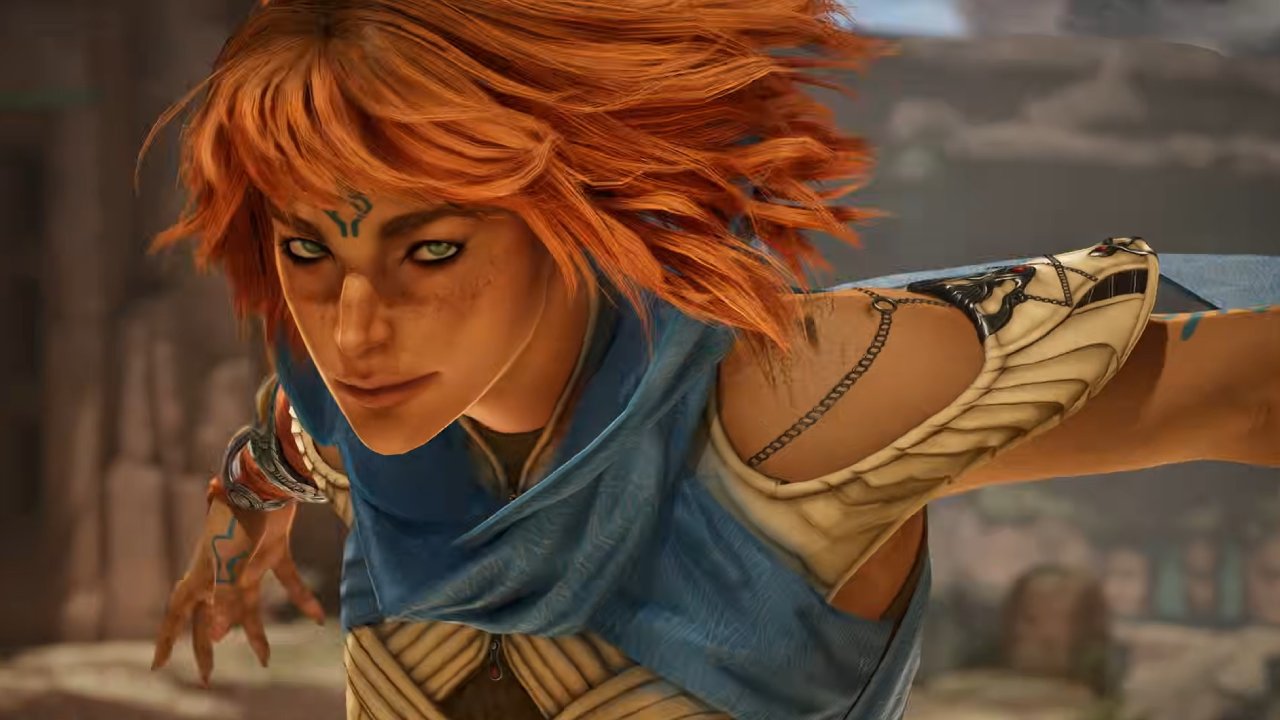
People who played dropped by more than 80% in just 24 hours, it was said.
The number kept going down over the next few weeks. These days, about 2,600 people have been there at the same time on the biggest day. It's scary when that many people leave a live service game that needs a lot of people to play.
Some people have not liked it. So far, 44% of the reviews on Steam for the game have given it a good grade. Many reviewers have given scores in the mid-60s, which is about the middle of the range. A lot of players agree that Highguard isn't bad, but they also don't think they need to keep using it. And these days, "not bad" isn't always enough in the online world.
Things got worse when Wildlight had to let people go. Several developers told reporters that their jobs had been cut, and the company later admitted that staff had been let go. The game is still being worked on by a small team, according to Wildlight. However, many people now believe that Highguard may need to scale back its plans for a bigger live service.
While all of this was going on, a coder who used to work on the team made a long post about it. A lot of people shared the post right away. He or she talked about how sure the team was before the project began. The reaction from inside was good. The people around them believed the game had a chance to become a "mainstream hit." People were very proud of their work.
However, that hope didn't last when it was shared with more people.
The person who developed the game said that harsh reviews, negative online chatter, and the way players act all affected how people first thought about it. Many people have replied to the message. Some people agreed that online dogpiling can be rude and wrong. Some people said it was more than just something to talk about on social media.
Marketing is a big part of the problem. Some say that Highguard was meant to be a surprise shadow drop at first. It was the very last thing played at The Game Awards 2025. People have high hopes for that great place. At that point in time, people generally look forward to a big sequel or the return of a long-awaited brand. Instead, they got a new IP in a genre where there are already a lot of games.
Advertisements made it sound like the team had a lot to do with Titanfall and Apex Legends, even though it was already tough. Then some fans thought that something new, quick, and dangerous would come out soon. Some things about Highguard were different, but it didn't quite fit that imagined future. Different kinds of games were put together in a way that had several rounds. In the first part, you stole things and played goals. Base raids came next. This flow wasn't always fun for all of the teams.
Problems with the servers and other tech at the start made the early talks frustrating for some users.
In free-to-play games, the first thing that you see is very important. Most of the time, when someone isn't interested, they move on right away. There were, however, a lot of gamers who knew the difference between personal attacks and helpful advice. The person who used to be a coder said they were verbally and physically abused online. A lot of people believe that going after individual coders is too much.
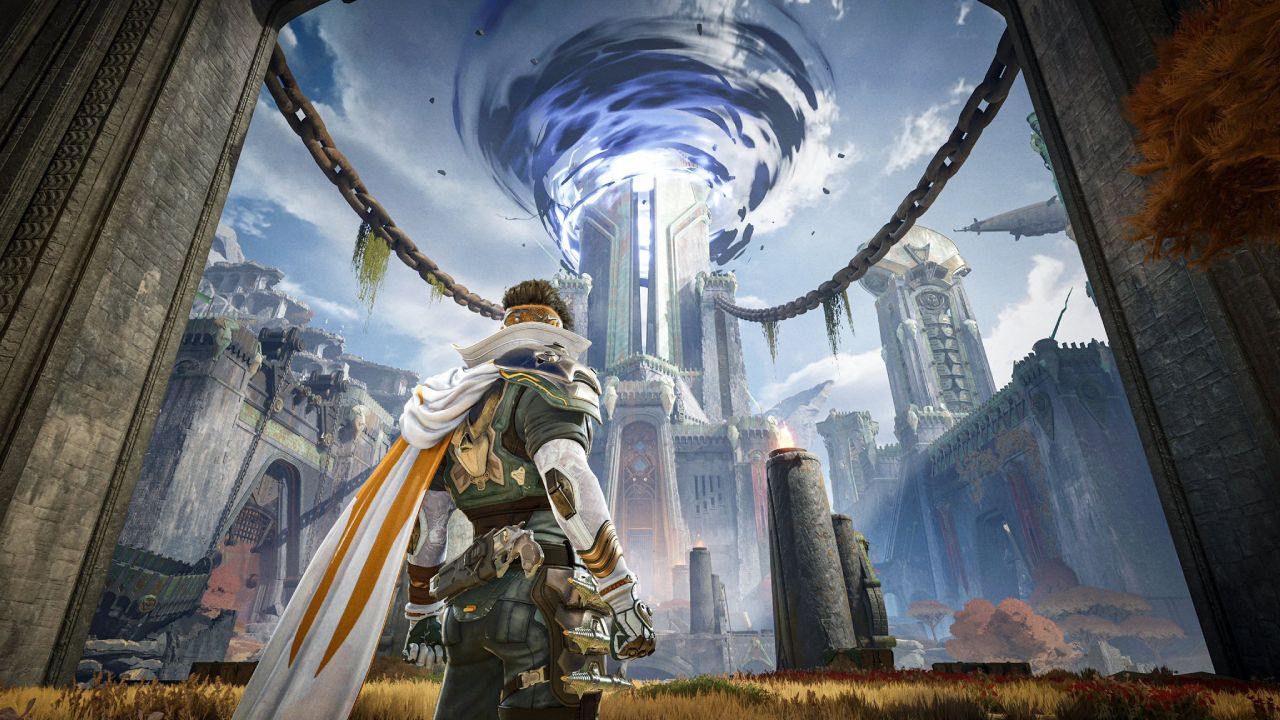
It's one thing to say bad things about a game, but it's another to attack the people who developed it. Teams don't have to stick with a game, even if they worked hard on it. There are many nice online games that are always getting new updates, so it's tough to stand out. If live service games want to stay in business, they need to show players right away why they're worth their time.
Another issue that has been brought up is the lack of large-scale public testing before the start. People who know about Highguard say it didn't have an early access or open test phase. That meant that a lot of the feedback that was given before the release came from small groups within the company.
Some people who follow the business think that problems with design or balance could have been found faster with more testing. The numbers tell us some of the story. Almost 100,000 people tried Top Guard on the first day. A lot of them left. Long-term interest wasn't strong enough, even though there was a lot of wonder.
In live service games, keeping players is usually more important than getting them excited at the start. They are brave to work on a live service project since they are not part of a bigger company. These games need to be updated often, have infrastructure costs, and always have people in the community interacting with them.
If they do well, they can make a steady income and stay that way for a long time.
It can be bad and quick for the cash when they don't. I don't like it when studios have problems. It takes years of hard work and a lot of teamwork to make games. A great many people wished Highguard the best of luck. It seems like some of the sadness is shared. It's about the fun and what people want to see. It's about the risks that come with writing about something that everyone wants to read.
Web commentaries can make things better, whether good or bad. The song is also about how hard it is to start something new when big things are already going on. Wildlight says that its helpers are still here. Still too early to tell if that help will help them get better. Games can be surprising. But it doesn't happen very often.
Right now, Highguard shows that a good start doesn't always mean a game will last. People have a lot of choices, so getting their attention is only half the battle. Keeping it is the real job. One question that won't go away is whether the industry will learn from Highguard's mistake or whether another brave live service is about to take the same risk.
Editor, NoobFeed
Related News
No Data.