
Highguard Vanishes, Comes Back, and Somehow Pulls Everyone In
Another live service FPS in Highguard gets dragged after The Game Awards, goes silent for 43 days, then launches into a wave of curiosity.
News by Mahi Araf on Jan 29, 2026
If you have been following gaming news lately, you have probably seen Highguard popping up everywhere, even if it is mostly because people could not stop talking about how strange its rollout has been. This is a new live service FPS from developers who previously worked on Titanfall and Apex Legends.
The game first showed up at The Game Awards 2025, and not just anywhere, either. It was the final announcement of the entire show, which is basically the spot that comes with the biggest expectations.
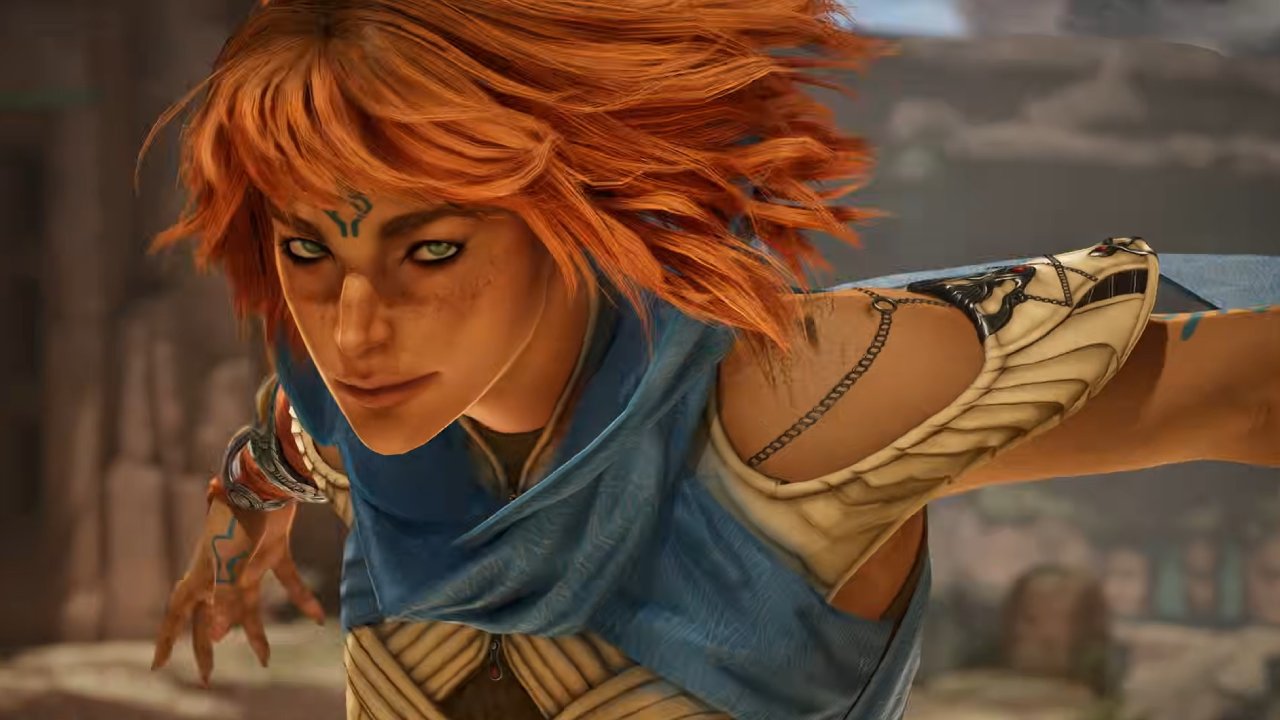
The problem is that when you get that slot, you also inherit the pressure that comes with it, and viewers at home were not impressed. Between the disappointment of it being the closing reveal and the general fatigue around the genre itself, Highguard took a ton of hate almost immediately.
You have seen it happen plenty of times. A game gets revealed, people clown on it, and then it fades out of the conversation. What made Highguard stand out is what happened next, because it did not follow the usual path at all. Even though the game had a release date that was only a few weeks away, the developer, Wildlight, basically vanished.
You got nothing. No trailers, no updates, not even a simple tweet for over a month.
Forty-three days went by with silence, and you could feel the speculation building because it started to look like the game might not even launch. Then, with only three days left before release, Wildlight suddenly reappeared, announced a launch showcase, and reconfirmed the date.
If you are the type of person who gets interested when something feels off, that kind of disappearance probably pulled you in even more, because, excuse my lack of a better word, it was just so nonchalant. The oddness made you want to see what was going on, and now that the game is here, there's a lot to unpack.
The first thing you notice when you get into Highguard is that it tries to do a lot in one go. First, you build your base and prepare it to handle enemies. Then you go out into the world to loot, which means opening chests, getting armor, and gathering materials, just like in any other FPS game.
Then, after a set amount of time, a device called the Shieldbreaker spawns, and that is when the match starts pushing both teams toward the same objective. Each team fights to capture it, and once you have it, you bring it to the enemy base to start a raid. During the raid, the attacking team is trying to plant bombs and damage the base, and whichever base hits zero health first loses the match.
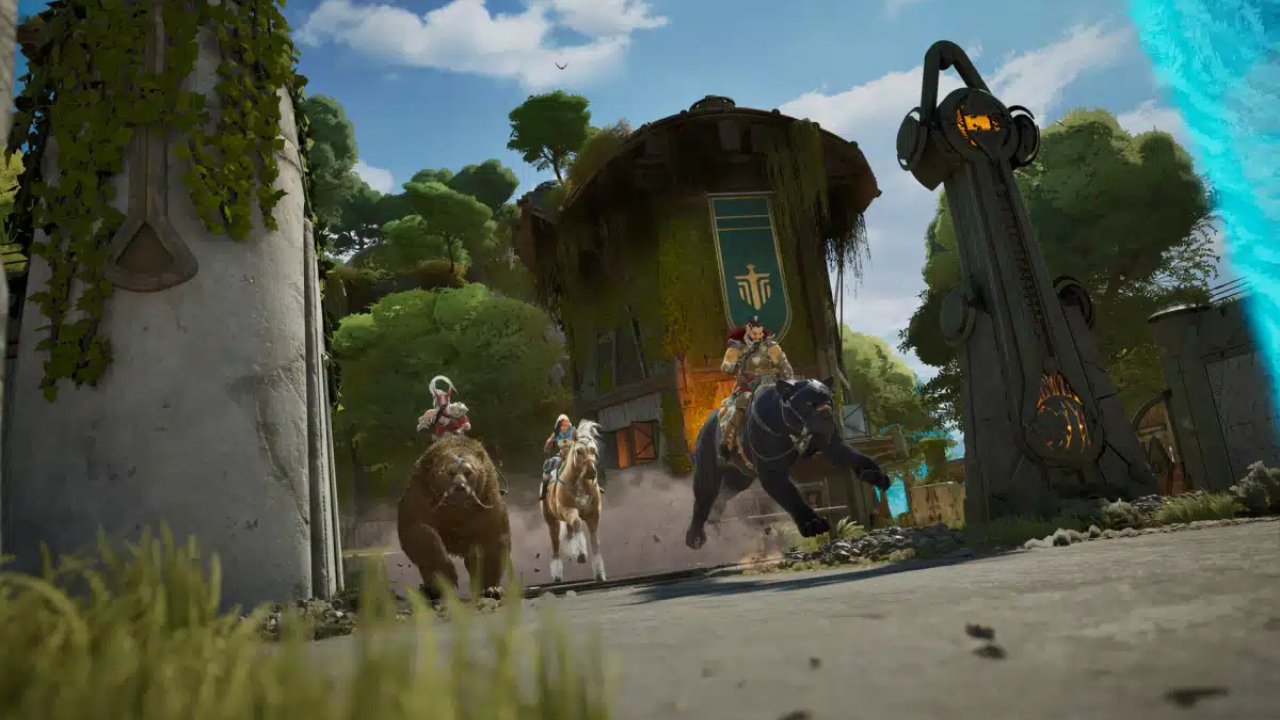
If that sounds like a lot to keep track of, that's because it is, and you will probably find yourself simplifying it the same way most people do once they play a few rounds. You fortify first, then you loot, and then you either attack or defend depending on who secures the Shieldbreaker. That is the clean version, even if the match still has many moving parts when you are in it.
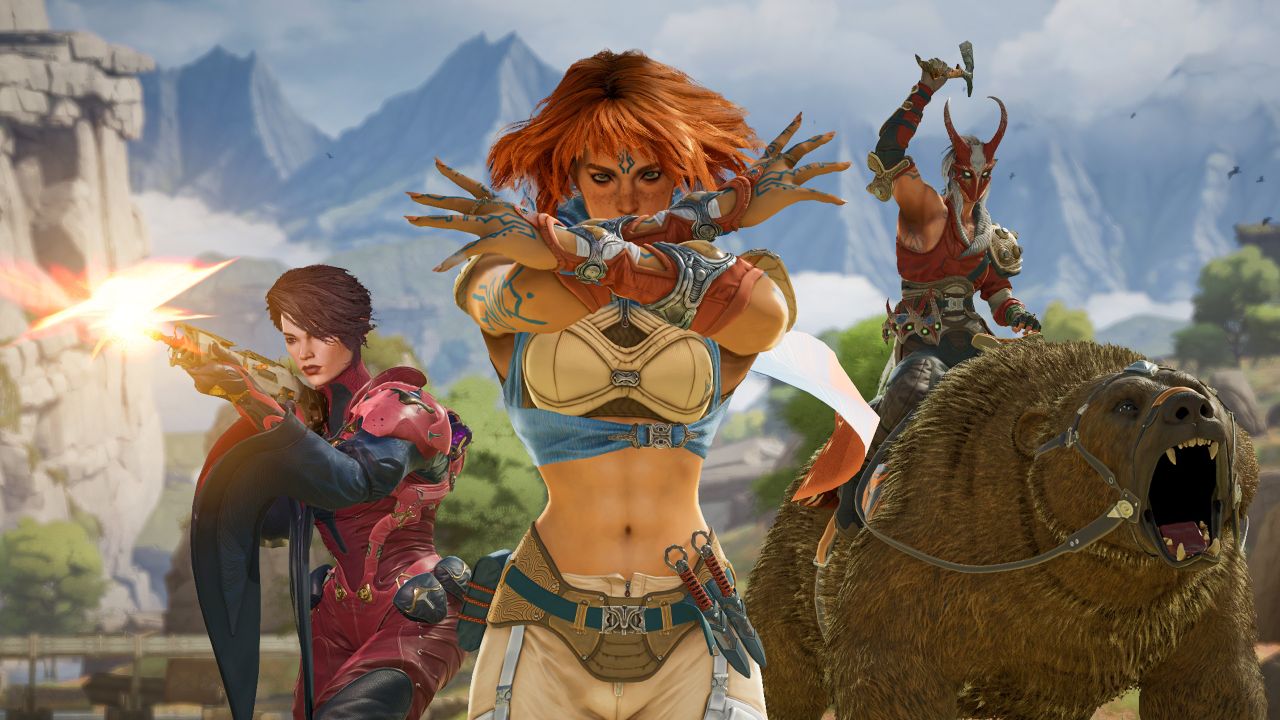
On top of all that, your character comes with hero abilities, which is exactly what it sounds like. You have abilities like a bird that spots enemies for you, a claw slash that can break through barricaded walls, a protective barrier summon, and more, you get the idea, I presume.
Your weapons are the usual lineup you would expect in an FPS like this, including SMGs and assault rifles, and you can upgrade them either through loot drops or by using materials at a shop. One of the more noticeable mechanics is the mounts you can jump onto at almost any point, which let you move faster across the battlefield and race toward objectives.
When you step back and look at everything, you can see why the developers have been talking up the style of the game as something new.
Highguard is trying to blend a bunch of systems that normally live in separate games. But once you start breaking it down, you also start noticing that most of the pieces are familiar. Fortifying your base has a Rainbow Six Siege vibe. The looting across the map feels like what you would do in a battle royale. The Shieldbreaker, at its core, is a more dressed-up version of an objective like Capture the Flag. The raid segment plays like a faster, more direct version of Search and Destroy.
You are still getting a different experience because of how it combines everything, but if you are looking for one single mechanic that makes you say, "This is why you need to play Highguard," it is harder to point to, because so much of it exists elsewhere in different forms.
That concern ties into what you might wonder about the game long-term. When a game is built like this, you start asking whether people will stick around once the initial curiosity wears off. At the same time, it is not like the game has zero fun moments, because it definitely does. The fights can feel exciting, especially when you are defending your base or breaking through a wall to rush someone. The race to the Shieldbreaker can also be a good time, especially when you are flying in on mounts or weaving around enemies.
The issue is that those moments are spaced out by a lot of downtime, and you feel it every match. The opening defense stage feels thin because you place a handful of wall reinforcements, and then you are basically waiting on the timer.
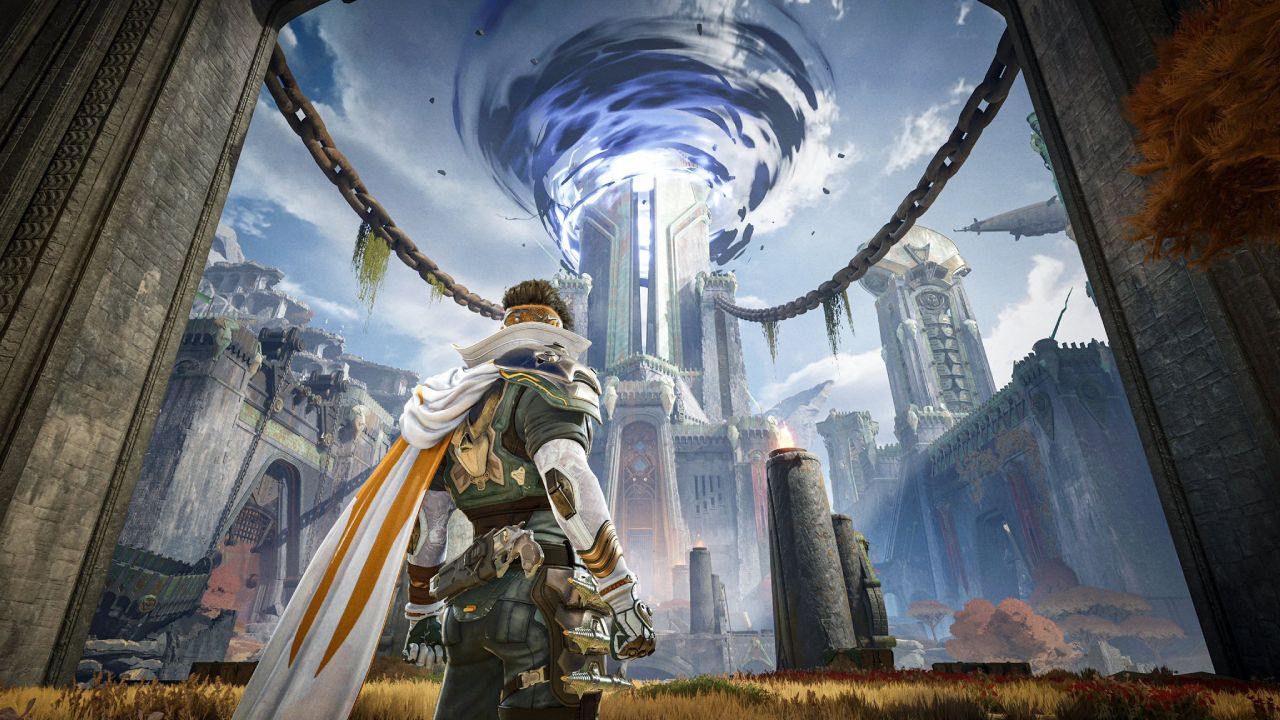
The looting phase often feels quiet too, unless you go out of your way to hunt for fights. And right now, you might not even feel motivated to do that, because enemies do not drop anything during that stage. So you end up spending the first several minutes doing practically nothing, and even if the later parts can pay off, it is still a lot to ask players to repeat that slow start every single match.
You can look at that and say it is the kind of thing that could be improved with updates, because it probably can, but as it stands, it is a noticeable pacing problem.
Another thing you will see people arguing about is the 3v3 format. You might not even know where you stand on it right away because the match changes tone depending on which phase you are in. During looting and the Shieldbreaker segments, 3v3 can feel a bit light, like the map has room for more chaos. But then you hit the raid sections, and if you added more players, the game could become a mess because those areas are so tight. You can imagine 4v4 maybe working, but it is not obvious that it would be better across the whole match.
Where things feel less debatable is in the areas that just seem missing. Optimization and settings are a big one. There are not nearly enough options if you are the type of player who wants to fine-tune performance or take the game seriously.
Some basic settings are not even there, like the ability to turn off motion blur, and that is the kind of thing that immediately makes people feel like the game is not ready for competitive players. On top of that, you can already feel the need for more maps and modes if the game wants to stay playable over time.
But the weirdest omission, and the one that is hard to believe in 2026, is stats.
You do not have an in-game scoreboard, and you also do not seem to have profile stats you can check afterward. For a multiplayer game that wants to sit in the competitive space, not having any real stat tracking is wild. Even if you are not a hardcore player, it is still basic information you'd want to see.
After a few hours with the game, your takeaway might end up being a lot calmer than the internet made it sound. Highguard is not the disaster people were acting like it would be. There is nothing here that feels like a train wreck, nothing that is so broken that it becomes a joke for years, and nothing that deserves the level of anger that came with its reveal.
At the same time, it is not some must-play masterpiece either. It feels more like an okayish foundation, and you can absolutely see a version of this where a dedicated audience latches onto it and keeps it going. Whether that audience ends up being big or small is the real question.
A lot of that performance question is tied to the marketing story of Highguard because the rollout became part of the appeal. After the Game Awards, you would normally expect a steady flow of trailers and updates leading into launch, but instead you got silence, and the internet basically spent that gap tearing the game down.
You know how that cycle works. Once a game becomes the butt of the joke, it's hard to change that idea in people’s minds. Any trailer gets a lot of dislikes, any tweet gets drowned out by memes, and any public statement sounds like damage control. Wildlight avoided the drama instead of getting involved in that mess. And basically, that studio is public enemy number one, and as for Wildlight, it’s no different.
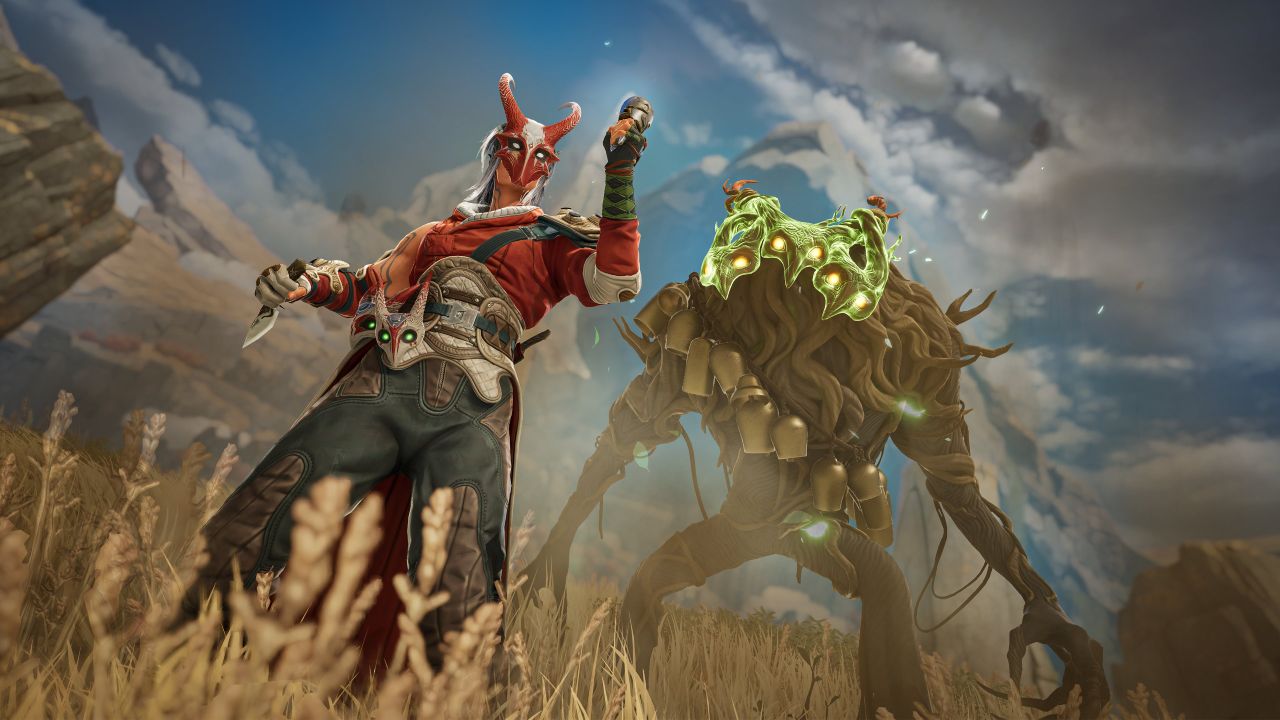
The thing is, according to the studio, that quiet period was not even a panic move. Wildlight CEO Dusty Welch said the plan throughout development was to do a shadow drop, similar to what Respawn did with Apex Legends back in 2019.
Geoff Keighley gave them the last spot at The Game Awards after seeing them early and liking what he saw. That offer was supposed to be a big deal, but it went wrong when the internet didn't like the reveal. Jason McCord, the creative director, also said that the plan was always to go dark after The Game Awards.
The silence turned Highguard into a mystery people could not stop tracking.
Content creators started talking about where the game went and what was happening behind the scenes, and if you were watching those videos, you probably wanted to see how it ended. In an ironic way, the studio managed to pull off one of the hardest parts of releasing a game right now, which is getting attention and staying in the conversation.
And the launch numbers suggest that curiosity worked. Highguard reportedly hit close to 100,000 concurrent players on Steam at its day one peak, which is a strong number even before you factor in that Steam is only one of the platforms it is on. On Twitch, the game also pulled in over 300,000 total viewers across streams.
Now you are left with the part that actually matters, which is what happens after the initial spike. There is basically no world where those numbers do not drop over the following days, because that is what happens to almost everything at launch. The real hope is that enough players stick around to keep the game running.
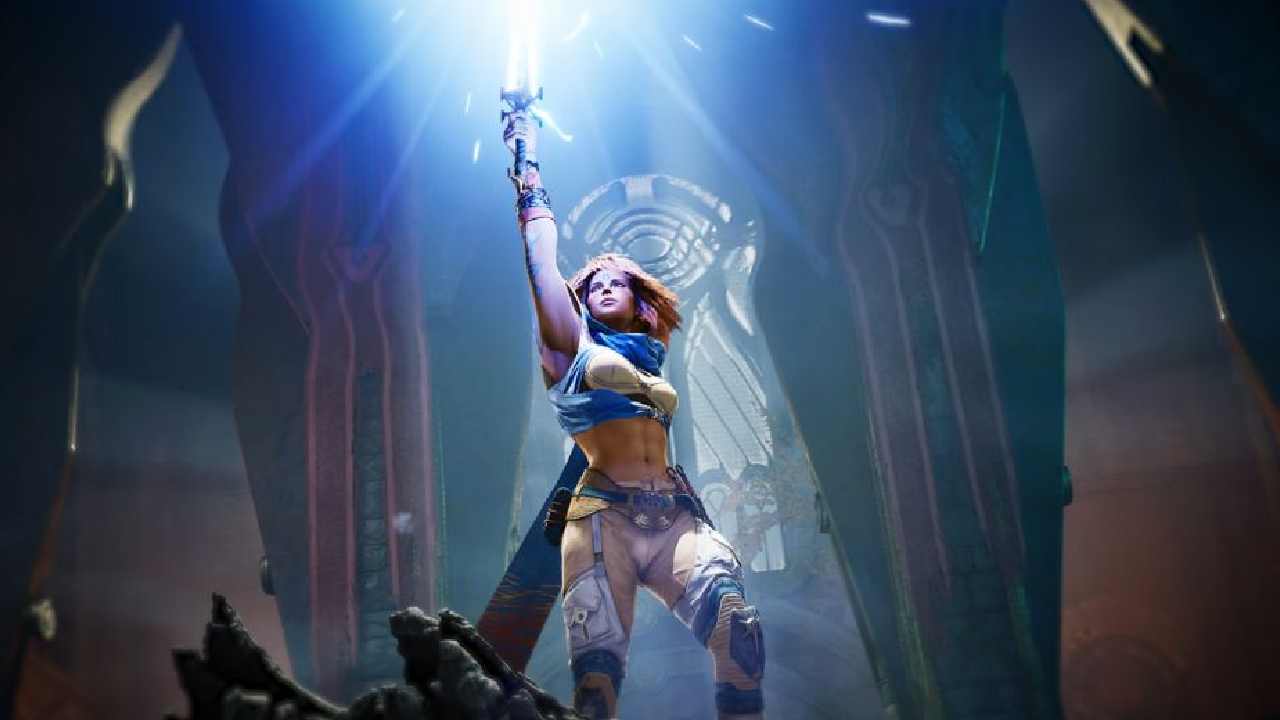
When you look back at the whole saga, it can feel a little anticlimactic, because you spent weeks hearing theories about this mystery FPS that vanished after closing the biggest show of the year, and then you finally play it and realize it is just a pretty normal experience. And maybe that is the point. Not every game is either the best thing ever or a total disaster. Sometimes it is just okay, and some people will love that okay game and play it for a long time, and other people will bounce off it.
You can still question whether Highguard should have been the final Game Awards reveal, but you also cannot really argue that it deserved to be treated as harshly as it was. In the end, Highguard might be one of the most okay games you have played in a while, and weirdly, that is still a better outcome than what the internet had you expecting.
Senior Editor, NoobFeed
Related News
No Data.