
Panther Lake Processors: Intel’s Big Leap in Performance, AI, and Efficiency
Panther Lake delivers significant improvements in efficiency, AI capability, and performance through Intel’s advanced 18A process and updated architecture.
News by Masaru Hoshino on Jan 20, 2026
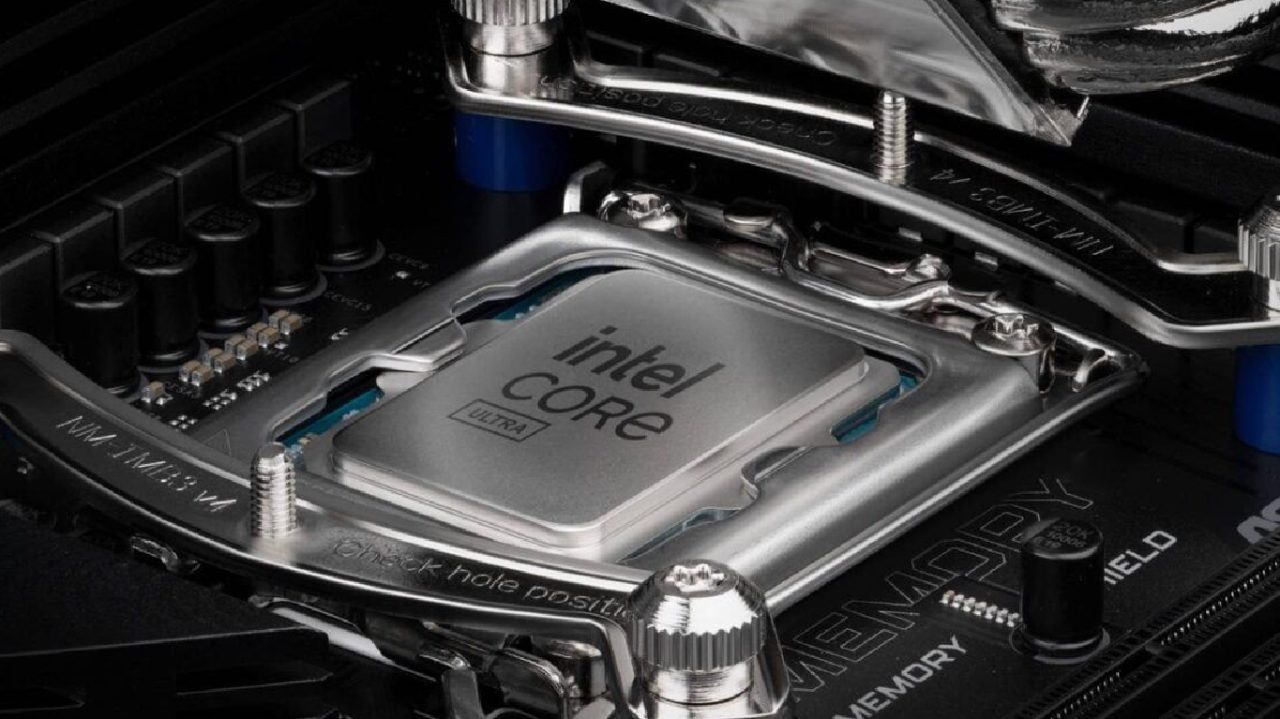
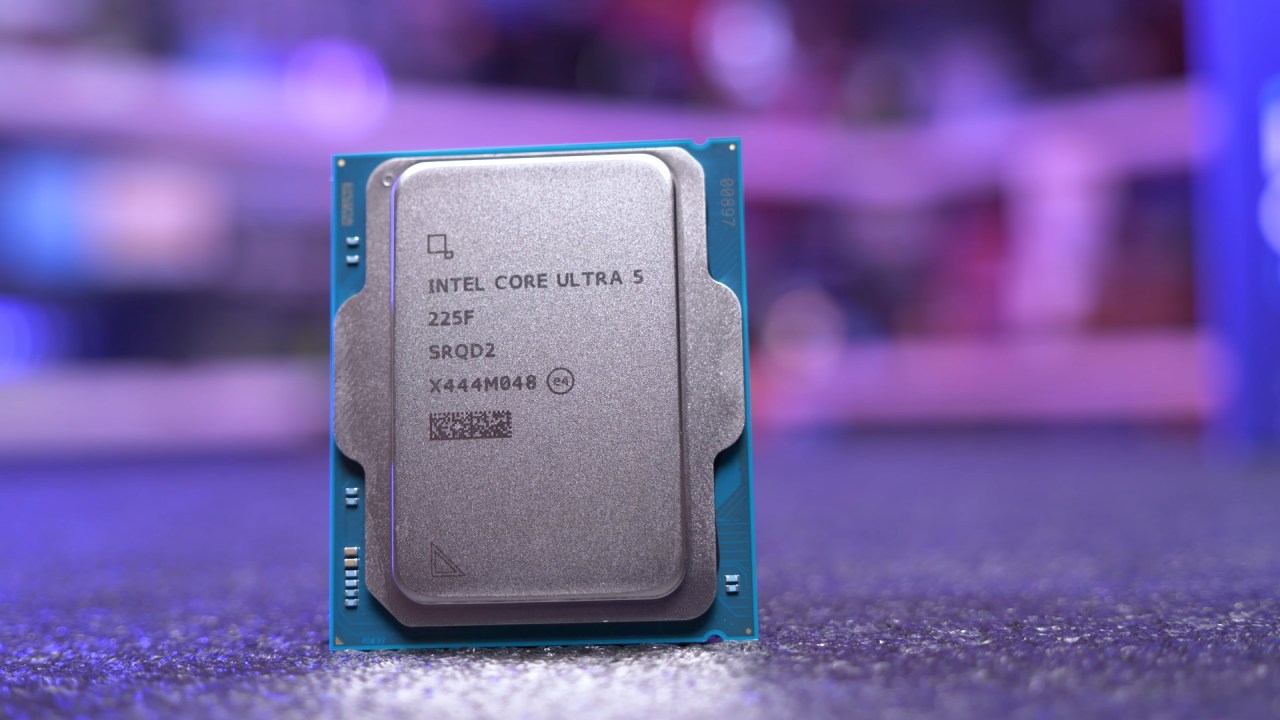
Consumer Electronics Show (CES) is still a significant event where new technology is showcased. Intel kept a strong focus on consumers this year, even though many firms were focused on their own business goals. They did this by releasing their new Core Ultra Series 3 CPUs, commonly known as Panther Lake.
Intel's hardware teams and foundry division have been working on these CPUs for years. The chips are constructed on the company's own 18A node. It's becoming increasingly evident what the benefits of this work will be.
At CES, Intel discussed the importance of localized AI processing and why it's better to keep computation on the user's device rather than relying solely on cloud servers. CEO of Perplexity came on stage to discuss a hybrid AI infrastructure that blends cloud components with powerful device-level processing.
Intel talked about these things, along with big performance and efficiency improvements, coming to the Core Ultra Series 3.
Intel wanted to build an architecture that could work across everything from thin-and-light laptops to robots, smart city systems, and automation solutions. Panther Lake wants to combine the power efficiency of the old Core Ultra 200V Lunar Lake chips with the performance of the new Core Ultra 200H Arrow Lake processors. They have more than 200 design implementations planned.
These CPUs are made to use very little electricity while still giving you a big boost in performance. Intel says its new chips deliver 50% better multithreaded performance at the same power levels as the previous generation.
They also say that scaling is better at higher power levels. This is made possible by new Darkmon EC cores, Cougar Cove PC cores, and several architectural improvements that improve system efficiency.
AI capabilities are a major factor in what makes Panther Lake what it is. Users can manage larger, localized AI models with up to 180 TOPS on the platform, which includes CPU cores, the next-gen NPU 5, and the Xe3 GPU. These systems can handle memory-intensive tasks because they support up to 96GB of memory and up to 9600MT/s.
Panther Lake also makes it easier to connect by adding up to 20 PCIe lanes in some configurations, including 12 PCIe Gen5 lanes. Intel Wi-Fi 7, Intel Bluetooth Core 6, and Thunderbolt support are among the other technologies that give you many options for using the device.
Real-world testing gave us useful information beyond the keynote and technical claims. Intel let people try out many laptops powered by the new 18A-based Panther Lake CPUs. In the Intel Core Ultra Lounge, systems showcased models that demonstrated hybrid AI and video conferencing, showing how little power they used, in line with expectations for all-day battery life.
Demonstrations of object masking in video editing software showed how to use the new hardware to simplify content development workflows. The gaming zone was the most popular part of the event, though. It included comfy sets and a variety of games for people to try out.
Intel's Tom Peterson (TAP) gave a detailed presentation on the new Xe3 GPUs for an hour dedicated to the topic at the Intel Arc Zone. Depending on how it's set up, the new hardware can support up to 12 Xe3 cores.
Updates focus on ray tracing, AI processing, and overall game performance.
Intel says that its graphics performance per watt is more than 40% greater than Arrow Lake and more than 50% better than Lunar Lake. The Core Ultra 9 288V was said to have gains of up to 77%.
Software updates are also very important, especially with the new XeSS3 technology. XeSS3 lets integrated graphics render multiple frames; for every frame rendered in the usual way, three AI-generated frames are generated. TAP focused on making things smoother and reducing latency, which have always been the most difficult parts of frame creation.
Testing in the Arc Zone allows the ARC B390 integrated GPUs to be benchmarked without restrictions. Some games came with the system, and others could be added later for testing. The performance was surprisingly good, with gaming results that were better than expected for integrated graphics. Other CES reviewers had similar thoughts, which shows how important Panther Lake's improvement has been over prior generations.
The multi-frame generation based on XeSS3 was quite responsive and smooth. The apparent latency was almost nonexistent compared to other frame-generating solutions. The picture quality was quite good across all screens, with very little ghosting, artifacting, or other common problems associated with AI-enhanced visuals.
Xe3 GPUs are a big step forward, offering better native performance, lower power consumption, and AI-assisted capabilities. Games performed at higher settings and with smoother frame rates than usual on integrated graphics. This marks the beginning of a new era for Intel's integrated solutions.
Panther Lake is a big step forward for Intel, bringing improvements that older architectures couldn't accomplish. Several Core Ultra Series 3 devices are already available for pre-order, so people may see these changes for themselves. Panther Lake is one of the most intriguing innovations in consumer computing for 2026 because it combines performance, efficiency, AI processing, and graphics power.
Editor, NoobFeed
Related News
No Data.