
PlayStation 6 Release Timeline Sparks Debate as Sony Weighs Delays
Analysts and industry signals suggest Sony may extend the PS5 era while quietly preparing its next-generation console.
News by Nami Tanaka on Jan 29, 2026
There is more talk about the next version of PlayStation hardware due to industry chatter, analyst opinions, and general economic uncertainty. Recently, people have been discussing whether the PlayStation 6 will launch on time or face a major delay. Although there has been no direct confirmation of a change, the idea that Sony may extend the PlayStation 5's life cycle is becoming more common. This is especially true as costs, development timelines, and customer sentiment all come into conflict.
At the heart of the argument is the idea that the PS5 generation might last longer than first thought, which would mean that the PlayStation 6 might not come out in time for the holidays in 2027 as most people thought it would. This point of view comes mostly from analyst interpretation and not from inside information or leaks.
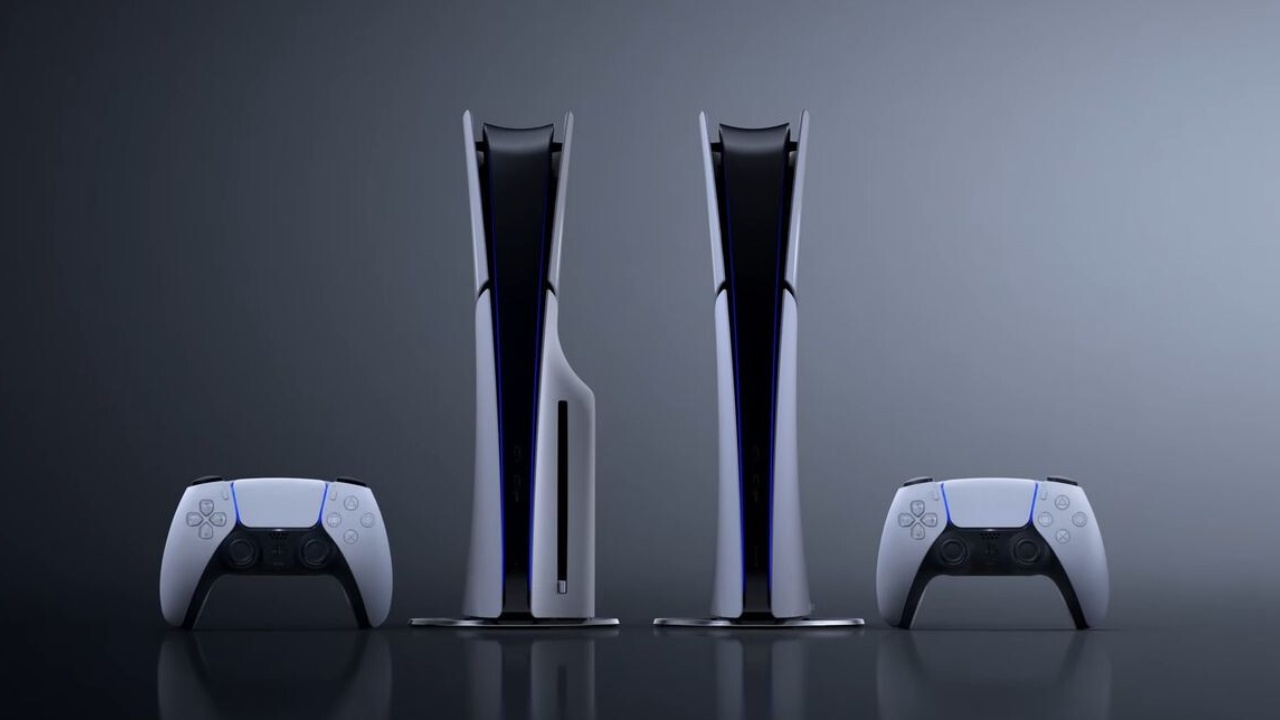
.jpg)
It is based on a bigger picture of the world rather than personal experience. Economic pressures, rising component prices, taxes, and changes in RAM and storage prices make releasing new hardware for the next generation more difficult than in the past.
Since the PlayStation 3, new generations have come out every seven years on average.
This makes a 2027 launch sound both far away and familiar. In the past, people moved faster, but the realities of modern growth have lengthened timelines. These days, it usually takes five, six, or even seven years to make a game, and many big teams haven't even put out a new game this generation. Because of this, many gamers still think they have a lot to play and catch up on, so they don't see the need for a new system right away.
The facts of this generation's start make that feeling stronger. Supply issues and global problems pushed back the PlayStation 5's release by almost 2 years. Lots of people still think that this group is just now getting into its stride. There are still huge backlogs, companies are still releasing big games, and new hardware versions have just hit the market. From that point of view, many people don't think it's unfair to wait until 2028 or even a little later.
But it's also evident that people don't want to wait too long. It's fine if the release date is pushed back a little, but pushing it out to 2029 or 2030 makes people worry that things will get stuck and that the returns will go down. The hardware that comes with a console is what makes it a console, and once the specs are set, time may be good and bad. Software developers should aim to build stable technology, but that implies the system doesn't improve as other tech does.
This is where the supposed PlayStation 6's technical base becomes very important.
Reports say the core design of the system may already be complete, with the system-on-a-chip printed and ready for fabrication. A console takes years to make because of all the study, contracts, and working together with hardware partners that go into it. As soon as a chipset reaches that point, waiting too long becomes less and less useful. If you wait years to release finished silicon, the gear might feel old from the start.
Because of this, the idea of a huge delay and a full redesign doesn't make sense. If the whole system were reworked to fit a much later technology plan, the project would start over, and the console would not come out until well into the next decade. That kind of move would cost a lot of money and undo years of planning. Instead of pausing a console that is already in production, it would make more sense to build a new one at a later time if a longer wait is really wanted.
A big part of the conversation is also pricing. In the past, consoles have been released at a cost, with profits made from software and services. But producers can only take so much of a loss before they give up. High per-unit losses were harmful in the past, even when ecosystems are profitable in the long run. Even though network services, contracts, and digital sales are making more money than ever, hardware prices still need to be fair to keep things moving forward and keep investors confident.
As the prices of the parts rise, achieving that balance becomes harder. An important part of any current console's bill of materials is its memory and storage, which are very expensive. Even if long-term gains can make up for early losses, businesses remain wary of repeating situations in which each console sold results in a big loss. This worry naturally leads to conversations about when to launch, how much to charge, and whether it makes more sense to start sooner or later.
Demand from outside fan groups is another factor often forgotten.
A lot of people are okay with waiting based on online chatter, but many aren't paying attention to hardware rumors or industry analysis. They would still be very interested in a new PlayStation released around the holidays, provided it's not too expensive. In the past, platforms have sold well when they were easy to find, easy to recognize, and not too expensive. This is true even when the economy is bad.
That idea is supported by how well the PlayStation 5 works. Even though it sells for more on average than its predecessor, it has continued to sell at about the same rate. That shows people are still willing to spend a lot of money on high-end game hardware, especially if it's a clear step forward for the next generation. A PlayStation 6 that comes out in late 2027 might still do well, as long as the price doesn't go too high.
The presence of mid-generation tech makes things even more complicated. Smaller updates make it harder to tell the difference between versions and make the jump to the next system seem less big. These updates can make a generation more useful for longer and add new technologies, but they also close the gap that usually marks the start of a new computer generation. When returns are going down, time is even more important to ensure the next system feels truly unique.
There should be a clear reason for the delay if it does happen. If a small delay increases profits or keeps prices stable, it might be worth it. If there is a long delay without any significant hardware changes, the start itself might not have as much effect. If the technology is already set, waiting too long will make it less useful. That being the case, it might be better to stick to the plan than to keep putting it off.
In the end, a launch close to expectations is still the most likely outcome. Progress was made a long time ago, and important choices have already been made. It will be hard to stop the momentum. Even though small changes are always possible, the idea of a big change is becoming increasingly unlikely. There is no doubt that Sony is determined to move forward, balancing cost, time, and goals as best it can.
That likely means you'll have more time to enjoy what you already have, while a new generation waits just far enough away to feel exciting without being rushed. For us, it means seeing the same cycle play out over and over again. This time, it's shaped by modern life, but the basic question is still the same: will the next PlayStation feel worth the wait?
Moderator, NoobFeed
Related News
No Data.