
PlayStation's Portable Future, Fairer Game Prices, and The Division's Comeback
Sources say that Sony's plans for its next handheld device, Ubisoft's renewed focus, and changing pricing strategies all point to a shift in the game landscape.
News by Nusrat Choity on Jan 21, 2026
The game industry doesn't stay the same for long, but every once in a while, a group of changes suggests that a real shift is happening. Sources say that three main conversations are currently shaping the PlayStation ecosystem and the larger console market.
These are the growing support for a powerful PlayStation handheld for the PS6, the noticeable rethinking of game prices, and Ubisoft's renewed dedication to The Division franchise. Each story suggests that game developers and platform owners will rethink how people actually play games after 2026.
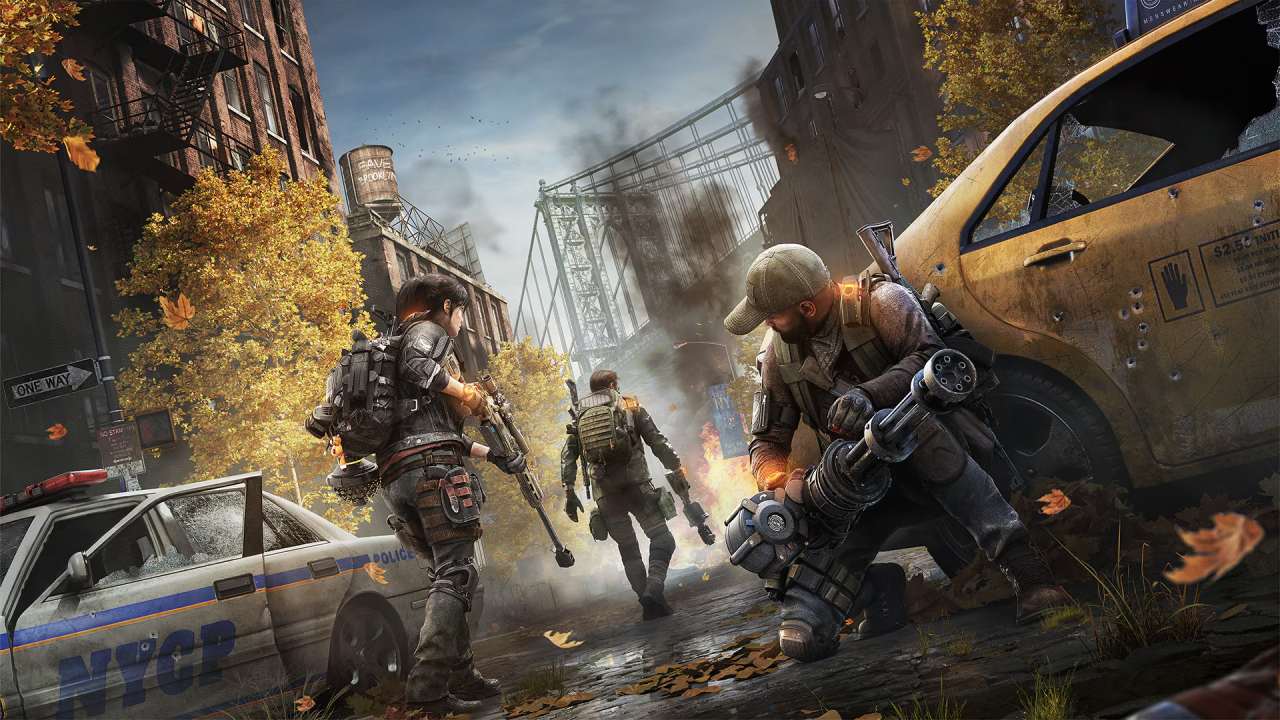
The first thing that people are talking about is Sony's long-rumored PlayStation handheld, which is often called a small PS5 or PS6. According to the sources, this handheld isn't meant to be a streaming partner, but rather a system that can run PlayStation 5 games directly on the device.
This would be a big change for Sony. Instead of having different ecosystems for each handheld device, they would now have a single library that goes with each player.
This kind of gadget is easy to see why people would want it. Sources say that players today expect their game libraries, save files, awards, and social features to move between devices without any problems. Competing platforms, such as the Nintendo Switch and PC-based handhelds, have shown that people want this kind of freedom.
A PlayStation device that lets people play the same games at home and on the go, without having to make any changes or download different versions, would fill in a long-standing hardware gap for Sony. New developments in chip technology have made this idea a lot more likely to be true.
Sources say that announcements at major technology shows showed that both Intel and AMD are working on processors for handheld systems that are designed to balance speed and power efficiency. These chips are in the middle of less powerful portable hardware and very expensive high-end options. This could mean that Sony can offer performance close to the PS5 at a price that more people can afford.
Pricing is still very important. Sources say that high-performance handheld PCs that can run demanding current games often cost more than $1,000, which is a lot more than what most people expect from a console. Reports say that Sony wants to price their consoles more like regular ones.
To do this, they would have to carefully choose a special chip and keep costs low. This plan, if it works, could turn a dockable PlayStation handheld into a real rival instead of a niche luxury item.
Compatibility between groups is also being talked about. Sources say that such a handheld could run PS5 games directly and could also be used to play PlayStation 6 games remotely once Sony's next home console comes out. The handheld would still be useful throughout the PS6's lifecycle with this hybrid method, making it more useful even as hardware needs grow.
While most of the news is about hardware, another big change is happening in software: the prices of games. According to the sources, publishers are starting to understand that the standard $70 price tag doesn't work for all books. The way games are valued at launch has changed because of input from players, poor sales, and more competition. This is especially true when games cross platforms.
One good example is when new PlayStation games come out at lower prices than expected.
Sources say that some games that came out on other systems at full price will be around $50 when they come out on PlayStation 5. More and more people are realizing that setting game prices more fairly can bring in more players and get them to try new things they might not have done before.
The logic is easy to understand. The sources say that not every game markets itself as a huge, content-heavy hit. Some projects want to make focused experiences with good mechanics and interesting worlds that aren't as big or long as top-tier AAA games. When the prices of these games are more in line with what people think they are worth, they are more likely to be played instead of waiting for big sales.
This change in prices also means that producers will have to learn new things. Sources say that recent experiments with higher-than-usual prices did not have the expected effect, even though the results were good according to critics. It looks like the lesson is clear: how people see value is just as important as the quality of the goods.
Fair pricing can help people like you spread the word and eventually make your business do better in the long run. Along with changing prices, giving more people access to demos and trials is another idea that is gaining steam. Sources say that letting players try out games before they buy them can cut down on uncertainty and build trust.
There are already limited trials for subscription services, but there is more and more talk about making these choices available to more people, similar to what happened with older consoles. Along with new gear and lower prices, Ubisoft's renewed focus on The Division is the third big change that people are talking about.
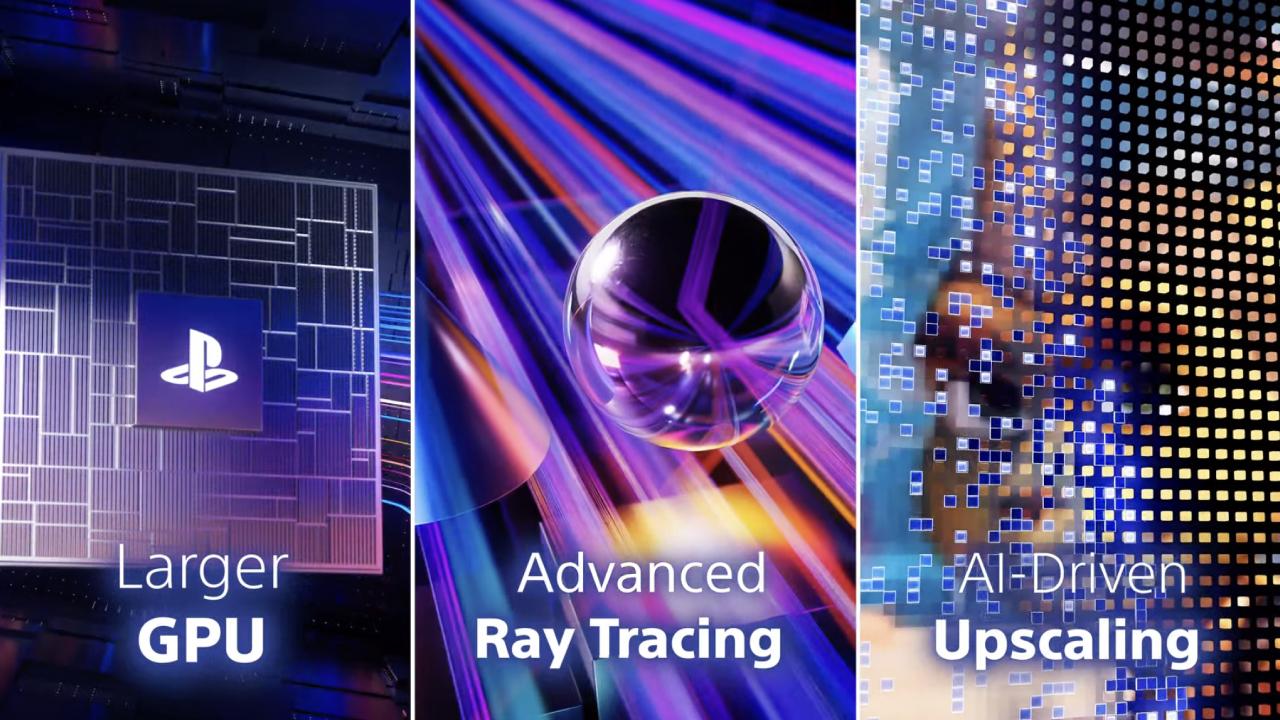
According to the sources, the publisher knows that The Division is still one of its most important and unique franchises. It combines looter-shooter gameplay with extraction gameplay and takes place in the near future. New changes have brought old posts back to life. Sources say that technical updates and better performance have made older Division games more fun to play on modern hardware, letting players feel the unique atmosphere of the series all over again.
The streets of New York in the winter and the careful recreation of Washington, D.C., are still some of the most realistic settings in the genre.
In the meantime, Ubisoft has added more long-term support for The Division 2. Sources say that seasonal updates, new downloadable material, and crossover events are getting people to play again. Fan-favorite modes from the original game are also being reworked and added. This is in response to long-standing community requests and shows that the series is once again a top priority.
Along with changes for current games, plans are being made for the future of the series. Sources say that Ubisoft has confirmed that work is still being done on The Division 3, which is being billed as a big next step rather than a minor update. Reports say the goal is to make the game as popular as the first one, which had great world-building, easy-to-understand co-op gaming, and deep progression systems.
The Division's case has always been based on a solid basis. Sources say that the idea of regular people being called up as last-ditch agents in a society that is falling apart gives the show a relatable edge. With its realistic urban settings and recognized weapons, this story-based base sets it apart from more fantastical shooters and helps explain why it has such a loyal fan base.
All three of these events show that the business is in the process of adjusting. Sources say that Sony is looking for new ways to expand its ecosystem beyond the living room, that publishers are changing how much games cost, and that Ubisoft is putting more effort into a brand that has been around for a while and has done well.
All of these moves are reactions to changed player expectations that are shaped by things like portability, value, and long-term support.
In the next few years, console players can expect big changes as hardware becomes more adaptable, prices become more complex, and long-running brands find new directions. The main question that keeps coming up is easy but interesting: which of these changes will define the next generation of games as they clash and change?
Contributor, NoobFeed
Related News
No Data.