
RTX 5090 Supply Collapse Signals Nvidia's Exit From High-End PC Gaming
Early supply reductions made MSRP pricing unrealistic, pushing RTX5090 costs far beyond expected consumer reach.
News by Tanisha Aria on Jan 21, 2026
In October of last year, rumors started spreading that the RTX 5090 was pretty much dead, much faster than anyone had thought. There was never going to be a formal acknowledgement at the time. But supply was already being so severely constrained that it was becoming impossible to reach MSRP.
Prices were expected to hit $4,000 or more by 2026, unless buyers got very lucky. Now that I think about it, those threats were right. Soon after, prices started rising, and the fact that they are still rising today proves that the supply of RTX 5090 was ridiculously low.
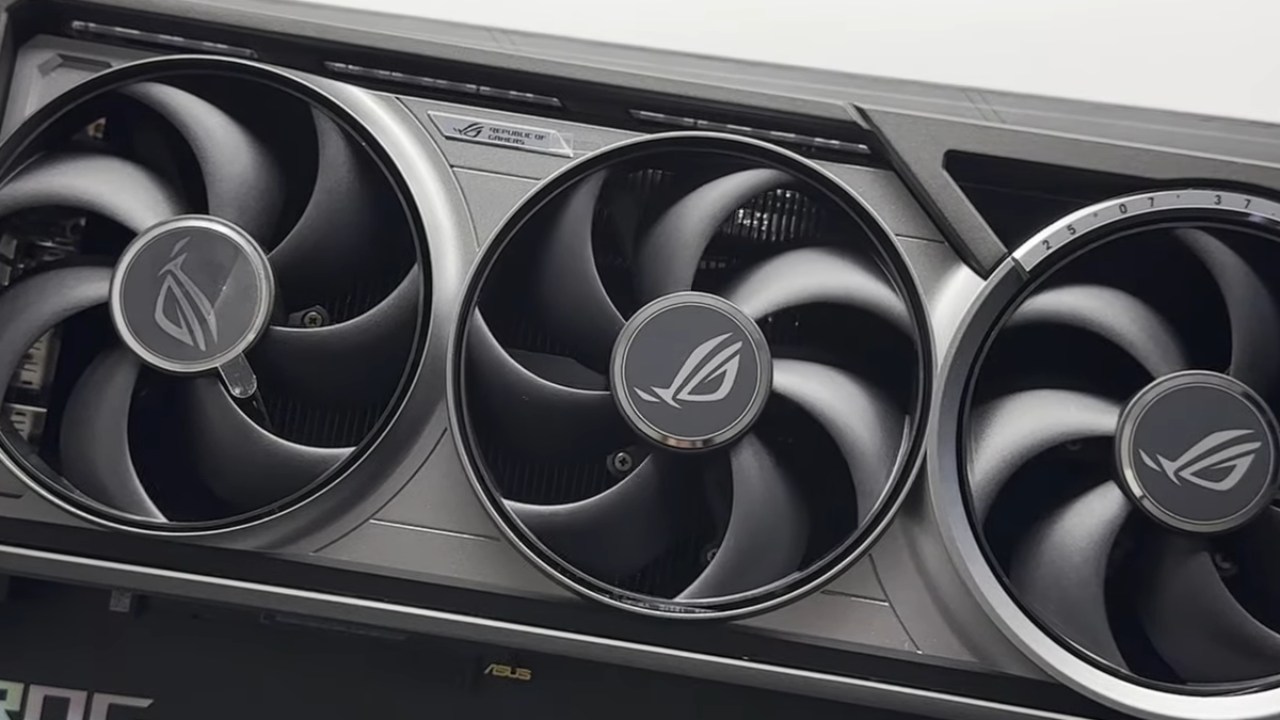
Still, many news outlets stuck to the official line, telling gamers the RTX 5090's price would stay the same or even go down in 2026.
Some people saw through that story and took action right away, which was good. Others believed those promises and paid a lot more as a result. Access journalism often takes the place of consumer-focused reporting in tech news, as this case shows.
New information from Hardware Unboxed was very similar to what had been said months before. Now, size matters a lot. What started out as a problem with a single high-end product is now a much bigger plan. There are now signs that a lot of Nvidia's products, not just the RTX 5090, are being quietly pushed toward the end of life.
The response from Hardware Unboxed was typical of Nvidia: defensive. They tried to discredit sources that warned customers, rather than reiterating their official message. Just that answer sent up red flags. We checked with several people in retail and distribution to find out what was going on, and their answers were the same.
Several sources say Nvidia is deliberately limiting the supply of GPUs with more than 8GB of VRAM. Among these are the RTX 5060 Ti 16 GB and RTX 5070 Ti 16 GB, which are being phased out this year. These same sources were right about the RTX 5090 situation well before prices went through the roof, which gives the claims more weight.
Buying as soon as possible may be your only choice if you want to get an Nvidia GPU with 12GB or more of VRAM and see it at MSRP. It's important to note that this advice doesn't just work for a few types. It looks like the rules are stricter and cover more ground than was first thought.
The fact that this isn't just happening with PC graphics cards is very scary. Shipments of computers with dedicated Nvidia GPUs and more than 8GB of VRAM are also declining significantly. Several sources stated that they are getting a lot fewer laptops with Nvidia GPUs that have more VRAM.
The RTX 5060 Ti 16 GB, RTX 5070 Ti 16 GB, RTX 5080, and RTX 5090 desktop cards are all caught off guard. Prices for the RTX 5080 are approaching double MSRP in some places, so it already looks hard to get. The RTX 5070 may still be shipped in small quantities, but supply is still lower than last year, and it's unlikely this will make it easier to find or cheaper.
It is thought that even the RTX 5070 12GB will feel like it has reached the end of its useful life, as its high prices and limited stock make it much harder to get than it should be.
One of the most interesting changes is that the stock of RTX 306012GB seems to have grown. Stores say they are getting new batches of these older 8nm cards, which came out in 2021. In other words, if you ask Nvidia for more than 8GB of VRAM in 2026, you might have to use hardware that is a few generations old.
GDDR6 memory is used in the RTX 306012GB, which seems to be part of a bigger plan. More and more, high-performance, high-capacity memory is being used for applications beyond gaming GPUs.
Sources in Nvidia's engineering department say the problem isn't a sudden shift away from gamers, but rather years of overbooked AI contracts that have finally run into problems. It looks like Nvidia has agreed to meet more AI demand than it can comfortably handle, especially in advanced memory.
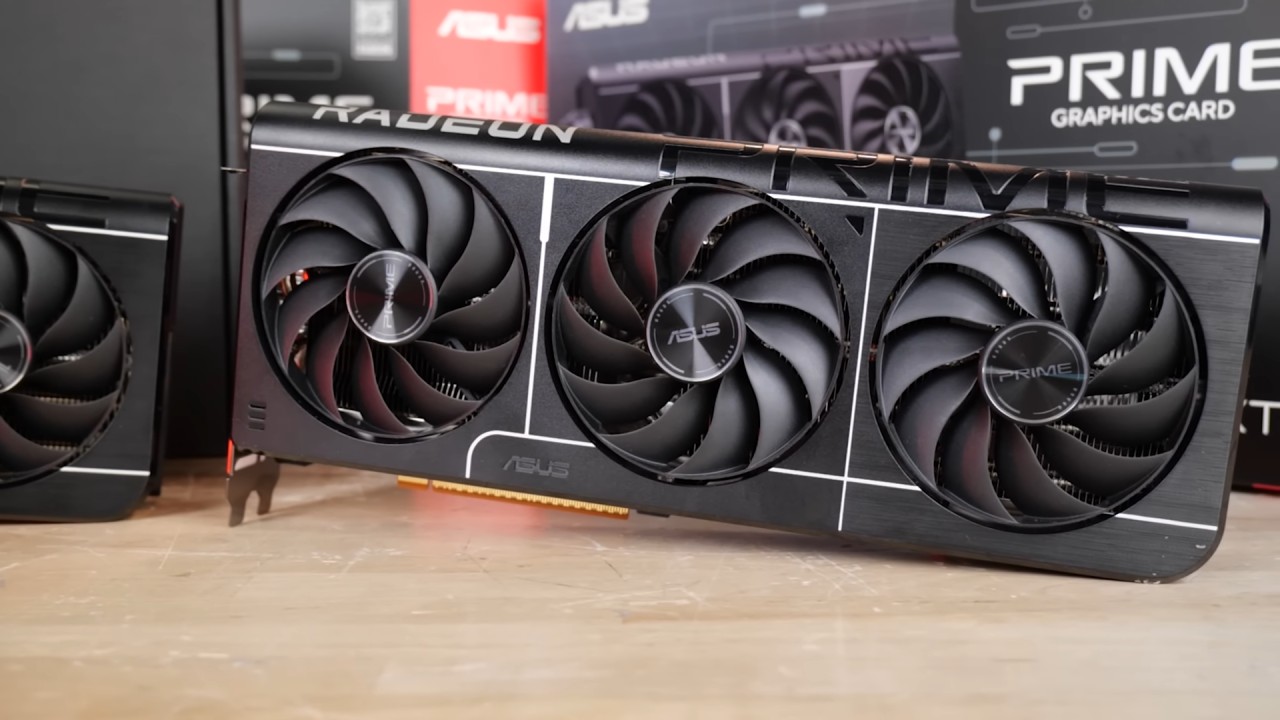
Because of this, gaming goods are losing importance so that AI and business customers can be served first. From a business perspective, it's easy to see the benefits. In terms of what this means for consumers, it means fewer high-end game GPUs and much higher prices.
At least for now, things are very different on the AMD side. As of mid-January, AMD's plans to limit GPU supply have not been made public. Prices are still likely to slowly go up, but this has been happening for months and is mostly due to higher demand and less competition.
Since Nvidia has stepped back from making high-end graphics processing units, AMD is now the market leader in that area.
If you like the look of a Radeon 9070XT at its MSRP price, you might end up paying more if you wait. Prices probably won't get very high any time soon, but if you are already in the market, there's little reason to wait.
These changes, when put together, point to a bigger change. NVIDIA doesn't seem to be committing as much to high-end PC gaming hardware in 2026. This isn't because the company has made public announcements; it's because of limited supply that many products are hard to get at reasonable prices.
This means that gamers will have to make harder decisions with fewer options and pay closer attention to what is happening in the supply chain rather than what is being said publicly.
The most important lesson recent events have taught us is that early warnings based on data from retail and transport are crucial. Not paying attention to them has already cost me money once, and it's happening again.
Contributor, NoobFeed
Related News
No Data.