
Steam Machine Hype Grows as Developers Embrace Steam Deck Optimization
Growing interest in the Steam Machine highlights strong market momentum despite widespread confusion from the recent pricing leak.
News by Masaru Hoshino on Jan 20, 2026
Recent disclosure of Steam Machine prices caused widespread confusion in the gaming community. A store outside the US had listings for the Steam Machine, and when the prices were changed to USD, they seemed alarmingly excessive.
Without the right context, messages and articles circulated quickly, leading people to think that Valve's new hardware would cost a lot more than it actually would. The excitement and false information that emerged from it overshadowed the more realistic explanations for the figures.
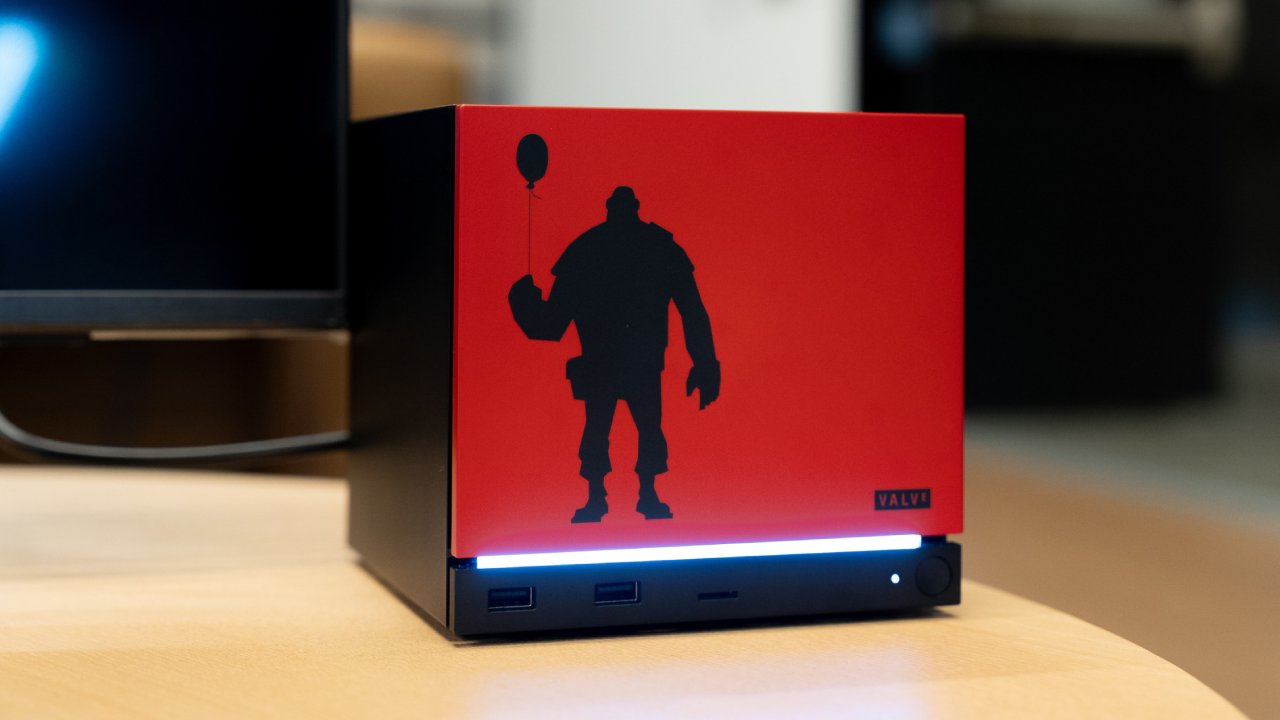
Many positive aspects of the situation indicate strong momentum for the Steam Machine and its possible release in early 2026.
Two storage options were listed: 512GB and 2TB. The pricing in US dollars was about $950 and $1,070, respectively. One clear sign that the postings were guesswork was that the 2TB model cost only roughly $100 more than the 512GB model.
It wouldn't be fair to expect such a tiny difference between those capacities, given how SSD prices are going right now. It wouldn't make sense for RAM and SSD prices to be almost the same, even if they fluctuate.
More information showed that the store is known for large markups, often exceeding 100%. Their prices for used hardware were already way too high. Someone contacted the store, and they confirmed that the prices were placeholders, not actual values, and were used only to generate product pages in their system.
Still, the way these pages seem is a promising indication. The fact that retailers are preparing to list the game shows that Valve is working hard to meet its goal of releasing it in early 2026. The big "early 2026" window probably extends to June. Because Steam Machine uses primarily off-the-shelf PC parts rather than specialized hardware, there should be fewer delays than during the first Steam Deck launch.
We can also be sure that Valve has already made many devices and is keeping an eye on the RAM and storage markets to ensure prices remain consistent at launch. They need far fewer parts than big corporations like Sony, Microsoft, Nintendo, Apple, or big data-center operators; they are better able to get enough parts without having to compete for huge quantities.
If you take off the tax and normal markup from the leaked listings, the 512GB version's estimated actual price is close to $650. That fits with what we thought before: the internal parts cost about $425, and when you add in shipping and inflation between memory sectors, it makes sense that the price is around $600. After adding the markup, the controller listing also suggested a price range of $60 to $70, which made sense.
Because of this, it seems very likely that the base model will cost between $650 and $700, at least for the initial production run. Valve may have to stop, change the price, or wait for memory markets to settle before refilling after the first units sell out.
Some individuals thought Valve should have dealt with the rumor straight away so that the community wouldn't freak out. But if you respond to every leak or placeholder price, you'll only make more content farms that are based on guessing. When a company responds to spectacular rumors, websites appreciate it because it receives more clicks, shares, and ad income.
Valve doesn't want to let misleading rumors get around by not saying anything. They did the same thing during the Steam Deck era. They saw how other console makers create excessive hype cycles by responding too quickly. Valve will only talk when they have conclusive information, not when they are reacting.
There is no denying that the leak got a lot of attention. Gaming networks across all platforms discussed it. A lot of creators who don't usually write about Steam hardware did so this time. The fact that so many people are interested suggests a real need for the Steam Machine and a real desire to know how much it will cost.
It's good to see this much talk about it months before it comes out. It shows how excited people were when the device was originally unveiled.
Another trend emerging is that developers are realizing that optimizing for Steam Deck from the start leads to more sales. It has become evident that supporting Steam Deck early, not a year after it comes out, is the best way to win.
Laren is still a great example. Even though their Linux version of Baldur's Gate 3 was released long after the first Steam Deck hype, it ran far better than Proton and received a lot of favorable press. In their AMA about the next Divinity game, they said they wanted to release it on Steam Deck again because Baldur's Gate 3 was one of the most popular games on that platform.
We shouldn't expect the Steam Deck to work perfectly during early access, since no early access game is totally optimized. What matters is that the game is properly optimized when it comes out. Putting Steam Deck first means putting PC gamers first overall, and the reward is clear: games that run well on Steam Deck stay at the top of the most-played lists forever.
We've seen the same things happen in other places:
Witchfire was available on Steam Deck in early access and quickly became quite popular.
Expedition 33 made a small upgrade to the Steam Deck and quickly rose to the top of the charts.
Arc Raiders had great Steam Deck compatibility at launch, and many people played it on handhelds.
When developers make Steam Deck better, everyone wins: PC versions work better, handheld players are delighted, and companies sell more games. The goal that helps everyone is still to have finished games at launch that work well on all hardware.
We can be sure the Steam Machine will launch in early 2026, and we can expect the base model to be reasonably priced.
There are reports that Valve is going slowly toward release, but they are clearly progressing steadily.
While everything is going on, the Steam Deck is still doing well, and more developers are seeing that supporting it early leads to excellent engagement and long-term sales. Optimized games benefit everyone: gamers, developers, and the platform.
Valve will share more details when they are ready. Until then, the portable PC area is still vibrant, exciting, and moving forward.
Editor, NoobFeed
Related News
No Data.