
The Elder Scrolls 6 Development Delay, and Why Skyrim's Formula No Longer Sets the Benchmark
With nearly two decades since Skyrim's release, you're now looking at an industry that has evolved far beyond Bethesda's original blueprint.
News by Mahi Araf on May 21, 2026
If you've been following Bethesda for any length of time, you've probably noticed how much the conversation around the studio has changed. Not too long ago, Bethesda was widely associated with some of the most influential open-world RPGs ever made. Today, the discussion about The Elder Scrolls 6 is as much a product of rising expectations and industry competition as it is of Skyrim's legacy.
Skyrim launched in 2011 into a gaming landscape quite different from what it is today. It quickly became one of the defining open-world RPGs of its generation, earning critical praise and a huge player base. It helped to make Bethesda a top name in the genre, along with Morrowind and Oblivion. Skyrim, in particular, pushed that reputation into the mainstream and became a long-standing reference point for what open-world fantasy games could achieve.

After its release, most studios would typically have moved quickly toward a sequel.
Instead, Bethesda shifted focus toward other major projects, including Fallout 4, Fallout 76, and eventually Starfield. The Elder Scrolls 6 was announced years ago, but development progress has remained slow. The gap between mainline Elder Scrolls entries is now approaching two decades, with expectations that a release may not arrive until around 2030.
Some of this delay has been attributed to wider changes in Bethesda's development cycle, particularly since Microsoft bought the studio. During the transition period, Starfield was said to be almost finished but needed more time to iron out technical issues and polish. That experience has been cited as one reason future projects, including The Elder Scrolls 6, may follow a longer, more cautious development path.
At the same time, the expectations surrounding a new Elder Scrolls game have shifted dramatically. When Skyrim released, Bethesda operated in a space where few competitors were delivering large-scale open-world RPGs at a similar level. That is no longer the case.
The genre has seen a huge amount of growth over the last ten years, with many studios expanding on and refining the formula that Bethesda helped popularize.
The Witcher 3: Wild Hunt and similar games have raised the bar for storytelling and world design. Red Dead Redemption 2 featured a very detailed and reactive open world, with complex daily routines for the NPCs and changing environments. Kingdom Come: Deliverance 2 has also gone deeper into systemic design and realism to simulate medieval life. Together, these titles have raised the bar for what people expect from a modern open-world RPG.
And beyond the big releases, new projects and indie games have continued to experiment with scale, design, and immersion. Skyrim, on the other hand, was revolutionary when it was released, but looking back, it is just a starting point where many other developers have built in many directions.
Crimson Desert is one of the key examples that's often talked about when it comes to modern expectations.
The game features a large, hand-built world divided into several regions; rich environmental detail; and systems such as exploration, settlements, and side activities. Its construction is a testament to the progress we've made in open-world design, particularly in density and visual detail. It also reduces loading interruptions, emphasizing seamless exploration rather than older Bethesda design structures that relied more on segmented spaces.
That said, when The Elder Scrolls 6 finally releases, it will likely be judged against those newer standards rather than just Skyrim. That means world size, environmental variety, and system depth will all be measured against games that have already expanded on Bethesda's earlier formula.
Another big topic of discussion is NPC behavior and world simulation. Skyrim was a popular mod, with tighter NPC routines than most games of the time. The characters had daily routines; they went to certain places, and you felt like it was a working world.
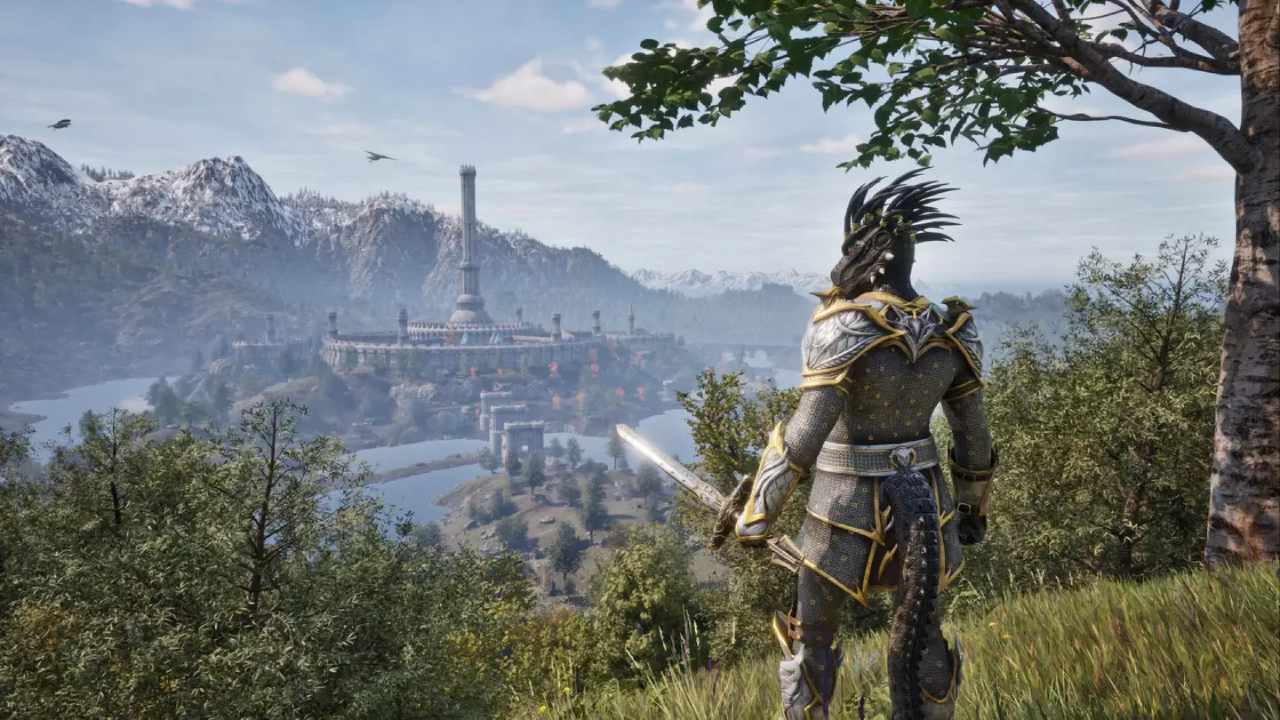
But expectations have changed a lot here. In later Bethesda games like Starfield, NPC behavior has been described as more limited in scope, with less dynamic interaction and fewer noticeable reactions to player actions. The underlying systems are still there, but the sense of immersion hasn't kept up with a few competing titles.
Modern benchmarks have moved to much more reactive systems. The Witcher 3's dialogue and interactions with NPCs feel more context-aware. Kingdom Come: Deliverance 2 takes it a step further, with the characters able to remember what you did and change their behavior accordingly.
Many now see Red Dead Redemption 2 as the de facto standard, with its hyper-detailed simulation of the world, physicalized routines, and towns that change over time.
In that game, NPCs aren't just background elements; they're active players in the world. Daily routines are very lively, environments change visually, and social interactions are directly responsive to the player's presence. This level of simulation has set a reference standard for designing immersive open worlds.
In another area, expectations for combat systems have changed significantly. People often said that Skyrim combat was functional but pretty simple. At the time of release, it was acceptable because of the strength of exploration and world design. Mechanically, it was kind of shallow, but the system gave variety in weapons, magic, and character builds.
Since then, other games have taken different approaches to combat design. Elden Ring had some of the most responsive combat mechanics we've seen, along with a huge variety of weapon types, abilities, and build options. Dragon's Dogma 2 and Kingdom Come: Deliverance 2 have also explored more complex physical combat systems and class-based variation.
But not all of these ideas would work within the context of an Elder Scrolls game without changing its identity.
Elden Ring, for instance, is a particular design philosophy built around challenge, precision, and combat depth. Applying that structure directly to Elder Scrolls would be a big break from the franchise's usual focus on exploration and RPG freedom.
Modern expectations tend to be about responsiveness, variety, and moment-to-moment engagement, rather than raw difficulty. Combat has faced criticism in Bethesda's own recent work, for example, in Starfield, for feeling less impactful than newer industry standards, particularly in enemy behavior and feedback systems.
The writing and the depth of the RPG are also a big part of the ongoing discussion. The Elder Scrolls series, particularly Morrowind, had prior installments that featured complex systems involving skill checks, branching dialogue, and character progression that genuinely impacted gameplay. Over time, these systems became more streamlined. Skyrim sacrificed some complexity for accessibility.
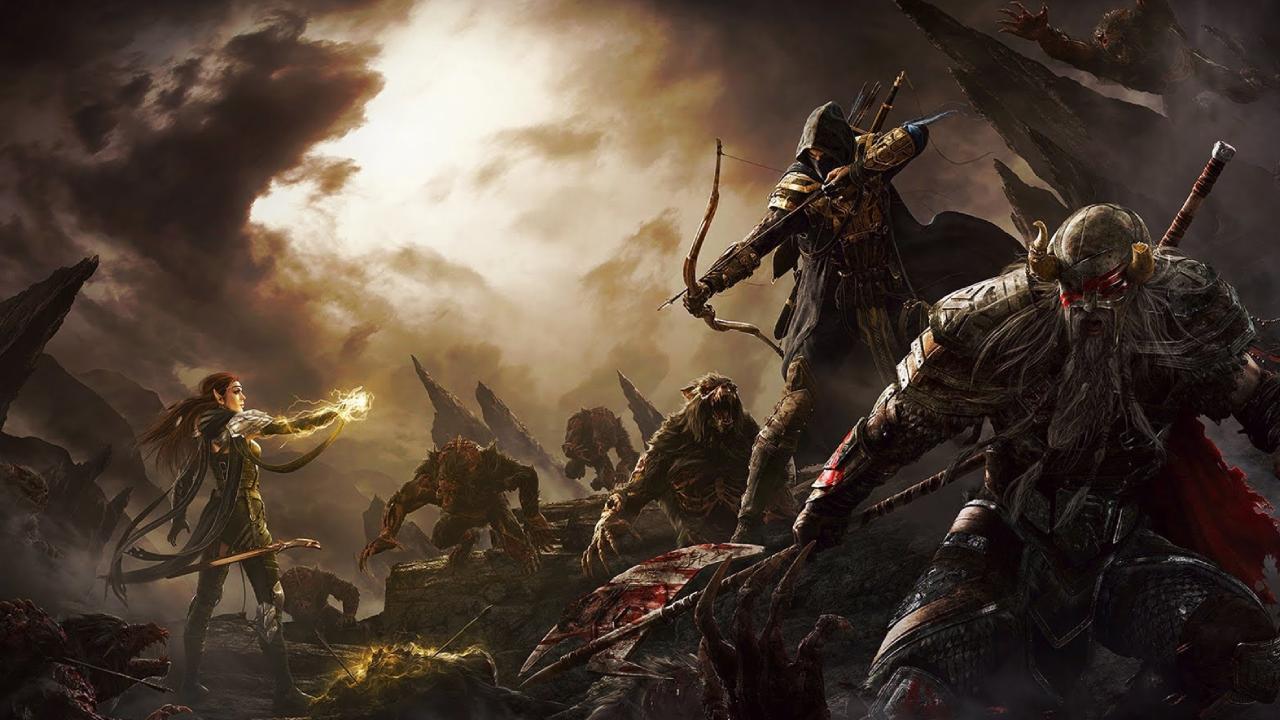
Starfield attempted to revive some of the more structured RPG elements, including dialogue systems and character traits.
However, many of these systems have been found not to have much effect on the overall experience, with choices often not affecting outcomes in a significant manner. This has sparked an ongoing discussion about how much role-playing depth modern Bethesda games should strive for.
At the same time, the industry has continued to move toward more reactive storytelling systems. Modern players have become accustomed to narrative structures in which choices carry visible consequences and in which dialogue and world state respond dynamically to actions taken earlier in the game.
Taken together, these shifts create a significantly different environment for The Elder Scrolls 6 compared to the one Skyrim entered in 2011. You are now looking at a genre that has expanded in scope, complexity, and competition. World design, NPC behavior, combat systems, and RPG mechanics have all reached new heights in expectations. As development continues, the challenge for Bethesda isn't just to build on its legacy but to fit into a landscape that has changed a lot since the design assumptions that defined the studio's success.
Senior Editor, NoobFeed
Related News
No Data.