
Game Streaming vs. Game Ownership: The Debate That Won't Go Away
Other by Druuna Lewis on Jul 06, 2026
Game streaming means the game runs on a remote server, while the player receives the video feed and sends controller inputs through the internet. The appeal is simple: no expensive console, no large download, no constant hardware upgrades, and quick access across phones, tablets, smart TVs, handhelds, laptops, and browsers.
Xbox Cloud Gaming, for example, lets users play hundreds of console games on supported devices through eligible Game Pass plans, while NVIDIA GeForce NOW focuses on streaming supported PC games from a user’s library through cloud hardware.
Why Players Like Streaming
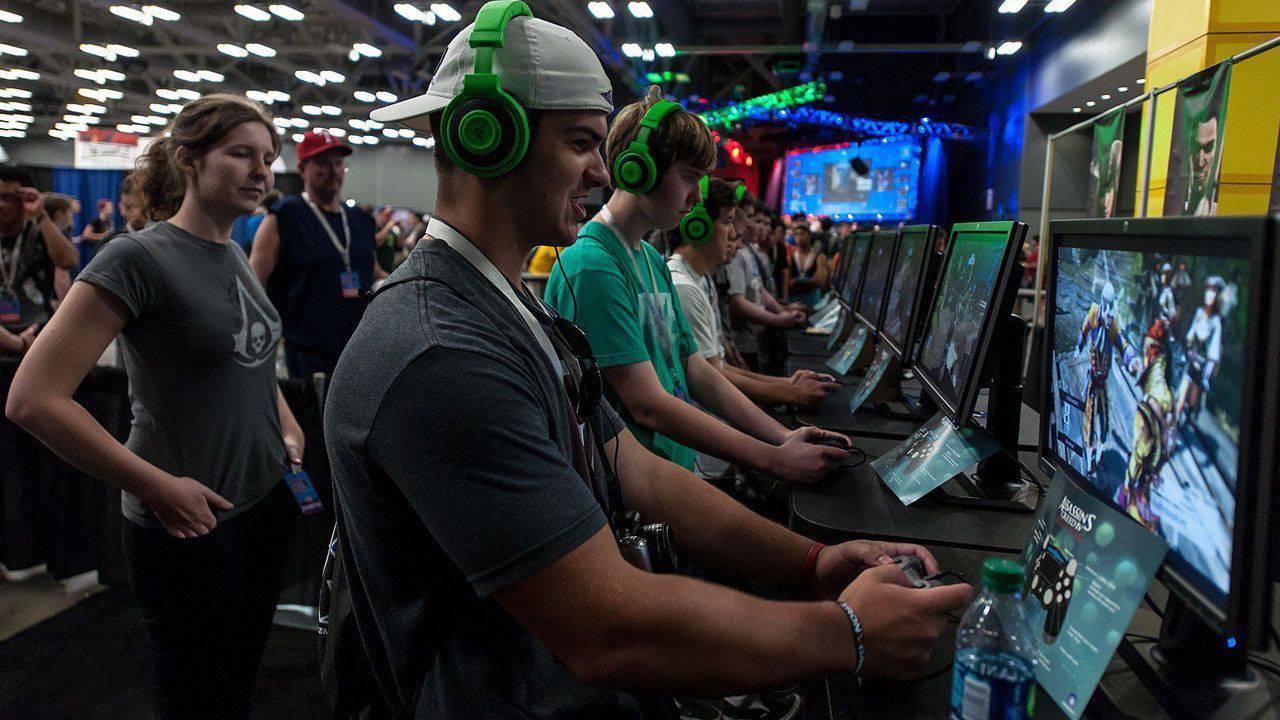
Game streaming gives players convenience first. A person can start a game without waiting for a 100 GB download, continue on another device, and avoid buying high-end hardware for every new generation.
This model is especially useful for casual players, families, travelers, and people who want to test many games without committing to full purchases. PlayStation, Xbox, Amazon Luna, and NVIDIA all show how major platforms are building cloud access into their wider ecosystems rather than treating it as a side experiment.
The Weak Point: Internet Dependence
Game streaming depends on connection quality more than traditional gaming does. Research on cloud gaming shows that streamed games need stable bandwidth and low latency because the image is rendered elsewhere and sent back as real-time video.
Studies have measured cloud gaming bandwidth needs in the 10–20 Mbps range or higher depending on quality, while earlier analysis found some services could use up to 45 Mbps at higher settings.
What Game Ownership Means Today
Game ownership is no longer as simple as buying a disc and keeping it forever. Physical games still give players resale value, collector value, and some independence from storefronts, but modern games often require patches, online accounts, activation servers, or live-service infrastructure.
Digital purchases are even more limited: Steam’s Subscriber Agreement states that content and services are licensed, not sold, and that the license does not grant title or ownership.
Why the Ownership Debate Became So Heated
Game ownership became a louder issue because players have seen games, services, and storefront features disappear. Google Stadia is the clearest example:
Google announced in September 2022 that Stadia would shut down, users could play until January 18, 2023, and purchases made through the Stadia store would be refunded. That refund policy softened the damage, but it also proved the bigger point: when a platform closes, access can end.
Licensing, Laws, and Consumer Trust
Licensing is now central to the argument. California’s AB 2426, effective January 1, 2025, requires clearer disclosure when consumers receive a revocable license to digital goods, including games, rather than full ownership.
The law reflects a growing concern: players often click “buy” but legally receive permission to access content under platform rules.
Subscriptions Are Great Until the Library Changes
Subscription gaming creates excellent value when the catalog matches a player’s taste. The downside is rotation. A game can leave a service, licensing deals can expire, tiers can change, and access can depend on an active monthly payment.
This is not unique to console or PC games; rotating access also appears in other digital entertainment categories, including progressive slot games, where availability and platform rules can shape what users can play at any given time.
Ownership Protects More Than Nostalgia
Ownership protects long-term access, preservation, modding, collecting, offline play, and resale where physical media still exists. It also gives players psychological security: the game feels like part of a personal library, not a temporary rental.
That matters for single-player classics, childhood favorites, rare editions, speedrunning communities, and players who dislike losing access because of licensing changes or server shutdowns.
Streaming Changes the Economics for Players
Game streaming turns gaming into a utility-style service. Instead of paying hundreds for hardware and separate full-price games, users pay for access, convenience, and performance hosted elsewhere. That can be cheaper in the short term, especially for people who play many titles.
However, long-term subscribers may spend more over several years than they would have spent buying a smaller number of owned games.
Streaming Changes the Economics for Publishers
Game streaming gives publishers recurring revenue, broader reach, and easier distribution. It can reduce piracy, simplify updates, and expose older games to new audiences. The risk is that players may stop buying games at full price if they expect everything to arrive in a subscription.
This tension explains why some major releases appear on subscription services immediately while others stay purchase-only for months or years.
Digital Entertainment Is Moving Toward Access
Digital entertainment is steadily moving from possession to access. Music, movies, software, books, and games have all shifted toward accounts, subscriptions, licenses, and cloud delivery.
Even niche gaming searches such as Wildz slots reflect the same wider habit: users increasingly expect instant access on demand, but that access is usually controlled by platform terms rather than personal ownership.
Which Model Is Better?
Game streaming is better for convenience, discovery, device flexibility, and players who want low upfront costs. Game ownership is better for permanence, offline reliability, collecting, preservation, and control. The smartest approach is hybrid: stream games you want to sample, subscribe when the catalog is strong, and buy the games you truly care about keeping.
The debate will not go away because both sides are right about different needs. Streaming is the future of access, but ownership remains the strongest defense against losing the games that matter most.
Moderator, NoobFeed
Latest Articles
No Data.