
Xbox and PlayStation Welcome the Future of Multiplatform
Forza, Helldivers, and a new era of console collaboration are changing the gaming industry.
News by Nusrat Choity on Jul 15, 2025
In a surprising but exciting turn of events in the gaming world, two long-time console giants, Xbox and PlayStation, are slowly but surely changing what it means to be "Exclusive". The walls that used to be so strong between platforms are starting to show signs of cracking. Fans are seeing a new age where games that used to be on one console are now on another. Is this the beginning of a revolution in multiple platforms?
Stats indicate that Microsoft's plan to make its products compatible with multiple platforms is already starting to pay off. Forza Horizon 5 is the most recent game to make waves. It is said to have sold an incredible 2 million copies on PlayStation 5 in just one month.
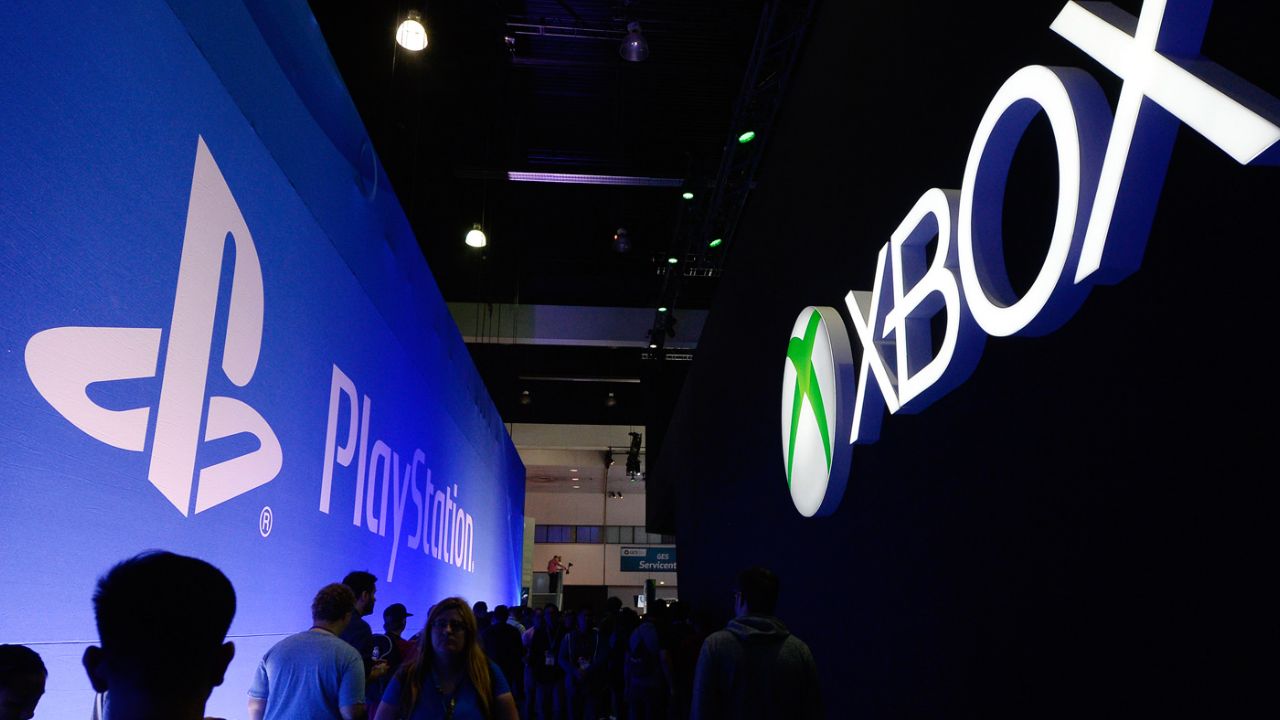
This information came from a LinkedIn post by an employee of Turn 10 Studios that has since been taken down. It was probably a case of "spilling the beans" too soon. The numbers, however, speak for themselves. It's a massive number for a game that was initially only available on Xbox.
This success is not unusual at all. Xbox has already brought Sea of Thieves and Grounded to PlayStation systems, and both games were well received. Forza Horizon 5's performance is awe-inspiring because it fills a gap in the PlayStation library. Sony's Gran Turismo is a great sim racing game, but the platform lacked a good arcade-style racing game, which is precisely what Forza Horizon 5 excels at.
The impressive sales aren't just good news for Microsoft; they also indicate that the console market is undergoing a significant shift. In the past, exclusivity was the name of the game, and companies worked hard to protect their first-party games. But things are different now. Xbox no longer sees PlayStation as an unbeatable competitor. Instead, they're seeing it as an opportunity to expand their market.
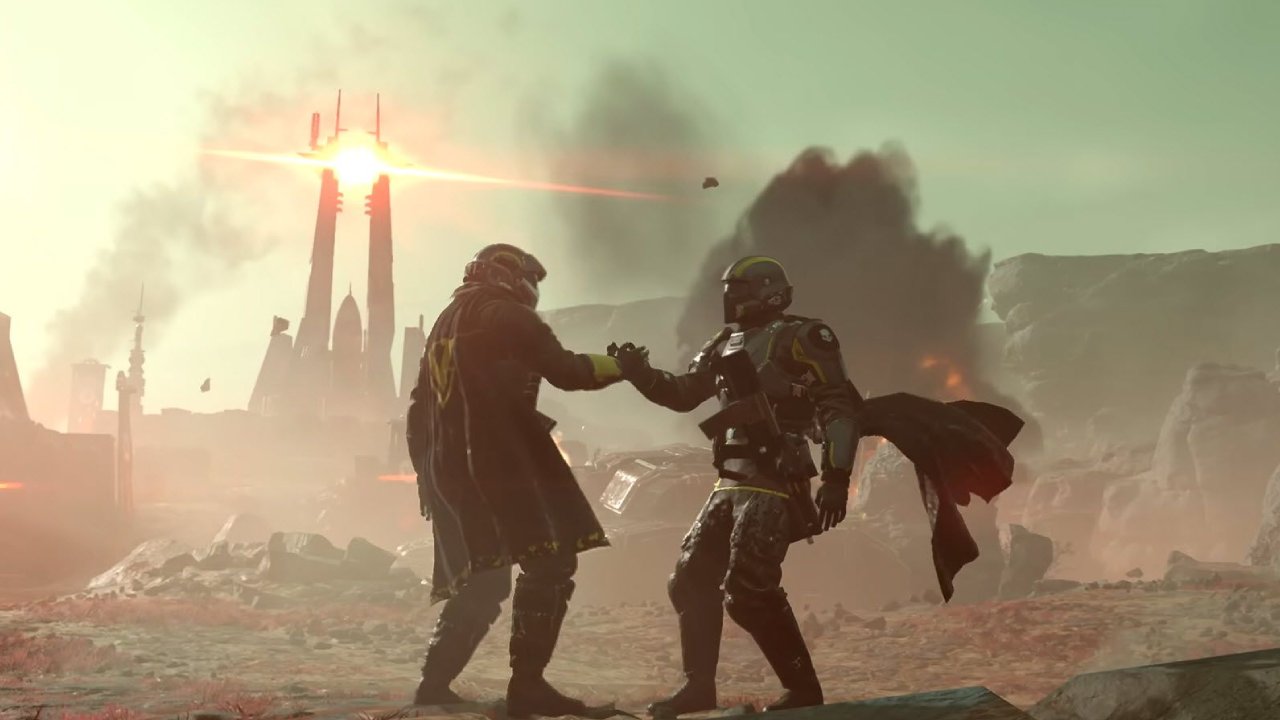
This trend is interesting because it isn't one-sided. Sony is also starting to work with other platforms. Helldivers 2 was confirmed for Xbox just last week, indicating that Sony is becoming less stringent with its competitors. Sony has already brought smaller games to the Nintendo Switch, like Patapon, so this isn't the first time. This new strategy, although cautious, is a clear indication that exclusivity may not be the only path to success.
However, the difference lies in their size and purpose. Microsoft is going all-in on releasing games across multiple platforms, leveraging its vast library to generate revenue across all ecosystems. Sony, on the other hand, is pickier and only tries out its smaller projects and live-service games. There isn't much evidence that PlayStation's biggest AAA single-player games, like God of War or The Last of Us, will be coming to Xbox anytime soon.
However, the message remains clear: things are changing.
Both giants are going into new territory. A few years ago, this would have been impossible. If you told a PlayStation fan in 2018 that they would one day be able to play Sea of Thieves or Forza on their PS5, they would have thought you were crazy. However, in 2025, we're now seeing the gaming industry relax its rules.
So, what is causing this change? Microsoft's goal seems simple: to get more players, no matter where they are. Microsoft's primary strategy is no longer to win the "console war". Instead, they want to build a vast, active gaming ecosystem across all devices with Game Pass, along with a growing focus on services.
Sony's reasons are different but not too far off. As development costs rise and demand for long-lasting live services grows, reaching more players can help make sure that games stay playable for a long time. If Helldivers 2 is a big hit on Xbox, it could lead to many more dual-platform strategies, especially for smaller games or those based on services.
There is still a long way to go, of course. Fans still have a strong sense of platform loyalty. Many people still believe that exclusives are a good reason to choose one box over another. But as more people play more games and both publishers and developers make more money, those old rivalries may not matter as much as making money together.
It may not be about picking sides in the future of gaming, but about picking experiences.
So, what does this mean for the next round of console strategy? Will there soon be a time when Xbox and PlayStation exclusives are more of an exception than a rule? Or maybe this is just a short-term test to see how things go before going back to tribal lines?
No matter what happens, we can be sure that this is one of the most exciting and surprising changes in gaming history. And here's the question: Are we about to see a united gaming frontier, or is this just a temporary alliance of convenience?
Contributor, NoobFeed
Related News
No Data.