
Zelda: Ocarina of Time Remake Could Lead to Majora’s Mask Next
A full rebuild of the classic Zelda adventure may give Nintendo the foundation to bring Majora’s Mask and other fan favorites back on Switch 2.
News by Adeela Tas on Oct 06, 2026
Nintendo's approach to bringing classic Zelda games back could be entering a new phase. The Legend of Zelda: Ocarina of Time remake is not simply another enhanced port, and that distinction matters if you are looking at what could come next. Instead of taking the original game and adding a new layer of visuals, Nintendo has rebuilt the adventure from the ground up for Switch 2, changing parts of its gameplay along the way.
That immediately makes Majora's Mask remake speculation more interesting. The two games originally shared an engine, and the second adventure was developed remarkably quickly after Ocarina of Time. If Nintendo now has a modern foundation that can support a fully rebuilt version of one N64 classic, another could follow.
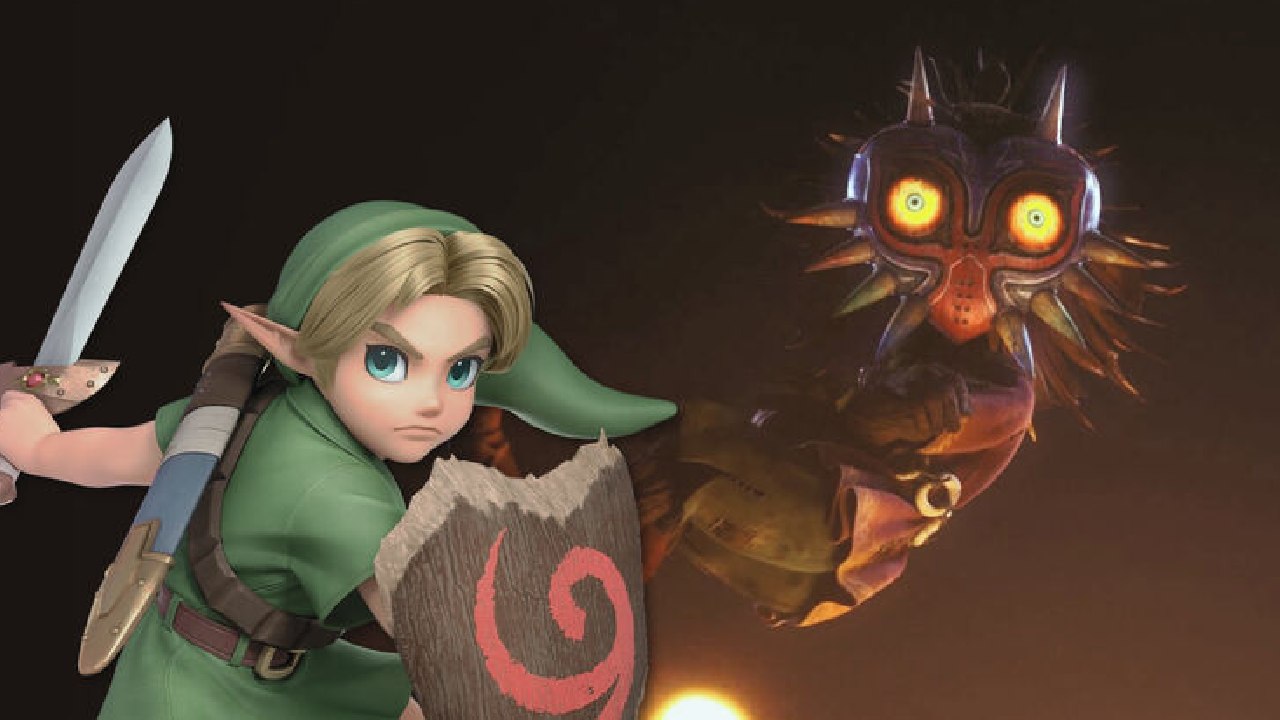
The biggest candidate is Majora's Mask, especially if the Zelda: Ocarina of Time Remake performs as expected.
The game already returned on Nintendo 3DS more than a decade ago, but that version was closer to an enhanced remaster than a full remake. It improved the presentation while remaining rooted in the source code. A modern remake would give Nintendo more freedom to rethink the experience, especially since Majora's Mask has systems that could benefit from a fresh approach.
The three-day cycle, transformation masks, and unusual structure make it very different from Ocarina of Time. Those mechanics could be reworked around modern controls and quality-of-life improvements without losing what made the original so distinctive. A new version could also address some of the rougher elements that remain in both the N64 release and its 3DS successor.
That possibility gets more interesting when you consider the changes in the Zelda: Ocarina of Time Remake. Link can now sprint and jump manually instead of relying entirely on the original movement system. Those additions might sound small, but they require substantial changes underneath the surface.
Once you let Link jump freely, designers have to make sure he cannot reach places that were never meant to be accessible or accidentally break puzzles and environments. That is one reason the Zelda: Ocarina of Time Remake feels fundamentally different from the 3DS version. Nintendo is not just improving textures and presentation. It is rebuilding systems and testing how they interact with the entire game.
If that work produces a flexible foundation for future projects, Majora's Mask becomes an obvious place to use it.
Other Zelda possibilities exist as well. Oracle of Seasons and Oracle of Ages remain frequently discussed candidates. At the same time, Twilight Princess HD and Wind Waker HD have been rumored for years as potential returns to Nintendo's newer hardware. Those games could still arrive through different approaches, including ports, remasters, or additions to Nintendo's classic-game services.
Wind Waker has already been available in its original GameCube form, so Nintendo has several directions it could take. Twilight Princess could potentially appear through a GameCube-focused service, a Wii-related offering, or another release altogether. None of those possibilities are confirmed, but the broader point is that Nintendo has plenty of older Zelda material it could revisit.
.jpg)
The timing around Majora's Mask has also given fans another reason to speculate. Nintendo is adding music from the game to its Nintendo Music service on October 9, including the main theme and tracks from different scenes. On its own, that does not confirm a remake. Nintendo regularly adds older game music to the service. Still, the timing has naturally caught attention because Ocarina of Time and Majora's Mask have such a direct history.
The pattern is familiar. Nintendo released Ocarina of Time 3D, then followed it with Majora's Mask 3D. Now, with the Zelda: Ocarina of Time Remake returning in a much more ambitious form, some fans see the renewed attention around Majora's Mask as another possible setup. It is not proof, but it is enough to keep the possibility alive.
From a business perspective, the idea also makes sense.
Building a remake is still expensive and requires a lot of development work, even when you can reuse an existing engine and assets. However, having technology, visual assets, and systems already developed could shorten the process compared with starting completely from scratch. A successful Zelda: Ocarina of Time Remake could therefore give Nintendo a foundation to support another major Zelda project.
That is especially relevant because Nintendo could potentially sell millions of copies of another classic remake. A high-profile Zelda release at a $60 to $70 price point would have a strong commercial ceiling, particularly if the first remake establishes a visual style that players already recognize and like.
Another point worth considering: the original Majora's Mask was built on the Ocarina of Time engine. Its developers reused technology and assets to create a different adventure in a relatively short period. That history does not guarantee the same thing will happen now, but it shows why the two games are naturally linked when discussing potential remakes.
For now, the first step is still the Zelda: Ocarina of Time Remake arriving on Switch 2. The game is scheduled for November 5, and its release will reveal much more about how Nintendo's new remake approach actually works in practice. If the finished product performs well and players respond positively to its redesigned systems, it becomes easier to imagine Nintendo applying the same philosophy elsewhere.
The Zelda: Ocarina of Time Remake is already getting attention for how carefully it recreates its characters.
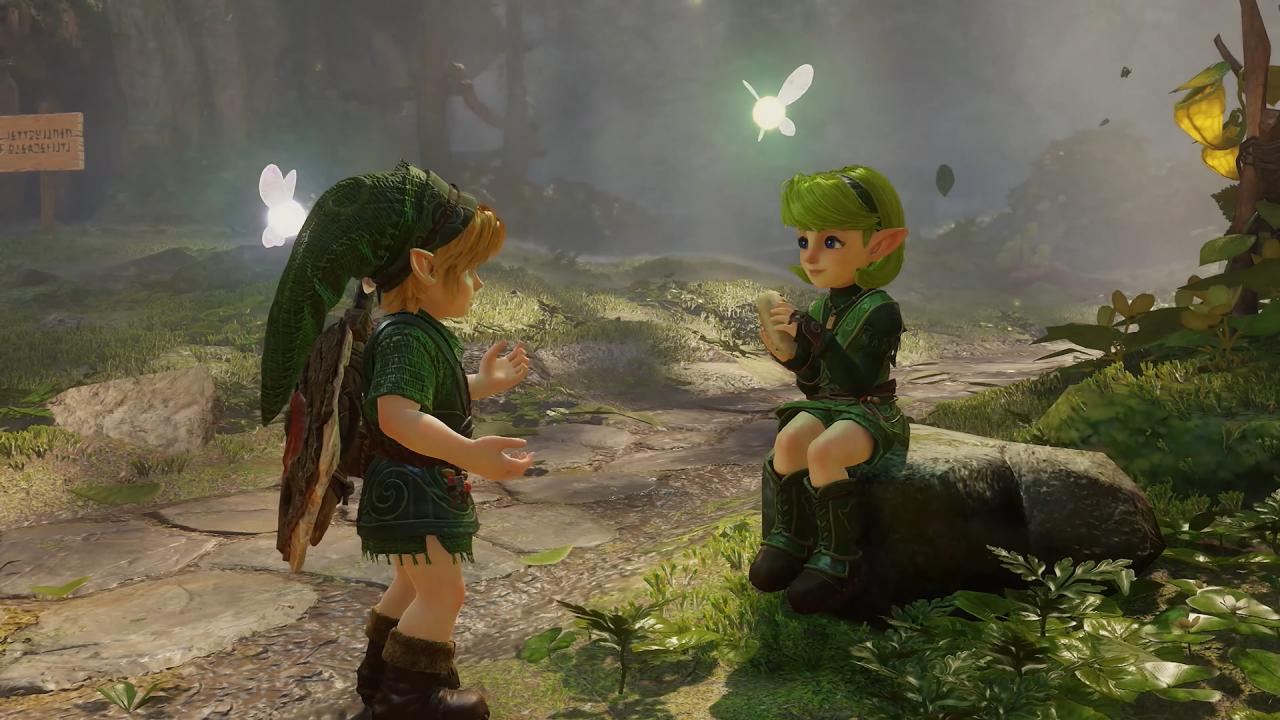
New renders of Saria, Ruto, and Darunia show the level of detail being applied to familiar faces, including the Goron designs. That attention to detail matters in a game as recognizable as Ocarina of Time, where even small visual changes are immediately noticeable.
The Zelda: Ocarina of Time Remake also highlights the difference between handcrafted game development and attempts to imitate a finished game's look with generative tools. Artificially generated versions of the remake's visuals have reportedly been compared with the official material, and the difference is obvious.
Official designs have the consistency that comes from artists and developers making decisions across an entire game, not producing isolated images. That matters even more for a remake because you are not simply creating something that looks impressive in a screenshot. Every character, environment, animation, interaction, and gameplay system has to work together.
A remake needs people who understand why the original game worked and know where to make changes without stripping away its identity. That philosophy could matter if Nintendo eventually tackles a Majora's Mask remake. The Zelda: Ocarina of Time Remake is effectively testing whether this kind of detailed reconstruction can satisfy longtime fans while still giving returning players something that feels meaningfully new.
The game has an unusual atmosphere and structure that you can't simply recreate by making everything sharper.
Its identity comes from how its world, characters, masks, and repeating timeline fit together. A modern version would need the same careful treatment as Ocarina of Time. Nintendo also appears to be preparing additional stock of its Zelda 40th anniversary Switch 2 system through retailers.
This is creating another piece of Zelda-related activity around the remake's launch period. That hardware is separate from the question of future remakes, but it shows how broadly Nintendo is building around the franchise's anniversary era.
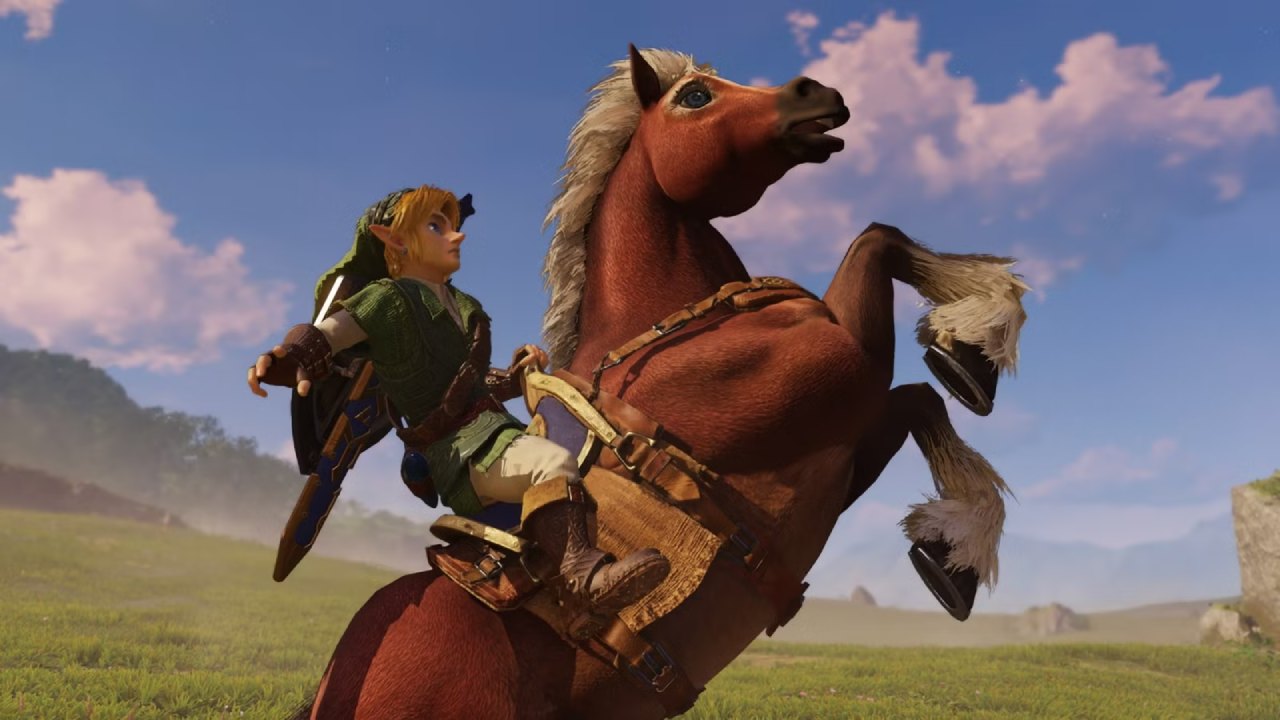
Ultimately, there is still no confirmation that Majora's Mask is next. Twilight Princess, Wind Waker, the Oracle games, and other classics remain possible too. But once you see Nintendo investing in a full ground-up rebuild of Ocarina of Time, the idea of reusing that work becomes difficult to ignore. The Zelda: Ocarina of Time Remake could be more than a single return to Hyrule.
It could establish a new template for how Nintendo revisits its older Zelda games, giving the company a way to preserve the originals while making meaningful changes for modern hardware. If that template works, Majora's Mask is arguably the most natural next step.
Editor, NoobFeed
Related News
No Data.