
Aces of Thunder Review
SteamVR
A World War II VR flight simulator that is relentlessly hard and demands commitment, not comfort.
Reviewed by Joy Rahman on Feb 10, 2026
Aces of Thunder is being made by the same company that made War Thunder. Just hearing that name makes you think of realism, historical accuracy, and uncompromising mechanical depth. War Thunder has long been linked to realistic aircraft models and battle based on skill, and it's clear that it comes from the same place.
As an alternative to adding a simple VR mode to an existing game, the creators decided to create a separate experience that is focused on VR and cockpit realism. The goal wasn't to make an arcade shooter that everyone would like, but to make an accurate recreation of the harsh and difficult nature of World War II air battles.
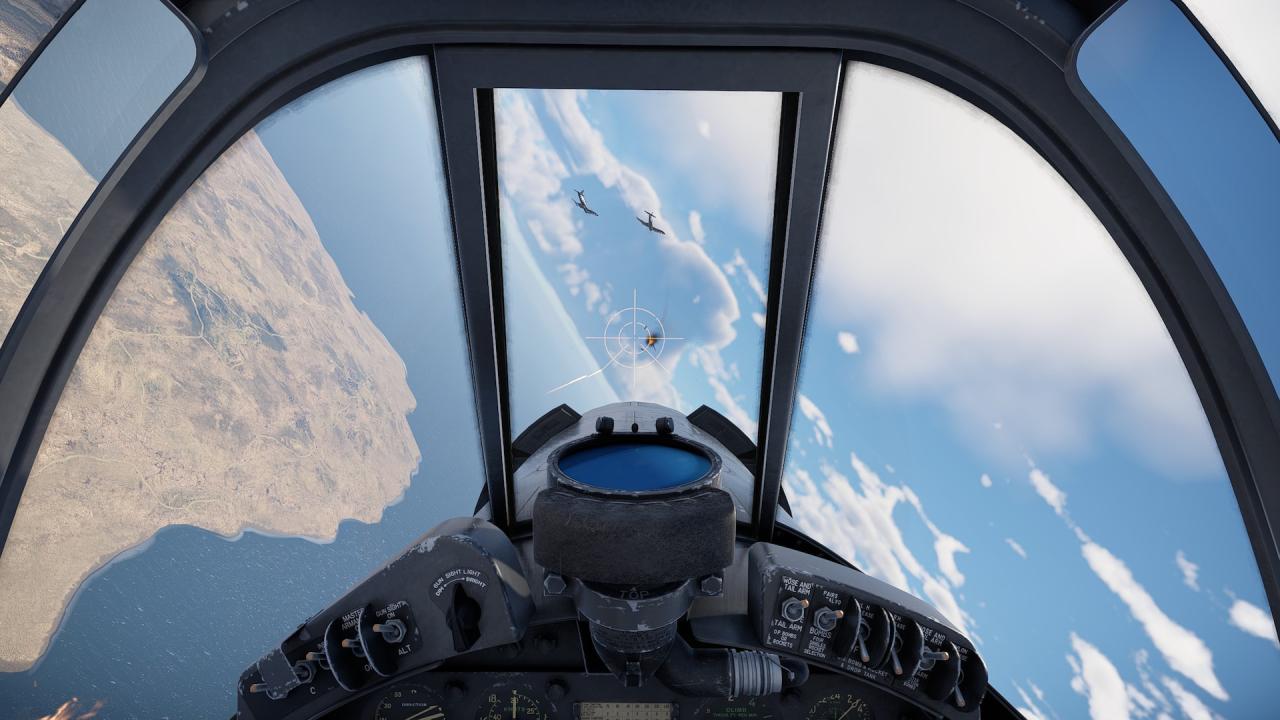
Aces of Thunder is based on a legacy that affects every design choice, from the game's steep learning curve to its simple interface, and relies on player awareness. The game came out in a VR world that doesn't have many full-scale World War II flying simulators.
Modern jet and experimental aircraft games have been great in VR, but grounded fighting with propellers has been hard to find in the past.
The game advertises itself as a VR-first experience, saying that you'll feel like you're really sitting in a WWII fighter cockpit, grabbing the controls, and fighting for your life in the sky. It's not a movie-style war story; instead, it's about real-life situations, missions that are based on history, and fights between multiple players.
With this simple method, immersion and mechanical accuracy are put ahead of ease of use. This makes Aces of Thunder a brave but risky addition to the VR flight simulator genre. There isn't a typical story in Aces of Thunder. There are no named characters, no overarching campaign plot, and the war itself is not framed in a dramatic way.
Instead, you are given separate missions that are based on real-life battles and places from World War II. Some of these jobs are to protect strategic spots, lead allied units, shoot down enemy planes, and attack tanks, convoys, and installations on the ground.
It can feel real when there isn't much background information, like how abstract large-scale war is. But it also means that gameplay and atmosphere are the only things that matter for emotional involvement. If you're looking for a game with a story, Aces of Thunder won't give you that. If you like simulations that are as true to life as possible, the lack of a scripted story lets you focus on flying and fighting.
Everything in Aces of Thunder is based on how planes fly. The emphasis of the game is on strength and accuracy from the moment you step into the cockpit. Planes feel heavy, reactive, and open to forces in the surroundings. Resistance to wind, velocity, and stress on the airframe are all important, and quick turns can quickly cause power outages, loss of control, or a catastrophic failure.
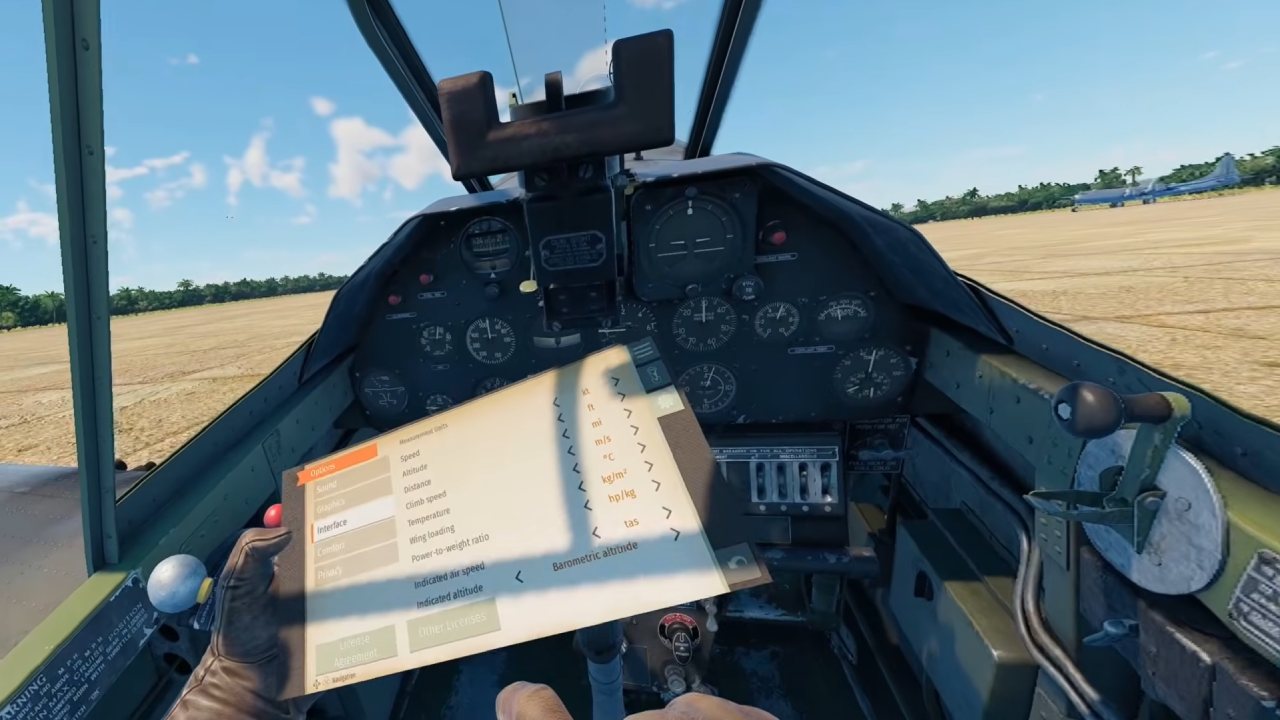
Controls can be handled with motion controllers, standard controllers, and HOTAS setups, among other input methods that depend on the platform. Motion controls give you the most immersive experience because you can physically hold the stick and speed. However, they make the game less consistent.
Small hand movements can make reactions go over the top, which can make fine control hard until you get used to it.
You have to learn how to use these tools by making mistakes and getting frustrated, since the game doesn't give you much information about them. Navigation is kept to a minimum on purpose. The HUD doesn't help you much. There aren't any clear markers for objectives or enemies, and waypoints are so small that they're easy to miss.
There is a physical map in the cockpit, but you have to look down while you're flying to get to it, which can be confusing during battle. The goal of this design choice is to make it feel more real, but without proper training, it can feel less like immersion and more like being lost.
Aces of Thunder battles are hard and don't always let you off the hook. Weapons act accurately, with bullet drops that can be seen and targets that need to be led correctly. To hit an enemy plane, you need to be patient, exact, and keep your control steady. Long-range fights are especially tough, and even close ones don't leave much room for mistakes.
There isn't much feedback during battle. There are no "hit markers," no clear audio confirmations of hits, and no radio chatter praising your work. Damage that can be seen, like an enemy wing breaking off, smoke pouring from an engine, or an airplane falling toward the ground, is often the only sign of success. This method makes things more realistic, but it can make you doubt whether your actions are working, especially at the beginning.
One more big problem is finding enemies. Allied planes may show a small blue light, but it only shows up when they are close and isn't always the same. Fighting on the ground is even worse. Tanks and other targets are very hard to tell apart from above because they blend in with cities and scenery.
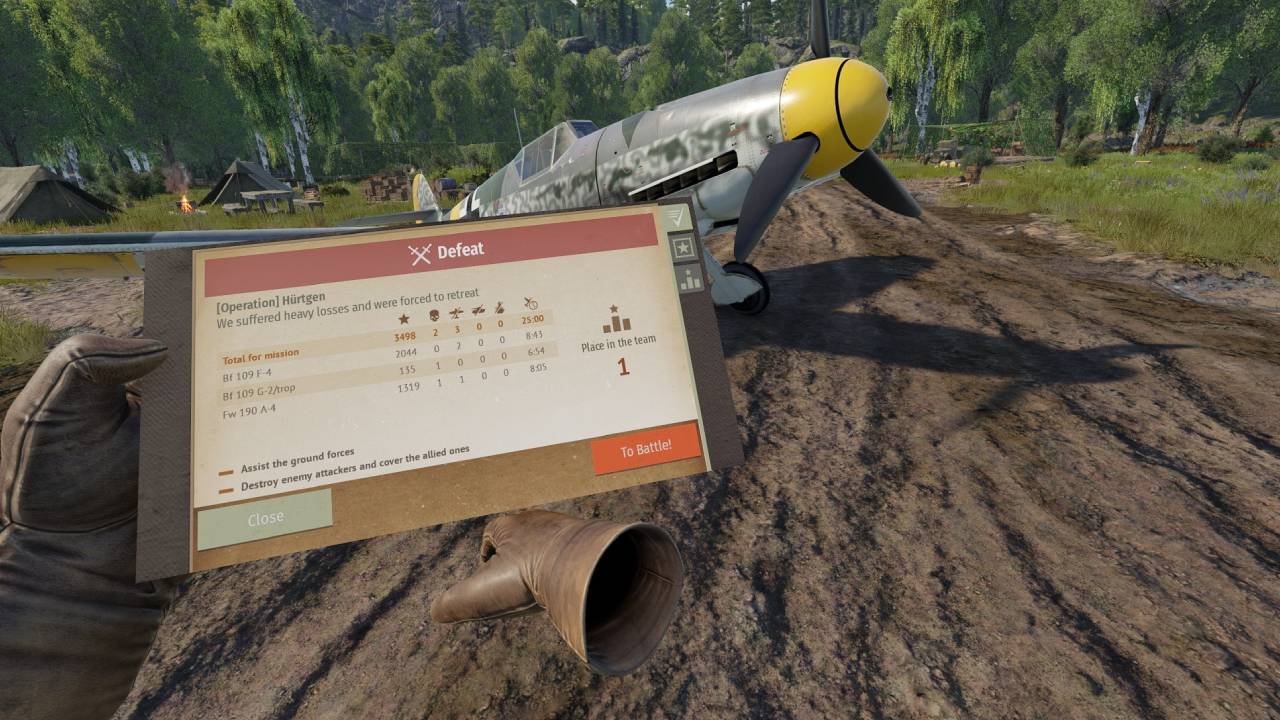
It's mostly up to you to decide when to fire bombs and torpedoes, and there isn't much information to help you figure that out. Early tasks can feel like you're not doing much. Some goals may be met even if you don't feel like you're doing much, giving you victories that don't feel like they were won. This takes away from the sense of control and can make learning feel frustrating instead of fun.
Aces of Thunder doesn't use standard RPG-style ways to grow. There are no skill trees, pilot levels that change performance in big ways, or powers that can be unlocked by grinding. Instead, progress is based on getting new planes, skins, and learning how the game works.
Daily tasks and online play are extra ways to keep you going, but they don't feel as important as the main experience.
Developing your own skills is the main way that you can get better. It doesn't get easier to control an airplane over time; you just get better at it. This makes the game feel more like a real exercise, but it also means that new players who are trying to get better won't have much help.
The graphics in Aces of Thunder are great, especially when played in VR. The cockpits are very realistic, with dials that can be read, worn-out textures, and realistic materials. The outsides of the planes are well-modeled, and the damage effects give battle a lot more weight. Seeing pieces of an airplane fall off in the air makes you more aware of danger and consequences.
Visuals of the environment are a feature. You can fly through volumetric clouds to make dramatic moments of depth and scale. Lighting is very important. Sunlight that breaks through clouds and bounces off water and metal objects is very important. Even though there are sometimes uneven brightness levels and small drops in performance, general visual fidelity helps with immersion instead of taking away from it.
Aces of Thunder really shines when it comes to sound design. There is a lot of mechanical noise coming from the engines, wind blowing past the cockpit, and sharp shooting going off in the air. When structures are under a lot of stress, they creak. This is important feedback that lets you know when the plane is being pushed past its safe limits.
Damage sounds work especially well. Sound effects like hissing engines, rattling metal, and sparking systems are much better at signaling danger than any on-screen message. When mixed with VR, the soundscape creates a constant feeling of being weak, where staying alive is uncertain, and success is undeserved.
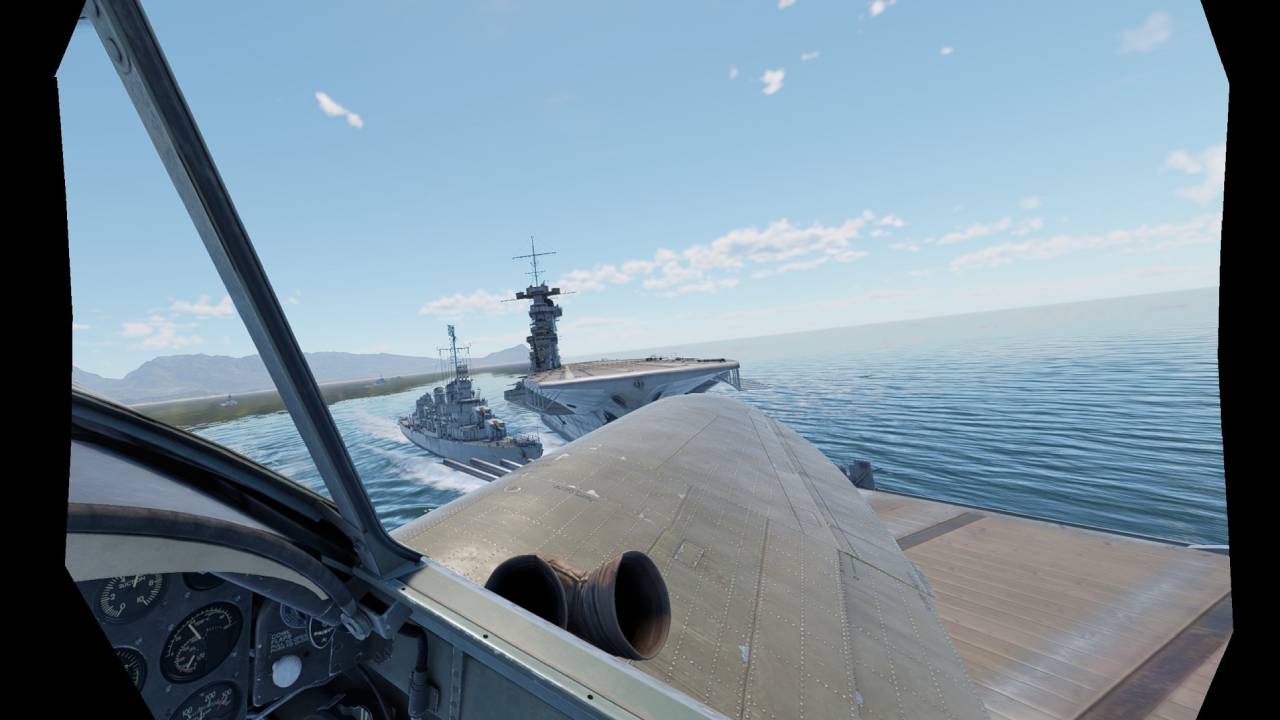
Aces of Thunder is not a friendly game. It doesn't give much help or explanation, and the processes can feel hostile to newcomers. Controls that don't work right, cockpits that aren't interactive in key areas, and reliance on rotary menus can make even experienced VR users lose interest and get frustrated. Movements that are jerky and fierce dogfights can also make people sick.
But these problems hide a simulation that is very engaging and fun. Aces of Thunder has moments of aerial battle that feel like they can't be found anywhere else in VR. Every kill feels like a reward, and every escape is a small win. The battle is tense, the planes feel unique, and the atmosphere is real.
You need to be patient, interested, and ready to work hard to win this game. It doesn't say what it means or smooth out the edges. That will make or break the deal for some. For some, it will be what makes Aces of Thunder so great.
Contributor, NoobFeed
Verdict
Aces of Thunder is a tough, fully immersive VR flight game that rewards skill and hard work. It has a great mood and feels very real, but it's only fun for die-hard simulation fans because it's hard to get around and doesn't offer any help.
68
Related News
No Data.