
Culdcept BEGINS Review
Nintendo Switch 2
A strategic tabletop odyssey that transforms card battles into a cinematic contest of territory, risk and long term mastery.
Reviewed by Zahra Morshed on Jul 22, 2026
Culdcept BEGINS is a prequel developed for today's audience. It arrives almost 30 years after the original release on Sega Saturn, which was a unique combination of board games and card combat. Neos Corporation is quite optimistic about a comeback. They are preserving the franchise's complex mechanisms while modifying their appearance and sound to make them more appealing and less intimidating.
The end result is a lovingly restored piece of interactive history. It respects the experienced players and does not assume that the newcomers know everything about the game. That balance between tradition and ease of use is the bedrock of the entire experience. The developers of Culdcept BEGINS know that many modern strategy gamers learned to build decks through roguelikes, not standard tabletop hybrids.

They leverage this cultural shift well. Culdcept BEGINS does not aim to chase trends, but rather sees its mechanics as classic design tenets that predate the market's readiness to properly appreciate them. At the start, it is about understanding rather than spectacle. Academy battles and controlled circumstances provide rules for controlling territory, moving around and playing cards together.
The plot starts slowly and seems more intricate than it is because of it, but it is not confusing.
The story is around Kamru, a new student at the Royal Cept Academy who has to carry the burden of being connected to Origin, a famous Cepter. What starts as an educational testing ground is a search for a missing father, a broken world and the secrets of the Book of Creation.
In Culdcept BEGINS, these discoveries are revealed through familiar fantasy tropes: rival pupils, secret conspiracies, ancient powers and kingdoms formed by the fight between the elements. The tale does not really accomplish anything new with the genre but it does a fantastic job of laying out the mythology properly and with enough emotional weight to make the strategic battles worthwhile.
The character writing is somewhere between functional and charming, with supporting characters more crucial to the game's progression than as complicated characters. Dialogue often employs the rhythms of Japanese role-playing games, with mentoring, rivalry, fate and the clash of inherited power and personal identity as the focus. Having it set at an academy helps the story, as tutorials, tests, and situations where fights escalate feel natural, not forced.
The script can struggle to generate genuine suspense at times, resulting in certain late-game revelations not feeling as meaningful as their dramatic setup would imply. What really makes the story great is how well it places each board in its proper place in a larger political and mythological picture. Battles are not presented as isolated contests but as investigations, territory disputes, pirate wars and conflicts related to the precarious equilibrium of the globe.
This integration makes the campaign feel like it has a purpose more than many strategy games where story scenes are just breaks between systems.
The plot sometimes leans a little too heavily on familiar fantasy tropes but the world-building makes the journey interesting. Culdcept BEGINS is a tactical role-playing game that takes the rules of Monopoly and turns them into a game where each property is protected by a creature card, and each movement has a strategic value.
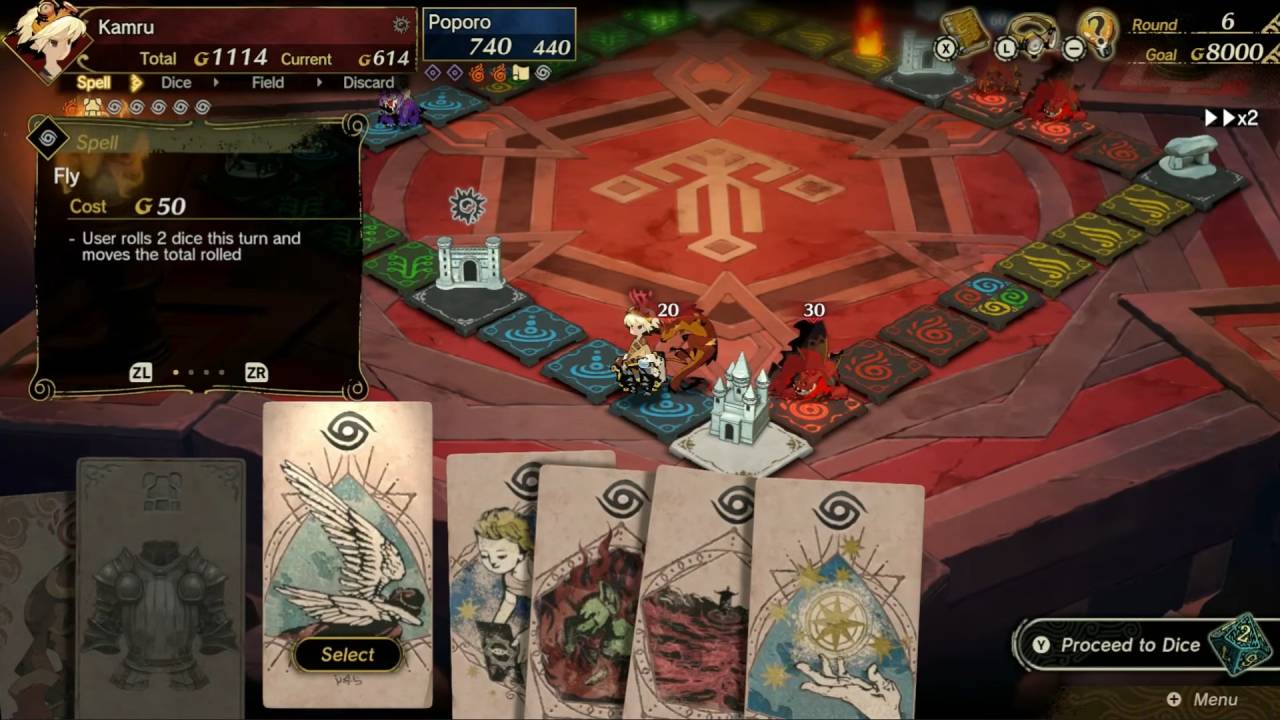
You navigate across branching boards, claim empty spaces, spend magic to earn upgrades and race to reach a goal score before returning to the start by rolling dice.
The brilliance of the design is that basic acts have complicated effects that endure the whole match. In one round, you can change land ownership, what elements give you benefits, how much money you make from tolls in the future and where you are in battle. The 40-card deck structure has also made Culdcept BEGINS exceptionally durable in that it does not dictate a single ideal approach but rather encourages trying out numerous strategies.
Equipment cards influence fights, creature cards designate territory and spell cards can change movement, resources or the opposing player's intentions in a whole lot of various ways. Matching regions and defending them with creatures that have the proper elemental alignments rewards you if you are one of the players who line them up, adding another dimension of strategy to elemental alignment.
Everything is interrelated, so building a deck feels less like assembling a collection and more like engineering a way to play. The surprise aspect of Culdcept BEGINS is how well it captures the social dynamics of real-life board evenings. When you steal valuable land, grudges are born. You start to read other players' intentions as closely as you read the cards.
The decision to either attack a fortified space or take the safer route creates tons of tension and feels like the roller coasters of traditional board games. The human element in multiplayer games gives them a story-like aspect that is hard to fully get from a scripted campaign.
Strategic depth is also more than single matches, for a solid deck entails knowing speed, economy and territory pressure all at once. Aggressive books can take the early boards but then have trouble maintaining control if their opponent has established high-value elemental chains and powerful spots. Defensive builds make money but if they get too bogged down in holding ground, they risk falling behind in goal pacing and mobility.
If you become one of the top players, you can learn to alternate between expansion, consolidation and calculated aggressiveness depending on the way the board is moving.
People will still likely be split on pacing throughout the campaign. The gradual intro certainly does beginners a lot of good but veteran strategy gamers might feel Culdcept BEGINS takes too long to reveal its most exciting features.
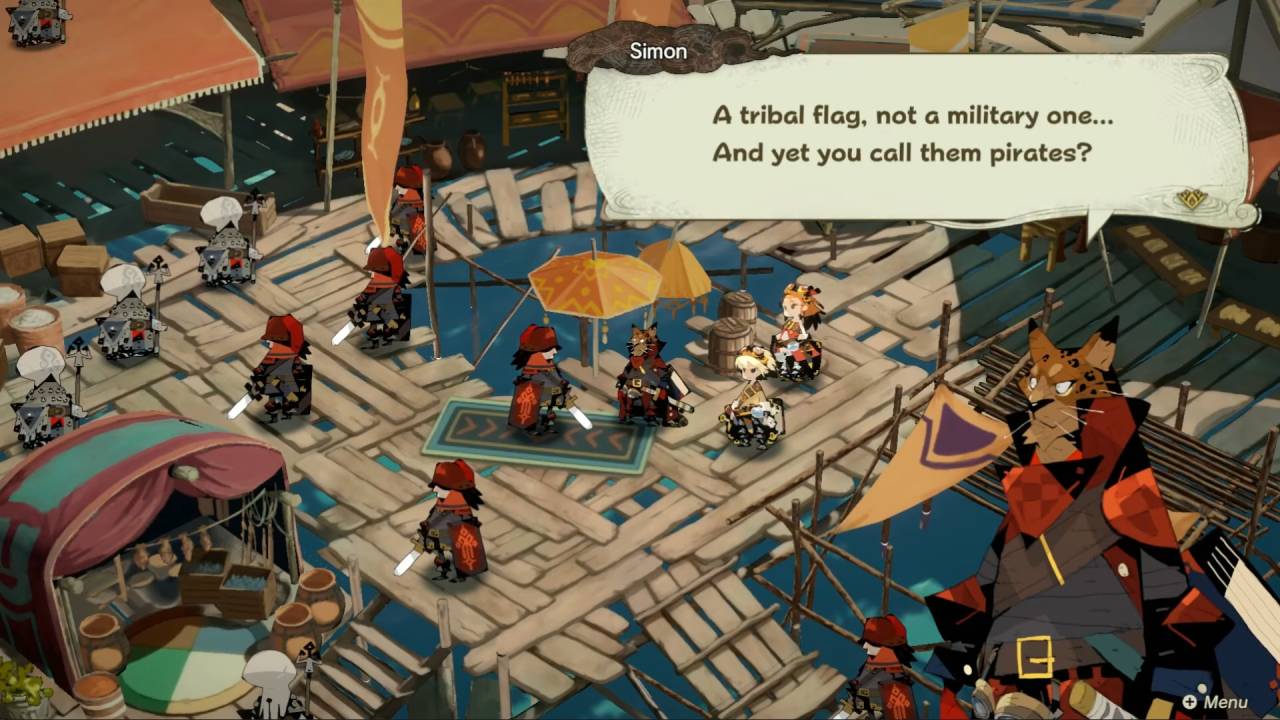
Chapters repeat the same board layouts over and over before moving on to more innovative ones. This makes the middle half of the trip slow. Fortunately, the sluggish starting hours are easy to overlook thanks to the later maps and side fights that show off the concept at its best.
Board layouts matter because they change the course of a match by offering new routes, forts, chokepoints and special places that modify strategic objectives on the fly. Some maps favor fast movement and lap after lap; others are better suited to holding territory and aggressively defending high-value clusters.
Culdcept BEGINS also does not bombard you with all of its concepts right away.
New mechanics are carefully introduced through the story and side quests. The structure indicates a good training design, if a little fast for the seasoned strategy fan who might want the campaign to move a little faster. The battle occurs when you land on protected land and have to choose between paying a toll or racing the defender to take it.
Attackers pick a creature from their hand; defenders rely on the monster that is already on the tile. Either side can use equipment or item cards to influence the outcome of the game. What begins as a basic comparison of attack and health statistics grows into a race to see who can predict what, when and what secret information is.
The first strike skills, elemental advantages, terrain benefits and reactive equipment make conflicts tougher, so pay attention to the battlefield. The best element of the fighting system is the tension investment generates. Improving an area adds to its economic value but your opponent can claim that investment as a prize if he wins.
This risk-reward mechanism turns each expensive tile into a psychological battlefield, where fear, greed and bluffing collide. Winning is especially rewarding because it is usually a tactical victory and a huge shift in the economy. But the problems cannot be ignored, since unpredictability is still a large element of the experience.
Movement is regulated by dice rolls, decisions are changed by drawing cards and bad luck can wreck even the best-laid plans. Skill is vital, particularly in deck construction and territory planning but sometimes you lose purely because of luck, not stupid judgments. That sort of thinking can be tiresome in extended games where a single incorrect turn can ruin twenty minutes of meticulous positioning.
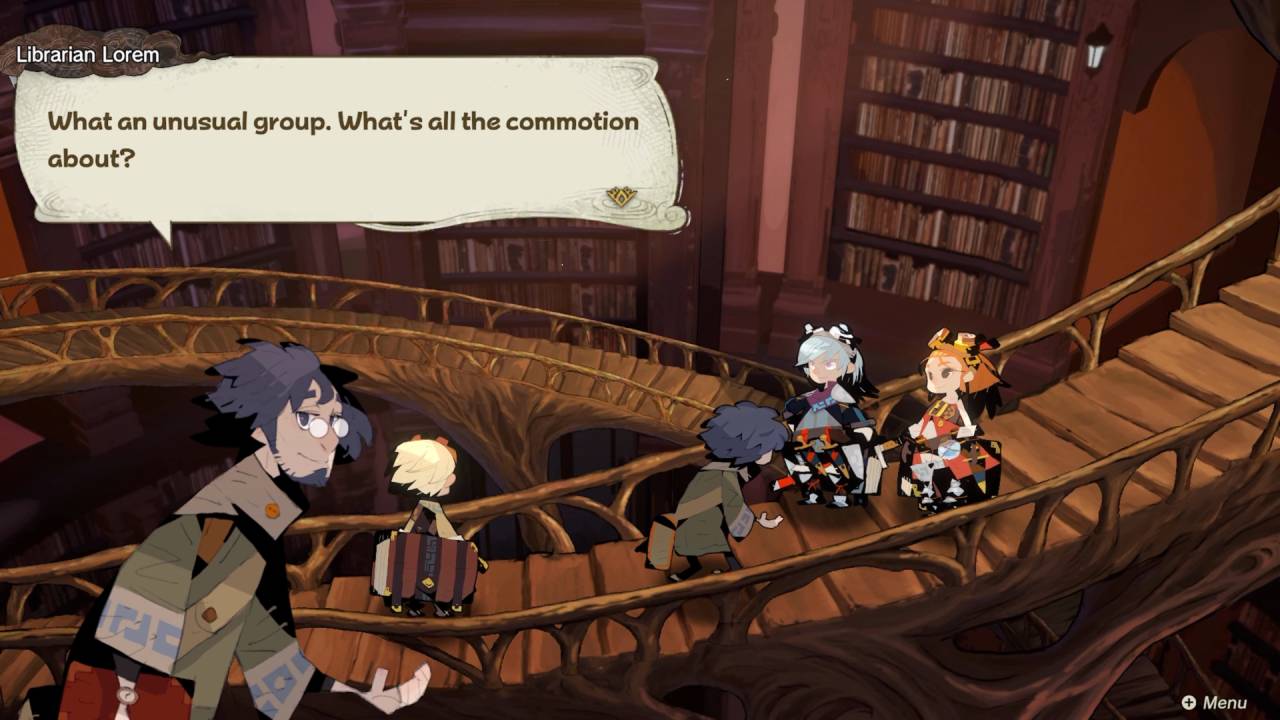
Culdcept BEGINS' extensive deck customization choices and easy-to-use card management tools help considerably with this problem.
Between bouts, you can trade their books, experiment with spells that alter how characters move and discover synergies that reduce their dependence on luck. The UI allows you to easily look at card stats, elemental ties and deck organization, and trying new things is far less intimidating than the series' reputation would have you believe.
So anger tends to lead to wanting to better strategy rather than abandon the system entirely. There is no direct leveling up in Culdcept BEGINS. Instead, you progress forward by acquiring additional cards, cash and capacity to deploy more techniques. Story battles, side quests and optional matches award you with gold, booster packs and special cards that allow you to build your deck in completely new ways.
Every win has actual long-term value, because better ideas come from a wider diversity of personalities, not just more of the same. Even duplicate cards are useful, because they can be sold for money, which can be used to purchase more cards. This development cycle can be addictive and sometimes tiring.
There is always the addition of new cards, which provides you with a powerful sense of discovery and makes you want to go back to old boards with fresh decks and try new combinations. At the same time, the campaign can seem like a protracted tutorial that only serves to unlock multiplayer features and expand the amount of cards available for use. For those who wish to be able to compete immediately, the pace of progress may be slower than they had imagined.
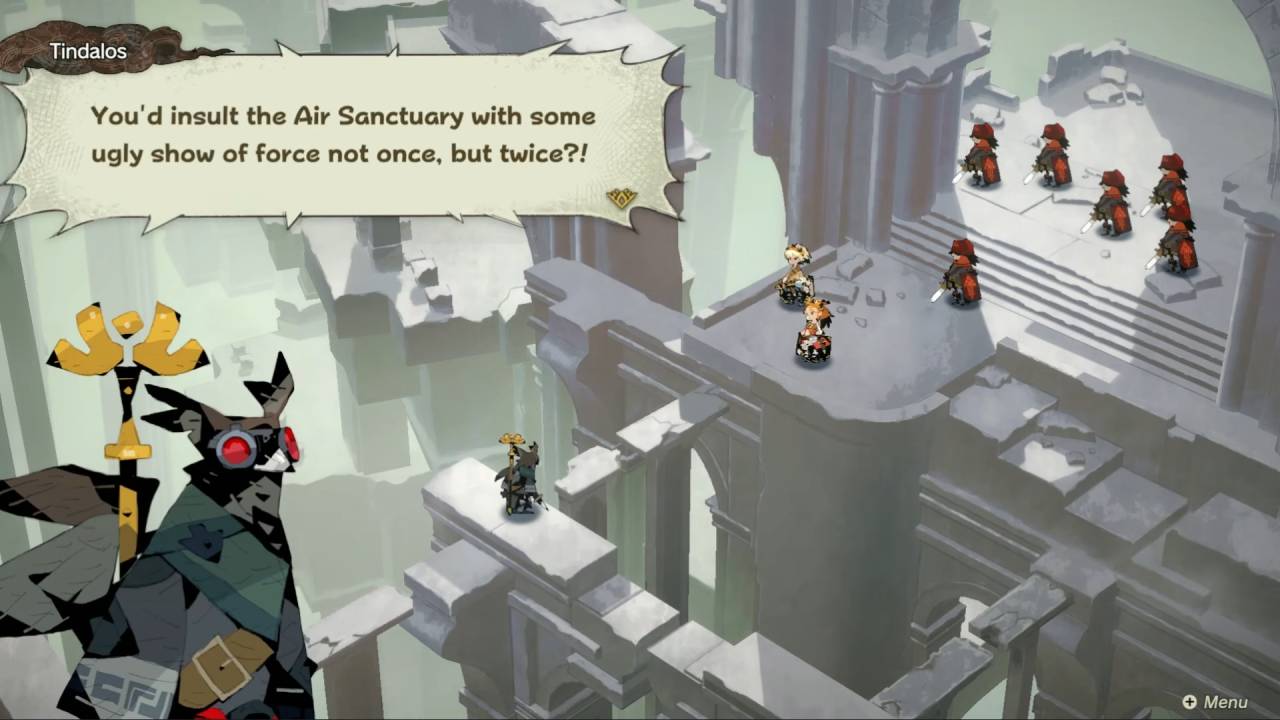
Art-wise, Culdcept BEGINS features a painterly fantasy style that mixes ludicrous character sizes with amazingly detailed surroundings. Seeing the chibi models, the first thing that comes to mind is a fun board game adventure but the maps feature layered terrain, complex architecture and moody lighting that really make the presentation pop.
The monsters, weapons and magical powers on the cards are undoubtedly the visual attractions. They are rendered with the sort of hand-painted detail normally reserved for high-end tabletop games. The art direction always communicates how to play, without sacrificing any of the game's style or beauty.
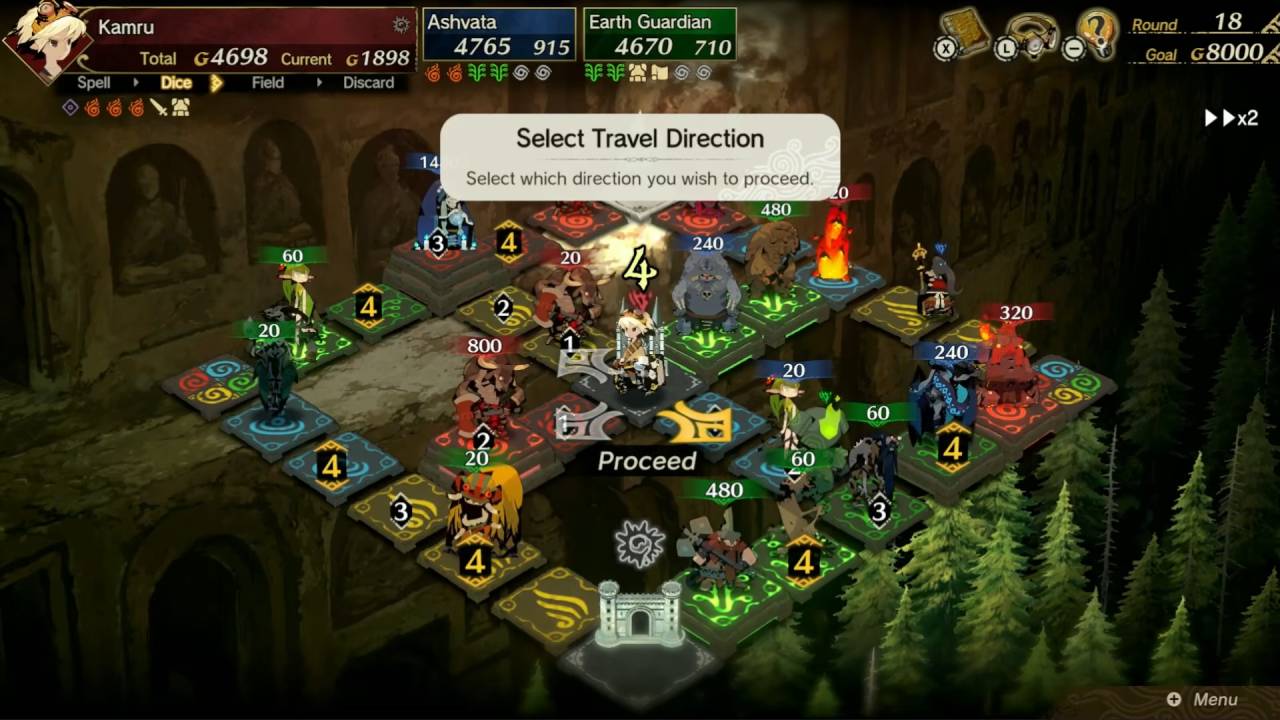
The animation is not mind-blowing, but it does what it needs to do for Culdcept BEGINS. The creatures fight in a simple fashion; you can see the effects of the elements during battles, and board interactions are simple, even when multiplayer games get hectic. Regarding performance, there is no mention of crashes, severe slowdowns or other technical issues that would prevent long play sessions, so it appears stable on new Nintendo hardware.
There are some minor visual glitches from time to time but they never truly harmed the overall image.
One clever design choice is the contrast between the silly board game style and the serious fantasy mythology below it. The visual language does a good job of guiding the eye to crucial places, fights and who owns what territory while still making it feel like you are in the center of a great magical war.
That level of clarity is vital in a system that has this much information and the art team deserves credit for making the complexity feel approachable. Few strategy games are both instantly readable and always look good.
The soundtrack is excellent and sounds like it was made for an RPG with a lot more money. Brass marching, woodwinds ethereal, tribal percussion, dramatic battle arrangements; they flow with ease between tests at the academy, fights with pirates and conflicts that threaten the whole globe. The score is effective not due to one catchy theme but due to its variety and the music fitting the scene.
Every board is a personality in itself, so long practices never sound like the same thing again and again. Sound effects do the same thing. Dice rolls seem weighted correctly. Upgrading a region provides it with a unique magical effect. Combat effects make damage evident without being too much.
The story lines could have felt flat without a lot of voice acting but the music makes up for it by putting a lot of emotional weight on it. This music does not simply accompany strategy; it heightens the tension, triumph and looming disaster.
Culdcept BEGINS is one of the most innovative strategy games to be released in recent years, as it cannot be easily categorized into any well-known genre. A board game, a collectible card game, a tactical role-playing game and a social multiplayer experience, all at once. A half-hour practice can easily turn into a whole evening.
There are some pretty obvious pacing issues; the story never really rises above the usual fantasy fare and the reliance on chance numbers can feel cruel at times. But the design below is so imaginative and so thoroughly thought through that those shortcomings become challenges to be addressed, rather than reasons to give up.
Culdcept BEGINS' biggest achievement is not just reviving a dying property, but showing that its unusual blend of mechanics still feels fresh in a market saturated with typical deck-builders. Every piece of land you take, every daring assault, every well-thought-out card synergy coalesces into a one-of-a-kind strategic cadence you would not find in any other Nintendo game at the moment.
This edition has its share of flaws but it is an excellent option for gamers who prefer competitive games, trying out new decks and the thrill of style reversal play. Patience is a must, but the reward is a really interesting system that keeps giving you new ways to play even after the training chapters are done.
Contributor, NoobFeed
Verdict
Culdcept BEGINS is a bold fusion of Monopoly-style territory control and collectible card strategy, elevated by great art and music, but occasionally undermined by heavy reliance on luck and a campaign that takes too long to reach its full potential.
75
Related News
No Data.