
GreedFall: The Dying World Review
PC
An ambitious prequel with a bruised but beating heart, with sharper combat, richer world design and potent anti-colonial themes.
Reviewed by Azfar Rayan on Mar 10, 2026
Spiders has always been a company that has been driven by ambition rather than excess. They are the type of developer that isn't afraid to go after big ideas, complex politics, and old-school role-playing depth, lacking the protection of a blockbuster. The first GreedFall became a cult favorite because of that instinct, not because it was perfect, but because it had conviction, mood, and a unique kind of mid-tier hunger.
As opposed to a named sequel, GreedFall: The Dying World is a prequel that takes place three years before the first game and retells the story from the point of view of the colonized instead of the colonizer. It's a smart change in the story that makes the material more urgent and morally clear right away.
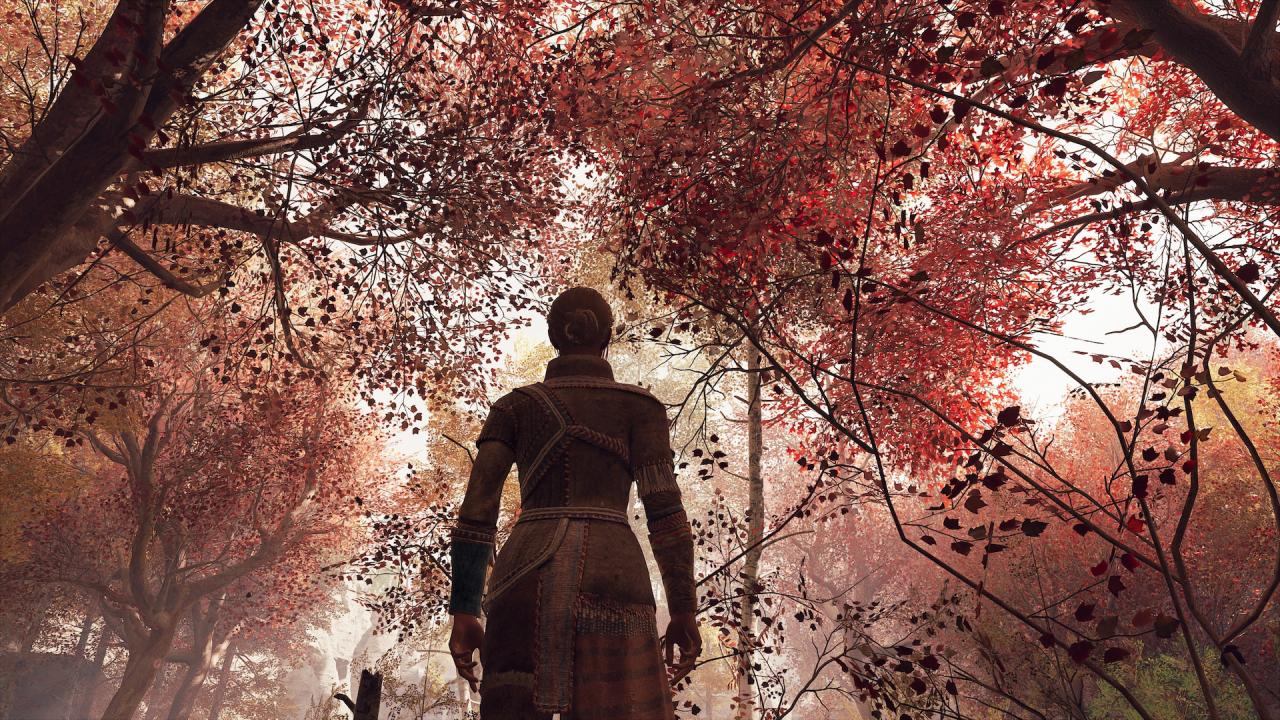
One of the most important things to know about GreedFall: The Dying World is that you can move things around in creative ways.
The first game looked at empire, exploitation, and diplomacy through the eyes of an outsider who had a lot of advantages. This part takes away that advantage and puts you right into the violence of imperial systems. It's clear that Spiders wanted to take the series in a more emotional direction, which is a good idea in theory.
But, once again, desire is stronger than consistency. The new game is better than the old one in many important ways, like combat, map layout, and environmental identity. But it also has problems with writing that isn't consistent, unfinished side projects, slow pacing, and technical issues that keep it from being the big-name RPG that it clearly wants to be.
Even so, the concept is good because it's more than just a simple switch. GreedFall: The Dying World asks what happens when someone from an island is taken away from their home and put into the middle of an old world that is falling apart because of disease, racism, and split loyalties, then they are made to deal with the exact systems that make money off of people's pain.
That set-up naturally drives the drama in the story, and it also gives Spiders a chance to build up the world's ideas. No longer is this just a made-up region of rival powers. It's a market of taking, suffering, taking advantage of, and fighting back. When the writing fits with that bigger picture, the game is captivating in ways that make it feel much more grown-up than the last one.
Vriden Gerr is an islander who has just become connected to holy duty. His life is violently interrupted when he is kidnapped, held captive, and sent to the continent of Gacane against his will. Once that happens, the story goes on a political trip with plots, experiments, a plague, and a hopeless attempt to get back home.
At first glance, it looks like a typical fantasy plot, with things like moving and coming back. GreedFall: The Dying World is really about a lot of grimmer matters: murder, cultural theft, oppressive bureaucracy, and how colonial power changes both personal identity and public truth. These ideas give the story real weight, and they bring out the best in a lot of the best parts.
When it comes to how those structures hurt people, the game works best when it stays close to that. Vriden Gerr's childhood friend Nílan is recognized as one of the best examples of that emotional focus. His anger is not treated as an expedient flaw to be corrected for your comfort, but as a credible, painful reaction to dispossession and violence.
That little detail is relevant. Because there are so many of them, anger can turn into chaos and self-control can turn into virtue. That's not how GreedFall: The Dying World is when it's at its best. Because it hasn't done anything wrong, the world knows that being kind has weight and that justice can be sad without becoming ugly.
Most companions agree with that strength, but not all of them do.
It's interesting to see how Sybille deals with things. She's a noblewoman who doesn't seem to care about anything, but her problems with sexism, performance, and inherited power are very real. It gives the story more depth when Ludwig shows how tired the pro is and how he is tied to a different country that still sees you as an outsider.
In GreedFall: The Dying World, these are the kinds of people who make the story seem the most real. They don't just give information. That's exactly what companion writing for a faction-driven RPG should do: show the flaws of the societies they reflect.
That being said, the contradiction is impossible to ignore. Some companions don't seem fully developed, and one looks so unfinished that its disappearance is noticeable instead of subtle. There are different levels of quality in the personal questlines. Some arcs are very emotional, while others feel rushed, expected, or just too thin to warrant the screen time they get.
Here is where GreedFall: The Dying World starts to fall apart. It's easy to see the building blocks of a great party-based RPG, but the finished product isn't always there to back them up. The game keeps teasing emotional high points that it hasn't fully developed.
What's worse is that the main story is often too simple. Bad guys sometimes give away too much too quickly, drop hints without giving them much thought, and groups can be surprisingly trusting when they should be more skeptical or morally against it.
GreedFall: The Dying World sometimes seems like it wants to rush to the next big thing, even if that means dropping the moral depth or skipping the kind of investigative depth that would have made the findings feel more real. This doesn't ruin the story, but it makes it less convincing. While the game tries to be politically deep, the writing sometimes makes it seem like the game's depth is slowing it down instead of adding to its drama.
Still, there are times when the power is clear. Some of the last parts of the story, especially those that deal with grief, identity, and cultural survival, show how strong this game can be when it trusts itself. You don't need shock or grandeur for those scenes to hit home.
The reason they work is that the world is already hurt, and the characters are already feeling the pain of that hurt. At those times, GreedFall: The Dying World appears like a great version of itself, not just a good copy of older BioWare structures, but a game with its own voice, its own sadness, and its own tenderness.
The game's mechanics are wider and, most of the time, better than the last one.
Cities are more distinct, environments feel bigger and more carefully built, and quest spaces now make you want to explore instead of just following the rules. Finally, there's a better sense that the world is a place and not just a series of hubs and corridors linked by conversation trees. That's a big change that makes GreedFall: The Dying World a lot better.
Going off the main path can lead to useful items, new storylines, crafting prizes, and just the pleasure of living in a world that seems more physically written. Every moment, you have to balance exploring, checking conversation, managing factions, getting to know companions, looting, crafting, fine-tuning equipment, sneaking, tracking, and making more role-playing choices than the first game allowed you to make.
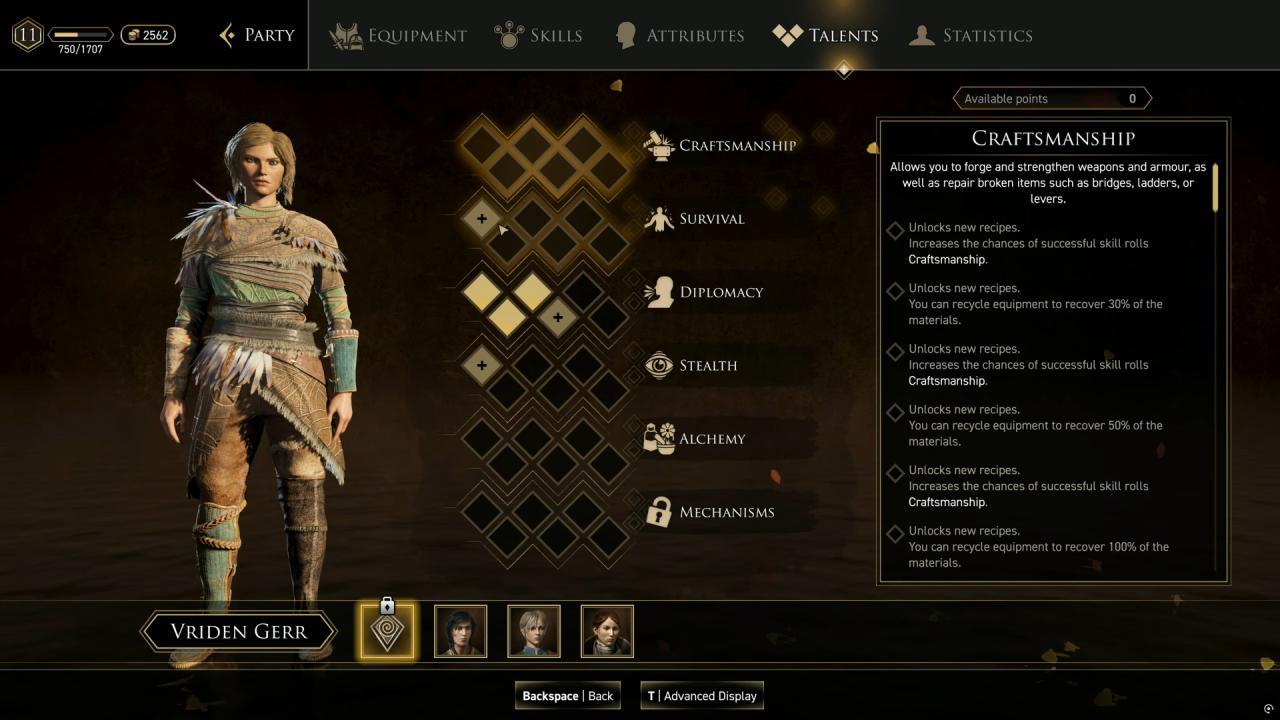
Talents like Craftsmanship, Survival, Alchemy, Stealth, and Mechanisms add more systemic depth to the game by changing how quests can be completed and what results feel possible. GreedFall: The Dying World doesn't always make the most of this leeway as well as it could, but the structure is there, and it gives the game a stronger role-playing core than many action-oriented RPGs out there today.
When you look at crafting and managing your gear as parts of the bigger growth loop, they work even better. You can build, improve, and change your own weapons, and the gear you choose affects more than just your power and defense. It's fun to feel like you're growing as a person because of how stats and talents work together. Some things can help you with social skills or stealth.
Because of how levels are set up, people are also forced to specialize on purpose. GreedFall: The Dying World wants you to think about who you are as a person, not just how to get more points. This adds more depth to character building than a simple point-allocation system would have. Even though some paths are more rewarding than others, the design is smart as a whole.
Class design supports that goal. The game's paths let you become a melee attacker, a ranged attacker, a healer, a scout, a tank, or a hybrid construction. Companions can unlock skills that are close by over time. This adds a lot of interesting strategic options, especially for players who like to base their builds on role, rhythm, and usefulness rather than trying to find the best template for every situation.
But there is also a big problem with this. There are times when skill trees feel too rigid, and some restrictions that are linked to weapons make experimenting less free than it seems at first. As a result, GreedFall: The Dying World gives you the fantasy of full customization, but it doesn't always give you the best application of its best ideas.
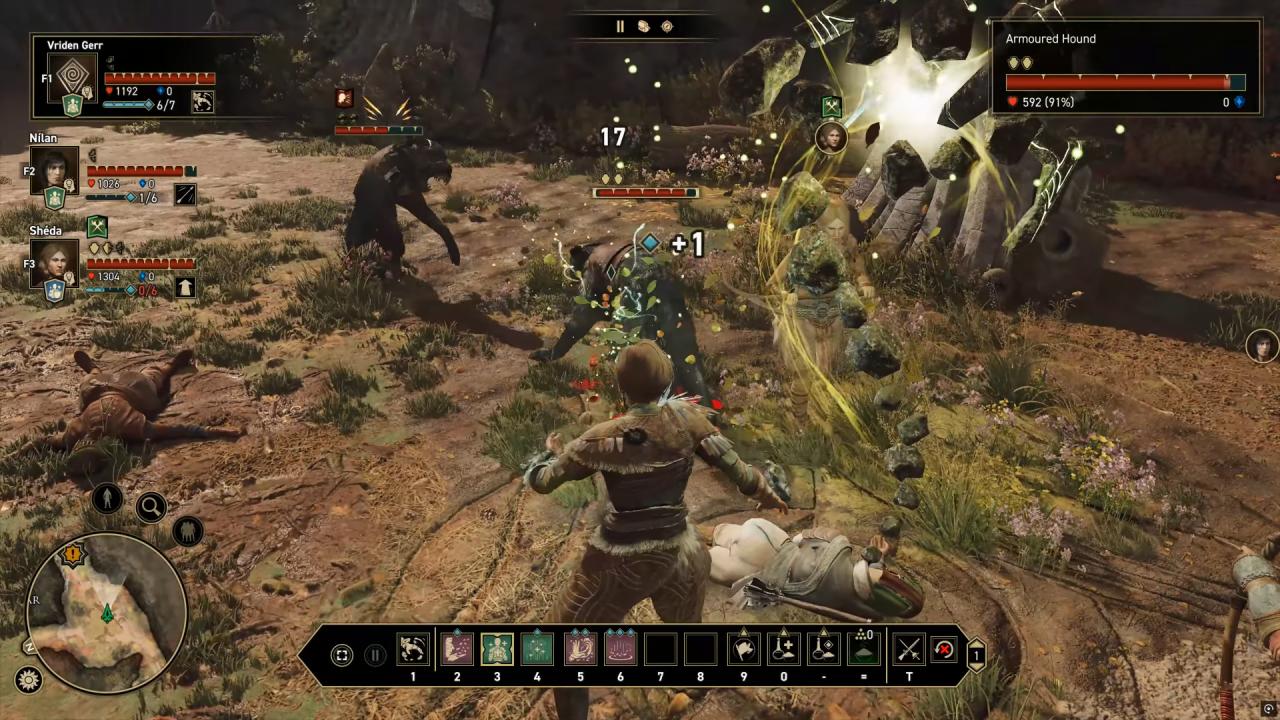
The change from fast-paced fighting in the first game to real-time fighting with breaks is the most debated change in the game. On paper, that looks like a brave and even good choice. It means they want to spend more time on party strategies, being aware of the battlefield, and managing skills in layers rather than quickly trading animations.
In real life, the change is both one of the best ideas for the game and one of the things that people hate the most about it.
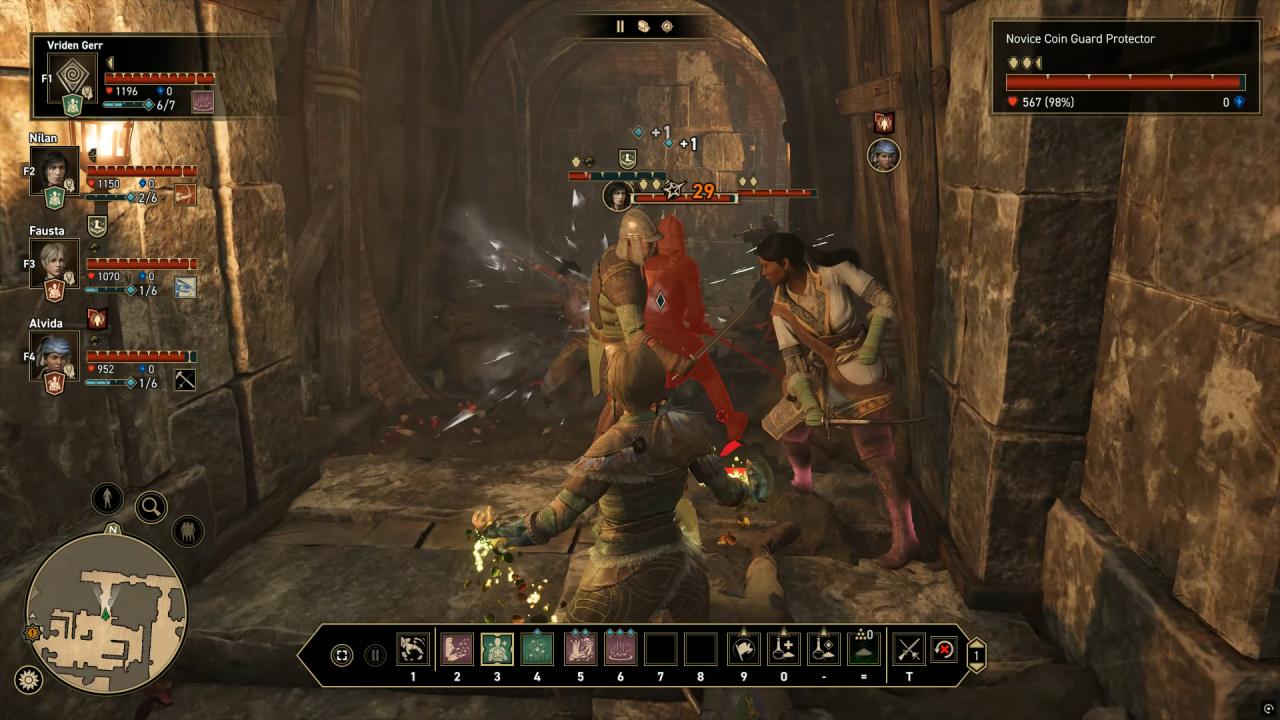
GreedFall: The Dying World lets you choose how much direct control you want over the whole party by giving them Tactical, Hybrid, and Focused ways to fight. That helps, and it's a good sign that you know different people interact with tactical tools in different ways.
When the system clicks, it's really cool. Different types of weapons, action points, how armor works, stances, positions, and party orders make battle more complicated than it was in the original version of the game. It's satisfying to stop the action, look at the risks, set up ability chains, and then see a tough battle go in the party's favor because the right choices were made under pressure.
During those times, GreedFall: The Dying World acts like a more serious and feature-rich RPG that knows why classic party battles are still fun when done on purpose. The structure is what's wrong, not the idea. Combat can be slow and clumsy, and the game's interface logic can sometimes get in the way. The animations don't snap together, the camera can resist your will instead of supporting it and some fights turn into boring grinds against weak enemies instead of fun tactical problems.
People who liked how the first game had clearer action will feel let down by this. GreedFall: The Dying World doesn't always have the finesse, readability, or drive to stand with the best games in its genre, even for people who are fond of real-time with pause. It is structured, but it isn't always beautiful.
The puzzle part of the game isn't as good. Puzzles and riddles in the world and quests are often too easy to figure out. Sometimes they are almost too easy to figure out before you even get to them. That makes it harder to find new things and makes some investigations feel pointless instead of satisfying.
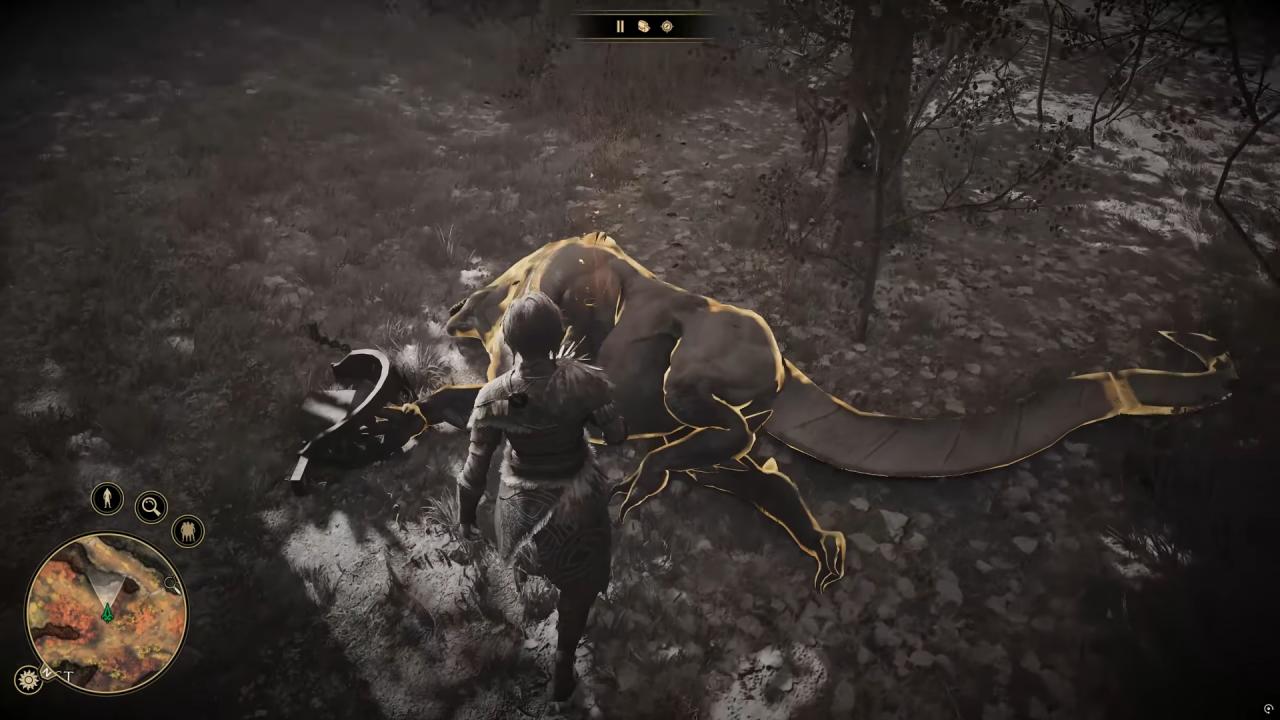
All of these things, a locked ruin, a strange note, a placed clue, and a villain who is easy to spot, can start to feel too mechanically clear. GreedFall: The Dying World tries to be mysterious, but it's more often about how to do things. That's too bad, because the world's political and historical setting would have worked great with a more sophisticated puzzle design.
The best reason to like the combat system is that it finally gives the series a clearer mechanical character. To those who like to fix problems instead of just leaving them, this game has more tactical planning, more build interaction, more real party management and more room for them.
You can feel useful when you have friends, your skills are important, and fighting makes sense, which makes you want to be ready. That makes GreedFall: The Dying World feel like a better RPG, even when some fights fail. It wasn't a mistake to move toward party-led methods. In fact, it was an act of reinvention that was needed for a brand that needed a stronger base for its systems.
The trouble is that the promise is often broken when it is put into action.
The level of difficulty can change quickly; it's hard to tell what level an enemy is, and some fights feel unfair for no good reason. There is hidden scaling, an odd balance for encounters, and a trend toward fixes that need a lot of grinding. There is less control and more friction when these things are present. You will get used to it, and some may even like it.
Some people will see it as just that: a problem with the setting, not a useful test. GreedFall: The Dying World comes close to being brilliant in battle many times, but fails miserably when it comes to readability, pace, or polish. It works better, but it's still not perfect, to move forward through experience points and character growth.
The leveling system is based on battles, exploration, completing quests, and general interaction. Each level has a practical effect through attributes, skill points, and talent investment. In a method that feels useful, that keeps you going forward. In GreedFall: The Dying World, rising up feels more like a part of defining your role than just a way to get higher.
It's not enough that a figure is stronger to be better. Because they are stronger, characters can say more clearly in conversations, make better items, fight better, and change how the world reacts. On the other hand, the game can force you to farm experience when the challenge spikes are too sharp or the combat gates are opened too quickly.
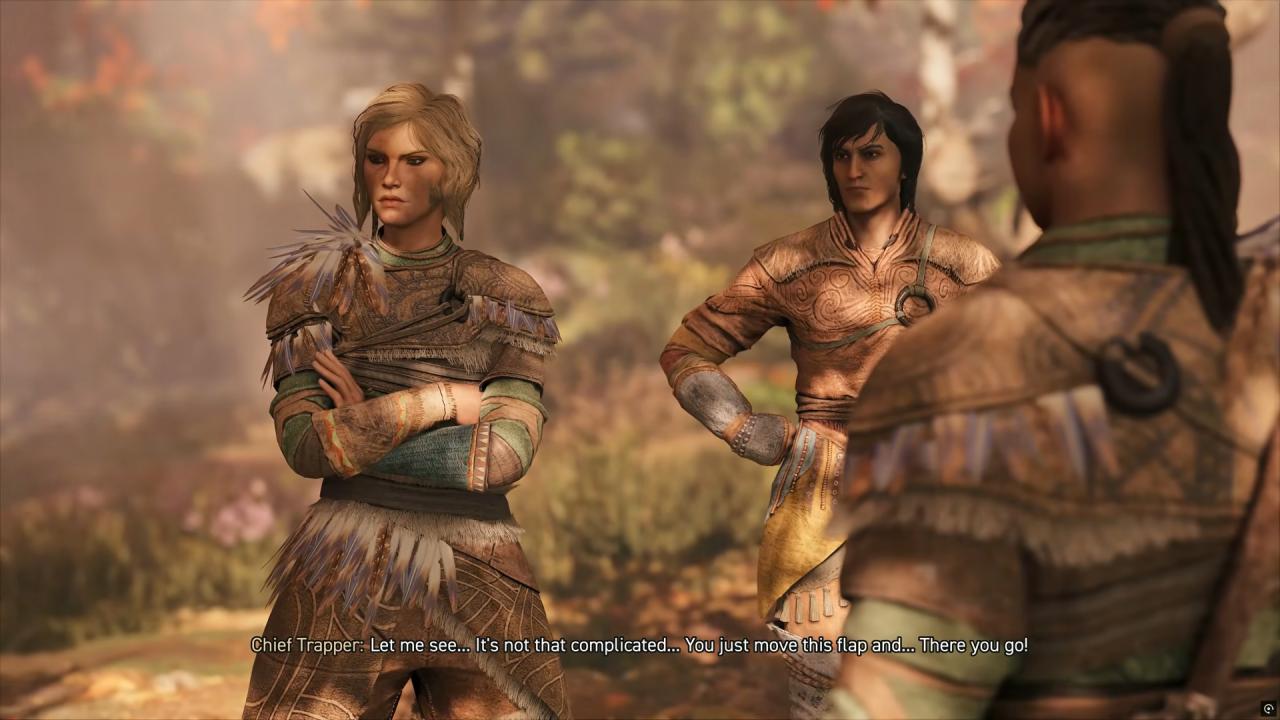
Grinding doesn't happen all the time, but it does happen enough that it's noticeable, and when it does, it can slow down the story. A story with this much political weight needs to move forward, and hard progress blocks could stop that movement.
Still, the leveling system has a mostly good effect on gameplay because it encourages build authorship and long-term flexibility. You might not always be able to tell when to make things harder in GreedFall: The Dying World, but at least making your character grow matters.
The game looks a lot better than the first GreedFall, especially when it comes to scale, city planning, and the amount of stuff in the environment. This game isn't cutting edge, and it doesn't need to be. What's more important is that the areas now feel less repetitive and more ideologically separate. Cities make it easier to understand people's class, beliefs, and worldviews.
Some places have stronger atmospheres. Architecture shows more of who you are. GreedFall: The Dying World does what good art direction should do in this way. It's not just making the world look nice. Through art, it makes the world's power structures, fears, and social contradictions clearer.
This change is especially good for investigation.
It feels less routine and more emotionally grounded to move around in the world when there are wide streets, dense urban pockets, stronger landmarking, and more believable settlement design. The environments finally look like real places where people live under a lot of stress, not just fantasy scenes put together for task routing.
Even then, the arrangement is not even in some places. Character animation isn't always smooth, and human faces don't always show the subtleties that are asked of them in the story. Also, technical problems often break the illusion. There is no doubt that GreedFall: The Dying World looks better than its predecessor, but it also seems like a game that is still pushing the limits of its budget, engine development, and production speed.
One of the more reliably good parts of the experience is the sound work. The music gives the game a sense of weight that its roughest parts don't always deserve, and the way some scenes are scored shows a lot of emotional intelligence. The vocal work is also mixed, but in the best way possible.
It's not bad, it's just a reflection of a world with many cultures, skewed relationships, and different linguistic identities. When the acting is good, GreedFall: The Dying World has a dramatic credibility that some of its conversation writing can't quite achieve on its own. Scenes that would have felt overly direct or unfinished on the page are often saved by strong line delivery.
Sound effects in the game are also useful because they help show cultural differences.
Native language features, regional accents, and tonal differences between groups all help make the world sound real, not just like a dream world. The soundscape for combat doesn't always have the emotional punch that's needed to make every fight sing, but it still does important work.
GreedFall: The Dying World knows that worldbuilding isn't simply about what you see and hear. Being aware of this helps keep you immersed during times when technology problems, stiff visuals, or awkward mechanics could break it.
In the most interesting way, this game is difficult. When a title fails, it's because it doesn't have anything new to say or do. That's not one of them. GreedFall: The Dying World has a lot of plans. It wants to make the game's politics more complicated, its fights better, its settings more interesting, and the way it talks about how it feels more adult. In some places, it really does work.
The world is now better. There is more to learn in the role-playing games. The framework based on themes works better. It's easy to remember the best partner reading. When there are great fights, you can tell that the game is getting stronger. That growth is important, and it makes the game impossible to leave out.
But desire can't smooth out the rough spots. The writing isn't always consistent, some storylines feel like they're not developed enough, the romance is still disappointingly thin, technical problems keep stopping the action, and the change to the way the game is played is smart in theory, but lacks the detail needed to be convincing to everyone.
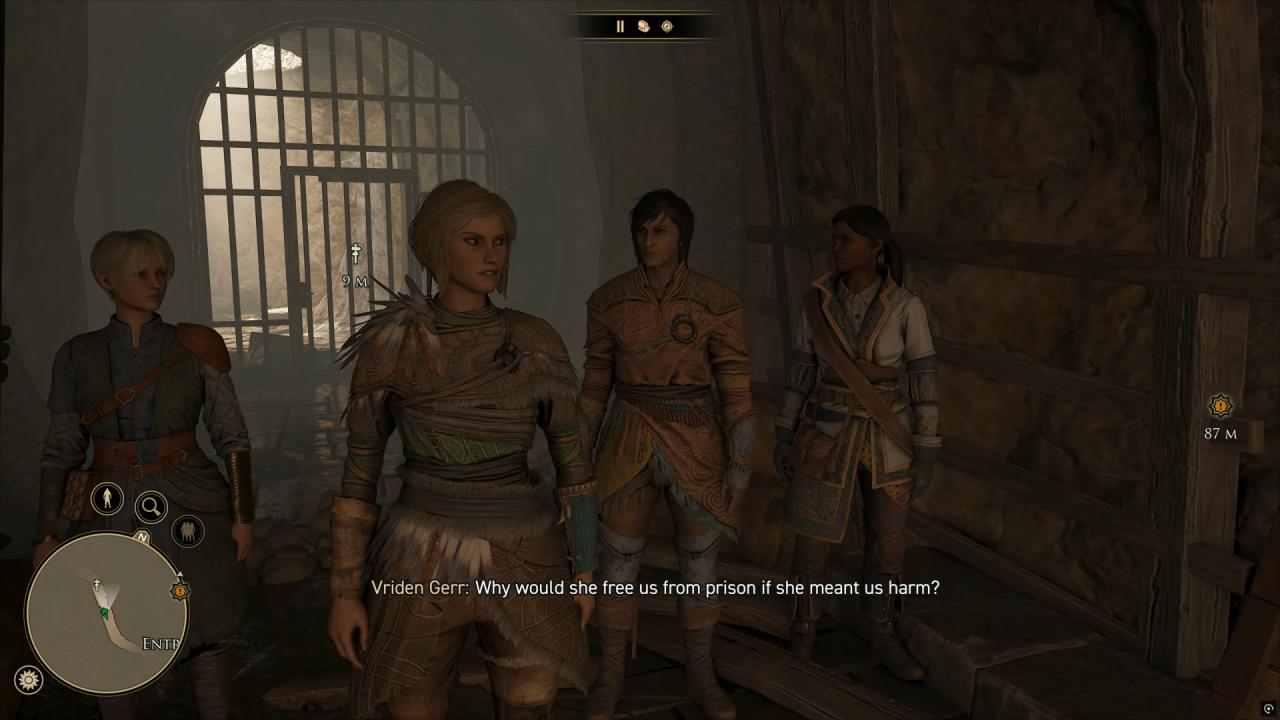
That stress sets the mood for the whole thing. In GreedFall: The Dying World, things are never dull, but they are often not even. From one part to the next, it can be funny and awkward. It can sound deep at first, but then it changes its mind and acts like a manuscript that needs another year to be polished. This is one of the few games that is both easy to like and hard to fully recommend without any caveats.
Even with these problems, the game is still worth playing if you like old-school RPGs, worlds that value moral conflict over power fantasy ease, and politics that are based on factions. It might not finish the change Spiders was trying to make, but it definitely shows that there is more life in the world than the first game could have promised.
So, GreedFall: The Dying World is like a link between what the series has been and what it could still become. The base is already here. The image can be seen. Too many times, the actions have not lived up to the goals.
Senior Editor, NoobFeed
Verdict
A bold, intelligent, and uneven prequel that upgrades GreedFall’s world and systems while stumbling over unfinished writing and technical friction. Easy to respect, often easy to enjoy, but difficult to love without reservation.
60
Related News
No Data.