
Heretic + Hexen Review
Xbox Series X|S
The cult classics that combined guns and magic are back, but they've been updated for new systems without losing their strangeness.
Reviewed by Nusrat Choity on Aug 10, 2025
Raven Software had a bold new idea in the middle of the 1990s, when first-person shooters were still new. They didn't take you to more military bases or hallways that looked like they were from a sci-fi movie. They didn't take you to places that made you happy. Instead, they brought you to dark fantasy worlds, cursed castles, and strange fears. Heretic (1994) changed the Doom engine to look like a sorcerer's view, and Hexen (1995) added RPG elements, interconnected hubs, and three different character classes to that idea.
Nightdive Studios has now remastered both of them in one package, thanks to id Software, Raven Software, and the complicated web of modern corporate ownership. You get Heretic and Hexen, along with their expansions (Shadow of the Serpent Riders for Heretic and Death Kings of the Dark Citadel for Hexen), as well as two new episodes. It also has cross-platform co-op, better graphics, optional changes to how you play, and full mod support.
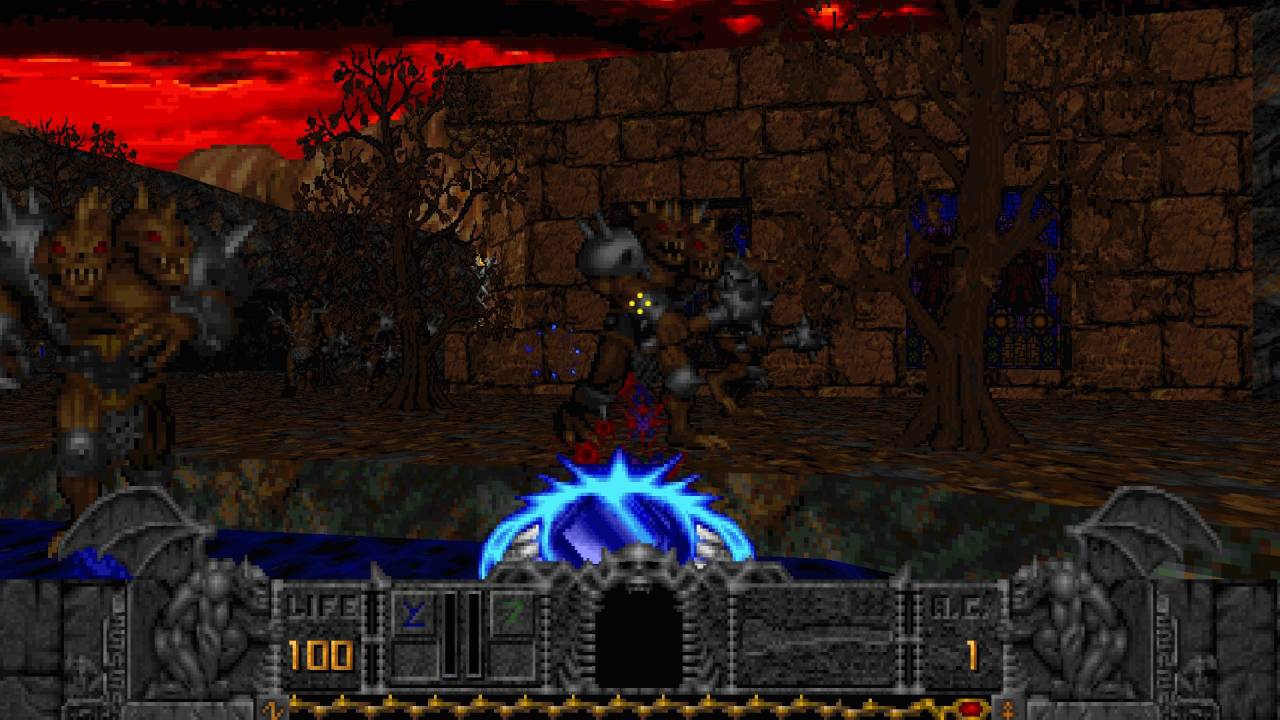
This revival is like a spell that brings back games that have been gone for a long time. Both games take place in dark fantasy worlds. You play as Corvus, a Sidhe elf in Heretic. You are the only one who can fight back against the Serpent Riders, evil overlords who have destroyed your world.
The story isn't very good by today's standards, but the mood is what matters: castles falling apart, dungeons lit by lava, and monsters that look like nightmares made of black magic. Hexen makes things even worse. You aren't just going through levels one at a time this time. You go from one hub to another, solve puzzles in the world, and then go back to open up new areas.
This dark medieval fantasy world has ruined cathedrals, creepy swamps, and buildings that look like they belong to the occult. There are three main characters: the Fighter, the Cleric, and the Mage. Each one has their weapon. This changes the way you fight and see. The writing doesn't have to be perfect. Even without cutscenes or lengthy explanations, you can feel the Serpent Riders' threat in every dark corner of the world.
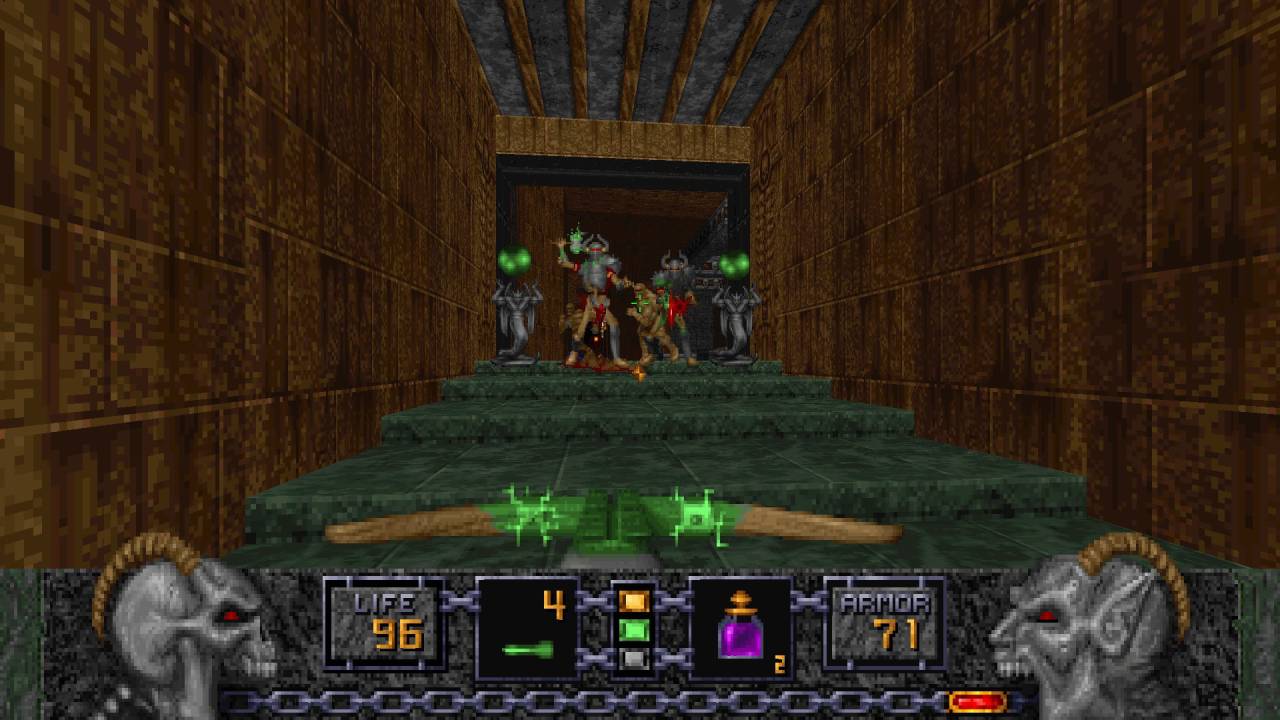
If you've played Doom, the core will feel familiar: you move quickly, strafe all the time, and blow up enemies into pixelated pieces. Heretic has an inventory system that lets you keep power-ups and use them wisely. For instance, hourglasses that stop time and the "Tome of Power" buffs that make your weapons even more powerful.
Hexen takes it even further. At first, you choose a class: Fighter for brute force, Cleric for a mix of melee and magic, or Mage for only spellcasting. You can switch classes in the middle of a playthrough at hub areas in the remaster. You can now try out all of the weapon sets without having to start over.
In Hexen levels, it's not just about killing. In a hub, a lot of maps have switches, keys, and triggers. To get to the next level, you often have to look around and remember where they are. People used to say that players struggled to understand this structure.
You can choose to play the remaster in "less abstract puzzles" mode, though. This mode keeps the challenge without making you feel like you have no idea what to do. Everything changes when you can play together on different platforms. In 1995, you couldn't play with a friend on both a PC and a Switch at the same time.
In Heretic, the fighting is faster and more direct. Enemies are everywhere, in hallways and open spaces, so you need to switch weapons and use the Tome of Power to deal a lot of damage quickly. The remaster changes the balance of weapons so that they hit harder. The crossbow, for instance, now rips enemies apart like Doom's shotgun instead of just tickling them to death like it did in the first game.
In battle, a lot of what Hexen does depends on what class you are. The Fighter is great when enemies are close by, but not so great when they are in the air. The Mage is strong from a distance, but if you get too close, they will give up right away. The Cleric is in the middle. They can attack with magical fire, melee maces, and ranged staves.
In the remaster's early game, you get more weapons right away, so you don't have to go through the annoying "mace only" part of the original. People still hate the puzzles in Hexen, but the new hint system makes them easier to figure out. You will still need to think and explore, but you won't have to spend hours looking for a switch that was hidden behind a random pillar.
That said, there are still some problems with the design, like swamp snakes getting in your way or hitboxes on decorative trees that are too big, which can make it feel like you're dancing badly. The good news is that there are more weapons, the starting loadouts are better, and you can change the difficulty and puzzle complexity to fit how patient you are.
The bad: Some of the environmental hazards seem cheap, and some of the layouts make the game longer by making players go back too often. When Hexen's combat is at its best, like when a Cleric's powered-up serpent staff melts enemies while your co-op partner shoots them from the side, it's like playing an old-school first-person shooter. If it doesn't, you'll have to fight enemies and look for the switch you missed at one of the hub's five exits.
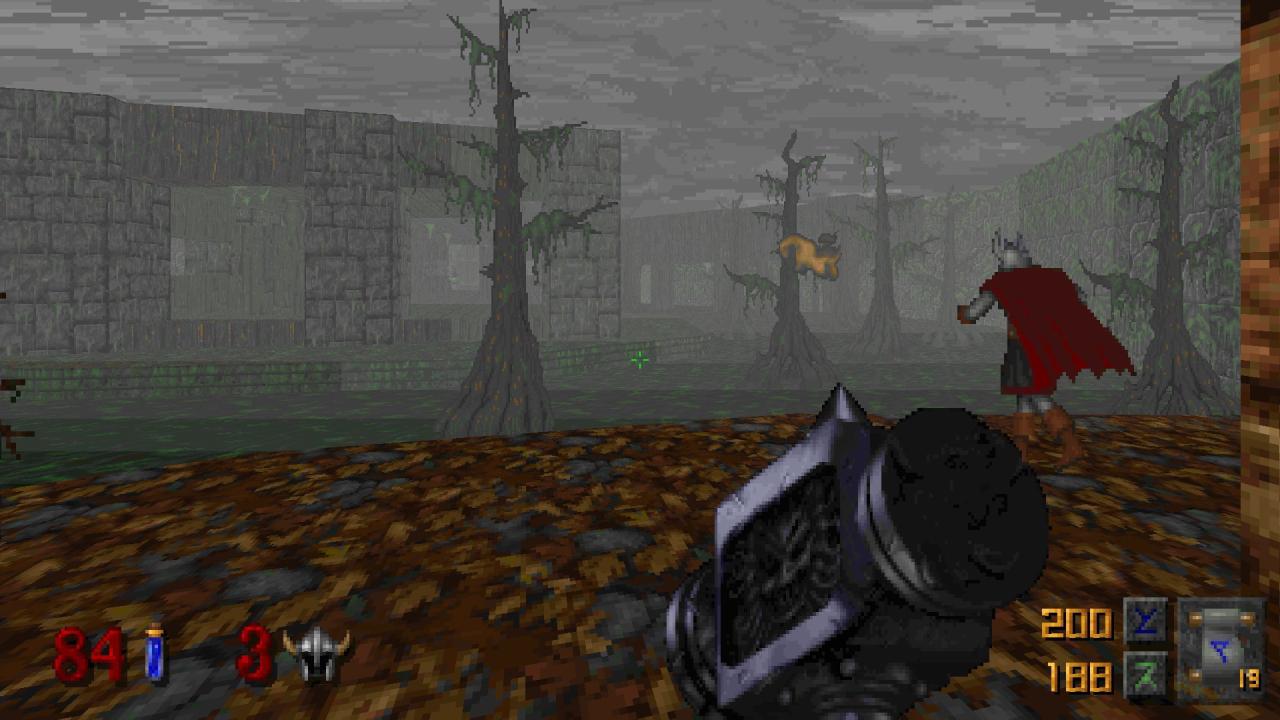
Nightdive's remaster makes both games look new, but the pixelated graphics make them feel like the originals. You can choose between the old, thick HUD and a new, cleaner font. The animations are smoother, the lighting is sharper, and the textures are more transparent. But there is still one big problem: the textures in Hexen get "warped" when you look up or down.
The Doom engine's limitations are to blame for this problem. The remaster keeps it, even though modern source ports like GZDoom have fixed it for a long time. For veterans, it's a trip down memory lane; for new players, it might look like it's broken.
The level's art direction is excellent. The gothic castles and flowing lava in Heretic still look scary and dark. The hub worlds in Hexen are bigger and have more things to do. There are marshy swamps and courtyards with cathedrals in them. The shapes may not be as complex to make as they used to be, but the art that went into them is still just as good as it was when they were made.
The most important thing here is Andrew Hulshult's remastered soundtrack. It's enormous, orchestral, and loud. Some people will think it fits perfectly into the dark fantasy world. Some people might think it looks too much like a movie compared to the rough MIDI versions. You can switch between the new score and the old tracks, which is excellent for people who prefer the original.
The sound effects are still significant and crunchy, and every time you swing, blast, or kill an enemy, it feels like you're back in the old days. The new weapons in the Tome of Power sound great, and the monster growls still make you want to scream "oh no" in dark hallways.
Heretic + Hexen is more than just a trip down memory lane; it's a careful preservation of two cult classics that helped shape the fantasy FPS subgenre. The changes Nightdive made keep the original's spirit while making it easier for people today to understand. The class-switching in Hexen, the options for making puzzles easier, the ability to play with people on different platforms, and the weapon rebalance all seem like things that the 90s versions needed.
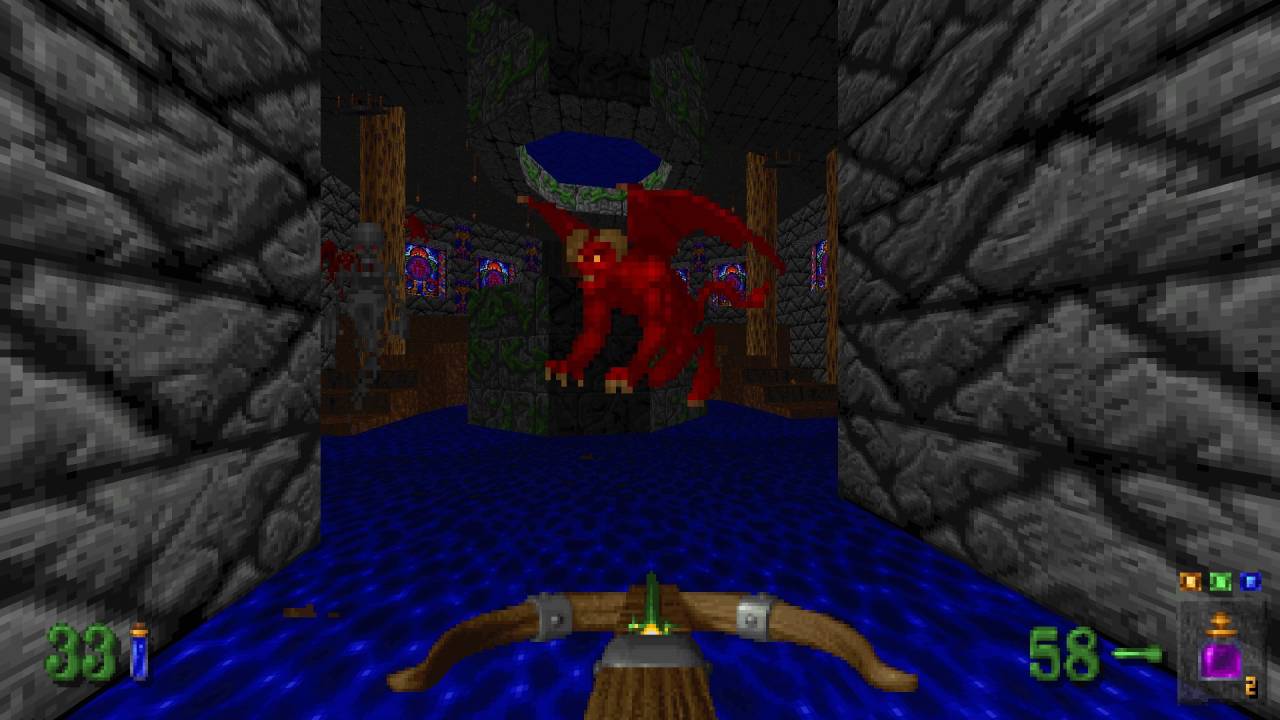
Are there any issues? Yes, of course. The level design, the way the texture changes when you touch it, and other things about the environment that make you mad are still there. But for $15, you get four complete games, two new episodes, and enough stuff to keep you busy for a long time. No matter if you're going back to these worlds or visiting them for the first time, there's always something fun to do.
This package gives you exactly what you want: fast-paced fighting with magic and a medieval world that is falling apart. Heretic + Hexen shows that one way to honour the past is to make it useful in the present. This is especially true now that remasters often break or make the originals bigger.
Contributor, NoobFeed
Verdict
A faithful remake of two dark fantasy first-person shooters that keeps the spirit of the originals while adding new features and fixing old ones. The right kind of memory.
68
Related News
No Data.