
NBA 2K27 Review
Xbox Series X|S
After the more arcade-heavy NBA 2K26, Visual Concepts takes a step back toward realism with better defense, smarter AI, smoother offense, and a much more balanced basketball experience.
Reviewed by Mahi Araf on Sep 05, 2026
NBA 2K has been around long enough that every new entry comes with a certain expectation. Visual Concepts has spent years building on the same basketball foundation, adding new mechanics, modes, animations, presentation upgrades, and plenty of other changes along the way. Some years feel like major steps forward, while others can feel more like adjustments to an already familiar formula.
NBA 2K26 was one of the more enjoyable entries in recent years, but it also leaned heavily toward offense, which made the game feel more arcade-like than a basketball simulation should. NBA 2K27 takes a noticeably different approach. Rather than simply adding another set of flashy offensive mechanics, Visual Concepts has paid much more attention to how the game actually behaves on the court.
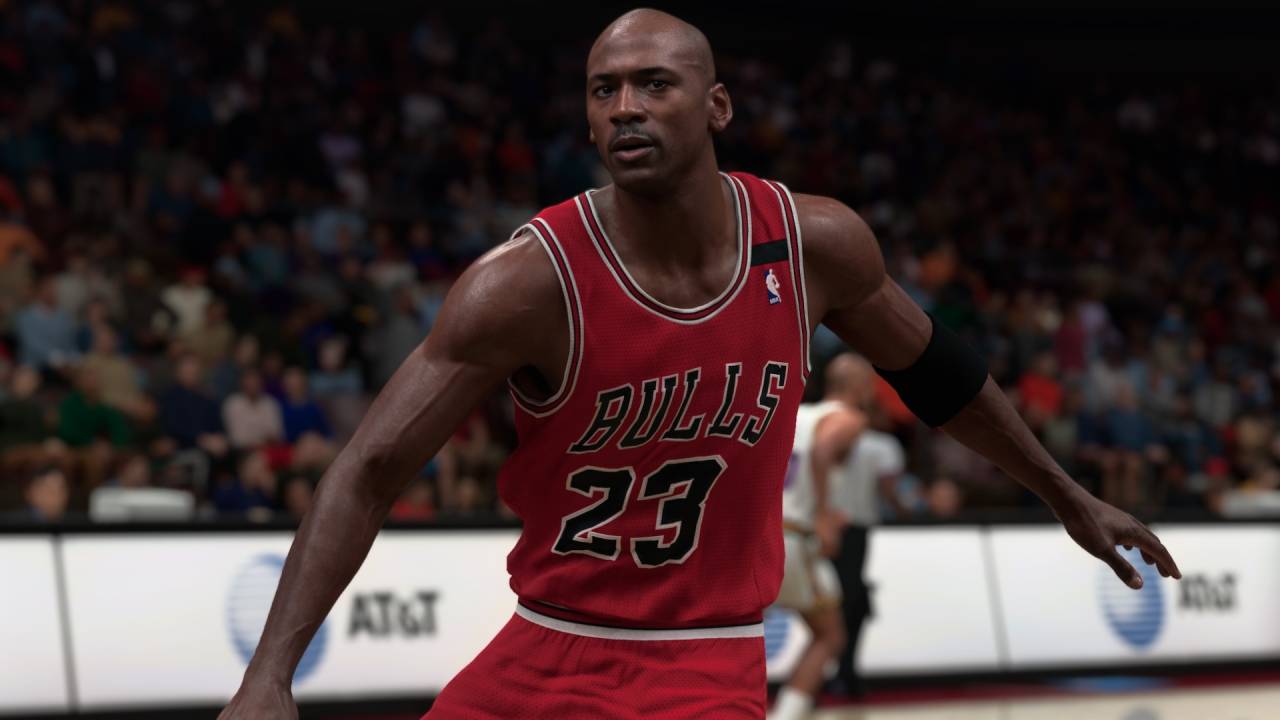
The result is a game that feels closer to the simulation experience that longtime NBA 2K players have wanted. After spending roughly 50 hours with it, most of that time in offline modes and against the AI, the difference becomes much easier to appreciate.
The important thing is that NBA 2K27 does not completely reinvent NBA 2K.
Basketball still looks like basketball, and many of the basic systems will immediately feel familiar if you've played recent entries. What changes is the way those systems interact. Defense has more influence, physical contact feels more meaningful, offensive animations are less disruptive, shooting requires more skill, and the overall pace sits somewhere between NBA 2K25 and NBA 2K26.
The game also benefits from improvements to several areas that were already introduced or reworked in previous entries. Dribbling feels more 75 connected, ProPLAY animations make individual players feel more distinct, and the collision system does a better job of keeping players from simply sliding through one another. None of these changes completely transforms NBA 2K27 on its own, but together they make the entire experience feel more cohesive.
The game modes are still a major part of the NBA 2K experience, although the biggest focus here is the offline side.
MyCareer and MyTeam remain the modes that get the most attention because they are the parts of NBA 2K built around long-term progression and monetization. MyCareer online could change dramatically as the community starts finding the most effective combinations of animations, builds, and dribble packages, so it's hard to judge how balanced those systems will remain over the full life cycle.
The more interesting part of this review is what happens when you pick up the controller and play basketball without getting sucked into the online meta. Play Now is particularly useful for seeing what NBA 2K27 is trying to accomplish because you can experience the game's core mechanics without having to worry about building a player or grinding through progression systems.
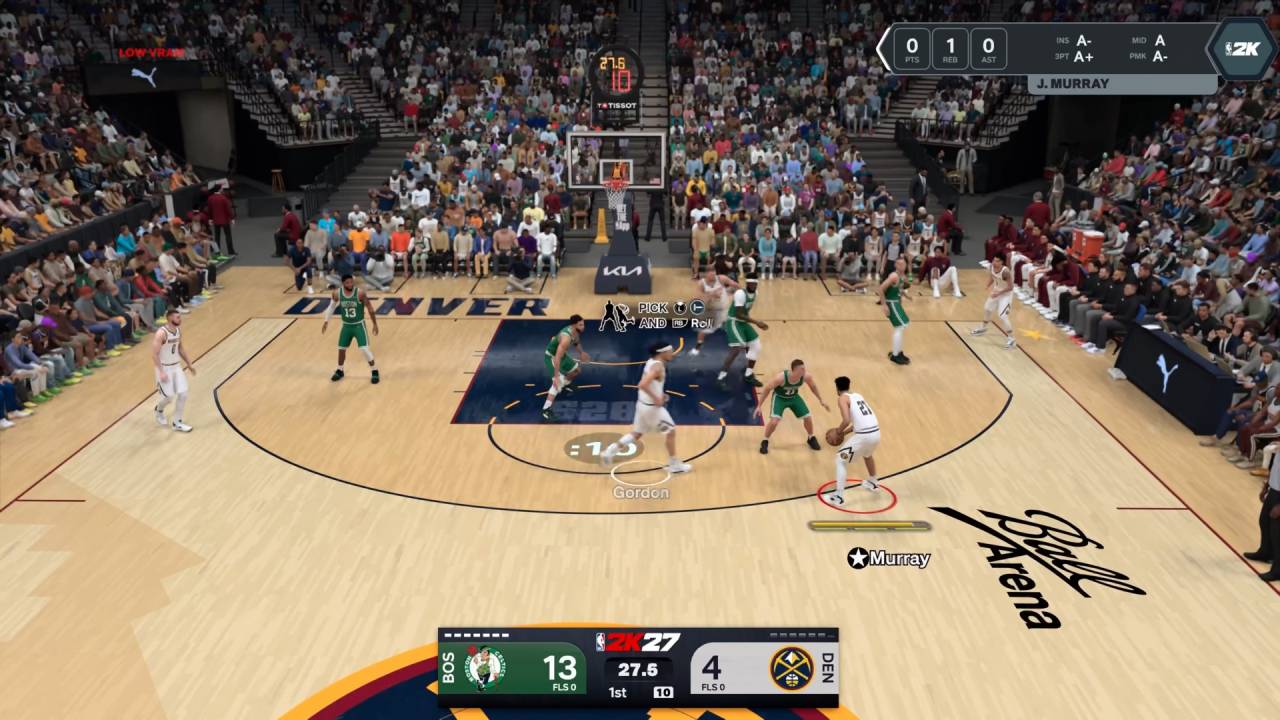
MyNBA and Create a Legend also bring their own changes, although the focus here is primarily on the actual basketball experience rather than those deeper management and career systems. There are still some bugs to work through, as you would expect from a yearly sports release, but the basic offline experience is already in a strong place.
Once you get onto the court, the first thing that stands out is the defensive system. NBA 2K26 could often feel like offense had too much control over a possession. Certain animations let players pass through contact, phase through defenders, or rely on moves that were hard to stop consistently. That made defense feel like something you endured rather than something you actively used to control a game.
NBA 2K27 changes that balance.
You can stay closer to your matchup, use physical contact more effectively, and actually influence what happens during a possession. The collision system and improved ball tangibility make contact feel more believable, while steals no longer seem quite as random or frustrating. When you get into position and make the right defensive play, the game does a better job of rewarding you for it.
Paint defense has also improved substantially. Big, powerful interior defenders can affect the play around the basket a whole lot more. Blocks seem more useful, and defending the post isn't just hoping the offensive player makes a mistake.
Help defense is another important part of this improvement. The AI reacts better, especially around the paint, making it harder to attack the basket with the same strategy repeatedly. Mashing the paint is still possible, but it doesn't feel quite as automatic as it did in previous games.
The improved AI also improves NBA 2K27's overall physics. Player movement feels heavier, and contact carries more consequence. Instead of having players constantly slide through one another, the game creates more believable interactions between offensive and defensive players. You can feel when a defender is actually in the right position, and that makes possessions more competitive.
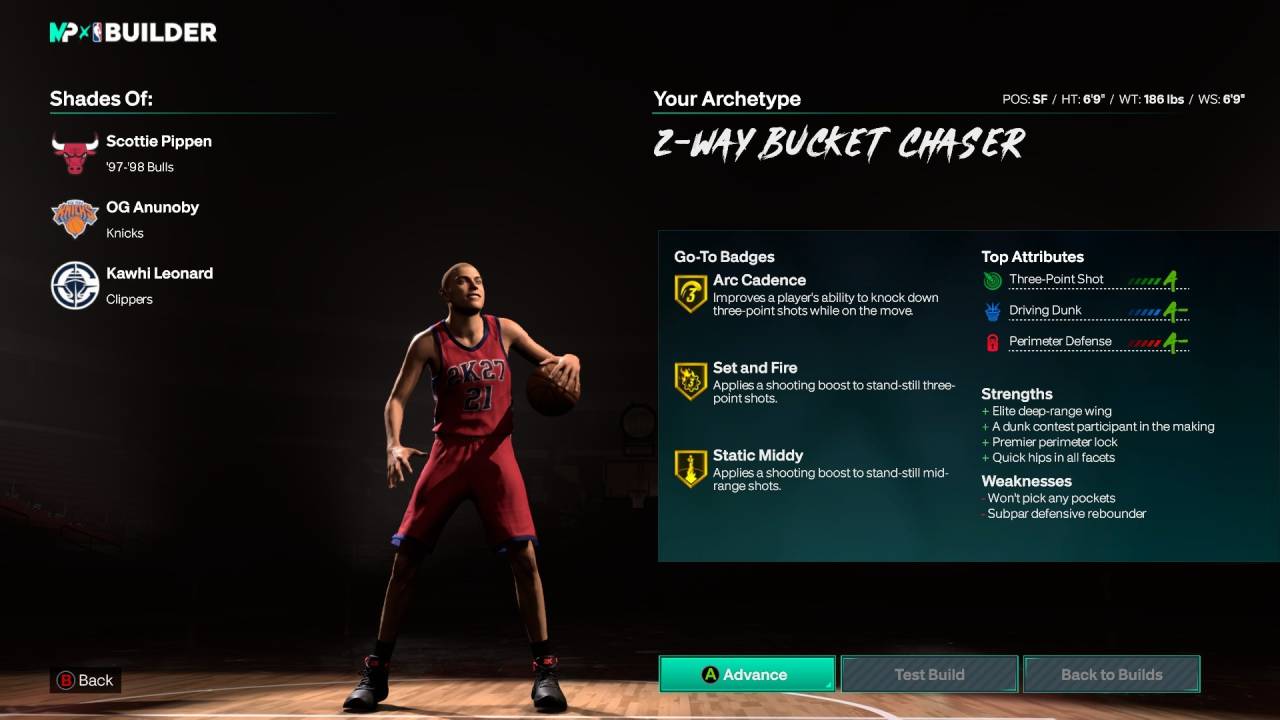
The offensive side has not been ignored either. Visual Concepts has removed or adjusted some of the more problematic animations, including certain Devin Booker breakdowns and Kyrie Irving escape moves that could create frustrating situations.
That doesn't mean NBA 2K27 is completely free from exploitable mechanics. With a community as determined as the NBA 2K community, somebody will eventually discover combinations that weren't intended to be as effective as they are.
At least early on, though, the overall balance is much better.
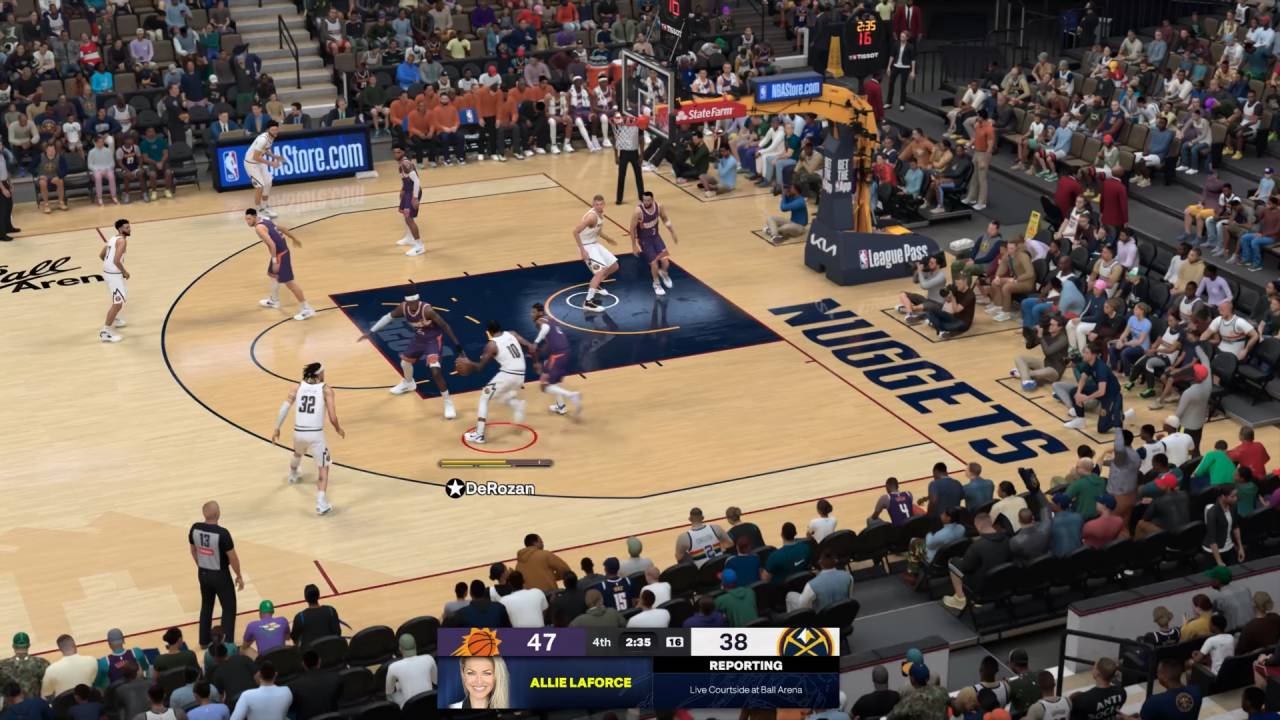
Game speed is another noticeable difference. Play Now feels slower than NBA 2K26 and more like NBA 2K25. It isn't quite as slow as 2K25, though, leaving NBA 2K27 somewhere between the two. That middle ground works well because you still get the responsiveness of a modern NBA 2K game without the feeling that every possession is happening at an exaggerated pace.
Dribbling has also benefited from systemic improvements. The signature size-up system, which was revamped in the previous game, feels more fluid in NBA 2K27. You can connect moves more naturally, chain animations together, and create combinations without the movement feeling quite as disconnected.
This also applies to the new animations introduced in NBA 2K26. In NBA 2K27, they feel as though they are finally being used to their full potential. The combination of improved movement and additional ProPLAY animations gives individual players more personality.
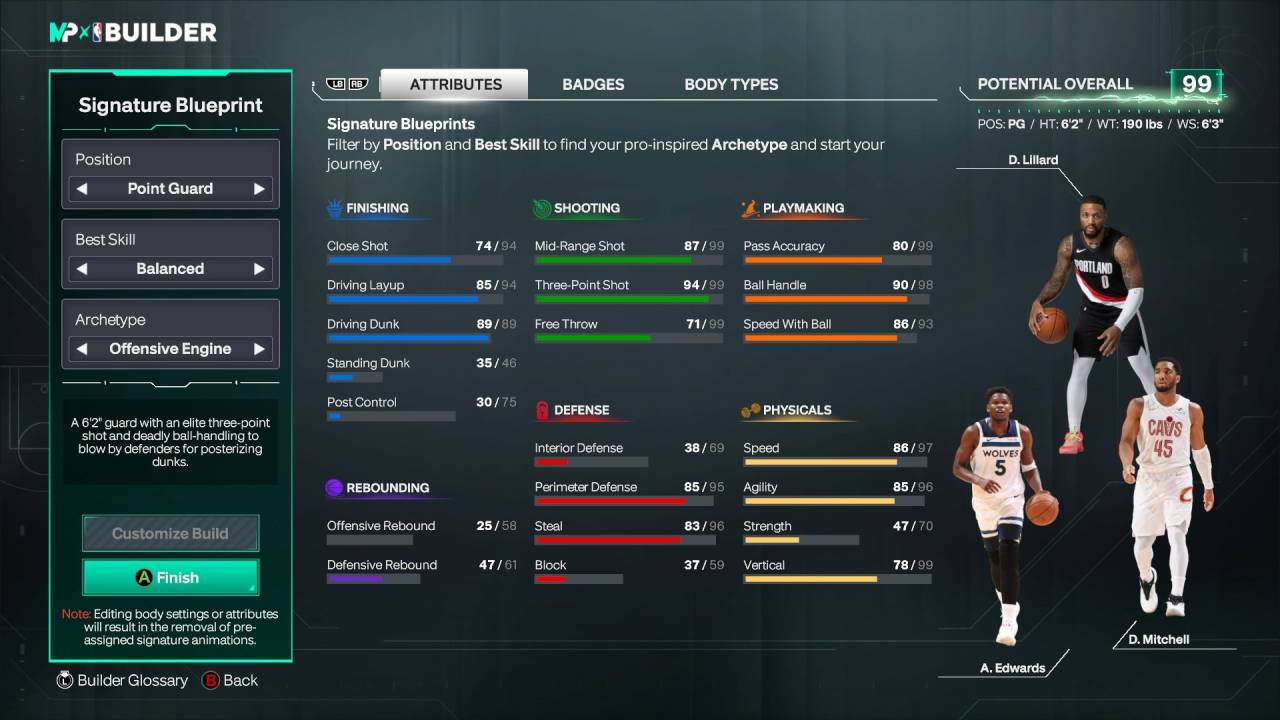
Darius Garland is a good example. LaMelo Ball and Anthony Edwards have also received refreshed ProPLAY animations, and those changes help them feel more like their real-life counterparts. Instead of every guard simply feeling like a variation of the same player, there is more distinction in the way certain stars move and attack.
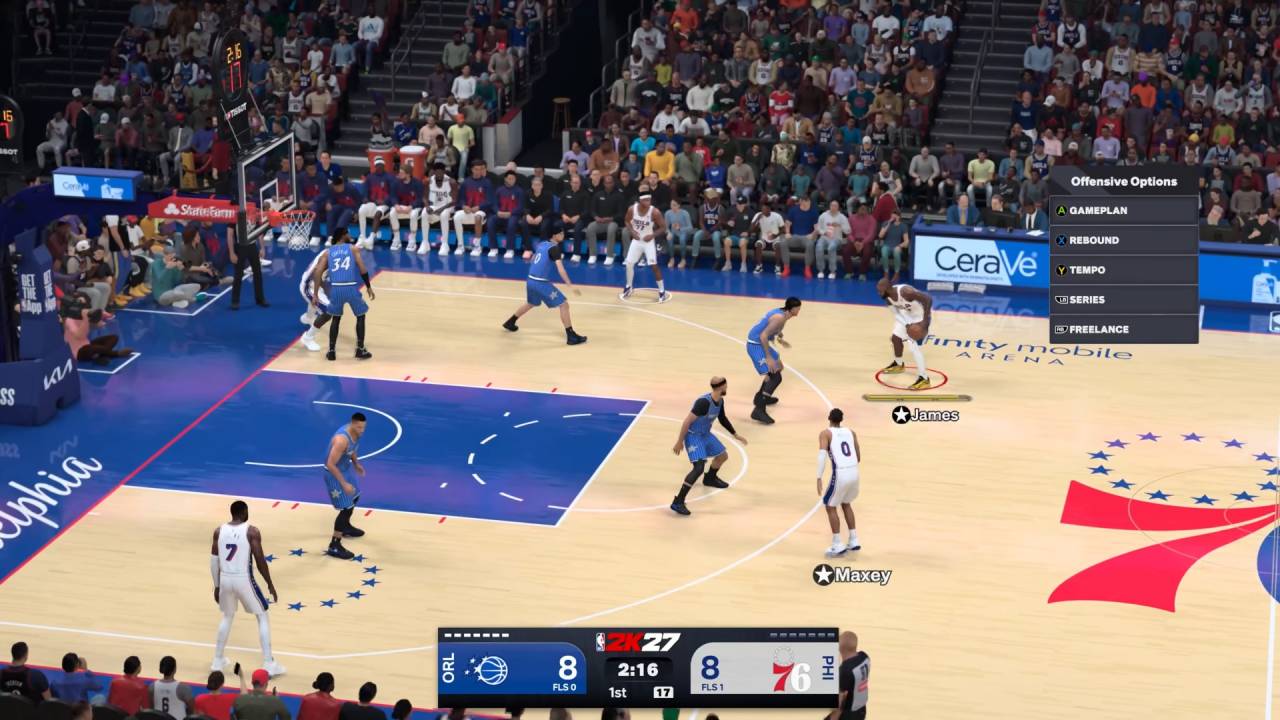
Shooting has perhaps undergone one of the more important changes.
NBA 2K26 could make shooting feel too easy, with extremely high field-goal percentages becoming common, particularly in MyCareer. NBA 2K27 moves things back toward a system where you have to actually learn the mechanics before becoming consistently effective.
That means early sessions can be rough. You'll likely miss shots while you figure out timing and learn how the new balance works. But that is part of what makes the system more satisfying. The expectation is that players will become better as they spend more time practicing rather than immediately shooting at extremely high percentages.
Rhythm shooting also feels more balanced and closer to a skill-based mechanic. Combined with the stronger defense, this creates more competitive possessions. When you play online, there is more of an actual battle between offense and defense rather than both players simply trying to exploit whichever offensive mechanic happens to be strongest.
There are already signs that some players think shooting might be too difficult, and that is something worth watching throughout the game's life cycle.
Sports games tend to change significantly through patches, especially when developers respond to community feedback. The hope is that Visual Concepts gives NBA 2K27's mechanics enough time to settle before making major changes, since players are still adjusting.
Progression is naturally more relevant in modes such as MyCareer, where your player develops over time, and the various systems encourage you to keep playing. That long-term progression can be rewarding, but it also remains connected to the monetization structure that has become a major part of NBA 2K.
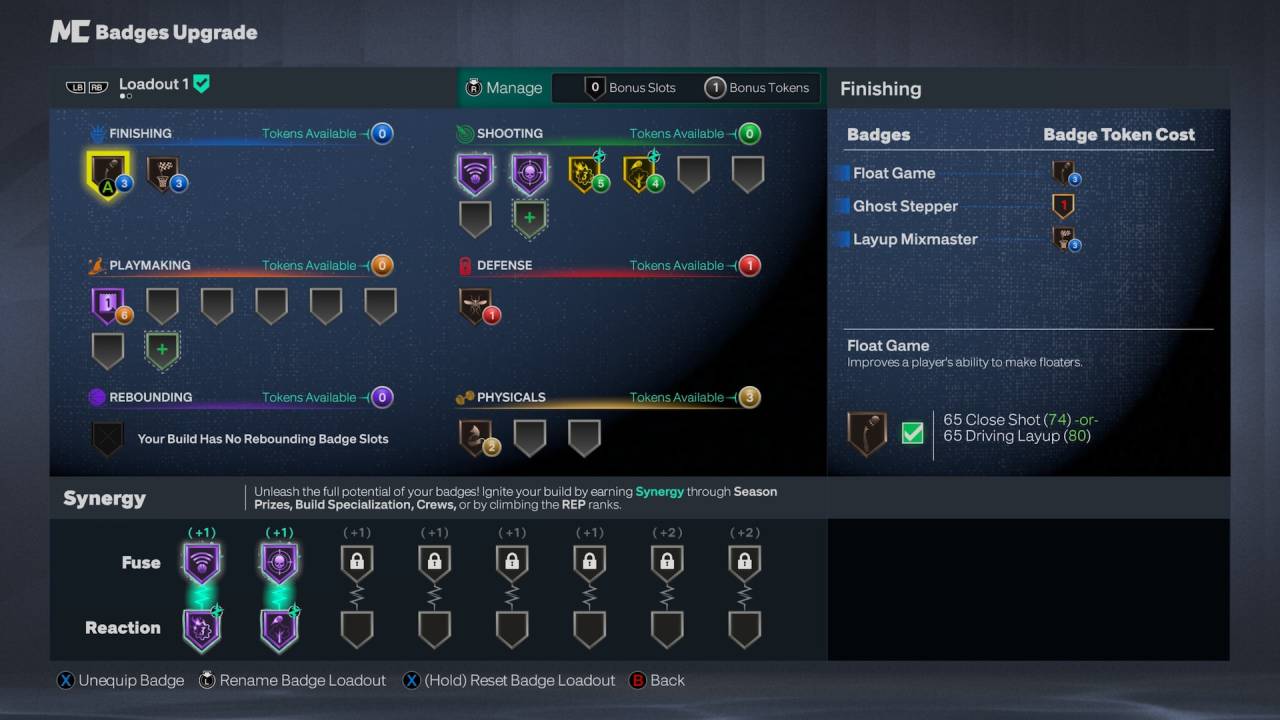
The offline experience is where NBA 2K27 feels most refreshing because you don't have to worry about that grind. You can pick a team, play basketball, try different players, and learn the mechanics. That's a big deal if you're going into NBA 2K primarily for the basketball simulation and not so much for the progression-driven online game.
There have also been some smaller but worthwhile presentation improvements. The court looks way more detailed on PS5 Pro. The floor looks more realistic with scuff marks, smudges, and changes in stadium lighting, particularly in close-ups.
There's also more nuance to player body types. James Harden, for example, has more of his recognizable hunched posture, while Brandon Ingram's body shape feels closer to his real-life appearance. These are not changes that completely transform the visuals, but they are the sort of details that become noticeable when you spend a lot of time with the game.
Lighting also helps the presentation.
Depending on where the light hits the court, you can see more of the surface detail, while stadium lighting gives arenas a slightly more natural appearance. The game still won't compete directly with heavily modified PC versions of NBA 2K, but that isn't necessarily a realistic comparison. Visual Concepts has to build the game around multiple platforms, including consoles and Nintendo Switch hardware, which naturally limits how far the visuals can be pushed.
There is still room for improvement, particularly on PS5 Pro. A more substantial graphical upgrade or a higher frame-rate option, such as 120 FPS, would make better use of the hardware. The biggest graphical leaps in NBA 2K have often come at the beginning of console generations, so a more dramatic visual jump may ultimately have to wait for the next generation.
Still, NBA 2K27 looks good where it matters. The improved player animations and subtle presentation details make the overall package feel more polished, even if it isn't a dramatic graphical revolution.

The sound and presentation work together in much the same way. Commentary, crowd noise, arena presentation, and the general atmosphere help maintain the feeling that you're watching and controlling an NBA game rather than playing a purely mechanical basketball title. The presentation isn't the reason NBA 2K27 feels different, but it supports the simulation focus well.
The biggest strength of NBA 2K27 is ultimately how all of these changes come together.
You can look at the scoreboard and assume you're playing another familiar version of NBA 2K because, visually, basketball doesn't change dramatically from one year to another. But once you actually control a possession, the differences become easier to recognize.
The defensive contact feels different. Players don't simply slide through each other as often. The AI provides better help. Interior defense carries more weight. Shooting takes more effort. Dribbling feels smoother, and individual players benefit from more distinct ProPLAY animations.
That combination makes NBA 2K27 feel considerably more balanced than NBA 2K26.
There is also something refreshing about the game being enjoyable without requiring you to chase an online meta immediately. After roughly 50 hours, the offline experience can easily become something you return to simply because the basketball itself is fun. You can spend an entire session playing against the computer without feeling like you're missing the real game by staying away from MyCareer online.
That doesn't mean NBA 2K27 is perfect. Bugs remain, and the online community will inevitably find mechanics to exploit. Shooting balance could change, and the game may look very different several months into its life cycle depending on how Visual Concepts handles patches. The real test will be whether the developers preserve the balance at launch instead of letting the game drift back toward an offense-heavy experience.
That is especially important because NBA 2K27 currently feels like a deliberate course correction. NBA 2K26 was fun, but its offensive balance made it less convincing as a simulation. NBA 2K27 seems to understand that both sides of the ball need to matter.
You need to defend properly. You need to earn open shots. Please make sure you understand spacing and contact. Please learn how individual players move. You can still create offense, but you don't feel as though the game is constantly handing the advantage to whoever has the strongest animations.
For an annual sports game, that is a meaningful improvement.
NBA 2K21 remains a favorite among many longtime players, while NBA 2K16 games are still fondly remembered. Recent entries like NBA 2K24 and NBA 2K26 have their merits. NBA 2K27, however, feels much closer to that upper tier than the middle of the pack.
The most encouraging part is that this impression comes very early in the game's cycle. The game still has an entire life cycle ahead of it, and that means there is plenty of time for the community to discover exploits, for patches to alter mechanics, and for the balance to shift.
But if the developers maintain the current direction and use updates mainly to fix genuine problems rather than constantly changing the core experience, NBA 2K27 could remain one of the strongest simulation-focused entries the series has produced.
After spending so much time with the offline game, it becomes surprisingly easy to imagine playing it throughout its entire life cycle. Eventually, you may learn the AI's defensive patterns and start looking for something different online. Still, the fact that the offline experience can hold your attention for that long is a strong sign of how well the core basketball systems are working.
NBA 2K27 doesn't need to reinvent the series to stand out completely.
Instead, it takes the systems that have been developing over several years and makes them work together more effectively. Defense finally feels like it can shape a game, offense feels smoother without becoming completely dominant, shooting demands more skill, and the physics and AI create a more believable battle on the court.
That makes NBA 2K27 feel like the kind of NBA 2K game that prioritizes basketball again. It still has the familiar modes, progression systems, presentation, and yearly structure, but underneath it all is a much more convincing simulation.
If the current balance survives the inevitable patches and community discoveries, NBA 2K27 has a legitimate chance to be remembered as one of the best NBA 2K games in years. At the very least, it is an encouraging step toward the kind of realistic basketball experience the series has occasionally moved away from.
Senior Editor, NoobFeed
Verdict
NBA 2K27 is a strong return to simulation-focused basketball, with better defense, smarter AI, smoother movement, and more balanced shooting. If Visual Concepts protects that balance, this could be one of the series' best.
80
Related News
No Data.