
Pioneers of Pagonia Review
PC
A Hard, Detailed City Builder That Brings Back Classic Settlers Design—Both Good and Bad.
Reviewed by Nusrat Choity on Jan 05, 2026
Pioneers of Pagonia is not an unexpected game, and it isn’t trying to keep up with the latest trends in city-building games. This game has a very special history because it was made by Envision Entertainment, a company run by the person who made The Settlers. It is clear that the design philosophy behind it wants to bring back the complex gameplay that was based on supply chains and was common in classic settlement builders.
The game has finally reached its 1.0 release after almost two years in early access. This release includes big changes to the game's structure, balance, and presentation. Pioneers of Pagonia uses more interconnected mechanics instead of making systems easier or relying on automation for gaming.
The game expects you to know how all of the resources, buildings, and units in the game fit together and are used for what they are used for. This process is not quick or fun right away. Rather, it is designed for people who like to see systems gradually take shape, with the possibility of collapse before they finally stabilize.
Early access copies of Pioneers of Patagonia had some good ideas but were hard to understand. One of its biggest problems was that it didn’t teach new people how to play. With the full version, the developers fixed this problem by creating a much more structured campaign mode that now serves as both the story’s main support and a longer tutorial.
Version 1.0 doesn’t change the game in any big ways, but it does make a lot of improvements.
The user interface is easier to understand, it’s easier to read the visuals, there are more military choices, and the flow is better than before. Still, the game has some design choices that feel old-fashioned, for better or for worse.
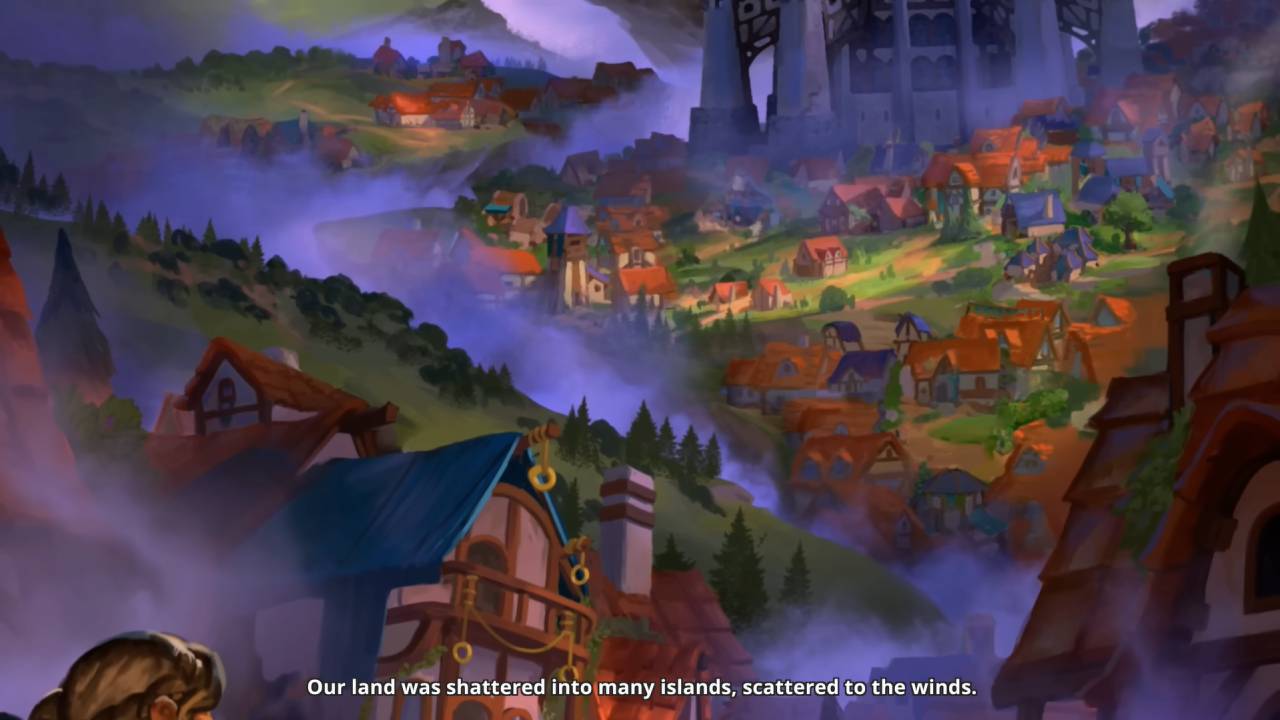
In Pioneers of Patagonia, a magical disaster that is not explained in the story breaks the continent into islands. A thick fog covers most of the land, hiding ancient structures, unfriendly people, and groups that are spread out across the land. You are supposed to guide pioneers across these islands, rebuild towns, reconnect groups that have lost contact, and find pieces of history that have been forgotten all over the world.
The game unfolds slowly, with new mechanics and story information being introduced at the same time. Instead of character-driven drama or long cutscenes, the story is there to make exploration, growth, and conflict make sense. As you sail between islands, you are making political ties, setting up trade routes, and protecting towns from criminals, raiders, and other supernatural threats.
The story gets its point across and doesn’t drag on too long. It sets the mood and gives direction while keeping the focus on gaming. If you like learning lore through goals and world-building instead of dialogue, the campaign is a good fit for you.
At its heart, planning is what Pioneers of Patagonia is really about. You are always making changes to and improving supply lines. No building stands on its own; each one relies on several others to work. Roads affect how quickly and easily things can get to where they need to go. Borders tell you where you can build. To gain more territory, one needs to spend on the military instead of just using progression triggers.
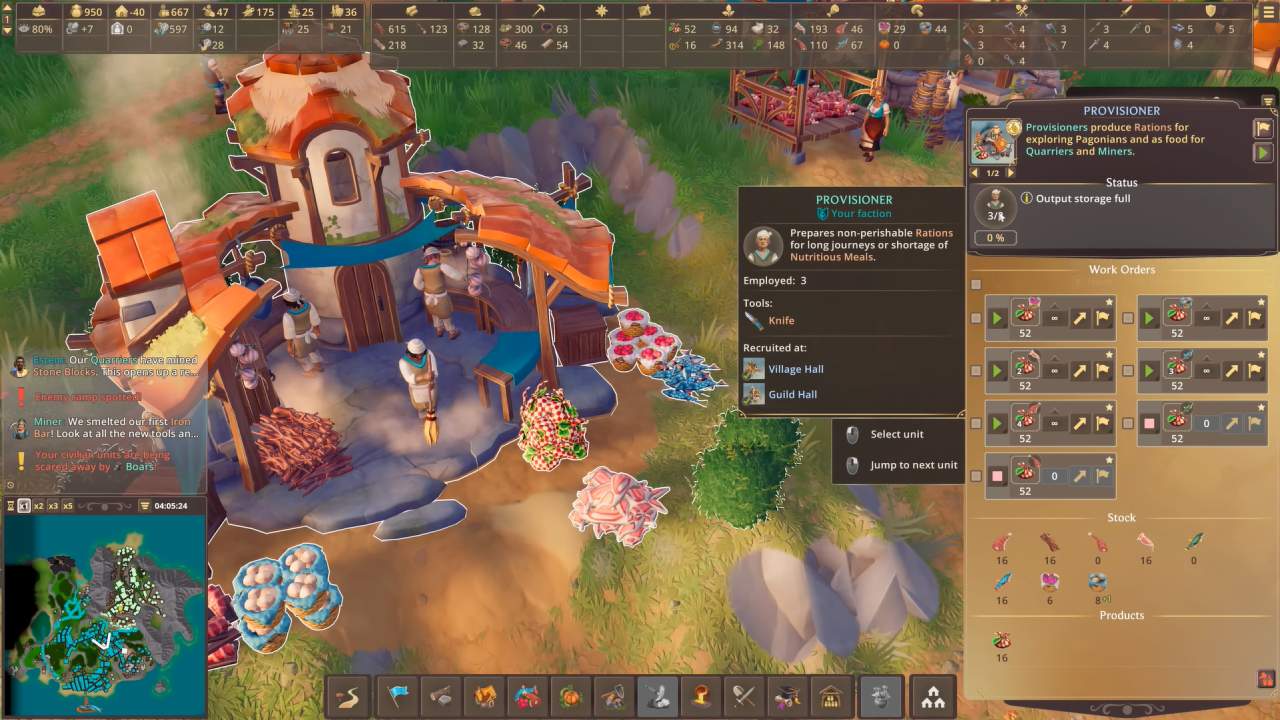
You start with simple needs, like making sure you can house pioneers, gather wood and stone, and make sure you have food. It gets more and more difficult to understand as communities grow. You begin to mine bronze, iron, silver, and coal, and then make the raw materials into guns, tools, cloth, and parts for buildings.
Farming systems add another level that needs to be planned out carefully, including where things are placed and how resources are used.
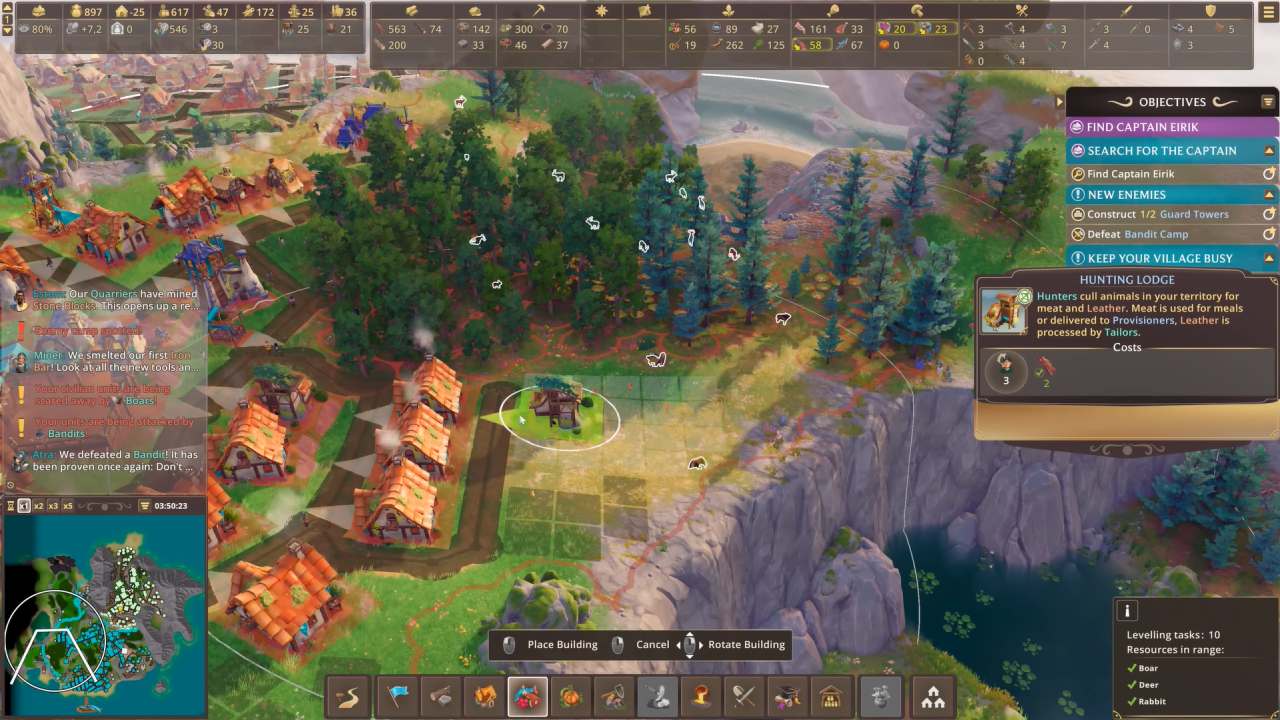
The border system is one of the most important things that make the game what it is. Rather than free growth, your settlement grows outward with the help of guard towers and a military presence. This gives the impression that growth is planned and deserved, rather than just happening by itself. Poor planning can easily slow down growth, which means you have to change your plans for production or how to arrange things.
If your economy crashes, the game makes it clear that the problem is not bugs or chance failure but bad management. This builds a strong sense of responsibility, but it also means that mistakes can be expensive and take a long time to fix.
In Pioneers of Patagonia, combat is indirect on purpose. You don’t handle small parts of your units in real time as you do in a traditional RTS. Success, on the other hand, rests on how well you prepare, compose yourself, and plan your logistics. Instead of destroying whole towns, enemies attack your settlements, steal resources, and interrupt production.
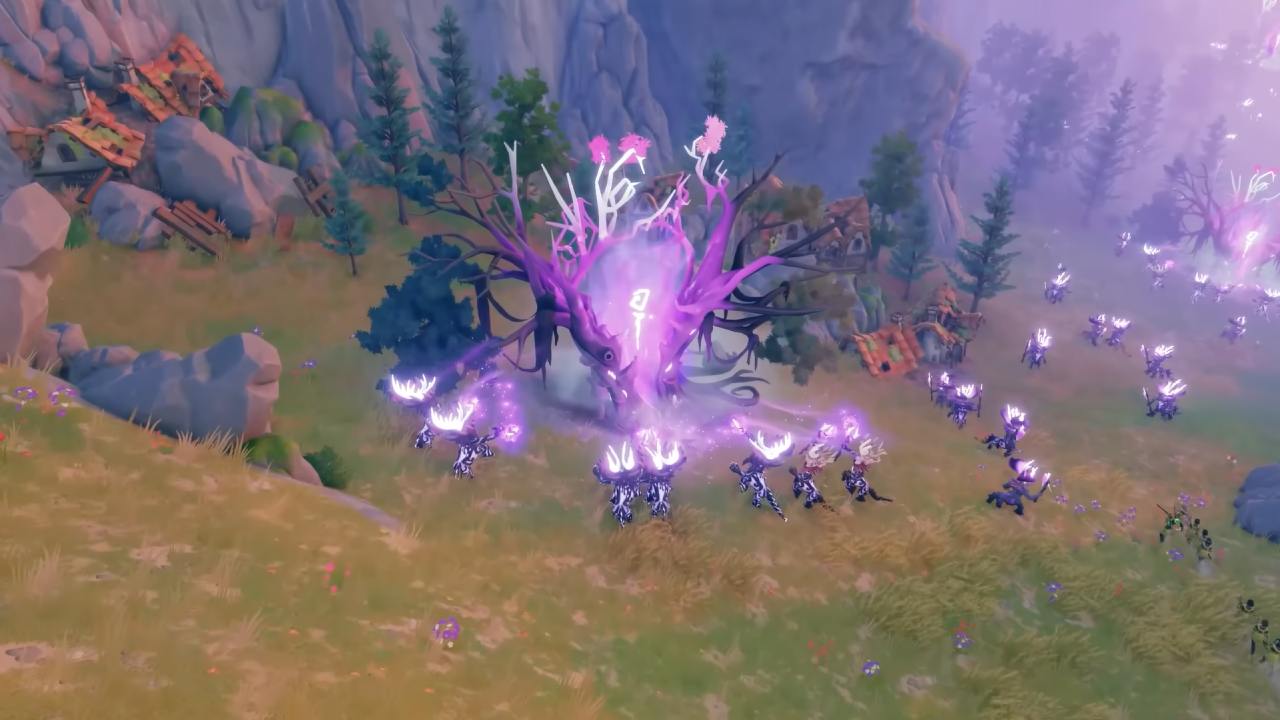
The most common type of enemy is the bandit or robber. They can be handled at first, but become more and more unsafe if not dealt with. The game also has fantasy aspects like ghosts and werewolves. Basic guards can’t handle these threats on their own; they need expert units.
At this point, the fight begins to look more like a game. Warlocks work well against specters, but other specialty units are needed to fight enemies with armor or supernatural beings. No matter how well you run your settlement, you might not be able to act well if you don’t have the right materials, like silver for anti-werewolf units.
These methods can feel limiting, even though they add depth. Resource availability is partly based on how maps are made, which can lead to stressful situations where the right counter just isn’t available in time. When systems line up, combat is fun, but it can feel like a punishment when they don’t.
In Pioneers of Patagonia, you don’t level up or get stronger by earning experience points as you do in most games. Instead, growth is all over the place. As infrastructure gets better, new materials are found, and production chains grow, your town gets stronger.
The tech tree is built on discoveries instead of being linear. When iron is unlocked, it is possible to make better tools and weapons. Getting stone from a quarry makes it possible to build more complex homes. Making coins more useful in the military. Everything goes back to the business, which supports the idea that power comes from planning ahead instead of working hard.
Adventure guilds add extra ways to level up. Adventurers can make money or get bonuses by exploring ruins and finding items. These methods add new things to the game without making the core gameplay loop too complicated. Things move slowly, mainly at the start of the game. It can take several minutes in real time to build something, and important tactical progress can take thirty minutes or more.
There are speed controls, but they feel more like a way to get around the game’s naturally slow pacing than a real answer.
In terms of art style, Pioneers of Patagonia uses a bright and stylized look that makes it easy to read. The buildings are shown in great detail without looking like too much is going on, and movements make the towns lively. You always get feedback when you watch pioneers move things on roads, build structures, and deal with threats.
The 1.0 release makes the surroundings look a lot better. At a glance, it is easy to tell different types of trees, ore veins, and terrain features apart. The foggy world creates a mood without hiding important details.
On modern hardware, performance is usually steady, but very big settlements can cause small frame drops. The game isn’t very hard, but some built-in graphics options have had compatibility problems with the game. In general, images should help the game and not worry about how real they look.
The sound concept is simple but works well. The soundtrack is mostly made up of calm, quiet tracks that won’t draw your attention during long play sessions. It is normal for environmental sounds like building, movement, and battle cues to fade into the background.
The audio design here isn’t over-the-top, and it feels like that’s on purpose. The music makes the game’s slow, planned pace even clearer. It makes a mood that promotes patience and planning instead of haste. Pioneers of Pagonia is a game that was made for a very special group of people. It values complexity over ease and patience over immediate benefits. Its best moments come from seeing systems that were carefully planned work together at last.
It is at its weakest when the slow pace and lack of quality-of-life elements make reorganization frustrating.
The story is a great way to learn mechanics and get a feel for the game, and sandbox mode offers almost endless replayability for players who like to customize. Combat systems make the game more tense and varied, but they can feel like they depend too much on certain counters and the resources that are available.
This city builder isn’t flashy or always trying to keep up with the latest trends. It doesn’t depend on live-service hooks or big events. Rather, it offers a challenging and thoughtful experience that is more like the classic city-building style than almost anything else that has come out in the last few years.
Contributor, NoobFeed
Verdict
Pioneers of Pagonia is a deep and intentional city builder that rewards care and planning. Its rough edges and slow pace make it less appealing, but its classic design and linked systems make it a great choice for serious strategy fans.
70
Related News
No Data.