
Tiny Garden Review
Nintendo Switch
A pocket-sized sanctuary that turns quiet moments into meaningful rituals.
Reviewed by Asura Kagawa on Feb 25, 2026
Tiny Garden comes out at a time when over-the-top design is popular, but it picks understatement over spectacle. It was made to be a homely life-sim experience, and it fits in with the larger indie trend that favors smallness over bigness. Instead of trying to be a big hit, it carefully and patiently improves a single idea. Tiny Garden is a good indication that meticulous work can feel more radical than too much of it.
The company that made Tiny Garden based its brand on comfort-driven design and slow-burn engagement loops. This isn't really a sequel, but it builds on ideas from earlier minimalist strategy games. Its roots are spiritually linked to the quiet farming renaissance that has been started by genre mainstays over the past ten years. Tiny Garden doesn't try to copy that history; rather, it proudly grows its own soil.
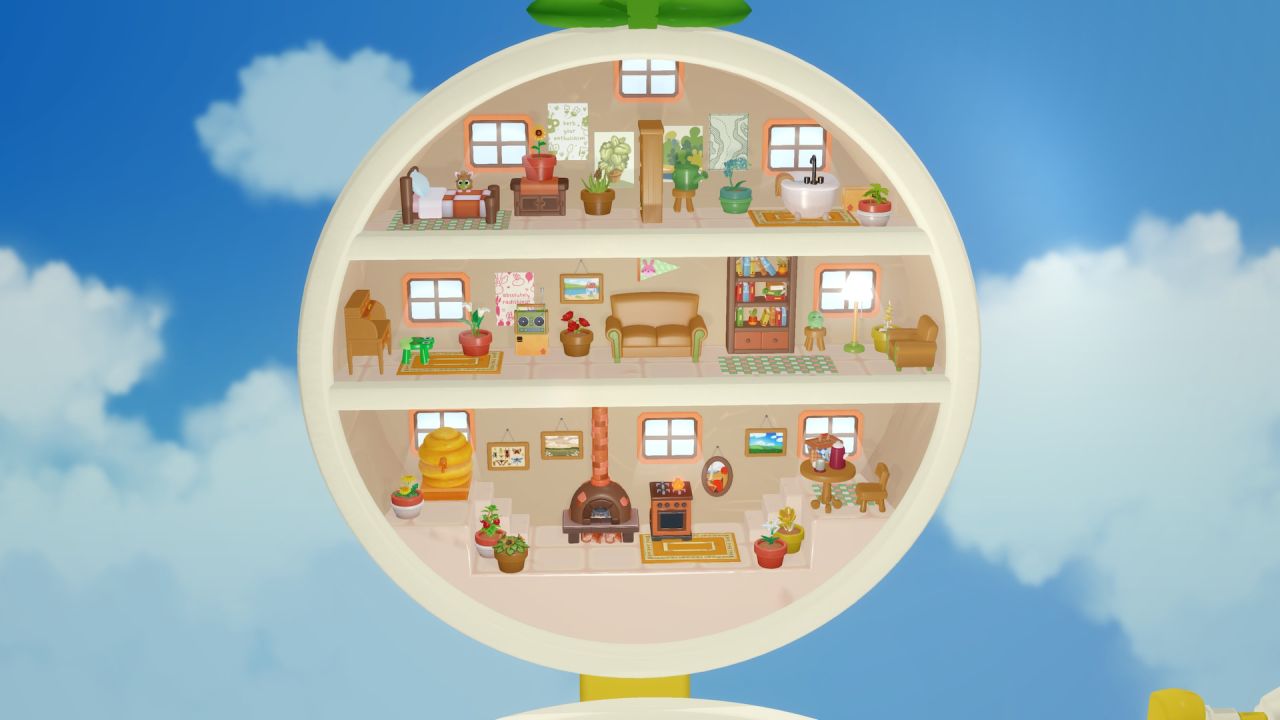
Initially, it appears that the concept of digital mindfulness was the driving force behind the development of Tiny Garden.
Through the use of haptic contact, micro-progression, and ambient storytelling, it places importance on the achievement of certain goals. This creates an environment in which the goal of physics is to serve feeling rather than competitiveness. Tiny Garden demonstrates that interactive design does not have to be an unending cycle of repetition. On the other hand, it might be a relaxed routine.
The narrative in Tiny Garden progresses gradually, and unlike in movies, there are no major revelations or dramatic twists in the process. Notes written by hand, hints found in the surrounding environment, and shifting connections with the land itself all contribute to the story's vivid appearance. There is a tale to be told by each and every plant, and the seasons bring about changes. In Tiny Garden, progress is interpreted in a way that is both figurative and literal.
Characters who play supporting roles in Tiny Garden are portrayed in a friendly manner, but not in an excessive manner. Not only is their talk brief, but it is also frequently reflective and never excessive. They do not seize control of the narrative; rather, they maneuver themselves around the journey of the player like gentle stars. In place of providing explanations, Tiny Garden uses hints to establish links between various concepts.
The majority of the content in Tiny Garden is focused on planting, watering, harvesting, and managing a small garden with extreme caution. Initially, the loop appears to be forthright; nevertheless, as time passes, it becomes increasingly complicated. It is up to the players to establish plots of land, experiment with various combinations of crops, and determine the optimal growth cycles.
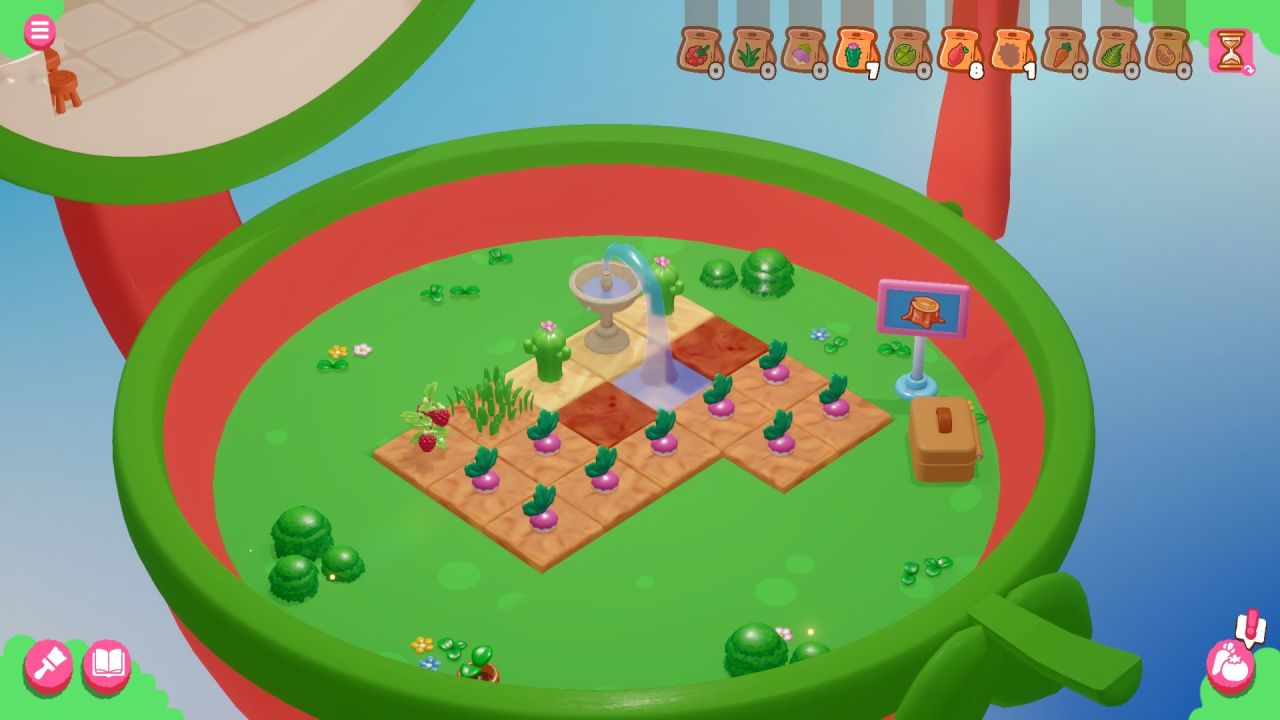
In The Tiny Garden, mundane activities are transformed into patterns that are soothing.
Tiny Garden is characterized by a slow and steady passage of time, which makes it simpler to deliberate over several options before settling on one. When it comes to the game, each day is a fresh start that may be used for planning and thinking. The approach does not punish you for not being efficient; rather, it uses a gentle push to encourage you to improve your performance. There is no squandering of time in Tiny Garden; rather, it expresses respect for it.
Throughout the course of Tiny Garden, you will be able to make incremental improvements to the game by gaining access to new seeds, decorations, and planning tools. This strategy of development prevents the player from being unduly challenged at the beginning of the game. As an alternative, it recognizes and rewards individuals who are consistent and curious about real changes. Tiny Garden is aware that there are times when waiting for something might be more enjoyable than receiving it immediately.
There is no standard combat in Tiny Garden, which makes it more unique. There are challenges in the form of spatial puzzles and crop synergy features. Some plants do best when they are placed next to species that are similar to them. Strategy is reframed as environmental equilibrium in Tiny Garden.
A lot of the puzzles in Tiny Garden are about getting the most crops into squares that are limited in space. Things like weather trends, the quality of the soil, and seasonal changes make tactical decisions necessary. Observation, not reaction, is what makes the difference in success. Tiny Garden turns making plans into a quiet way to think.
The feedback loop in Tiny Garden is very clear, which makes it work really well. Visual cues let you know how healthy a plant is without making the interface too crowded. But repetition may show up for people who want things to get more difficult. Tiny Garden relies on small improvements rather than big changes to the way things work.
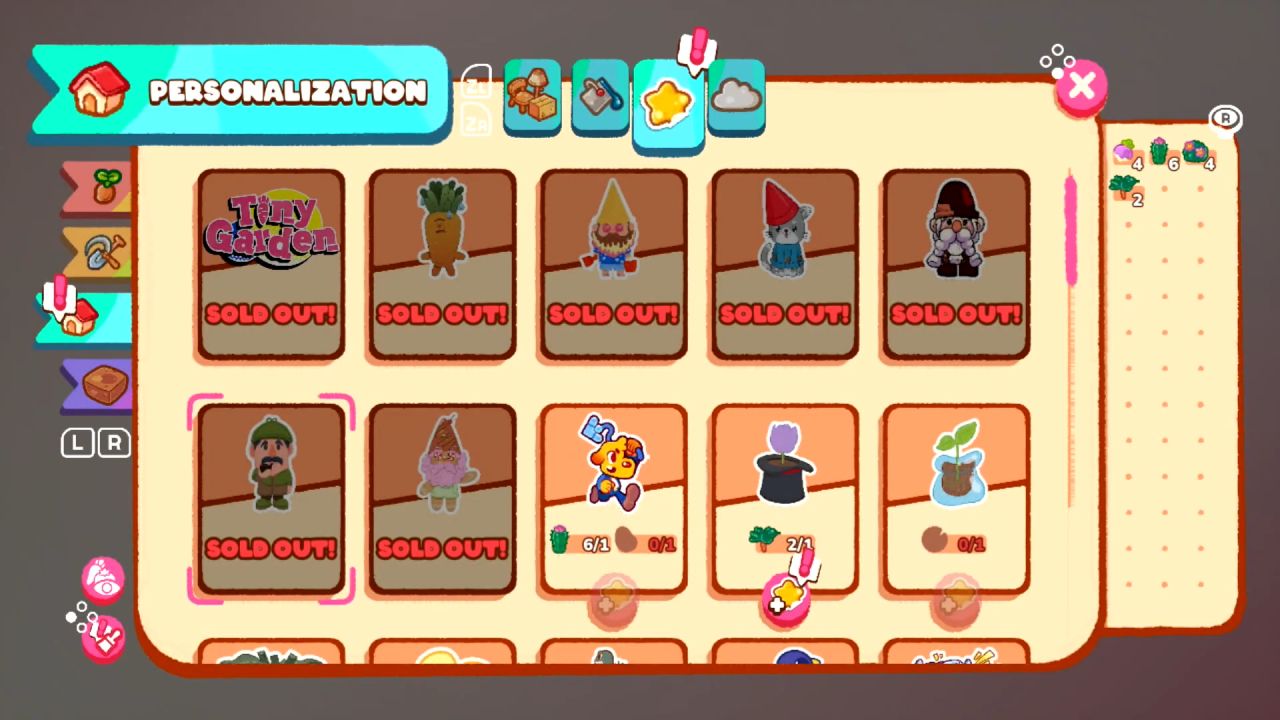
There isn't any high-stakes failure in Tiny Garden, which makes it less stressful but also less important. For some, the gentleness turns into a power that keeps them immersed. For some, it may make the long-term severity less intense.
Tiny Garden chooses peace over excitement on purpose.
In Tiny Garden, you can move forward by gaining experience, which is linked to how well you gather and how much you try new things. When you grow rare combinations, you get bigger prizes and can use more advanced tools. With this style, being creative is rewarded over being boring. Playing Tiny Garden makes sure that growth feels like it was won, not given.
Because the XP curve is so well-tuned, grinding rarely feels like it's necessary in Tiny Garden. Progress easily fits with play that is sparked via curiosity. It doesn't force repeat; instead, it encourages improvement. Tiny Garden changes boring maintenance into meaningful growth in a subtle way.
The soft colors used in Tiny Garden make it look like a drawn children's book. Textures are more artistic and simpler than photorealistic. This pick adds to the theme of fervor and friendliness. Tiny Garden looks like a sketchbook that has come to life slowly.
In particular, the lighting design that is featured in Tiny Garden is outstanding. When the colors are bright in the morning, it is an optimistic experience, and when they are dark, it is a calm experience. The atmosphere shifts with the changing of the seasons without substantially altering the primary design. Tiny Garden demonstrates that the use of visual modesty can elicit a greater range of feelings.
Smoothness remains preferred over luxury in the animation that is featured in Tiny Garden. A mellow rhythm is created by the movement of the leaves, and the experience of watering may be felt. Things of this nature contribute to the atmosphere without bringing attention to itself, which is a significant benefit. Tiny Garden is aware that sincerity is frequently found in the implementation of little measures.
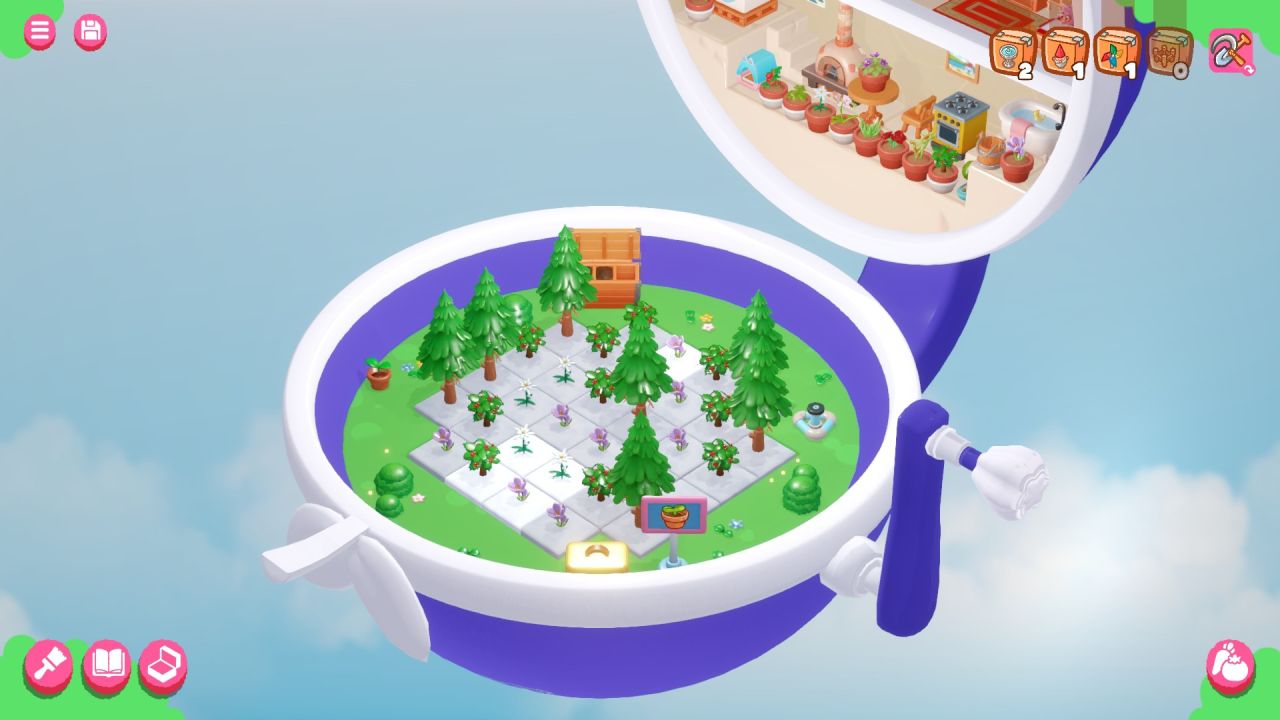
Tiny Garden has a sound design that is purposefully straightforward, yet it is nonetheless incredibly effective. The noise of birds singing in the distance, the stirring of the wind in the trees, and the tender looping of instruments all contribute to the calm environment. It is not possible to hear any irritating crescendos in the music.
The ambient that Tiny Garden generates is designed to assist you in concentrating.
The sound effects in Tiny Garden contribute to the whole experience without being excessively loud. It is a pleasant experience to hear the subtle splash of watering and the crisp pluck of harvesting as they signal the conclusion of each operation. Silence serves the purpose of establishing the context for these occasions. In order to evoke a range of emotions, Tiny Garden makes use of sound.
Tiny Garden works not because of its flashy effects but because it makes sense. Every system works together to support a single goal of calm growth and healing participation. It looks like a simple mechanical device, but it has been carefully balanced and paced. Tiny Garden seems hand-picked instead of made.
Tiny Garden has something that not many games do, but players who want high risks might not be happy with it. In a field that is addicted to speed, it offers structured stillness. Its steady assurance is what makes it unique. Tiny Garden is more interested in long-term attention than short-lived thrill.
As an entire experience, Tiny Garden shows how absorbing design can heal instead of wear you out. It doesn't try to get your attention by being loud. Other than that, it cultivates trust by being consistent and honest about how it feels. Tiny Garden turns farming into a way of thinking about play.
Staff Writer, NoobFeed
Verdict
Tiny Garden is a serene, intelligently designed life sim that trades spectacle for sincerity. Its thoughtful mechanics and calming atmosphere cultivate lasting appeal for players seeking meaningful, restorative gameplay.
76
Related News
No Data.