
Varlet Review
PC
Fusing haunting roguelike mechanics with psychological storytelling, where narrative and consequence walk hand in hand.
Reviewed by Asura Kagawa on Aug 30, 2025
In the evolving landscape of indie game design, originality often stems from risk-taking. Varlet arrives as one of those rare titles unafraid to gamble with convention. The game, developed by a small, devoted team, is based on the roguelike genre but turns it into something extremely story-driven and psychologically disturbing.
The design of the game is inspired by timeless titles like Hades and Dead Cells, but Varlet doesn't prioritize speed or showiness. Instead, he slows things down and makes things more dramatic by using the setting and the effects of actions. The main idea of the game is to push the limits of what is possible between storyline and gameplay.
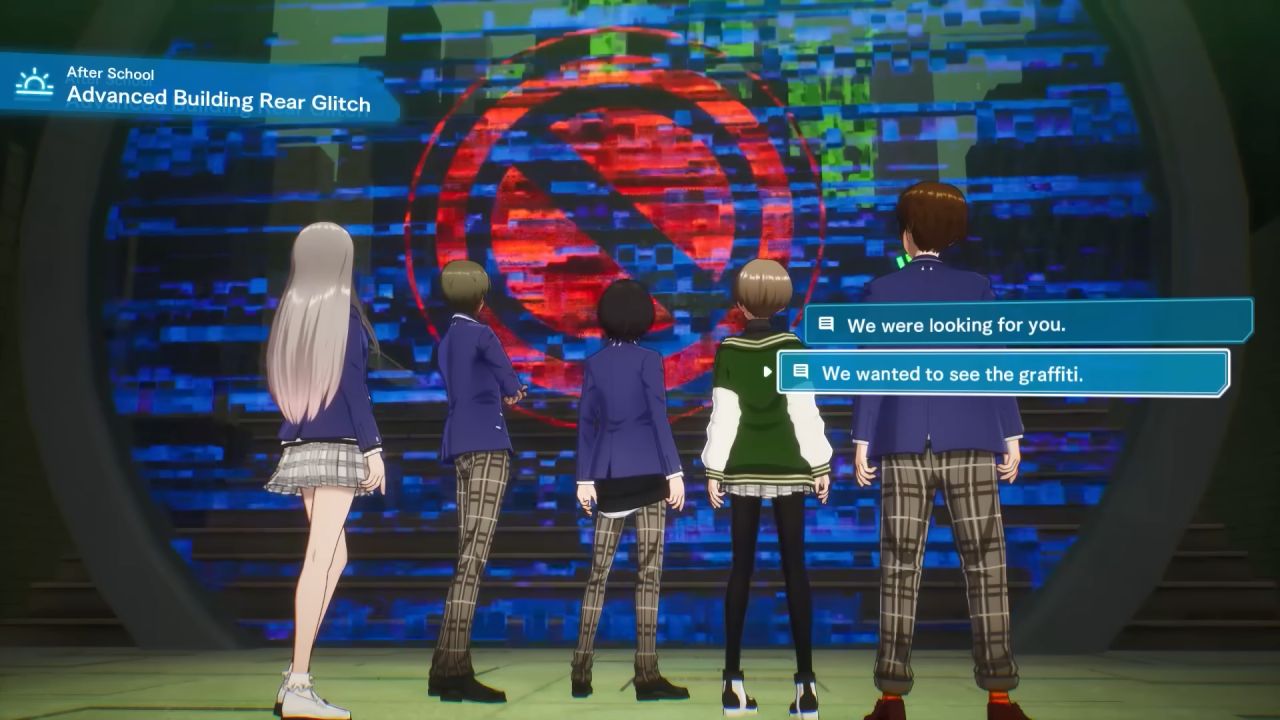
It asks what happens when every loss is part of the story, rather than a problem that gets in the way of progress? Varlet is more than just another roguelike because of this method. It's a thought experiment about who we are, what we remember, and how fragile life is in a world made to test our morals.
The developers have made a unique concept that stands out from other independent games by relying on ambiguity and consequence. Varlet is based on the ideas of freedom, consequence, and identity that are broken. The player takes on the role of a changing main character who is less of a single hero and more of a vessel for the weight of making choices.
The story of the game doesn't unfold in a straight line; instead, it's composed of a series of memories that are pieced together over the course of many runs and meetings. Each cycle provides players with pieces of truth that are scattered like puzzle pieces, encouraging them to form connections and discover meaning.
Varlet's world is depicted as a dark, skewed version of reality, where morals are a luxury that few can afford. The characters you meet are all broken, making it hard to tell who is a friend and who is an enemy. In a different game, a friend may betray you, and an enemy may show you greater levels of loyalty or tragedy than you thought.
This lack of certainty adds a creepy quality to the story and keeps players aware that every choice, no matter how small, could have big effects on other parts of the story. The story in Varlet doesn't have a single climactic reveal. Instead, it develops as a mosaic of points of view.
The interactions are based on themes of betrayal, obsession, and sacrifice, which makes the story feel less like it's about uncovering the ultimate truth and more like it's about dealing with different ways of seeing it. This flexible storyline is much like the roguelike genre itself; it makes the story feel alive by changing with each failure, death, and subsequent return.
Mechanically, Varlet strikes a fine balance between slow, deliberate pacing and random steps in the process. Each run takes place in procedurally generated settings, but these environments are broken up by handcrafted sections that lend the story structure and weight. Players have to find their way through dangerous and secret passages, crumbling wrecks, and harsh environments.
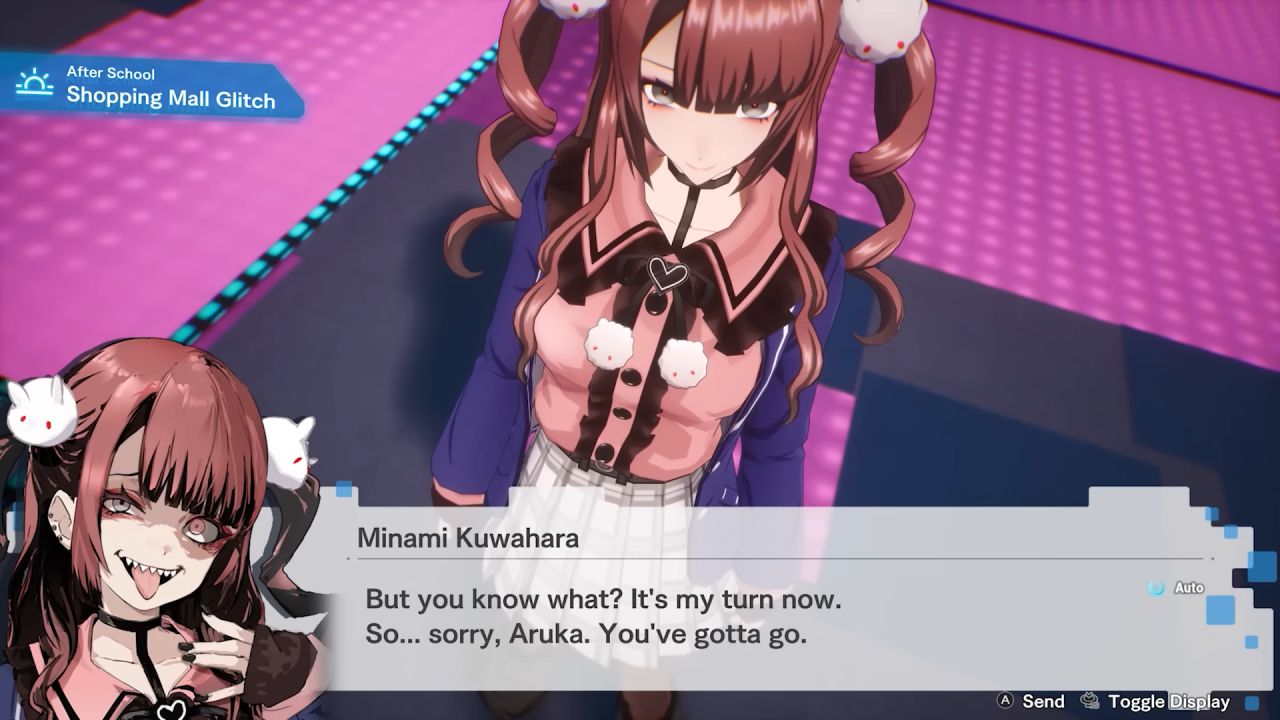
The movement method places a strong emphasis on weight and purpose. Every move, hit, or dodge has to be calculated, and energy is the resource that controls everything. Instead of relying on a button-mashing reflex, the battle loop is based on accuracy and adaptability. As managing resources becomes a steady pressure, choices go beyond battle.
Things to eat and drink are hard to come by, health is weak, and skills must be carefully managed. This system of shortage adds to the theme of struggling to stay alive in the face of overwhelming odds. Varlet changes how you think about death, which is what makes a roguelike unique. Not only does each mistake reset your progress, but it also changes the world of the game.
There may be new storylines that start, characters that act or react in unexpected ways, and the main character showing signs of mental stress or a big realization. This cyclical structure changes death from a punishment into a step forward, making sure that players who keep at it are rewarded with both mechanical skill and narrative depth.
Varlet combat isn't just about reflexes; it's also about trying to figure out what's wrong. Every interaction is meant to test both your body and your mind. Patterns of enemies often change, so players have to look at the situation and make changes in the middle of a fight. Environmental factors often make fights more difficult by adding traps, collapsing ground, or interactive features that must be used to win.
Boss fights take this design concept even further. They're like big puzzles whose answers lie in figuring out not only attack patterns but also hidden messages. Bosses represent the psychological themes of the game, with some embodying betrayal, others fear, and still others desire. It doesn't feel like an easy victory when you beat them; it's more like getting rid of an idea that has been weighing on the main character's broken mind.
The best aspect of this game is how effectively the story and combat work together. Fights have value because they connect to the main themes of uncertainty and consequences. But the high stakes of each fight can feel unfair to players who aren't used to how roguelikes work. Peaks in difficulty, especially early in the morning, can lead to frustrating times where repetition takes over narrative discovery.
Varlet's battle is best when it is designed with multiple levels. Combat isn't just for show; it's also a way to tell a story, with each enemy fight reflecting the psychological undertones of the game. The weight of every battle makes immersion stronger, making sure that wins are won and losses are felt.
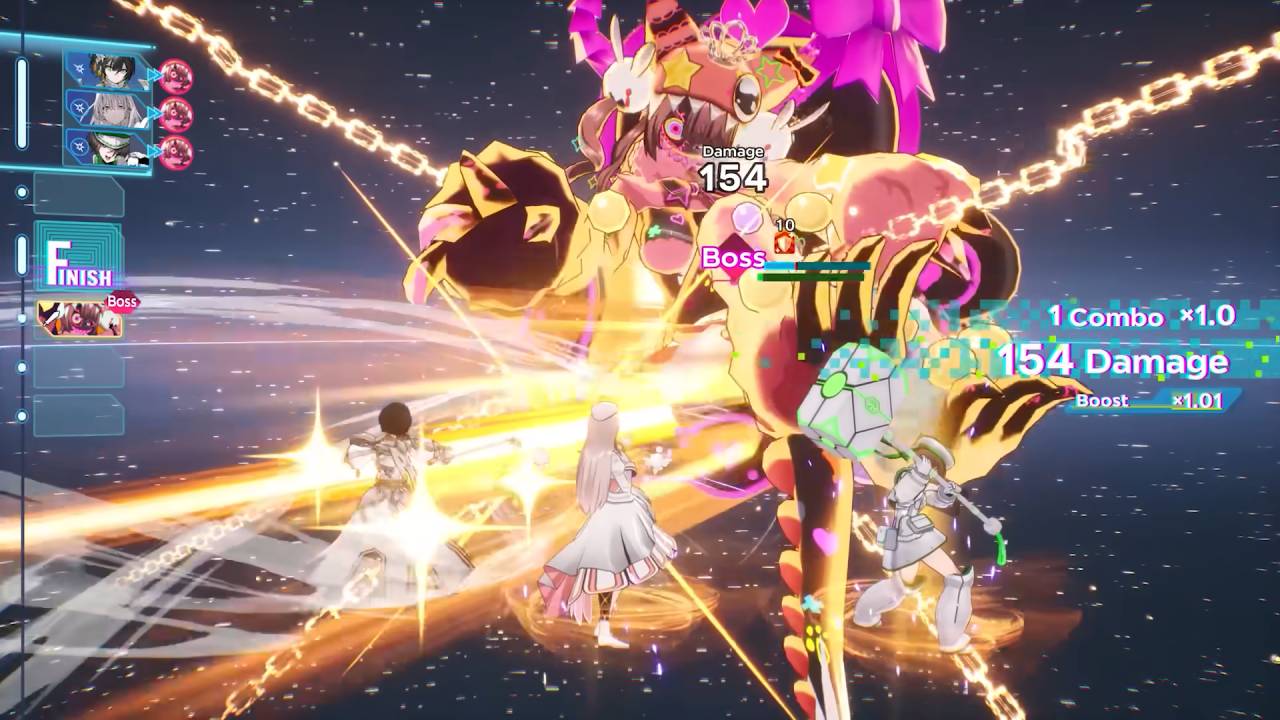
But this strength can also be a weakness. Players who like a slower growth curve may be put off by the ongoing lack of resources and rapid jumps in difficulty. There are instances when the game focuses too much on punishment, which might take away from the story's surreal splendor. If you're used to this kind of game, this design is a fun challenge; however, if you're new to it, it could be a problem.
Varlet's progression differs from how grinding systems typically work. Experience points can be used to enhance the game's mechanics or to uncover more about the story. Getting XP can sometimes give you a new skill for fighting, but it can also open a memory, change how you talk to a character, or change the main character's inner monologue. This dual purpose makes grinding feel like it has a point, as it helps with both skill growth and story development.
With the cyclical design, grinding is seen as a new finding. Every death changes the way we understand things, and every rebirth gives us more psychic depth. This method rewards players who persist with more story-rich rewards, rather than just statistical advantages. This makes XP progression one of the most creative parts of Varlet's design.
Varlet creates a unique look with his art. It's not trying to be realistic; instead, it leans toward Gothic surrealism, using stark differences in light and dark to create places that feel oppressive and out of this world. Each setting serves as a metaphor for a distinct aspect of the main character's fractured psyche, conveying fear, betrayal, and obsession.
The designs of characters use stylization and archetypes more than reality. Their looks are overstated, which is often a reflection of their roles in stories as representations of psychological themes. The stylization is further enhanced by animations, which lend movement and battle a deliberate weight. Even though it's not a completely new idea, the visual identity is memorable, and the way it fits with the story design has a lasting effect.
The disturbing mood is made even worse by the sound design. The music changes smoothly between exploration and battle, going from a creepy background sound to sharp, percussion-based intensity. The broken tone of the story is reinforced by the repeated use of distorted tunes. It's just as powerful to be quiet, so stress can build up in the quiet times before it explodes into loud noises during battle.
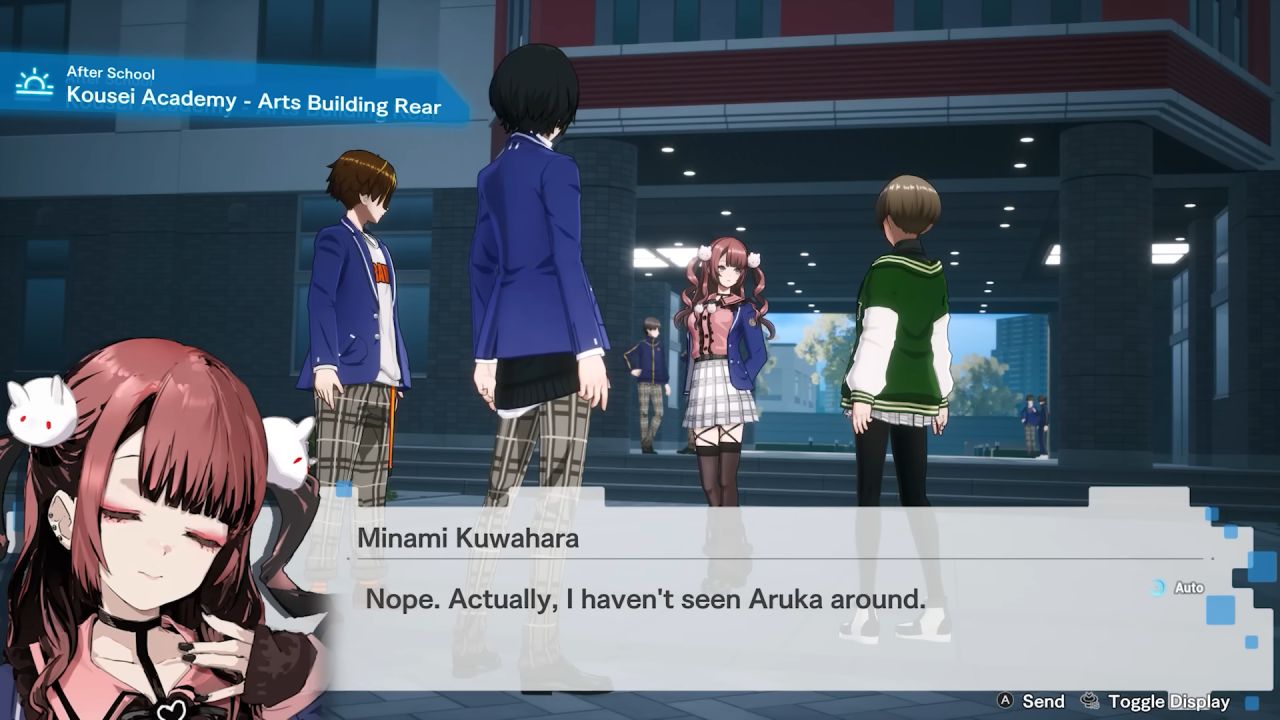
The same applies to sound effects. The scrape of steel, the echo of footsteps in empty hallways, and the groan of buildings falling down all add to the complexity of the environments. It's powerful that there isn't much voice acting. Often, characters speak in jumbled or broken tones, which aligns with the game's fractured themes.
There is no peace or ease in Varlet. It takes strength, patience, and a readiness to accept uncertainty. Because of the way it combines roguelike gameplay with broken-up storylines, every death and choice has a big impact on the story. Those who persevere will be rewarded with a journey filled with atmosphere that will stay with them long after the screen goes away.
But Varlet has some problems. Its difficulty curve can be so harsh that it makes you feel alone, and the story is broken up in ways that might annoy players who like things to be clear instead of mysterious. But these issues are part of what makes it unique. The difficulty makes the victory more satisfying, and the broken story makes you want to learn more about it. Varlet is both scary and unforgettable for players who are willing to confront it as it is.
Staff Writer, NoobFeed
Verdict
Varlet is a bold fusion of roguelike tension and narrative ambition. Punishing yet rewarding, it transforms failure into storytelling fuel, offering a haunting experience for players who are ready to embrace consequences.
61
Related News
No Data.