
Warhammer 40,000: Dawn of War – Definitive Edition Review
PC
A classic RTS comes back with a modern touch (and some strange things).
Reviewed by Nusrat Choity on Aug 17, 2025
In the early 2000s, Relic Entertainment made a game that changed the way people thought about strategy games set in the Warhammer 40,000 universe. Warhammer 40,000: Dawn of War set the standard for real-time strategy games by combining chaotic battlefield action with careful unit management and faction flavor.
It hit the perfect balance between big battles and keeping the personalities of your heroes, squads, and commanders. A small group of about 30 developers worked on the original for just over a year, but it was able to compete with big RTS games like Warcraft III and Command & Conquer.
Dawn of War II would try a smaller, squad-based approach that split fans, but the first game has become a classic. Dawn of War: Definitive Edition combines the original game with all of its expansions and adds a lot of new graphics, quality-of-life improvements, and support for modern platforms. The question is, does this "definitive" package do justice to one of the best RTS games ever made? And is it worth your time in 2025?
The first Dawn of War campaign is a pure grimdark spectacle if you're new to the series. The Blood Ravens chapter of Space Marines, led by Captain Gabriel Angelos, is trying to protect the planet Tartarus from a group of orks. As the battles rage on in ruined cities, thick forests, and industrial complexes, a darker threat begins to show itself.
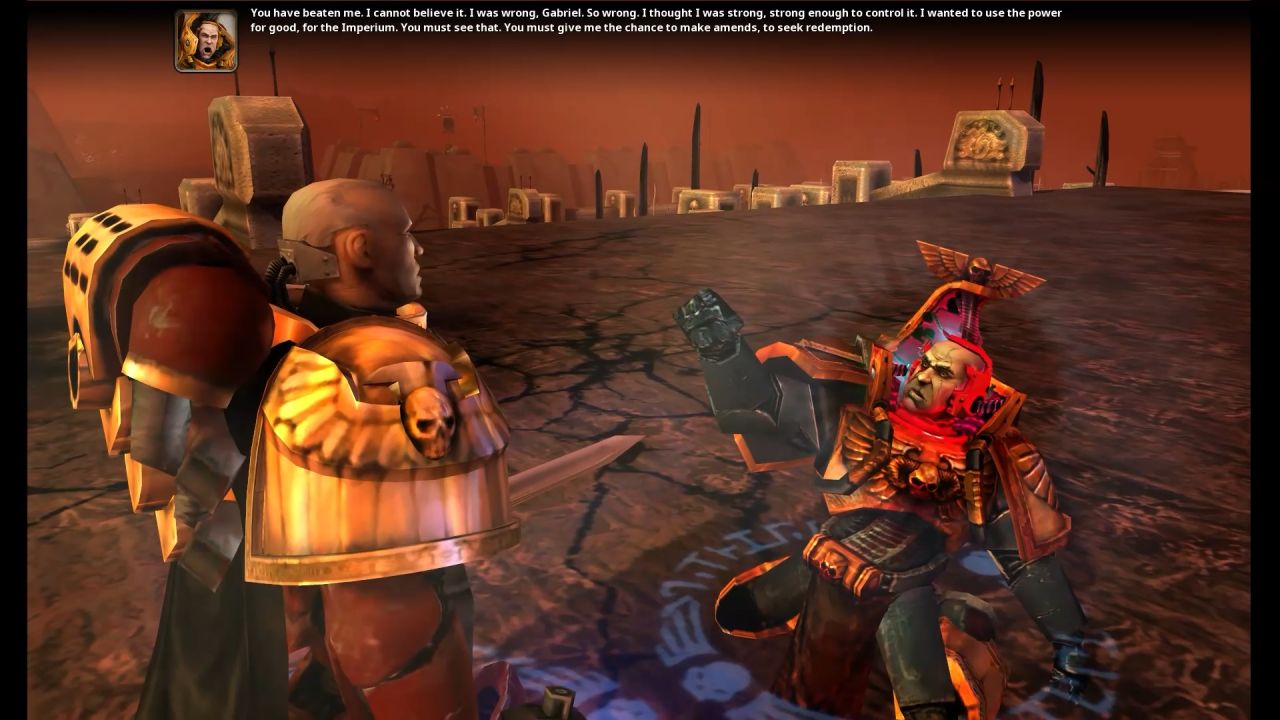
The story moves forward through well-acted voice acting, memorable character interactions, and animated cutscenes. Gabriel's relationship with Librarian Isador, which later turns into a fight, remains interesting twenty years later. The faces are a little stylized compared to modern realism, but this makes the atmosphere more charming instead of less so.
The only real problem is that lip-syncing hasn't aged well. Dawn of War – Definitive Edition does improve textures and lighting, but these parts still look old. Beyond the base game, the Definitive Edition includes all expansions — Winter Assault, Dark Crusade, and Soulstorm — each adding new factions, settings, and playstyles.
Dark Crusade and Soulstorm replace the linear campaign with a territory-control meta-map. This gives you a strategic layer like in Total War, where you move armies between battles. In one package, it has a lot of different stories and strategies.
The core gameplay loop is one of Dawn of War's best features, whether you're playing in campaign or skirmish mode. You start by building a base, building production buildings, and taking control of key points on the map to get requisition, which is the game's leading resource.
After that, you choose how to make your army bigger. Barracks make infantry, armories unlock upgrades for health and attack, and machine cults bring out vehicles. Your current infrastructure limits the number of troops in each squad. This encourages careful planning instead of simply deploying a large number of soldiers. Food and farms aren't a problem here.
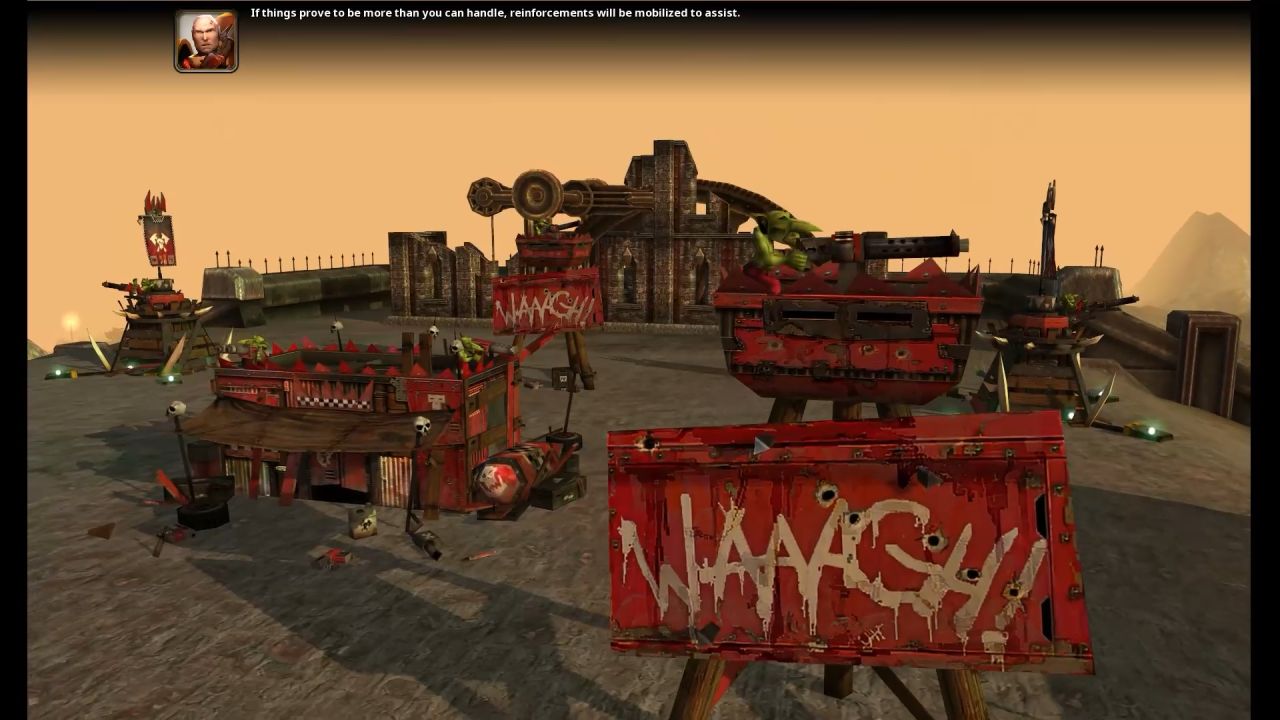
Instead, unit limits are based on army and support caps that you can raise by building tech structures. Each group plays in its own way. The Blood Ravens are a strong, well-balanced group. Orks do best when they are in large groups. Eldar focus on speed and movement, while Chaos spreads corruption across the battlefield.
The expansions only make these differences worse by adding Necrons, Tau, Sisters of Battle, and the Imperial Guard. Dawn of War – Definitive Edition doesn't change the main mechanics, but it makes the controls more modern. One change that people like is that the camera can zoom in further, which lets you see more of the battlefield without the cramped camera angles of the original.
This changes the game on high-resolution screens. The combat in Dawn of War is a mix of high-level RTS tactics and small-unit micromanagement. Squads are the basic unit of combat, and you can give them more troops during a battle by spending requisition. You can add specialized weapons like flamers, plasma guns, and missile launchers to squads on the fly, which lets you change your strategy as the enemy's forces change.
If you place your ranged units in the right spots, the cover system will help them stay alive longer. Morale is crucial; units that are under heavy fire can break and run, which means you have to regroup instead of just trading soldiers. This makes frontal attacks dangerous unless there is suppressive fire, flanking, or a distraction.
Dreadnoughts and tanks have the firepower to break through heavy defenses, and aircraft from later expansions add vertical variety to battles. Scouts that can creep are very useful for taking over points that other people miss or cutting off the enemy's supply lines.
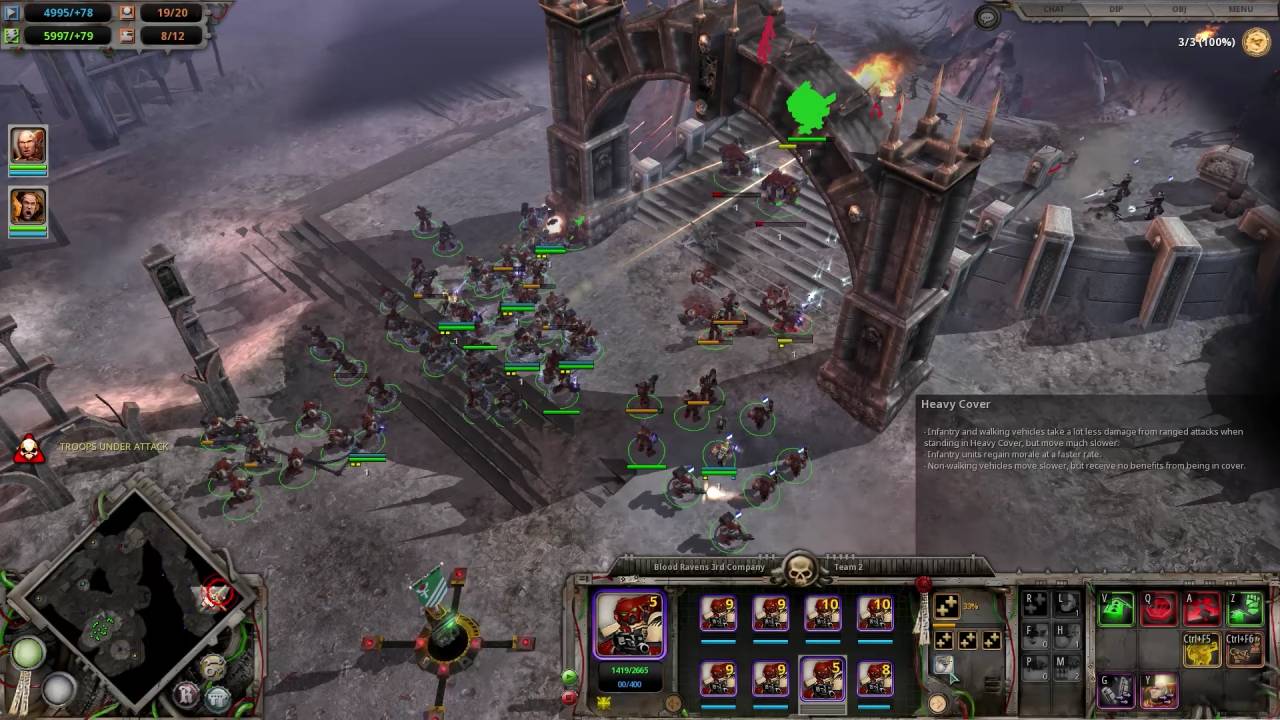
The AI's pathfinding is the only thing that could be better. Sometimes, units take strange paths or group together for no reason, which can mess up carefully planned attacks. This quirk was in the original and is still here, but it rarely interferes with battle.
In the narrative campaigns, progression is based on the structure of the missions, not on constant levelling. In Dark Crusade and Soulstorm, on the other hand, the meta-map campaign lets your heroes and some units earn wargear and abilities as you take over new areas.
You have to retake a region if you lose it, so your choices between offense and defense are essential. This layered approach keeps the game interesting because you get rewards for wins that last longer than one match. It doesn't have all the features of an RPG system, but it complements the combat in Dawn of War.
You won't think the Dawn of War – Definitive Edition is a new game, but the changes are significant. The lighting is better, the shadows look more real, the textures are sharper, and the details on the models are better. The distances you can see have been increased, which makes battlefields easier to read at a glance.
When you put the two versions next to each other, the leap is clear: the units are cleaner, the environments are less muddy, and the particle effects stand out without taking over the screen. That being said, the terrain still looks like it came from the early 2000s, and some of the animations look stiff by today's standards. Purists will like that the new look doesn't try to change the original art style; it just keeps it the same.
Performance is usually good, especially on newer hardware. If you have a good PC, you should get high frame rates at 4K with all settings turned up. Some players have said that there are occasional dips during massive battles on screen, but the game's optimization is good enough to keep most matches running smoothly.
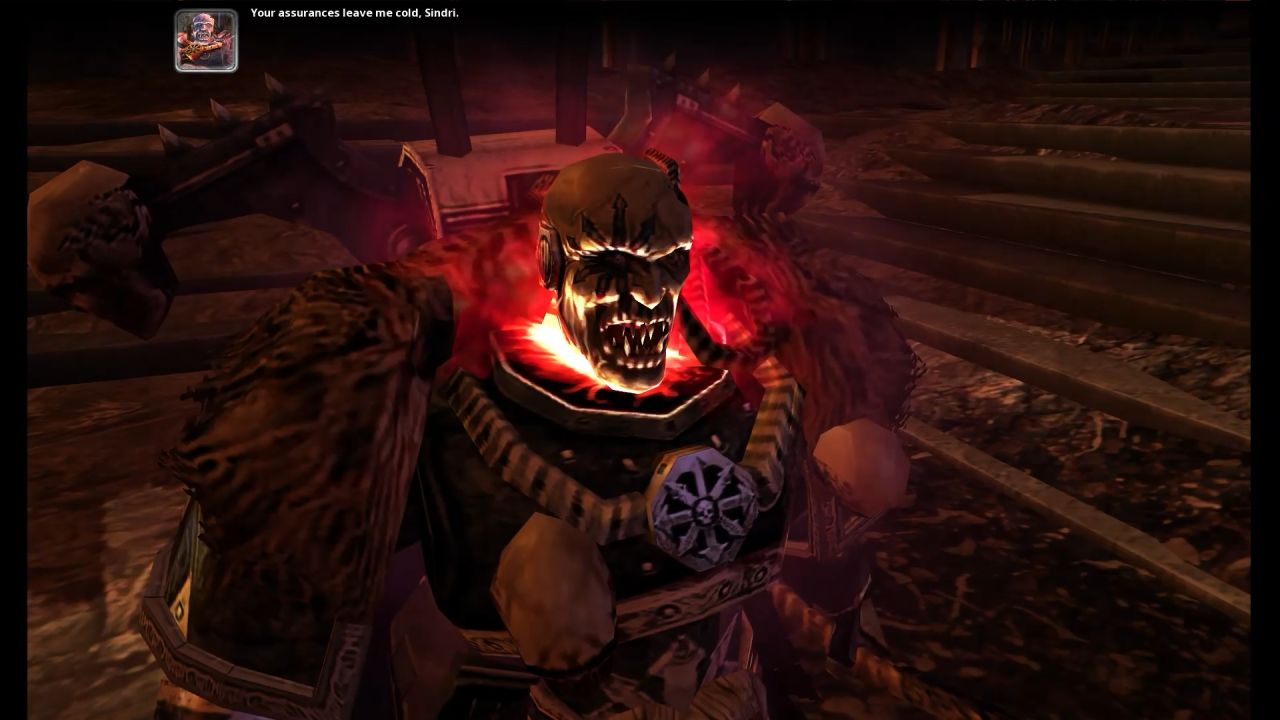
The voice acting is still one of the best parts. The Space Marines' loud battle cries and the Orks' guttural chants make each group feel different. Bolter fire cracks, chainswords roar, and artillery thumps through the mix, so weapon sounds still have their weight.
The audio improvements in the Definitive Edition aren't as significant as the visual ones, but they do make things more straightforward. There is less noise in the dialogue, and the environmental effects, like explosions, debris, and distant gunfire, are a little more detailed. The orchestral score still perfectly captures the dark grandeur of the Warhammer 40K world.
The bundle has everything from the original game and its expansions, and you can access it all from one launcher. There are a lot of different campaigns, an army painter for making your color schemes, and skirmishes against up to seven AI enemies, so there are easily hundreds of hours of fun to be had. It's easy to set up multiplayer with Full Steam integration, but online matchmaking may change over time.
They say they will support modding, but when the game comes out, you'll have to install mods by hand. This means that popular mods like Ultimate Apocalypse or Unification may not work with the new version right away. If Relic had worked with mod creators to have some ready at launch, they could have gained a lot of goodwill.
One strange design choice is that Skirmish mode only uses Soulstorm's rules and roster. This means you can't limit a match to just the original or an inevitable expansion. It would have been more flexible to be able to play with older balance and unit rosters, especially for long-time fans who like specific eras of faction design.
Warhammer 40,000: Dawn of War – Definitive Edition is exactly what it sounds like: the original game and all of its expansions, but with better graphics and performance. The core RTS gameplay was already great, and this package keeps it that way while making it easier to see, bigger, and more comfortable to control on modern systems.
There are a lot of missions, different factions, and different expansions if you're here for the campaigns. If you like skirmish battles or multiplayer, you'll have a massive list of maps and characters to choose from. However, more detailed rule options may be needed.
There aren't any significant changes to the gameplay or new features, so this is more of a remaster than a remake. It all depends on what you want, if that's enough for you. This is the best way to start playing Dawn of War if you've never done it before. If you don't mind primarily aesthetic and quality-of-life improvements, this is a good way for veterans to return to combat.
Contributor, NoobFeed
Verdict
A faithful, visually improved tribute to a classic RTS. It's great for new players and fans who have been away for a while, but it doesn't add much new content or make any significant changes.
75
Related News
No Data.