
Whirlight - No Time To Trip Review
PC
A retro fueled adventure where absurdity, time travel, and old school design collide with uneven results.
Reviewed by Zahra Morshed on May 14, 2026
Point & click adventures are sort of out there in today's game world. The genre, once regarded as the best way to convey a story and construct a puzzle, finally died out with the release of more cinematic action games and simple games. Still, some developers are trying hard to retain its unique identity. Whirlight - No Time To Trip by Imaginarylab is a tribute to that long-ago time and a determined failure to smooth over all the rough edges that made it special.
The end product is highly nostalgic, occasionally annoying, but undeniably authentic. In the past, the studio drew a lot of attention with “Willy Morgan and the Curse of Bone Town,” a pirate adventure that boldly embraced LucasArts’ iconic design philosophy. That project revealed just how much Imaginarylab likes old-school adventure games, and Whirlight - No Time To Trip aims to bring similar ambitions to the sci-fi environment.
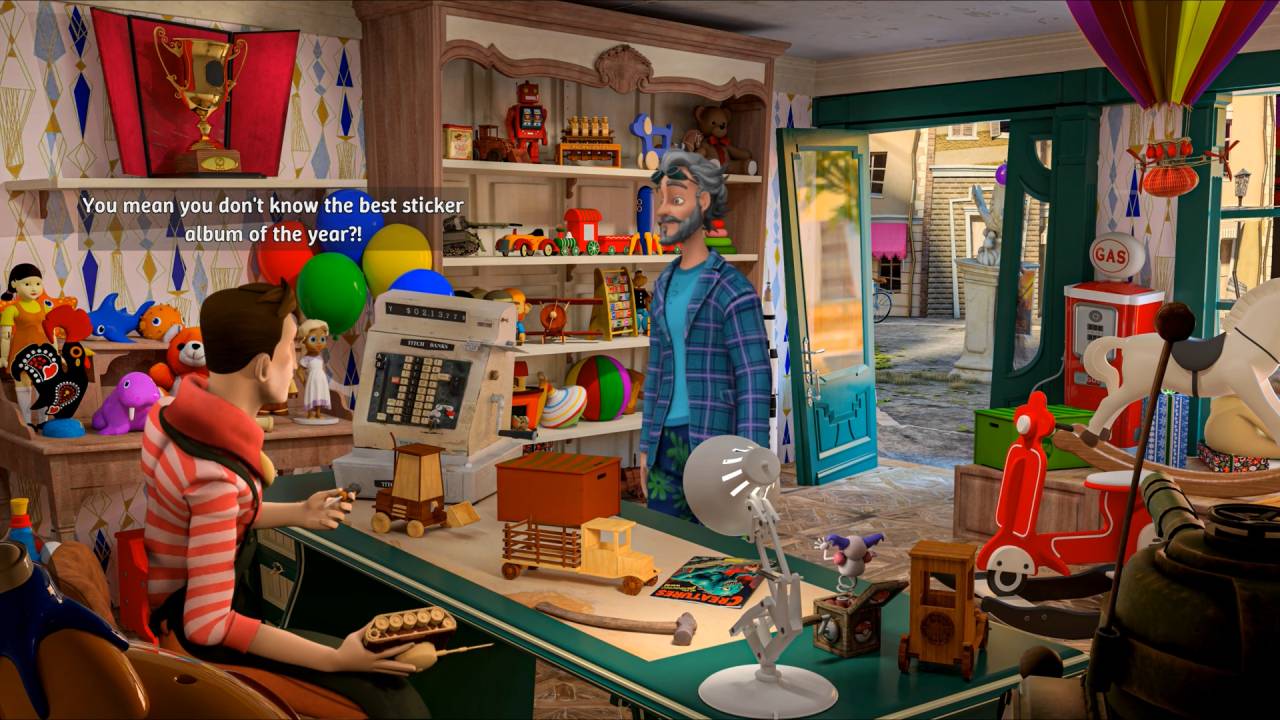
The tropical beaches and treasure maps are gone, and in their place is a strange world of broken technology, time-travel hijinks, oddball side characters, and peculiar outdoor puzzles. What immediately strikes you about Whirlight - No Time To Trip is how dedicated it is to the things that inspired it. This is not a new take on point-and-click adventures, in this case.
That's because it is a straight continuation of the design ideas that made games like Monkey Island and Runaway popular. From start to finish, the experience is characterized by bizarre item combinations, deliberately tough riddles, over-the-top humor, and slow-paced exploration.
That dedication is also the root of the game’s greatest strengths and shortcomings.
While fans of the genre may admire the fact that it doesn’t give in, newbies may find it hard to deal with mechanics that feel trapped in the past. Whirlight - No Time To Trip is always on the verge of being cute or obnoxious. Its charm is hard to ignore; most of the time, it works even if the game’s features are testing your patience all the time.
There’s also something to be admired in a game that doesn’t try to teach you all you need to know or offer you clear objectives. The trip challenges you to explore carefully, to try new things without fear, and to be happy with being lost sometimes, as part of the pleasure. It’s your own tolerance of vintage design guidelines that makes that mentality seem fresh or ancient. But Whirlight - No Time To Trip is to be commended for keeping to a type of game design that few businesses attempt these days.
The story is about Hector, a jaded creator whose life has been full of failure and lost possibilities. His ideas don't quite operate as they should; his professional reputation has taken a beating, and his ex-partner stole his best idea to become famous and affluent. This is your typical underdog story, but Whirlight - No Time To Trip makes it hilarious for most of its run by adding enough ridiculousness to the notion.
Hector has a weird dream that inspires a new idea, and he travels to Verice Bay to finish his latest creation. As you could think, things get hectic rather soon. When time is toyed with, terrible forces pop up out of nowhere, and before long, Hector finds himself in a scenario with end-of-the-world repercussions he doesn't quite grasp. The truth begins to shift. It’s growing worse in a way that’s intentionally stupid and just packed with pulp science fiction intensity.
Hector's main travel companion as the journey progresses is Margaret, an artist with unexpected scientific expertise. Her odd parrot, called Apocalypse, makes the story more engaging and pleasant. Their bond sustains the slower parts of the story, especially when things are slow to start. Whirlight - No Time To Trip has a terrific supporting cast, with practically every character over-the-top in intriguing ways.
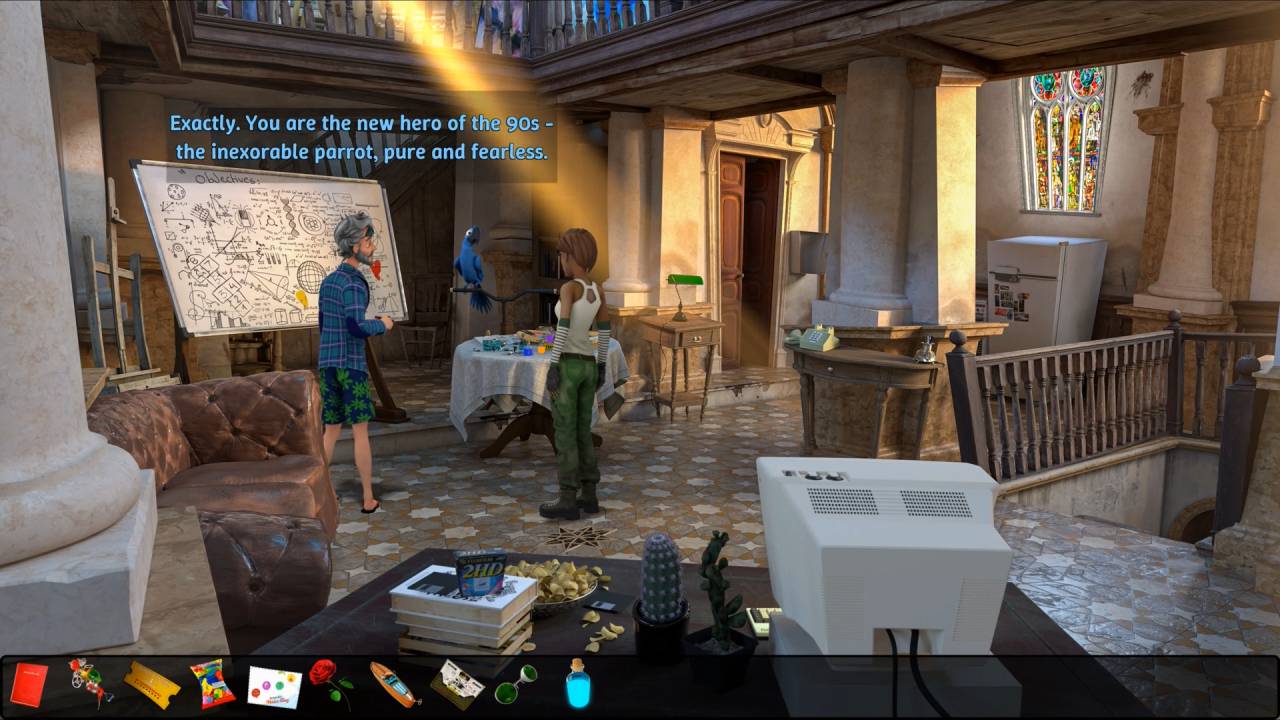
A lot of conventional point-and-click absurdity in the humor. There are many visual gags, snarky comments, awkward blunders, and deliberately made-worse circumstances in conversations. Some gags land effectively because they are timely and self-aware, but others lean way too hard on nostalgia for genre tropes. But the game continuously introduces unique events and characters, so the writing never becomes boring.
The second half is considerably better at telling a tale than the first few parts. The first environments feature a wide range of realistic settings, including fishing communities and labs. Later, there are more weird science-fiction visuals and greater story risks. Split in temporal dimensions, future skyscrapers and areas where reality bends. Finally, the game takes on the adventurous tone the notion promised. When Whirlight - No Time To Trip embraces its sci-fi roots, it’s a lot more exciting.
But the tale still struggles to be predictable.
Many of the plot twists land exactly where you expect them to, and the emotional arcs rarely extend beyond what you’d expect from an adventure game. The characters are still nice, but don't grow much through the game. As a deeply moving emotional journey, it is less effective than a way to explore and make you laugh.
These difficulties remain, but the tale remains intriguing because the game knows how to pace each scene. The conversation has a lot of movement, humorous beats don't persist too long, and outdoor storytelling is constantly rewarded by exploration. Whirlight - No Time To Trip doesn’t add anything unique to the adventure story, but it has enough charm to keep you intrigued for a long time.
The way Whirlight - No Time To Trip works is much like the way most point-and-click games function. To continue, they have to explore environments, find artifacts, mix items in their inventory, interact with odd robots, and figure out what the environmental hints imply. All new developments are achieved by testing and observation, not by reflexes or direct action. Anyone who has played ancient adventure games will immediately know the gaming loop.
The UI itself is deliberately simple. The inventory is relatively straightforward to keep track of, interactive objects are highlighted, and journals maintain track of the key goals clearly enough so you don't get lost. The quality-of-life tweaks update the model a bit without affecting its old-school vibe too much. Whirlight - No Time To Trip expects you to think carefully and not get lost because the UI is hard to understand.
It’s all about exploration, the experience. Only Verice Bay offers multilayered environments filled with weird NPCs, secret interactions, and visual gags that are everywhere. Later sites are still more inventive. They range from distorted labs to time-split future spaces that constantly change reality around you. Changing up the setting keeps the energy up on longer puzzle chains.
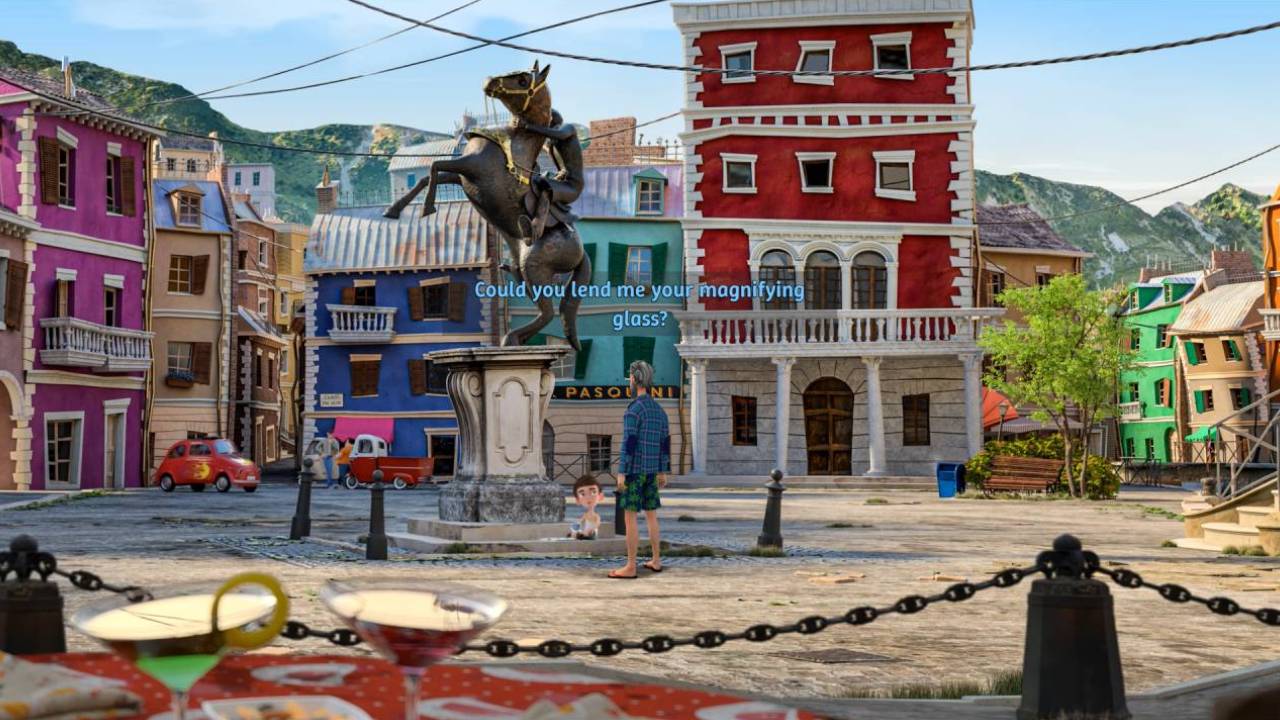
The interaction between things is wonderfully goofy for most of the game. You can create sandwiches for carnivorous plants, manipulate geysers to alter the environment, or combine seemingly unrelated objects to produce irrational but effective solutions. This weird logic is consistent with the traditional way of developing the genre, where exploring new ideas is more important than realism. Whirlight - No Time To Trip is finest when it doesn't bother to disguise its stupid game logic.
But it's also quite difficult to keep pace with that kind of design thinking. Some problems have answers so difficult to find that development stalls. You will tend to brute force everything in your inventory on anything in the world until something works out of the blue. Readers who know the genre will probably find this rage endearing; newbies may find it boring.
The movement is fast. It adds to the friction.
Hector travels painfully slowly in larger spaces, and having to go back often accentuates this problem. And time travel just makes it worse: solving puzzles often just requires going back to the same area over and over again at different times. Whirlight - No Time To Trip feels that repetition can occasionally equal depth, but forces you to do repetitive routines that detract from the experience.
But it's impossible to deny the feeling of accomplishment when things ultimately work out. It’s the same mental payoff that made classic adventure games a hit decades ago: working through a series of complex, interconnected problems. The game trusts you enough to let you get lost -- and that trust leads to moments of actual accomplishment you don't frequently see in more streamlined current games.
Whirlight - No Time To Trip has no combat. The game is way better without any added action features. Instead, the experience is entirely about solving puzzles in the world, tracking stuff, having conversations, and solving difficulties by watching others. Each assignment is about understanding how the game works and creatively modifying the reality to help you proceed.
The quality of the riddles varies widely throughout the game. Some difficulties seem skillfully and organically constructed, and they pay off through close observation and logical thinking. For example, you receive pleasurable bursts of speed from assembling newspapers from shattered parts or solving how to operate programmed machinery, because you know why each answer works. These scenes represent the best of the kind.
Unfortunately, certain situations are increasingly difficult to find out about. Some solutions are so random that moving forward depends on trial and error rather than genuinely fixing the problem. This problem is a good example of the renowned patterns of time travel. You keep jumping timeframes, returning to areas, making changes to the universe, and then doing it all over again to try and discover the proper order.
This feature looks inventive at first glance, as it expands the possibilities for puzzles beyond the usual inventory combinations. But the back-and-forth between timelines becomes tired fast with all the repetition and unclear rationale. What should be mentally interesting becomes something that is done over and over again. Whirlight - No Time To Trip sometimes falls apart merely to make it all appear more complicated.
The fun and stress of solving puzzles is only amplified by the absence of an in-game tip system. You can only believe what you see and can try for yourselves. This design respects your intelligence and preserves immersion, but it also creates long stretches where momentum pauses completely after being trapped. Adventure games today are frequently better at balancing difficulty and ease of use.
The game should be applauded for maintaining a diverse set of riddles throughout its length.
Goals rarely repeat themselves verbatim, and the world’s relationship to the story is continually shifting. Even when solutions don’t work, the creativity that goes into many situations is still astounding. Whirlight - No Time To Trip definitely knows how to build puzzles that will stick with you, even if the execution isn’t always great.
In fact, for die-hard point-and-click enthusiasts, these difficulties may enhance the experience's realism. A lot of old adventure games would consider their design hard to comprehend to be part of their style, and Whirlight - No Time To Trip does a good job of replicating that vibe. Whether you like authenticity or find it out of fashion depends on how much work you are prepared to put in.
Whirlight - No Time To Trip's greatest strength is that it constantly allows for player discovery. Usually, the game doesn't impede your development by providing you with too many lessons or too much guidance. Instead, it expects you to take up ambient hints and learn things for yourself. And that confidence offers you a nice sense of ownership when you eventually crack a difficult puzzle.
The setting also makes puzzle-solving a lot more fun. Locations include tons of little objects you may interact with, hidden gags, and hints that make you want to look around more attentively. The planet itself is no longer merely a backdrop for the riddles, but an active part of the game. This attention to setting gives the game a personality that carries during its runtime.
Adding humor to weaker sections makes them stronger. Even with truly unpleasant problem chains, speech and visual comedy can often keep things intriguing enough to hold people's interest. Hector's bumbling attitude, Margaret's scathing insights, and Apocalypse the parrot's crazy antics all help to bring scenes alive when they may become dull. Whirlight - No Time To Trip is fun enough to make a go of many of its issues.
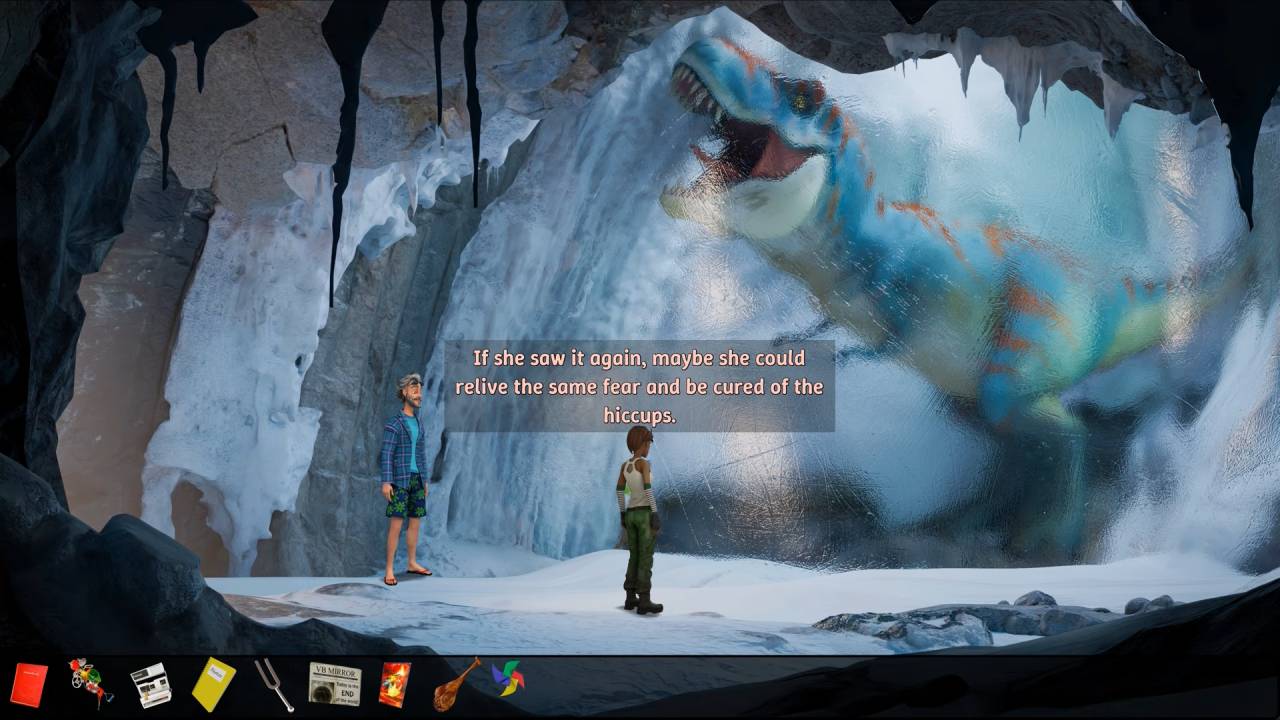
But the game has several faults with pace and clarity. Confusing item combinations, excessive backtracking, and convoluted time travel mechanisms are all culprits of the game’s progression hurdles. These walls are less mentally rewarding than they are unpleasant. Some riddles seem contrived to keep you playing longer rather than to draw you in more in a constructive way.
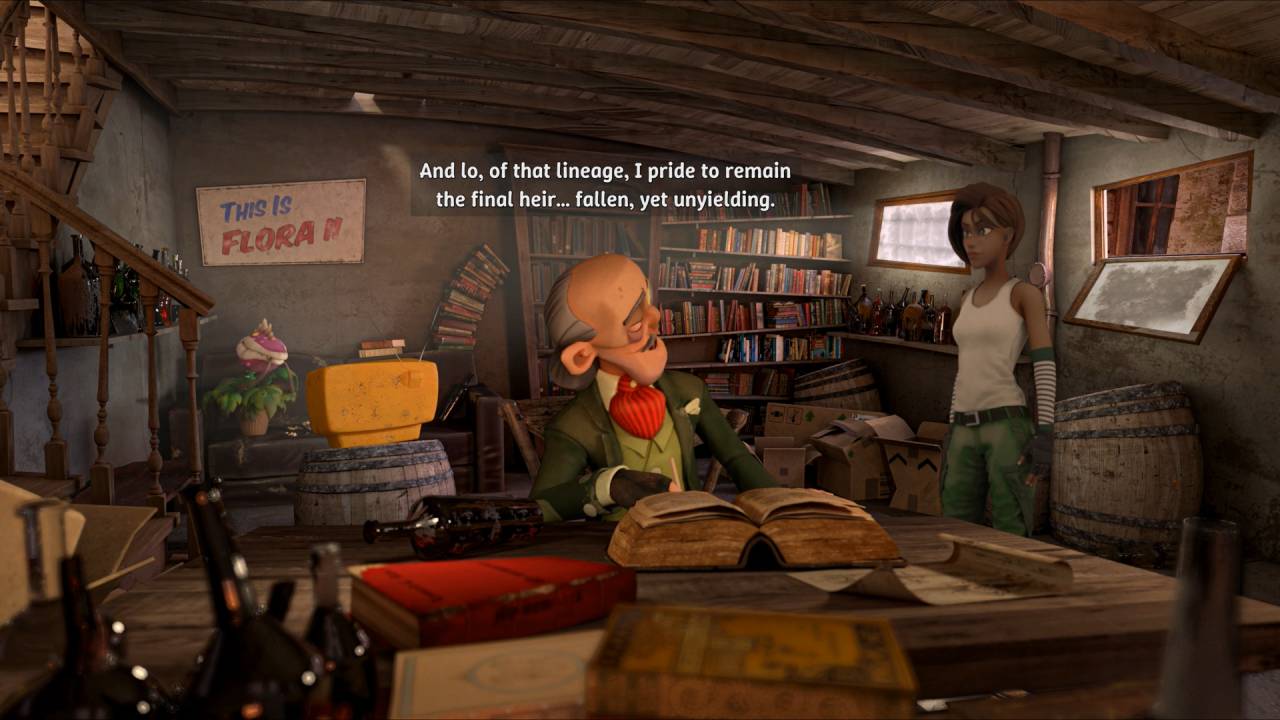
The poor quality of animation also makes it more difficult to get into discussion sequences. The faces of characters look stiff, lips don’t sync up, and even the transitions between actions are occasionally uncomfortable and unnatural. These flaws are particularly pronounced as the environments are quite realistic and rich in detail. The contrast between the stunning environment and the old-fashioned character animation is impossible to miss.
Despite these issues, the game captures the vibe of the old-school point-and-click experiences.
Confusion makes you try new things, trying new things makes you find something by chance, and finding something makes you happy. Whirlight - No Time To Trip understands adventure games are great when you're curious, albeit that curiosity may occasionally lead to aggravation.
In Whirlight - No Time To Trip, there are not a lot of traditional means to make progress. There are no skill trees or experience points. There are no weapon changes or stat enhancements to be gained from gathering objects. The only way forward is to solve puzzles and see how the plot is progressing. This framework is very compatible with the design of old-school adventure games, where learning itself is a way to get ahead.
Solving a puzzle teaches you something new about the world and how it works. You must then master the rules for manipulating time, the setting's logic, and the characters' aims to continue. This gives you a slower but more mentally fulfilling sense of progress than most numerical reward systems.
The advancement of the plot also significantly increases the environment's complexity. Earlier areas are more down-to-earth and easier to handle. Later chapters introduce larger spaces, more difficult problem chains, and science-fiction mechanisms that grow increasingly weird. Whirlight - No Time To Trip doesn’t use false leveling systems; it becomes harder by adding new concepts to old ideas.
But the absence of any optional progression mechanics can alienate players used to existing reward loops. There are no unlockables, no personalization, only plot intrigue and puzzle satisfaction to keep you coming. The good news is that the world remains strange and exciting enough to keep people intrigued throughout most of the campaign.
In the end, this straightforward approach strengthens the game’s personality. Whirlight - No Time To Trip follows the classic point-and-click format, but not the new progression rules. The prize is the finding itself, and every great stride ahead seems to have been earned by patient observation rather than growth in numbers.
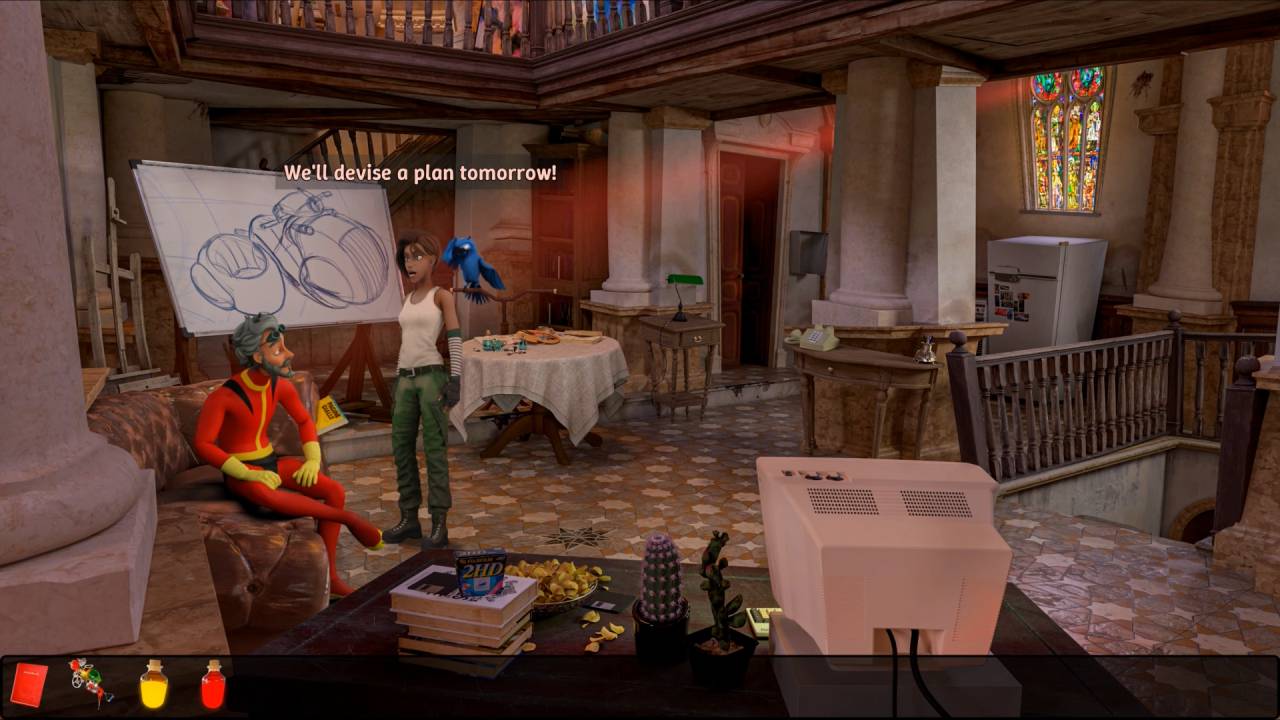
Whirlight - No Time To Trip offers an interesting visual contrast between its lovely settings and its portrayal of its characters. The backdrops are very beautiful, with intricate masonry in Verice Bay and futuristic labs filled with blazing machinery and dark lighting. Each location has its own graphic style that matches the game's goofy attitude quite well.
The broader landscape shots really capture the art direction. Coastal cities are warm and friendly, while science fiction settings use vivid colors and bizarre buildings to make the game even more hilarious and strange. The world always feels like it was constructed by hand, not by a set of steps.
Character models, on the other hand, aren't as thoroughly thought out.
The face animations are stiff, the transitions between motions are uncomfortable, and the sequences of conversation look like old adventure games at times, not like new ones. The mouth sync is really annoying. The characters don’t sync their mouth movements with their phrases; instead, they open and close their mouths automatically.
But good outdoor art typically compensates for poor animation quality. Lighting effects, environmental detail, and varied site designs all contribute to the visual flavor of the experience. Whirlight - No Time To Trip isn’t technically faultless, but it’s assembled in a way that consistently supports mood and personality.
Technical performance is still very stable. No major issues or crashes, which is very impressive considering how many things you can interact with and how many levels there are in the puzzles. Adventure games might be problematic with too many features, but Whirlight - No Time To Trip works perfectly through its extended runtime.
One of the best things about the game is the sound creation. The soundtrack consists of quiet, gloomy music that enhances exploration without hindering dialogue or problem-solving. Obviously, as the story progresses, the music shifts from pleasant adventure themes to darker science-fiction connotations.
The voice acting also deserves credit for sustaining vitality throughout the campaign. Hector’s tired sarcasm, Margaret’s cool intelligence, and the outrageous personalities of the supporting characters all feel like they belong in a play without tipping over into silliness. The performances improve the timing of the humor and help compensate for the weaker face animation.
The sound design for the surroundings provides a fantastic added depth of reality. Mechanical hums, coastal noises, distant equipment, and subtle ambient elements all combine to create the impression of moving through ever-changing worlds. These minor details help strengthen the game's world-building without calling attention to itself.
Humor works well with audio presentations, too. A lot of the jokes are funny because of timing, the manner in which the words are said, or the goofy sound effects that are added. Whirlight - No Time To Trip recognizes that pace is a huge aspect of comedy, and the audio team does a terrific job of maintaining that rhythm throughout the trip.
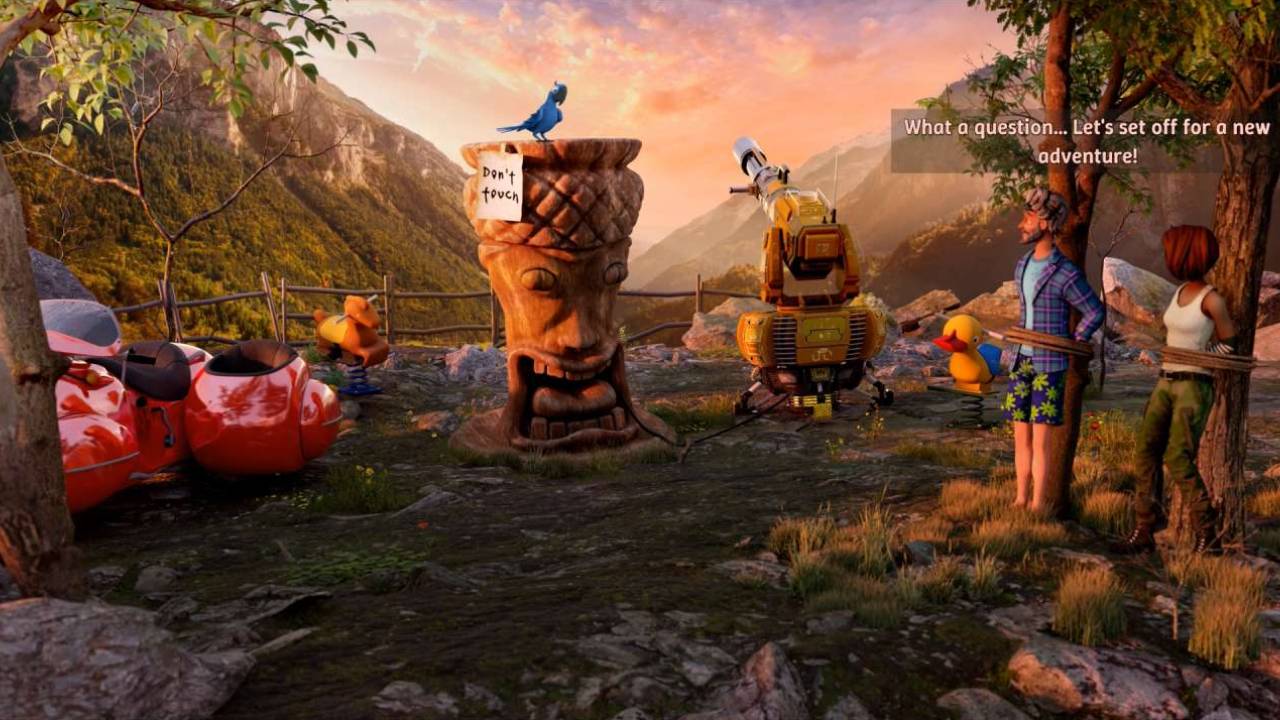
There aren’t many standout songs in the score, but the consistency of the ambiance throughout the experience gives it a sense of completion. The music is never too long or intrusive, and it never distracts from solving the riddle. Instead, it adds to the game’s weird charm in a pretty modest way.
Whirlight - No Time To Trip seems like something out of a game from another era. It retains the oddity, the difficulty, the ingenuity, the unpredictability that made point-and-click experiences fun in the past, without trying to make them more current. That's a kind of commitment that's both admirable and quite contentious.
The game features moments of ridiculous humor, unique environmental puzzles, fascinating characters, and gratifying intellectual discovery. The setting feels like it was designed by someone with a great appreciation for the genre's history. Once the tale really leans into the chaos of time, the sci-fi elements become unexpectedly innovative.
But the experience is always falling apart with slowdowns, excessive backtracking, poor game logic, and old-fashioned animation. Some of the game elements seem to have been maintained purely for nostalgia’s sake, not because they are useful for the design. For people who haven't played many ancient adventure games, it might not be clear why rage was a huge aspect of the genre back in the day.
However, all aspects of the production are handled with love. It’s evident that Imaginarylab is a fan of, and has a lot of respect for, the history of point-and-click adventures. You can see the affection in the text, the way the environments are designed, and the way the puzzles are built throughout. Whirlight - No Time To Trip can grate now, yet it never feels cynical or artistically void.
Ultimately, the game succeeds because it knows what it wants to be. There is no streamlined cinema experience here tailored for everyone. It’s a retro-styled adventure game for folks who miss the thrill of trying new things, being patient, and solving weird issues. Whirlight - No Time To Trip is a delightful return to old terrain for aficionados of the sort. To everyone else, it might be a fascinating relic attempting to fit in with contemporary design standards.
Contributor, NoobFeed
Verdict
A charming yet frustrating throwback that captures the spirit of classic point-and-click adventures beautifully. Whirlight: No Time To Trip rewards patience and curiosity, though its dated mechanics and obscure puzzles may alienate modern players.
75
Related News
No Data.