
WILD HEARTS S Review
Nintendo Switch 2
A nature-warped world, four-player co-op, and Karakuri chaos now arrive on the Nintendo Switch 2—but not without a few rough edges.
Reviewed by Asura Kagawa on Jul 28, 2025
Omega Force, Koei Tecmo's studio best known for the musou-heavy Dynasty Warriors series, chose to try their hand at monster hunting with Wild Hearts in 2023. WILD HEARTS S was a collaborative effort released under the EA Originals label. It seemed risky to try to compete with Capcom's Monster Hunter, which had been out for a long time.
Wild Hearts made its own identity with a clever mix of responsive action, a setting inspired by Japanese folklore, and another crafting system called "Karakuri". Now, in 2025, WILD HEARTS S comes out on the Switch 2, Nintendo's newest device. This version is more than just a simple port; it includes some changes, like four-player co-op instead of three, and tweaks to make WILD HEARTS S run better on Nintendo's hybrid hardware.
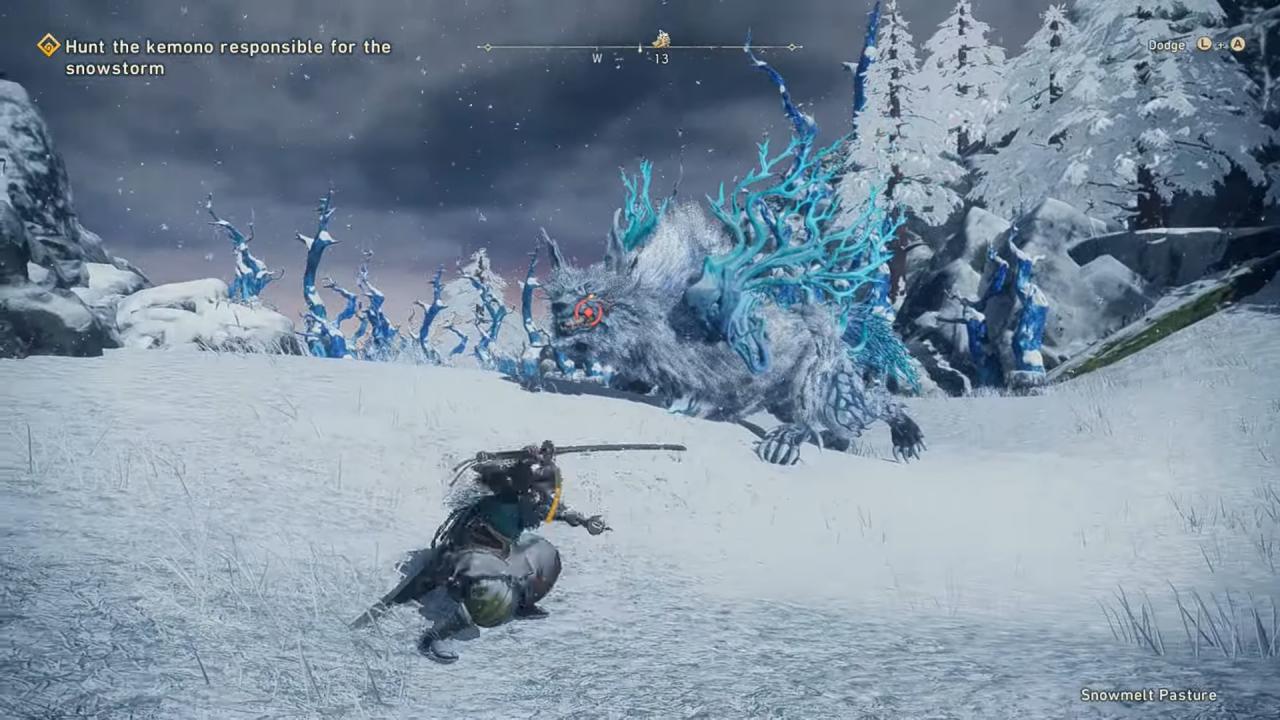
This means that the game's core functionality stays mostly the same, but its look and gameplay get worse. The question is whether or not the event is still valid. The story of WILD HEARTS S takes place in the made-up world of Azuma, which is based on feudal Japan and has a mythical feel to the gameplay. Things have gone wrong in nature. The world around them is being twisted by creatures called Kemono, which are part animal and part natural force.
These aren't just monsters; they're living disasters that freeze rivers, destroy forests, and change the way whole ecosystems work. You come to Azuma as a hunter with no name. In contrast to most "chosen one" stories, your power does not come from a prophecy, but from Karakuri, a mysterious technology that was left behind by ancient societies.
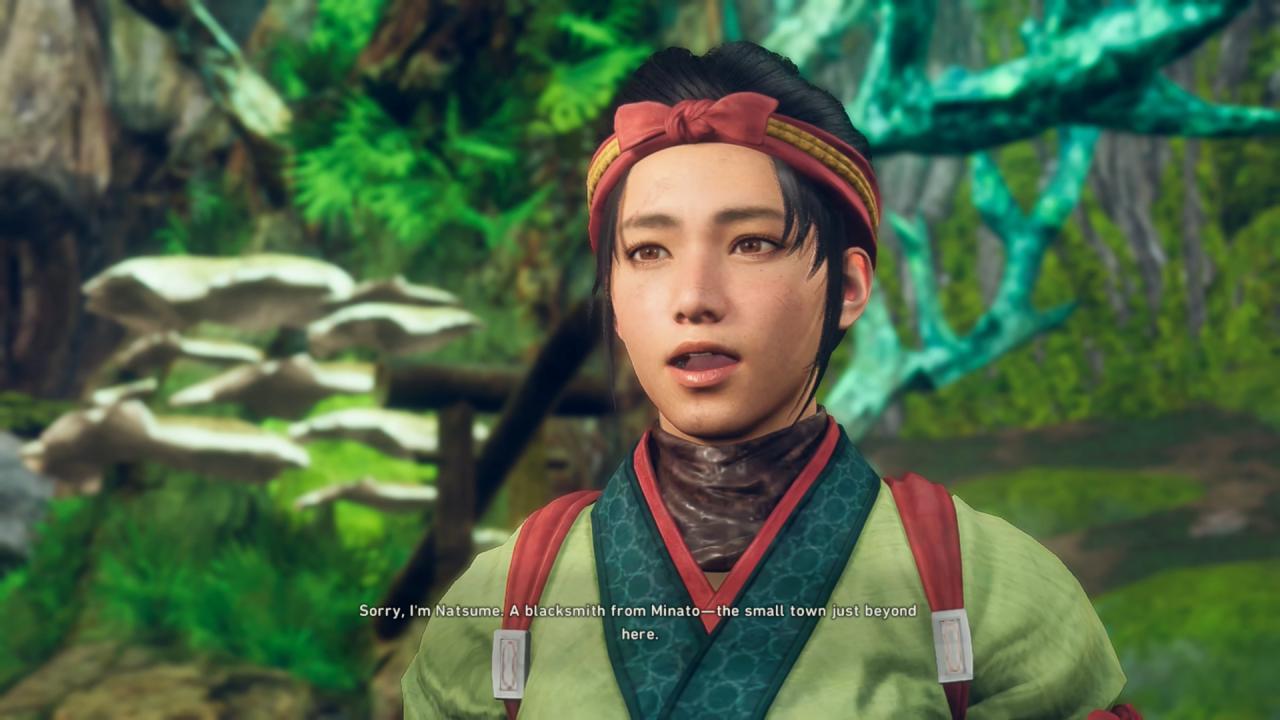
You are the only person who can stop the Kemono threat with these tools and your own creativity. The story doesn't change in WILD HEARTS S, but the framework is the same and works well. You help rebuild a town, make friends, and slowly move deeper into areas where beasts are becoming more dangerous. The story relies more on setting the mood and developing the world than on drama based on characters, but it works.
The different parts of Azuma, from the frozen tundras to the windswept cherry blossom slopes, each tell a story through the things you can see and the way the landscape changes. Players who have already played won't find any new tasks or story additions. For those who are new to the game, especially those who are playing it for the first time on Switch 2, the world and its stories still give them a satisfying sense of place and progress.
It's still a monster-hunting game, but WILD HEARTS S adds enough new features to make it feel like a new game. You pick a weapon class, and each one has its own combo system and environmental effects. Then you go on hunts in biomes that are only partly open. Track a Kemono, fight it, collect its parts, and then go home to make better gear. This is the main play loop.
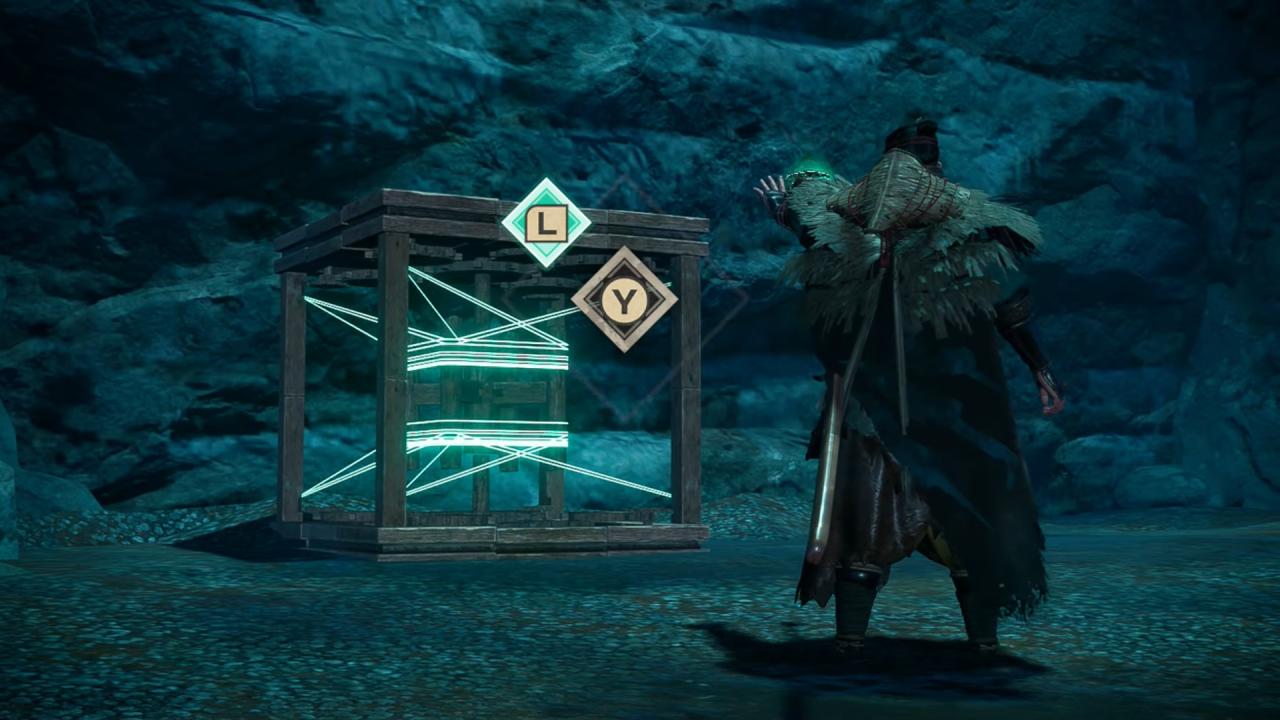
You can explore the world between hunts to find resources, open new building plans, and place Karakuri devices that can stay in place for quick travel or strategic placement. These buildings can be useful, like zip lines or gliders, or they can change the game in battle, like walls that stop charges or stun traps.
The methods for crafting and leveling up are complex, but not too hard to understand. Each Kemono's materials are linked to a different weapon tree, which gives players a lot of reasons to try out different builds or go after certain sets of gear. The formula doesn't bring anything new to the genre, but it does a good job of executing it, and the building tools work better than you might expect from a game of this size.
WILD HEARTS S's combat is a mix of real-time action and quick-thinking building. The elemental strikes, body patterns, and weak spots of each Kemono are different. Monster Hunter is all about slow, heavy hits, but WILD HEARTS S is more about quick, reactive gameplay, especially when the Karakuri system is used.
Karakuri buildings work like puzzles on the battlefield. A box can be used to send an attack into the air, a spring can be used to avoid falling, and a bulwark can be used to stop a charge. When you stack several Karakuri together, you can use "fusion Karakuri," which can be traps, spinning lights, or even bombs. You get threads for these structures by attacking or exploring, so you have to keep a mix between offense and building.
Karakuri reacts to different kinds of weapons in different ways. For example, the Nodachi charges a huge slash that works great when you catch a Kemono, while the Claw Blade focuses on quick repositioning and flying. Fights change all the time; you're not just remembering patterns; you're adjusting by changing your surroundings all the time.
The Karakuri method is still the best thing about Wild Hearts. It's not just a trick; it changes how fighting and exploration work together. Instead of just dodging or blocking attacks, you can use structures to stop them or tools you made in the middle of a fight to move around quickly. When things fall into place, the freedom is thrilling.
But there are some problems with it. Karakuri won't always go exactly where it's supposed to, especially when there is a lot of activity or the ground is tight. The camera tries its best to keep up with the action, but it can still be annoying in online battles, especially when more than one player calls up Karakuri at the same time.
Having said that, the addition of four-player co-op is great. The former cap of three players seemed too low. When you have a full team, hunts feel more strategic. One person can lure the Kemono, another can send out a Karakuri to help, and the other two go in to do damage. It's not chaos; it's chaos that has been planned. When four smart people work together, the flow of battle changes in a useful way.
In Wild Hearts, you don't get experience points to move forward; instead, you get better gear and technology. Instead of leveling up, you get stronger by gathering rare Kemono materials that can be used to make weapons and armor better or to gain new Karakuri skills.
It's hard to get rare Kemono parts that are needed for high-tier builds. But it doesn't feel like work very often, especially since the co-op has grown. When you hunt with friends, you can enjoy and get more out of it. Making a full set of armor that can counter a certain Kemono's powers gives you a satisfying sense of mastery and preparation in the game.
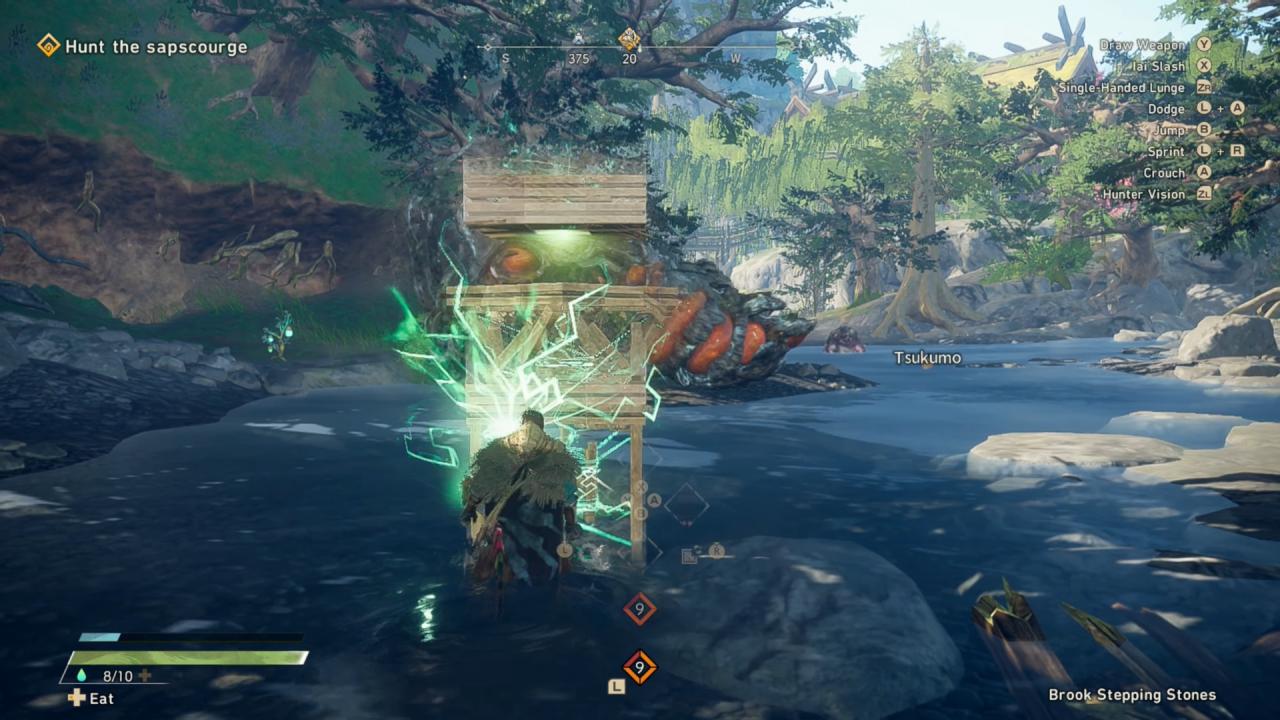
The Karakuri system is even better because it has its tech tree. This lets you improve your tools and make loadouts that fit the way you like to play, whether that's defensively, aggressively, or supportively. To start, it's clear that this version doesn't look as good as the one you may have seen on PS5 or Xbox Series X. WILD HEARTS S is based on the Xbox Series S build and has been tweaked to work best on the Switch 2.
It stays between 40fps and 50fps when parked. The lighting is flatter, the textures are softer, and there is a lot less vegetation. When the device is in handheld mode, these vision loss effects are more noticeable. Some places look really muddy, and during fights, particle effects aren't as strong. Still, it's not impossible to play. The art direction shines through even though there were some problems.
Kemono designs are creative and scary when they move, and each biome still has its own mood, like the calm of spring or the decay of a volcano. It's important that the game works well enough. It doesn't reach a steady 60 FPS, but it doesn't stutter so much that it breaks WILD HEARTS S. Combat stays smooth, and even during visually busy scenes, Karakuri input feels fast.
The sounds in WILD HEARTS S are deep and full. Traditional Japanese instruments and orchestral music make up the music, which is great for long hunts and intense battles. When the battle gets tough, the music gets louder, but when you're exploring, soft, atmospheric tracks add to the world's wonder.
The sounds are clear; each Kemono has its roar, and the crunch of metal against elemental hide is satisfying. The sound also does more subtle work. Growls, rumbles from the environment, and wind all add to the feeling of place. Voice acting works, but it's more about usefulness than style. NPCs give the necessary background information without adding much drama, but nothing feels forced.
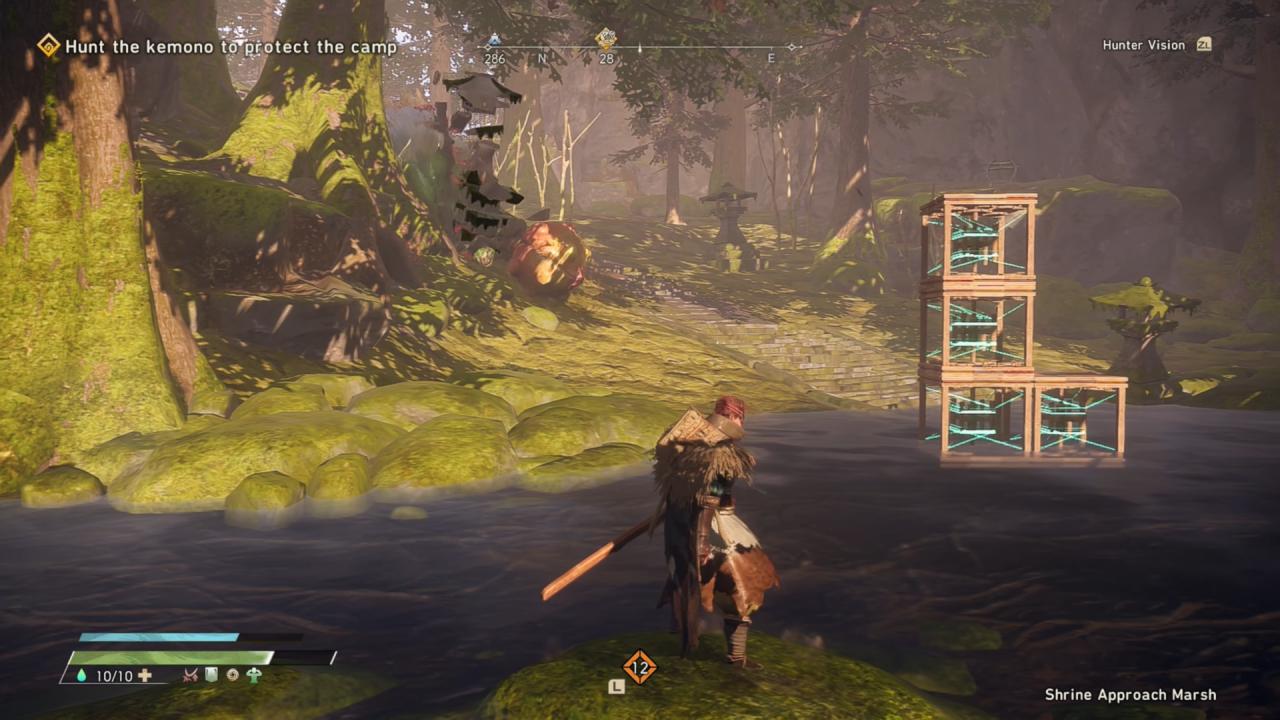
WILD HEARTS S isn't a new game; it's an update that was carefully thought out. It gives one of the best action games of 2023 a new home on the Nintendo Switch 2. The four-player co-op mode improves the main hunting experience by making it easier for teams to work together and making fights more exciting. The Karakuri system is still a great way to mix action, building, and imagination in a way that is both unique and creative.
But the graphic flaws are real and hard to ignore, especially when the phone is in handheld mode. Returning players may also be let down by the lack of new material. Still, if this is your first time in Azuma, you're in for a deep, stylish, and fun trip to hunt monsters.
You can hunt with friends or by yourself in WILD HEARTS S, which offers a bold and creative experience. For those who are okay with some visual flaws, WILD HEARTS S is still an exciting and unique action RPG that stands out from the rest. If you're new to the game or value portable, team-based action, this version is absolutely worth the dive.
Staff Writer, NoobFeed
Verdict
Wild Hearts S brings the thrill of monster hunting to the Switch 2 with co-op enhancements and its signature Karakuri building system. While it sacrifices visual fidelity in the process, its core gameplay remains rewarding and surprisingly smooth.
80
Related News
No Data.