
How 1980s Newsletters Captured Zelda's Groundbreaking Debut
Archival discovery reveals early industry buzz, quirky review scores, and the origins of a gaming legend.
Games by Nusrat Choity on Aug 13, 2025
In a fascinating dive into gaming history, the Video Game History Foundation has published a treasure trove of newsletters from the 1980s, giving modern readers a rare glimpse into how early industry insiders viewed one of the most important titles of all time—The Legend of Zelda on the original Nintendo Entertainment System.
The archive, sourced from Computer Entertainer and other period publications, covers a range of years from 1982 through the mid-80s, chronicling not only the build-up to Zelda's release but also the game's original review. According to the sources, the newsletters reveal that The Legend of Zelda was subject to a slight delay before its launch in North America. While delays are a common occurrence in today's gaming landscape, the reason for this one was particularly noteworthy for its time.
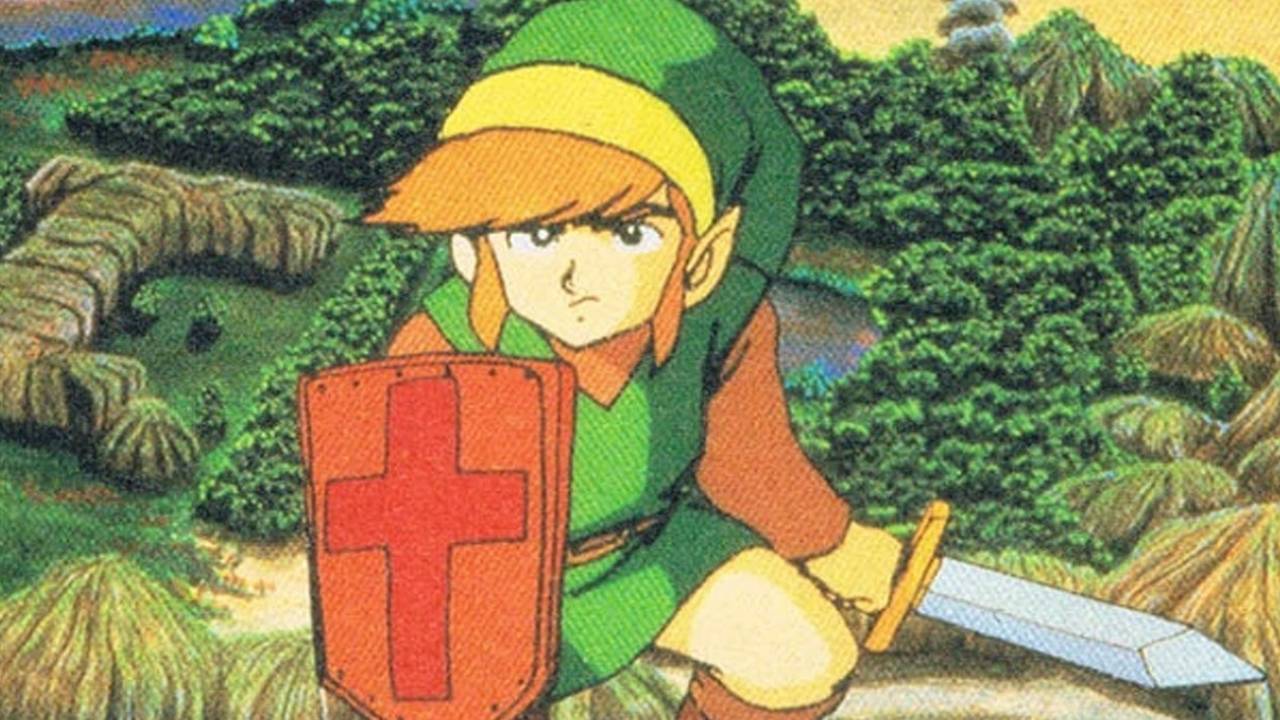
Nintendo opted to adjust the graphics and, more importantly, introduce a built-in battery within the cartridge. In Japan, the game was released for the Famicom Disk System, which allowed for save data. However, without that format in the U.S., Nintendo innovated by including battery-backed memory—allowing players to save their progress directly on the cartridge. This feature would become a standard for specific genres.
The newsletters even document early statements from Nintendo representatives explaining the battery system, highlighting how novel this feature was for the home console market. Saving one's adventure was a revolutionary idea in a time when the majority of games either required players to start over or relied on passwords.
When the much-anticipated review arrived, it came with a curious detail: a dual scoring system. The newsletter displayed a three-and-a-half out of four stars alongside a perfect four-star rating. This quirk came from having multiple reviewers contribute to a single write-up, similar to the scoring format still seen in specific Japanese gaming publications like Famitsu. While the formatting may have been unconventional, the verdict was unanimous—The Legend of Zelda was a must-play experience.
This degree of scope and player freedom was nearly unprecedented for 1986, and unlike many modern games, Zelda did not confine players to a strictly linear path. Reviewers praised the game's open-world design, multiple paths to progress, and the sheer number of distinct screens players could explore. Instead, it encouraged exploration, experimentation, and problem-solving in a sprawling fantasy world filled with secrets.
The review, however, also gave away more than a few in-game surprises. In the pre-Internet age, spoiler sensitivity was less pronounced, and publications frequently revealed details modern players might consider too revealing. Nonetheless, it was clear that the author was excited about the game's inventiveness and technical accomplishments. The retail price at the time was $45; today, that amount would be about $125 after inflation. Reviewers said Zelda offered unheard-of value for its replayability and depth, despite its high price tag.
Interestingly, the newsletter humorously compared Nintendo's success to the achievement of a Nintendo game reviewed in the same issue—Leisure Suit Larry, which had received a perfect score. While vastly different in genre and tone, both games were noted for pushing boundaries in their own ways. The tongue-in-cheek remark that Nintendo might someday "catch up" to Larry was more a playful jab than a serious critique, underscoring the lighter tone many early gaming publications embraced.
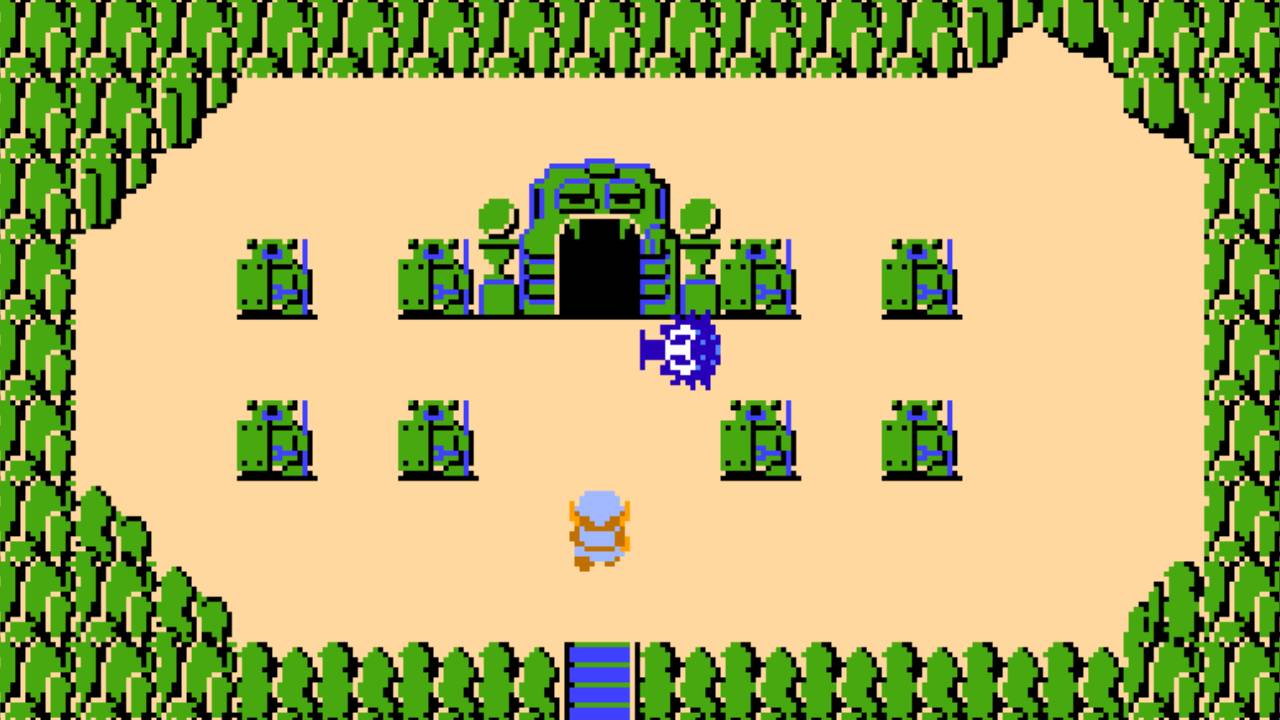
The archival discovery offers a rare, unfiltered view into how The Legend of Zelda was perceived at its birth—a mix of technical marvel, groundbreaking design, and a sign that the medium was capable of far more than simple arcade-style action. It also captures the texture of 1980s gaming culture, where newsletters served as a primary source of industry news, reviews, and gossip before the rise of dedicated gaming magazines and online coverage.
For historians, developers, and fans, these documents are more than just nostalgia—they are valuable primary sources that illustrate how innovation was communicated to players of the time. The newsletters show how the foundations of contemporary gaming's design, storytelling, and marketing were laid decades ago, from the choice to include cartridge-based saving to the fervent but spoiler-filled reviews.
One of the most significant game franchises in history, The Legend of Zelda has inspired innumerable developers and given rise to decades' worth of spin-offs and sequels. However, examining it from the perspective of its initial reception serves as a welcome reminder that every legend has a beginning. In this instance, that beginning was a few pages of text and a star rating system that didn't quite fit the mold, rather than a huge online reveal or dramatic trailer.
So, what other treasures might still be hidden in the dusty archives of gaming's early years, waiting to surprise gaming again?
Contributor, NoobFeed
Latest Articles
No Data.