
2026 GPU Launch Rumors: Nvidia RTX 50 Super, AMD RDNA 4, and Intel Arc B770 Explained
Industry-wide uncertainty defines 2026 GPU launches as memory shortages, pricing pressure, and delayed refresh cycles reshape expectations.
Hardware by Tasnim Yoshi on Dec 27, 2025
There is significant uncertainty about the graphics card market as we move toward 2026. There is no guarantee that Nvidia, AMD, and Intel will release new GPUs soon due to memory supply issues, shifting manufacturer priorities, and changing prices.
Here is a complete list of confirmed information and credible rumors about the graphics card launches in 2026. This includes expected performance, possible prices, and the chances that each product will actually be available for purchase.
NVIDIA and Potential GPU Production Cuts
Let us start with Nvidia. A recent rumor says that the company might cut gaming GPU production by as much as 40% in 2026. People think this will mainly affect one regional market, but the bigger worry is that similar cuts could occur worldwide. These claims come from several reliable sources and suggest that Nvidia is responding to a global memory shortage.
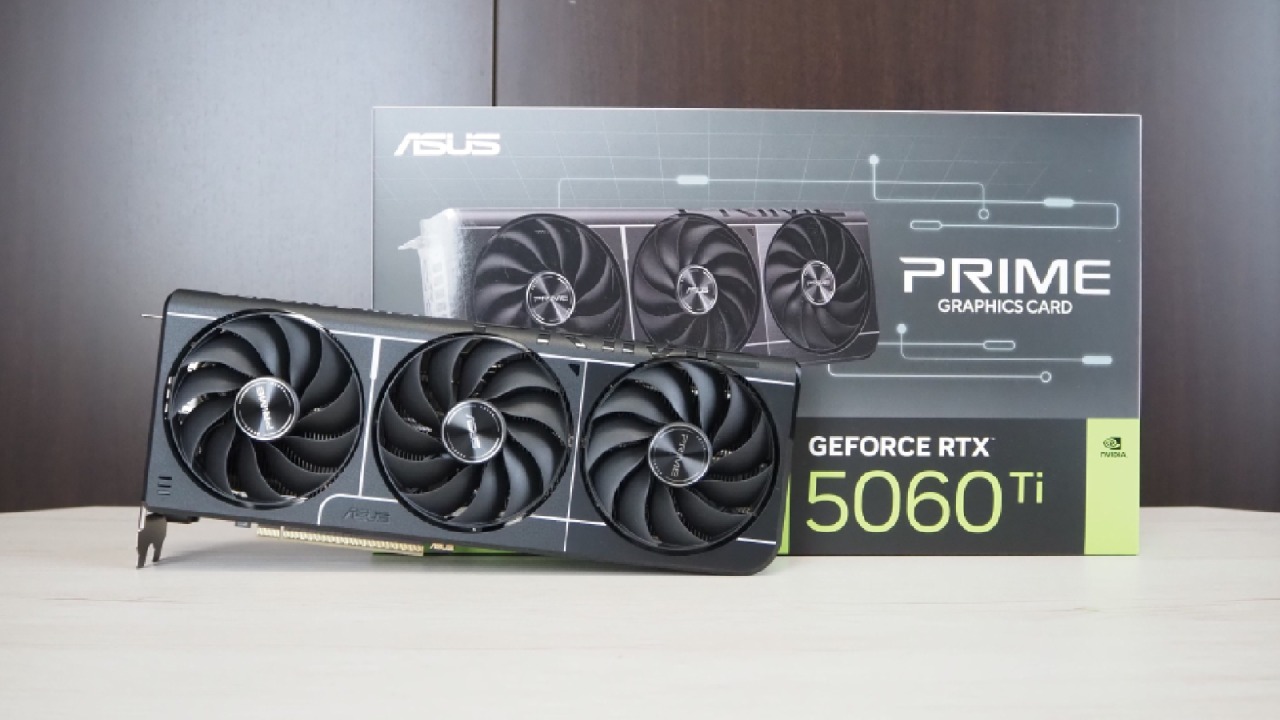
The rise in demand for AI data centers has driven RAM prices higher, making consumer GPUs with more memory less appealing from a supply standpoint. These reports say that RTX 5060 Ti 16GB and RTX 5070 Ti 16GB graphics cards are most likely to be affected first because they have more VRAM and are cheaper. In the end, all RTX 50-series GPUs could be affected because Nvidia is giving GDDR7 priority to products that focus on AI.
Nvidia RTX 50 Super Series Rumors
People initially thought RTX 50 Super series would launch in late 2025 or early 2026, which is when Nvidia usually releases new products. These cards were expected to come out about a year after the base generation, just like other Super launches, and were meant to make minor improvements.
The most talked-about change was Samsung's new 3GB GDDR7 memory modules. This change would let several models have 50% more VRAM. This plan would give RTX 5080 Super and RTX 5070 Ti Super 24GB instead of 16GB, and RTX 5070 Super would go from 12GB to 18GB.
Expected Specifications and Performance
Most of the rumored specs for RTX 50 Super lineup are not very impressive, except for the memory increases. RTX 5070 Ti Super and RTX 5080 Super are expected to have the same number of cores as their base models, but their total board power will go up by about 15%. This means that these GPUs would mostly work as factory-overclocked versions.
There are rumors that RTX 5070 Super will get a slight 4% increase in cores and a 10% increase in board power. RTX 5080 Super and RTX 5070 Ti Super should see performance gains of about 5% to 10%, while RTX 5070 Super could see gains of 10% to 15%.
In real life, this would let RTX 5070 Ti Super outperform other GPUs in its class, while RTX 5070 Super might match or slightly beat them. RTX 5080 Super can finally compete more directly with other high-end GPUs.
Pricing Expectations for RTX 50 Supers
There were rumors that the prices for RTX 50 Super series would be very similar to those of RTX 50 series, as with RTX 40 Super series when it first launched. RTX 5070Super is thought to cost between $550 and $600, RTX 5070 Ti Super between $749 and $800, and RTX 5080 Super between $1000 and $1200.
Delays and the Risk of Cancellation
Recent reports say Nvidia might not release RTX 50 Super series until at least 2026. The company is waiting to see what happens as memory markets change. Some people think the current high RAM prices are driven by panic rather than actual demand, but there is still significant uncertainty.
There are now three possible outcomes. First, memory prices will level off by mid-2026. This will allow Nvidia to release the Super series on time, but at a higher cost. Second, Nvidia is moving forward with a Super refresh that focuses on faster clock speeds instead of more VRAM. This lets you make small improvements in performance while still being able to raise prices. Third, Nvidia cancels the Super series altogether, especially if more delays make it too close to the launch window for RTX 6000.
We think Nvidia probably planned a Super refresh from the start, given how successful previous generations were. However, things are becoming more complicated as VRAM prices rise and AI GPU margins need to be protected. The most likely outcome is a Super lineup with slightly higher clock speeds and the same amount of VRAM, along with the slow phasing out of RTX 5070, RTX 5070 Ti, and RTX 5080 models.
AMD Radeon GPU Possibilities for 2026
Earlier rumors said AMD was working on a high-end RDNA 4 GPU that could go head-to-head with RTX 5080. There were a lot of names thrown around, but for simplicity, we will call it the RX 9080 XT.
There were rumors that engineering samples existed, and that they might feature a larger or higher-binned RDNA 4 die with much higher clock speeds and maybe even GDDR7 memory. Estimates of its performance said it could be up to 30% faster than the RX 970 XT, making it faster than RTX 5080.
However, the lack of news about this GPU lately seems like the project might be on hold or even canceled. The fact that memory prices are rising and RTX 50 Super series seems to be taking longer to launch makes it less urgent for AMD to release a product like this. We would not be surprised to see this GPU return if memory prices remain the same and Nvidia continues to expand its Super lineup.
RX 970 GRE and VRAM Constraints
There were also rumors about the RX 970 GRE 16 GB from AMD. A 12GB version of this GPU launched earlier in some markets, sitting just below RTX 5070 and better than RTX 5060 Ti 16GB. This made it a good choice in the middle of the range.
There was talk of a global 16GB version, but rising VRAM costs make this less likely. We expect AMD to make the current 12GB RX 970 GRE available to more people instead. If this happens, prices could be around $499, which is similar to what has happened in the past.
Intel Arc Gains Momentum
Intel is the most likely company to release a new GPU in 2026. Arc graphics cards have been growing increasingly popular, and some of the newer models have sold more than other 8GB options. According to feedback from board partners, the Arc B-series is selling a lot more than earlier generations.
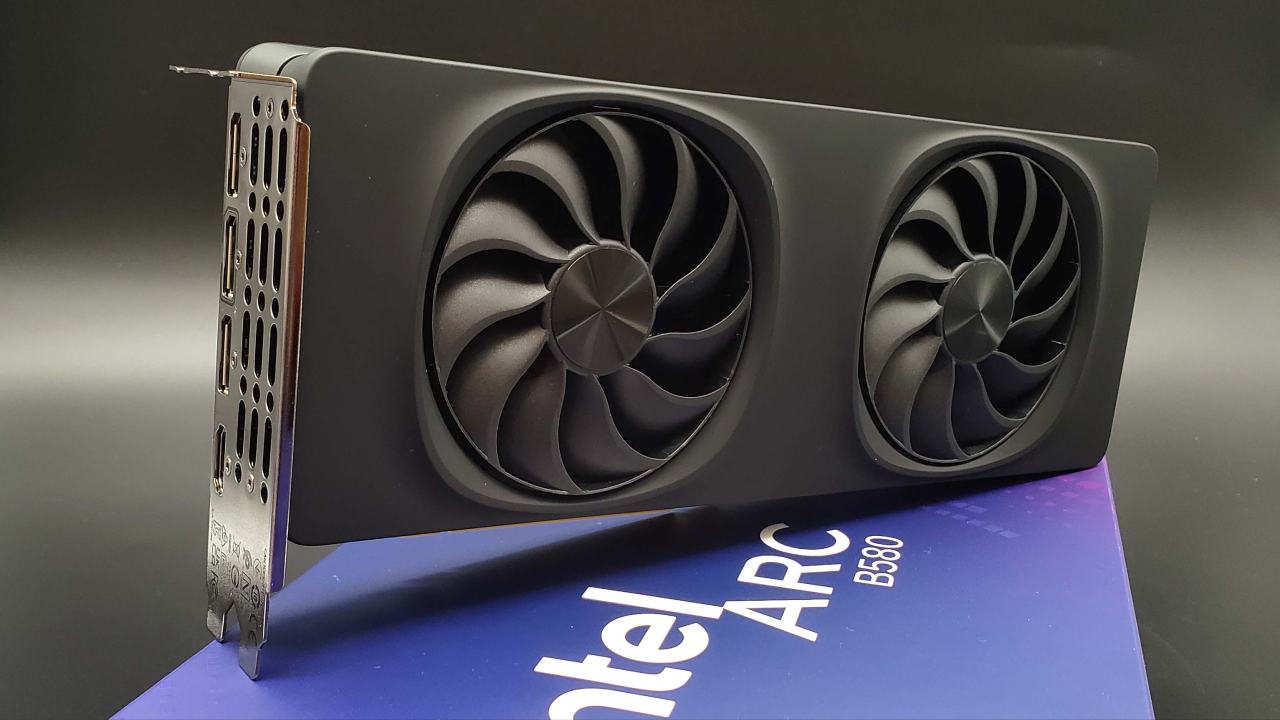
Intel has also made great strides in addressing CPU overhead, which is very important for people upgrading older systems. This groundwork lays the groundwork for the rumored Arc B770 16GB.
Arc B770 Specifications and Performance Outlook
It is said that Arc B770 will use the BMG-G31 die with 32 XE2 cores, which is a big jump from current models. With a 256-bit memory bus, full x16 PCIe Gen 5 connectivity, and 16GB of GDDR6, performance could be close to, or even better than, RTX 5060 Ti 16 GB.
Intel might still do well if the price is between $350 and $400, even though die size and power consumption are still issues. Estimates suggest power consumption could reach 300W. At that level, many users would be willing to accept a higher power draw in exchange for better performance and more VRAM.
We think Arc B770 will probably come out in 2026. If Intel keeps its promises about performance and price, it could be one of the most disruptive GPUs in the mainstream market.
Should You Buy Now or Wait?
The truth is, it is very unclear when GPUs will be released in 2026, so you should consider whether to buy now or wait. Arc B770 looks promising, but its performance will likely be similar to that of existing products. There is a chance RTX 50 Super series will be delayed, changed, or even canceled.
If you need an upgrade, it makes sense to buy sooner rather than later, since GPU prices are at their lowest this generation and VRAM-driven price increases are on the way. Waiting is very risky and offers little upside.
For people who want to buy in the middle price range, the current 16GB options are a great deal. Availability remains low for higher-end users, but prices are unlikely to drop much in the near future. If you are at the very high end, waiting might make sense because a possible Super refresh could change how prices work.
Final Thoughts on the 2026 GPU Landscape
Memory economics and AI demand are having a bigger impact on the GPU market as we move into 2026 than traditional generational improvements. While new ideas keep coming, all the big companies are changing their launch plans due to limited supply and high prices.
If you want to build or upgrade a system in the next year, current-generation GPUs are the best choice because they are the most reliable and cost-effective. The promise of better hardware in the future remains strong, but the risk of delays and higher prices is higher than usual.
Also, check our other articles below:
- NVIDIA GeForce RTX 5080 Review (2025): Still A 4K Gaming Powerhouse?
- NVIDIA RTX 5070 Review: Mid-Range Muscle or Marketing Hype?
- RTX 5070 Ti Review: Performance, Thermals & Power Efficiency Tested
- ASUS GeForce RTX 5090 LC Liquid Cooled GPU Review: Unmatched Silence & Speed
- MSI GeForce RTX 5090 32GB SUPRIM SOC Review: Power Efficiency, Cooling, and Gaming Performance
- INNO3D RTX 5060 Ti 16 GB X2 Review: Gaming Benchmarks, Temps, and Power Efficiency
- HP Omen 45L Review: RTX 5090 Performance, Thermals, and Value Analysis
- ASUS TUF Gaming GeForce RTX 5060 Ti Review: DLSS 4, Power Efficiency, and Gaming
- ASUS Prime RTX 5060 Ti OC 16GB Review: DLSS 4, Ray Tracing, & Thermals Tested
- NVIDIA GeForce RTX 5060 Review: Specs, Gaming, and Cost per Frame
- MSI GeForce RTX 5090 GAMING TRIO OC Review: A Monster Power GPU
Subscriber, NoobFeed
Gaming Hardware Updates
No Data.