
AMD’s RX 10000 GPUs Getting a Major GDDR7 Upgrade
Microsoft continues evaluating physical disc support as AMD prepares next-generation Radeon GPUs with GDDR7 memory technology.
Hardware by Nahe Yan on Sep 24, 2026
The future of physical media remains uncertain as Microsoft evaluates whether the next Xbox should support physical discs. Meanwhile, AMD’s next-generation Radeon GPUs are starting to appear in Linux driver work, with GDDR7 support now appearing alongside new hardware blocks.
Higher-density GDDR7 memory chips could also change how GPU manufacturers approach VRAM capacity and memory-bus design. RX 10,000 GPUs are finally on the way, and AMD just confirmed a key spec for next-gen Radeon. AMD has officially begun adding support for GDDR7 memory to its open-source Linux graphics driver.
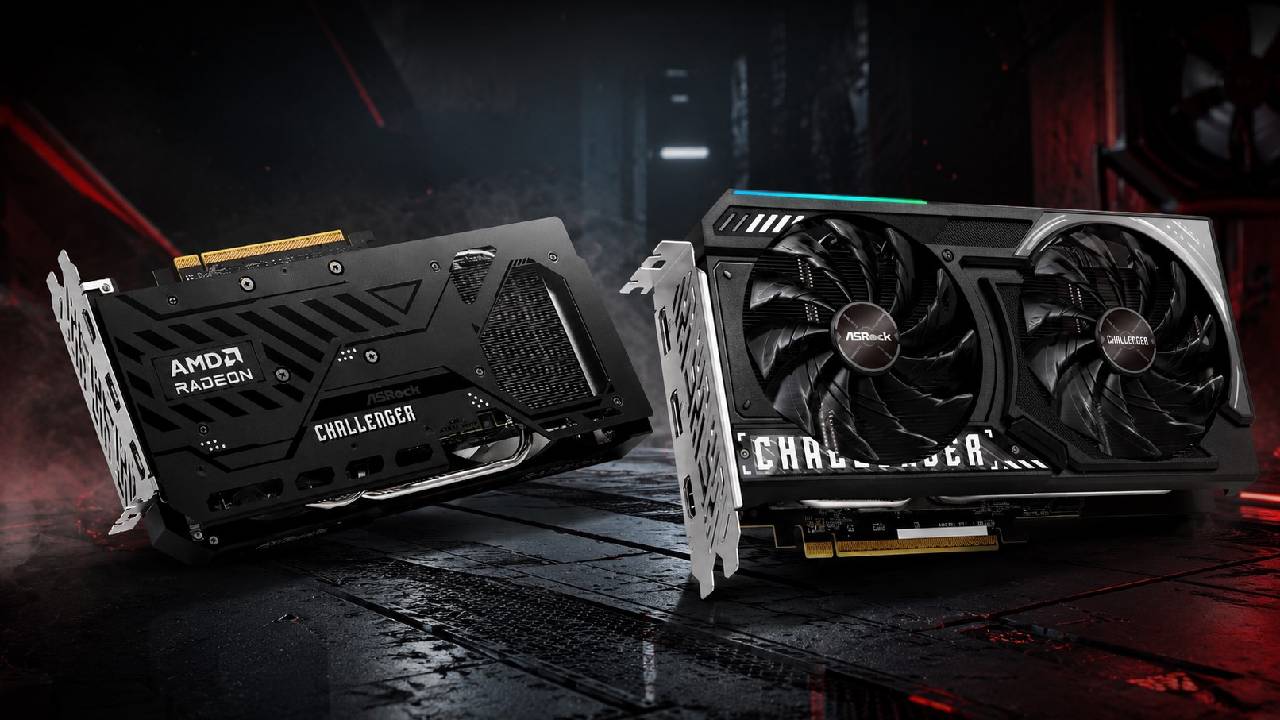
AMD Begins Adding GDDR7 Support
The change was spotted in a brand-new AMD GPU patch where AMD engineer Frank Min added GDDR7 to the list of VRAM types the driver already recognizes. Now, AMD doesn’t specifically write RDNA5 or RX 10,000 anywhere in this patch.
So technically, they haven’t outright announced that their next-gen gaming GPUs use it, but this almost certainly confirms it because GDDR7 would typically only be used in consumer and pro cards. AMD usually makes its pro cards from its consumer models. In contrast, their high-end AI accelerators use only HBM.
Plus, we’ve seen leaks saying next-gen Radeon GPUs will use GDDR7. And to top it all off, AMD also enabled new hardware blocks like IH8.0 and NBIF7.10. Recent driver work is also revealing DCN6 and new GFX13 hardware, with GFX13 set to power their RX 10000 cards.
And this is seriously great because don’t forget that AMD is still using GDDR6 with RDNA4, not GDDR6X, but regular GDDR6. That means next-gen is set to be a huge upgrade in memory bandwidth, especially if AMD moves from its L3-based Infinity Cache to a large L2 bank, as one leaker claimed.
Higher-Density GDDR7 Chips Could Change GPU VRAM
Also, don’t forget that AMD’s next-gen isn’t just expected to get GDDR7; rumors suggest the top-end chip is set to get a huge jump in cores. They’re also expected to use a new node, run at higher clocks, and more. Ultimately, this is great news for next-gen GPUs. Now, speaking of VRAM, GPUs just changed forever.
First up, we just got a surprising report that Micron is apparently done making its 2GB GDDR7 memory chips. According to Unicos Hardware, Micron’s 28Gbit per second 2GB GDDR7 chips, already used in some RTX 50 GPUs, have reached end of life. And it isn’t just that specific model.
Apparently, all of Micron’s 2GB GDDR7 chips listed on their site are now end of life, with only the newer 3GB options remaining. You can see the change on their site, with 2GB GDDR7 parts clearly marked as end of life. What’s really wild is that this was reported just after the well-known leaker Golden Pig Upgrade claimed 4GB and 6GB GDDR7 chips would be available either next year or the year after.
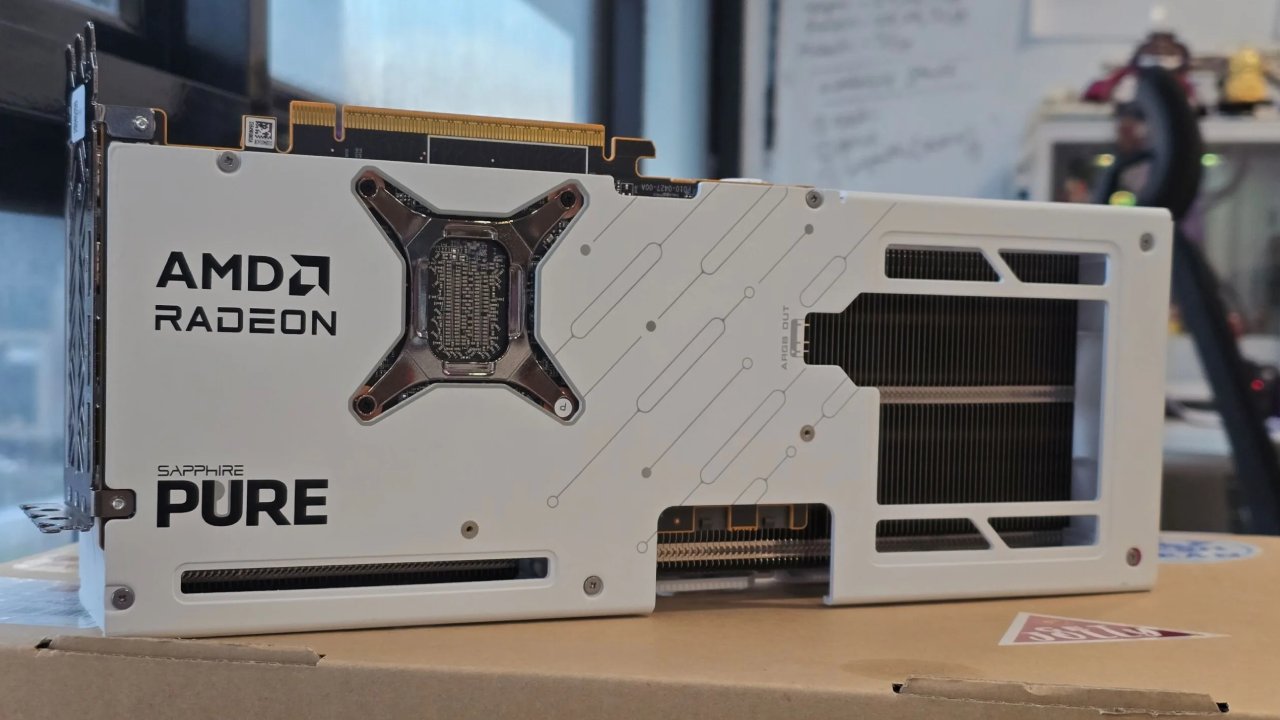
Now, for those who may not understand how GPUs are made, multiple memory chips make up a card's total VRAM. And on most current gaming GPUs, each of those chips holds around 2GB. So, for example, a GPU with a 128-bit memory bus will commonly use four memory chips. Four 2GB chips give you 8GB of VRAM.
The number of memory chips you can put on a card depends on the memory bus width.
This is where higher-density chips completely change the equation. With 4GB chips, you could get 16GB of VRAM using just four chips on a 128-bit bus. That’s the same amount of memory that would normally require eight 2GB chips on a 256-bit design. And if these rumored 6GB chips happen, those same four chips could give a 128-bit GPU a ridiculous 24GB of VRAM.
Basically, in the future, GPU manufacturers wouldn’t need massive memory buses just to reach higher VRAM capacities anymore. They could build cheaper, simpler cards with fewer memory chips and narrower buses while still giving them huge amounts of memory.
Now, that doesn’t mean a 128-bit bus suddenly performs like a 384-bit one. Memory bus width still plays a huge role in bandwidth. So, high-end GPUs will still need enough bandwidth to feed the GPU, but in terms of capacity alone, these new chips could completely break the relationship we’re used to seeing between bus width and VRAM.
Editor, NoobFeed
Gaming Hardware Updates
No Data.