
Court Awards Nintendo $4.5 Million in Switch Piracy Lawsuit
A long-running Switch piracy case has ended with a $4.5 million judgment, website shutdowns, and a costly reminder that selling copyrighted games can carry serious consequences.
News by Adeela Tas on Sep 26, 2026
Nintendo's latest legal fight over Switch piracy has finally concluded, and the outcome is about as severe as you might expect. The company has won a case against a Reddit moderator after he failed to appear in court despite being allowed to defend himself.
The case originally made headlines after Nintendo sought $4.5 million in damages from the moderator, who was accused of operating and supporting several online piracy shops that distributed unauthorized copies of Nintendo Switch games.
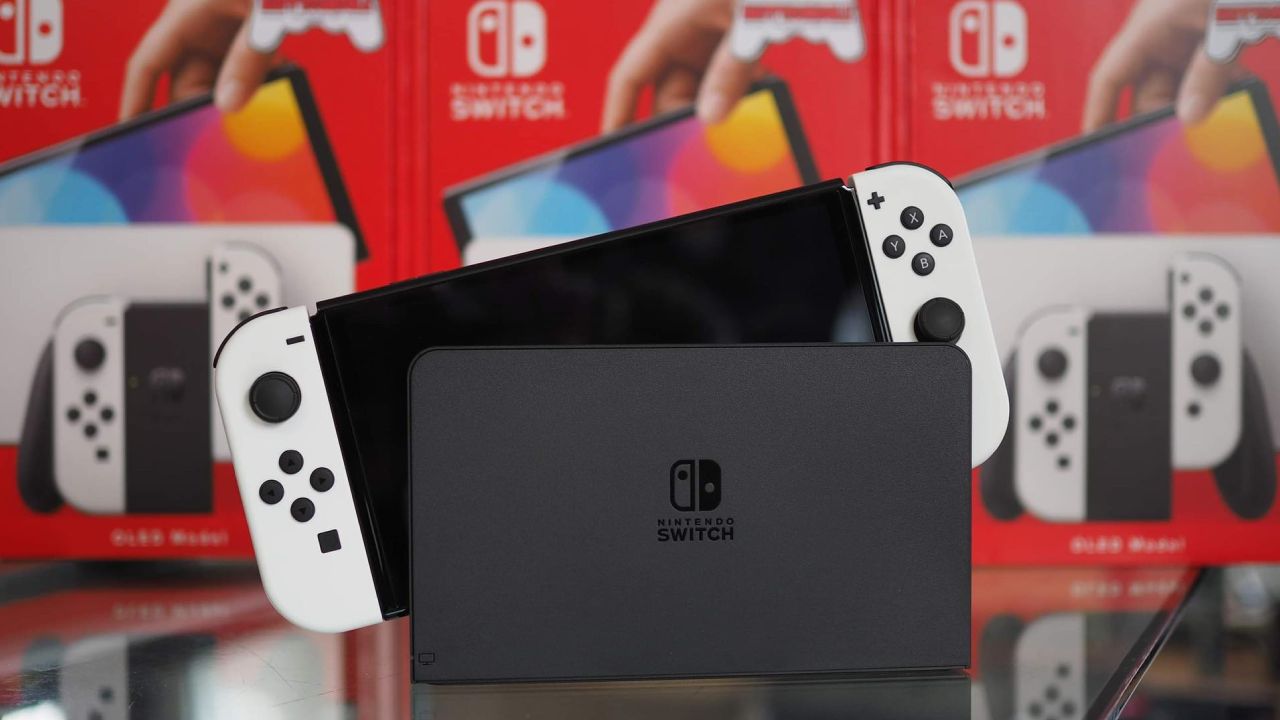
The situation went beyond someone privately downloading a game, though. According to Nintendo's allegations, the moderator distributed large numbers of copyrighted Switch games and charged users for access. That distinction matters when you look at the wider argument around piracy and emulation.
You can have a complicated discussion about someone downloading an old game that is difficult or impossible to purchase legally.
There's also a legitimate debate about whether preserving old games through emulation deserves different treatment than outright commercial piracy. But the Reddit moderator situation was on another level entirely — the allegations involved actually selling copyrighted games for profit, not just archiving them.
The legal dispute began after Nintendo took action against the Reddit moderator over his alleged involvement with Switch piracy communities and online game shops. Nintendo accused him of facilitating the reproduction and distribution of thousands, potentially hundreds of thousands, of unauthorized copies of Switch games.
For you as a player, there is a clear difference between finding an old game ROM for personal use and running a business distributing copyrighted games. That distinction matters even more when the games are from a platform still actively supported and sold by its manufacturer.
Nintendo reportedly sought $4.5 million in damages and asked for the pirate shops connected to the moderator to be shut down. The company's legal demands went beyond getting someone to stop downloading games. They targeted the alleged commercial distribution of Nintendo software.
The biggest development in the case came when the Reddit moderator failed to appear in court.
He had previously indicated that he wanted the matter to go to trial, but when it came time to defend himself, he did not show up. That left Nintendo in a position to obtain a judgment without the moderator presenting a defense. As a result, the court sided with Nintendo, leaving the moderator responsible for the $4.5 million judgment and subject to orders requiring the shutdown of the associated piracy operations.
That outcome is what makes the case particularly striking. Legal disputes can be messy, costly, and hard to navigate, but ignoring one doesn't make it go away. If you're hit with a lawsuit seeking millions in damages and you don't show up to fight it, you're left with very few options.
The financial fallout is just as serious. Realistically, nobody could pay $4.5 million upfront. Instead, a judgment like that becomes long-term debt, and depending on how it's enforced, collection efforts could reach into the person's future earnings and assets for years to come.
In other words, the consequences can outlast the websites that caused the trouble in the first place — long after those sites are gone, the bill still isn't paid. The alleged piracy operation may be shut down, but the financial judgment remains. That is also why the commercial aspect of the situation matters so much.
Emulation isn't necessarily the same as piracy, and people often treat the two terms as if they mean the same thing.
They do not. Emulation can be perfectly legitimate; think playing games you already own on different hardware, or preserving old software that's become hard to find. Piracy is different: it involves getting or sharing copyrighted material without permission, and once someone starts charging money for those unauthorized copies, the legal and financial risks rise considerably.
Still, there's a lot of nuance worth acknowledging. You might come across an old game that's no longer for sale, has never been rereleased, or is genuinely tough to access through legal channels. Some players turn to emulation simply because it's the only way to experience games that would otherwise be out of reach. Others use it to preserve games or play them on modern hardware.
Some people also discover a game through emulation and later decide to purchase it. That does not make unauthorized copying automatically legal, but it demonstrates why conversations about emulation are often more complicated than simply labeling every user a pirate.
This case is different because the allegations centered on organized distribution and commercial activity. Nintendo's position was not merely that someone had downloaded a game. The company alleged that the Reddit moderator was helping distribute large quantities of unauthorized Switch software through pirate shops.
The involvement of money makes the situation even harder to compare with someone privately downloading a ROM.
Charging customers for copyrighted games you did not create or license creates an obvious commercial conflict with the company that owns them. It is also worth remembering that the games at the center of this dispute were primarily Nintendo Switch titles. This was not simply a case involving decades-old software that had disappeared from the market.
Nintendo was still actively selling and supporting games on the Switch, and that's part of why the company pushed the case as hard as it did. Like any business, Nintendo has legal rights to the software it creates, and when someone distributes it commercially without permission, it can directly eat into the market Nintendo depends on.
The outcome also shows just how far Nintendo is willing to go when it feels its intellectual property is being exploited for profit; this isn't a company that lets these cases slide. The company has built a reputation for taking legal action against piracy operations, fan projects, and other activities it sees as crossing the line.
Still, something about this case sets it apart from Nintendo's usual legal playbook: the Reddit moderator never defended himself in court. He never made any real argument about emulation, piracy, distribution, or damages at trial. That makes it difficult to use this judgment as a broad statement about every form of emulation. The specific circumstances matter.
A commercial operation distributing unauthorized Switch games is not automatically comparable to someone preserving an old game collection or using an emulator for personal purposes. For players interested in game preservation, the broader debate is likely to continue.
Older software can become difficult to purchase, hardware eventually becomes obsolete, and digital storefronts can disappear.
Those realities help explain why emulation remains popular despite the legal controversy surrounding unauthorized copies. But commercial piracy creates a separate set of issues. Once you start making money off copyrighted games without permission, you've moved past questions of preservation or access altogether; that's a different issue entirely. You are potentially creating a business around someone else's intellectual property.
That is ultimately what makes the $4.5 million judgment such a major consequence in this case. The alleged operation was not treated as a harmless hobby, and failing to appear in court meant the Reddit moderator did not get the opportunity to contest Nintendo's claims before the judgment was entered.
The websites associated with the operation are now facing shutdowns, while the financial judgment follows the moderator personally. What started with unauthorized copies of Switch games has become a legal and financial problem that could remain relevant for years.
The case does not settle the larger argument over emulation. You can still have legitimate discussions about preservation, access to discontinued games, and whether copyright law adequately handles older software. Those questions remain separate from the consequences of operating a commercial piracy business.
This case shows that distributing and selling unauthorized copies of currently marketed games can carry enormous consequences.
Once a piracy operation becomes commercial, the risks differ sharply from those involved in simply experimenting with an emulator. For the Reddit moderator, the final result is a $4.5 million judgment and the closure of the piracy shops at the center of the dispute.
The most surprising part may be that the case could have played out differently if he had actually appeared in court and defended himself. Instead, the judgment now stands as one of the more dramatic examples of how a piracy operation can turn into a life-changing legal and financial problem.
Editor, NoobFeed
Related News
No Data.