
Nintendo Strikes Again: The Switch Emulation Crackdown Just Escalated
Fresh GitHub takedowns signal that Nintendo isn’t backing down; setting the stage for another high-stakes battle between preservation and profit.
News by Zahra Morshed on Feb 17, 2026
A new round of copyright enforcement has hit GitHub, and the subject is well-known. Nintendo has sent several DMCA takedown warnings to repositories that are linked to emulating the Nintendo Switch. Android Authority was the first to report on the move, saying that a number of emulator projects had been officially complained about.
Eden, Citron, Kenji NX, and Melo NX were named, as well as Skyline and Sudachi, which are still inactive projects. As of the first report, some sources could still be seen while they were being reviewed. That may only be visible for a short time. Since Microsoft owns GitHub, the company usually follows DMCA requests unless there is a counterclaim that shows they have legal grounds.
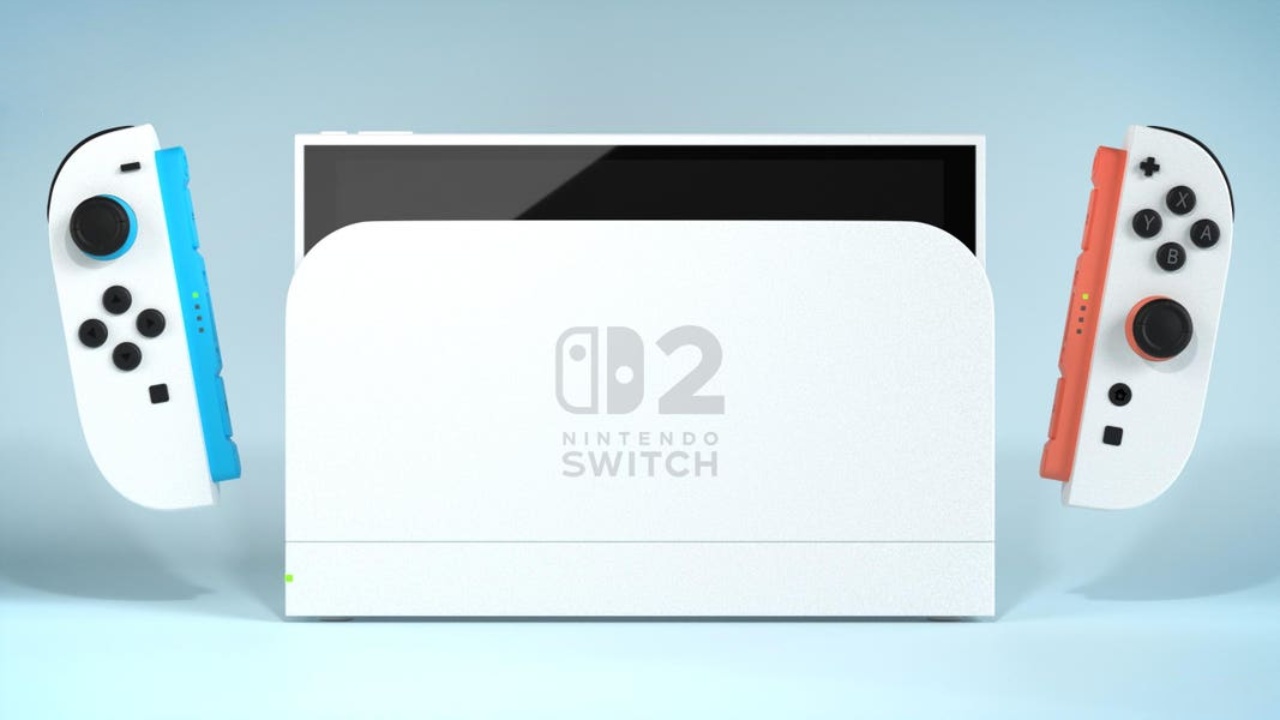
This design has been seen before. In the past, Nintendo has always had a strong intellectual property strategy, especially when it comes to busy commercial platforms. The Nintendo Switch is still on the market, and sales of first-party apps continue to be very strong every three months. Games like The Legend of Zelda: Breath of the Wild have continued to sell well years after they were first released.
From a business point of view, it makes sense.
As long as Switch software is sold in stores and online, Nintendo has a moral obligation to stop people from getting it without permission. In many places, emulation is not necessarily illegal, but it often becomes illegal when proprietary firmware and game data are involved. That point of contact becomes the center of the law.
In a larger sense, this includes Nintendo's well-known lawsuit against the Yuzu developers in 2024. A deal ended the case, which meant that the emulator had to be shut down and the people who made it had to pay big fines. In court documents, it was said that encryption protections were broken and that illegal game sharing was made easier. The result made Nintendo even more ready to go beyond takedown warnings.
In this environment, GitHub is in a tricky spot. As a hosting site, it blocks access to repositories that have been officially reported as illegal by the DMCA. The process does not always decide what is legal in the end. It's a way to make sure that US copyright laws are followed. It's possible for projects to come back through counter notices or move to self-hosted systems that can't be watched from one place.
Moving to that format is already standard in the emulator industry.
A lot of busy projects keep mirrors on platforms other than the main ones. This makes them less reliant on a single repository host. Takedowns don't get rid of things, so they act more like friction. Visibility gets worse. It's harder to make straight discoveries. Still, professional persistence often lasts.
Nintendo's approach to discipline is also like lifecycle management. Even though changes to hardware are coming soon, legacy software can still make money by rereleasing, improving, and making it work with older versions of itself. Protecting the business runway of games from the Switch era helps keep the money coming in. It also gives third-party publishers peace of mind, whose work is shown on the site.
On the other hand, emulation is a more complex societal idea. Preservationists say that business management alone can't guarantee that software will last a long time. Cartridges break down over time. There are no more digital stores. The prices on the secondary market can make some games impossible to get.
In the past, emulation has been used to keep archives going when official stations stopped broadcasting.
The present landscape is made up of this tension between protecting and preserving. Nintendo mostly looks at copying through the lens of active business risk. It is called "digital heritage infrastructure" by preservationists. When it comes to active products, the law likes to side with people who own rights. The public's opinion is still split.
Recent takedowns should not be seen as a sign of compliance in general. They mean something. Shows that Nintendo is still keeping an eye on open sources. There are signs that people will be looking closely at ongoing development around Switch emulation. Shows that platform owners don't want to give up control of marketing as long as a product can still make money.
.jpg)
It's clear what the lesson is for developers and community managers. Compliance systems are important. Hosting choices are important. The ways you communicate are important. In the past, Nintendo has been patient, gathering evidence over long periods of time before making a decision. The approach is planned out instead of being reactive.
What happens next is likely to follow a pattern that we know. There will be fewer sources. Others will come back under different names. Legal arguments will continue to happen in specialized settings. At the same time, Switch software will still be on store shelves and in digital stores, making money that supports staying alert.
It's not just about code in this story. It's about who controls distribution, how much something costs over its lifetime, and who sets the limits on entry in the digital age. Nintendo has made it very clear what it thinks. The question is how the environment will change because of this.
Contributor, NoobFeed
Related News
No Data.