
When Combat Runs on Spinning Reels
Other by Tess Meijer on Nov 09, 2026
In Slots & Daggers, you can spend a turn waiting for a sword and get a pile of coins instead. The monster across from you doesn't care that you needed damage. It just gets another chance to hit back.
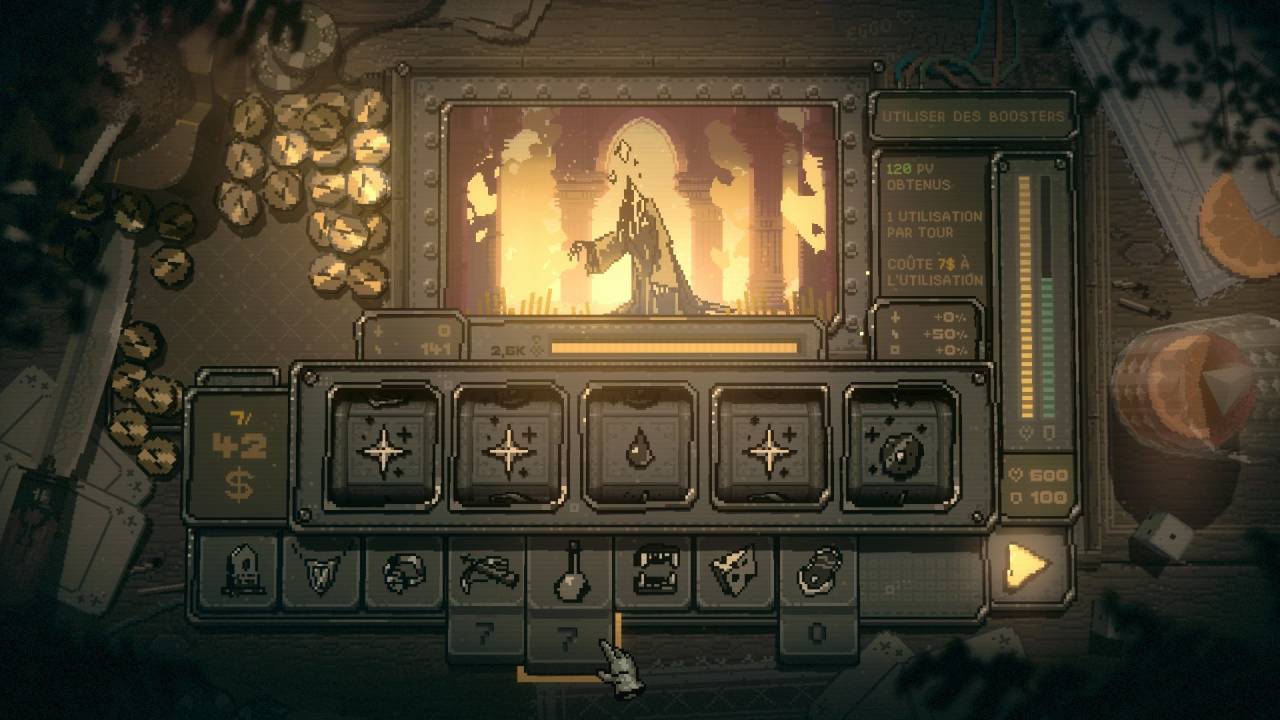
The whole fight happens around a slot machine, with weapons, shields and other items arriving as symbols on its reels. A few spins in, you start reading it much like a regular combat menu, except you don't get to choose what comes up.
Every Symbol Has a Job
At first, you mainly want a sword to hurt the enemy or a shield to protect yourself. Coins pay for improvements between fights. More spells and equipment arrive as you progress, and soon there's quite a bit to keep track of.
Slots & Daggers' combat system keeps the essentials together. The enemy and your health stay in view while the symbols land. There's less to remember between turns, which helps when a monster's defenses make some attacks more useful than others.
Listen to the Machine
It's worth playing with the sound on. The effects give you cues that would be easy to miss in the busy artwork. The reels spin, coins clatter into the tray and a successful hit has enough weight behind it to register even while you're looking at your health bar.
Sound is useful when it follows an action closely, as Unity's lessons on audio feedback in game design explain. In this case, a coin payout and an attack are easy to tell apart without pausing to read a tooltip.
The crunchy drum-machine soundtrack suits the battered arcade-cabinet look. It keeps the pace lively during the quiet moments between attacks, when you're deciding whether your current equipment is doing enough.
A Slot Reel With RPG Rules
The symbols look familiar if you've seen popular slot machines, which use reels, paytables and sometimes bonus features to determine payouts. Those systems can involve real money and fixed game rules. Here, those symbols determine what happens to your character and the enemy.
Landing a sword means you can attack, while a shield helps you survive the enemy's next move. Coins have a job, too, since you'll need them for upgrades between battles. The payoff is getting through a fight with enough health left to face the next one.
Equipment can change the selection of symbols available, too. After a while, you start thinking about the contents of the reels much as you would an RPG inventory. When a build starts working, you can see it in the attacks and defenses turning up on the reels.
What Helps You Read a Fight
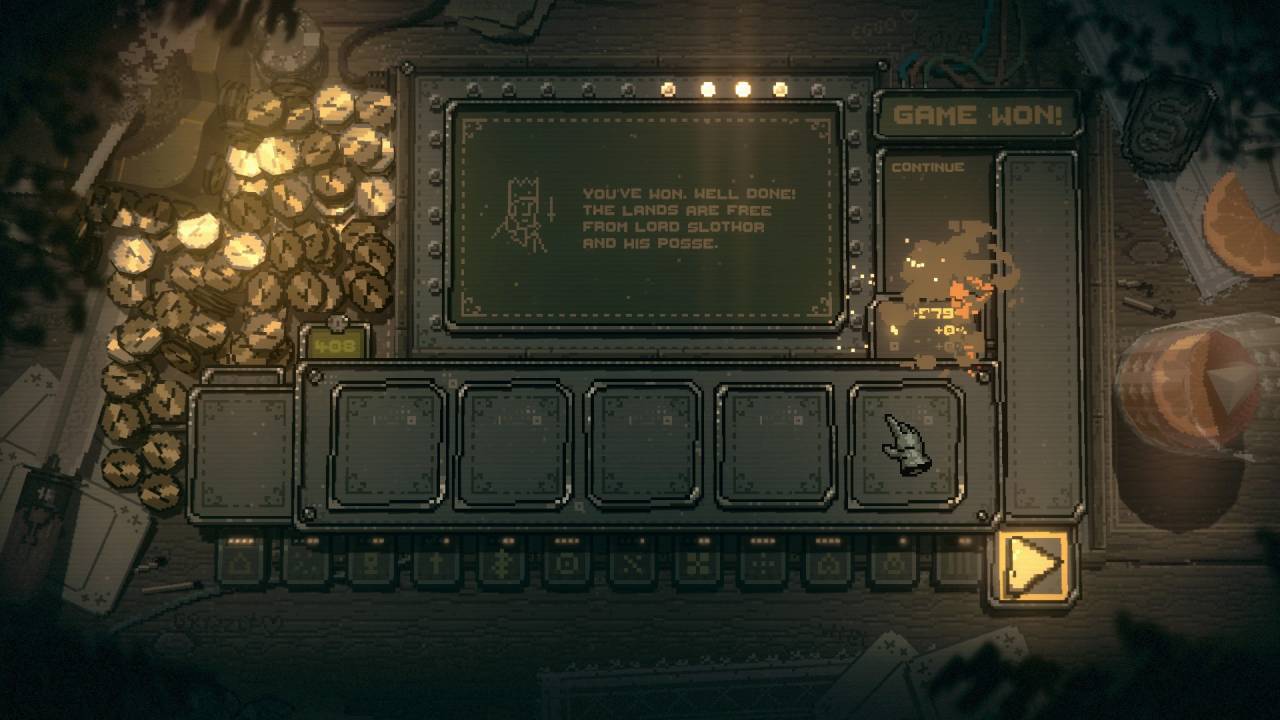
Later fights put more symbols on screen, and it's easy to lose track of what a spin actually gave you. A few details help:
- Distinct symbols: It's usually clear whether you've landed damage, protection or coins before the animation finishes.
- Different sounds: An attack and a reward pickup make different noises, so you don't have to watch every corner of the screen.
- Visible status bars: Health and shields show whether that last spin improved your position or left you exposed.
A physical attack hitting an enemy's shield looks different from magic getting past that protection. You can tell why one action worked better, even if you had no say in which symbol landed.
It's still irritating when you get another shield while waiting for the sword that would finish a fight. At least the screen tells you exactly what you've been handed. The monsters can pull faces and the cabinet can rattle away without hiding the health bars or obscuring the reel.
Why the Reels Suit the Game
The best moments come when you're low on health, waiting for a weapon to appear, and the reels finally stop in your favor. By then you already know what that sword is going to do.
A normal RPG menu could offer the same attacks and defenses with fewer surprises. Slots & Daggers makes you watch the machine decide which one you get. That's an aggravating way to fight a monster, and part of why one more spin is so hard to resist.
Moderator, NoobFeed
Latest Articles
No Data.