
Satya Nadella Backs XBOX Cuts in Shift to Lean Franchise Model
Microsoft's gaming chief has outlined a growth plan built around bigger audiences, stronger franchises, and a leaner operation, even as recent studio cuts raise questions about how the strategy will work.
News by Adeela Tas on Sep 26, 2026
Satya Nadella has offered a brief but revealing look at where Microsoft sees its gaming business going, and his comments put the company's current strategy into sharper focus. In a recent podcast interview, Nadella said he feels very positive about Microsoft's intellectual property and studios, while also pointing to the need for a sustainable business model that can reach more players across PC and XBOX.
For you, the interesting part is that these comments come as Microsoft restructures its gaming division. The company has been cutting staff and changing how several studios operate, with Asha Sharma leading the business toward a stronger growth target. That creates an obvious tension: Microsoft wants to reach a much larger audience while operating with fewer developers and studios.
Nadella's confidence in the portfolio is easy to understand when you look at what is coming.
Gears of War: E-Day is approaching, Fable is planned for next year, and Activision now handles Halo, putting that franchise on a longer road. Fallout is another major part of the picture, with Microsoft having plenty of opportunities to expand one of its most recognizable properties.
That includes the possibility of revisiting older games. Fallout 3 remains one of the series’ most requested return points, while Fallout: New Vegas still has a strong following. Nothing in Nadella’s comments confirms either project, but the wider strategy makes established franchises especially important because they already have audiences.
That matters because Microsoft's current direction is less about chasing every experimental idea and more about finding games that can consistently attract people. The same thinking shows up in its broader plans for Minecraft and Fallout, as well as its film and television projects. The goal is not limited to XBOX console owners. Microsoft wants its gaming business to function as a publisher and platform provider across PC and XBOX.
The scale of that ambition is considerable. Asha Sharma has discussed a target of entertaining more than one billion people each day. That is not the same thing as having one billion active players, because Microsoft can reach people through different forms of entertainment and across multiple products. Still, it is a huge objective for a business that has also been reshaping its internal structure.
The recent XBOX layoffs are therefore central to understanding the comments.
Nadella described some of the streamlining as necessary, while Asha Sharma and her team have been tasked with improving the business and delivering growth this fiscal year. The company is effectively trying to increase its reach and financial performance while reducing the resources tied to parts of the organization that have not produced the expected results.
Those decisions have a human side that should not be ignored. Developers and other employees losing their jobs face real consequences, regardless of the financial reasoning behind a restructuring. At the same time, the business argument is that Microsoft cannot maintain every studio and project if the overall operation is not generating enough margin.

That discussion has become particularly important because Microsoft's XBOX business has reportedly been operating on a relatively thin margin. The criticism around the restructuring is partly based on the idea that cutting teams while simultaneously talking about growth sounds contradictory. The company's position, however, is that changing the cost structure is part of building a business that can grow sustainably.
The shift also reflects lessons from the last several years. During the pandemic period, publishers and platform holders expanded rapidly, hired aggressively, and invested heavily in projects that seemed capable of finding large audiences. As the market normalized, some of those assumptions stopped working. Expensive development teams, long production cycles, and games that failed to reach expected audiences became much harder to justify.
Microsoft has also spent enormous amounts to expand its gaming portfolio.
The ZeniMax acquisition and the Activision Blizzard deal brought major franchises and established businesses into the company. Rather than simply absorbing those companies and continuing with the same approach, Microsoft now appears to be looking at parts of those businesses as examples of how its own operations can become more sustainable.
Activision's profitability is especially relevant here. Its established franchises and business structure provide Microsoft with a model for generating dependable revenue, while the broader XBOX organization has historically supported a mix of major releases and experimental projects.
That approach works when successful properties generate enough money to support the rest of the portfolio. It becomes much harder when too many projects fail to reach their target audience. That is why the recent restructuring has affected more than development teams.
Cuts have reportedly extended into areas such as business planning, forecasting, and demand planning. Those functions may not be as visible as a studio closure, but they matter when a company is trying to improve how it predicts sales, budgets projects, and decides where resources should go. The broader issue is how XBOX decides what deserves investment.
Microsoft has a huge library of recognizable properties, yet some projects have struggled to reach the scale expected.
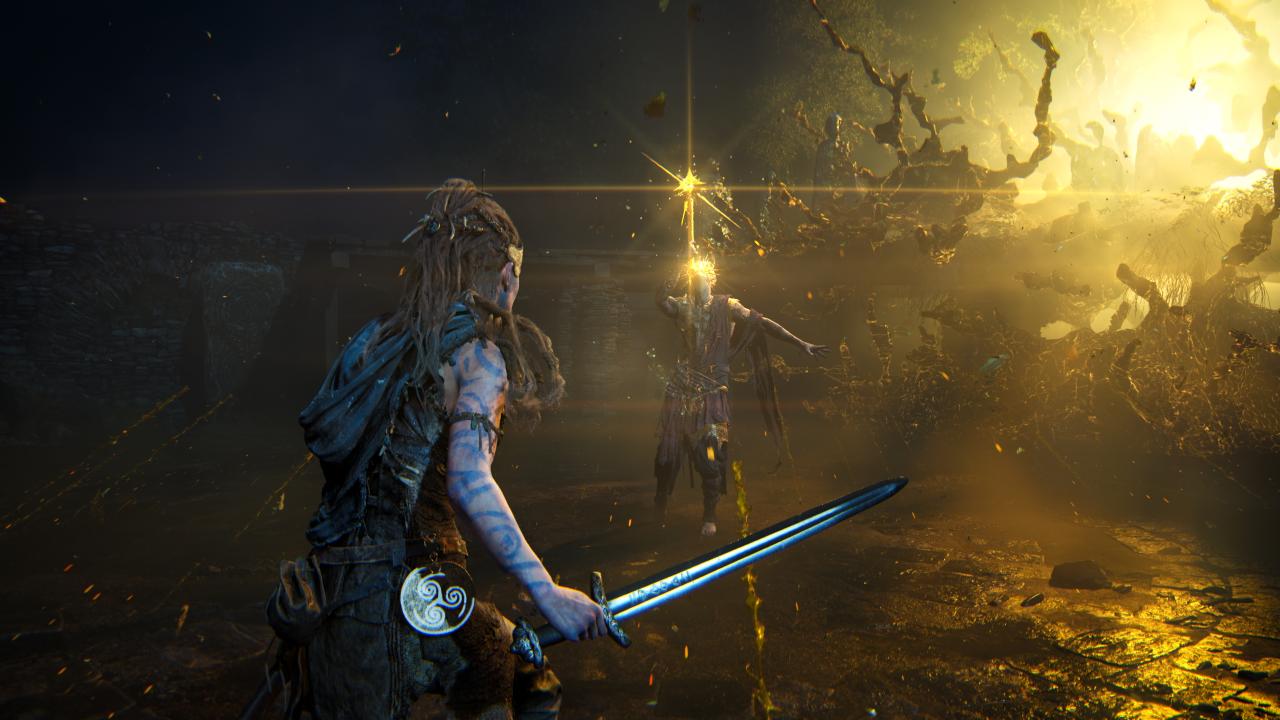
Senua's Saga: Hellblade II keeps coming up as an example in these discussions, and Double Fine's games get mentioned too, seen as projects that maybe didn't pull in the audience size Microsoft was hoping for. That does not mean those games have no value, but it does highlight the gap between critical or fan appreciation and the commercial scale a large publisher may require.
Game Pass is another part of that calculation. Microsoft spent years expanding the service and buying studios, creating an enormous library and giving players access to many games through a subscription. The strategy increased XBOX's reach, but the financial results have not made the model immune to scrutiny.
The Activision Blizzard deal brought a big chunk of established, reliable revenue into the wider business, tipping the portfolio's balance in a new direction. Minecraft has played a similarly important role. Its enormous audience and recurring revenue have helped support Microsoft's broader gaming ambitions for years.
When one property can generate that level of business, it becomes easier to fund riskier projects around it. The problem is that relying heavily on a few major properties can also expose the organization if the rest of the portfolio underperforms.
Satya Nadella's remarks therefore point toward a more focused version of XBOX rather than a simple retreat from gaming.
Microsoft still wants major franchises, new releases, PC players, console players, and audiences beyond traditional games. What is changing is the expectation placed on the business behind those products. For you as a player, the clearest part of that strategy may be the renewed focus on established franchises.
Gears of War: E-Day, Fable, Halo, Fallout, and Minecraft are all properties with existing recognition, while future projects will likely face more pressure to show why they deserve the investment required to build them. None of this guarantees that every decision will work.
.jpg)
The target of reaching more than one billion people a day is extremely ambitious, and reducing the number of studios and developers while pursuing that growth creates obvious challenges. But Nadella's comments make one thing clear: Microsoft is trying to reshape its gaming business around scale, profitability, and broader reach rather than simply expanding the number of teams under its umbrella.
That distinction is important because the company is not presenting the changes as an exit from the market. The stated aim is to make the operation more efficient while positioning its strongest properties to reach more people. For XBOX, that means the success of major releases will matter alongside the financial discipline being imposed behind the scenes.
The next stage will depend on whether that approach can turn Microsoft's enormous collection of franchises into a sustainable business without losing the variety that made its gaming portfolio so broad in the first place. With major releases ahead and more restructuring already underway, the company is now betting that fewer resources can ultimately produce a larger audience.
Editor, NoobFeed
Related News
No Data.